
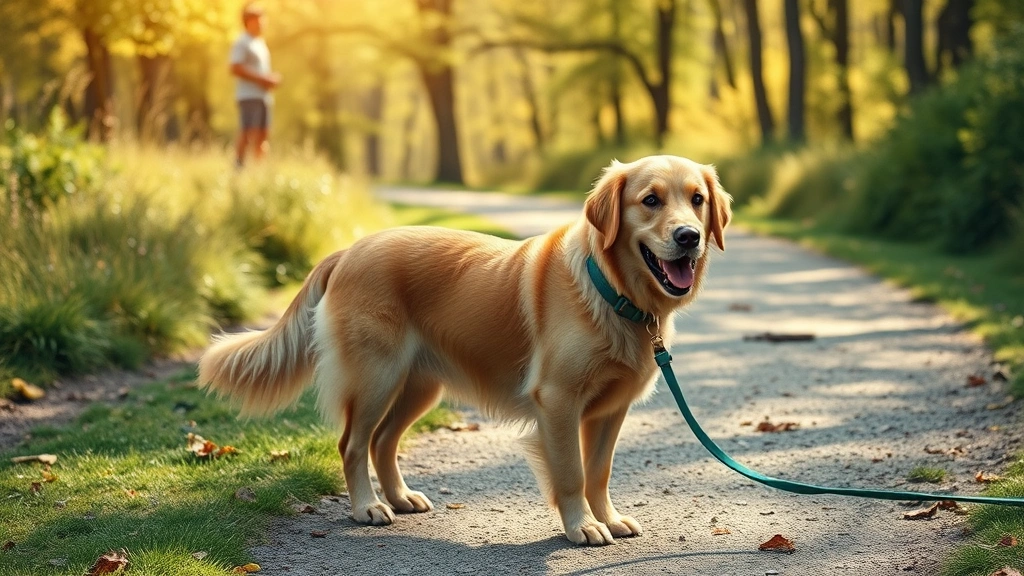
A slip leash for dogs is basically the Swiss Army knife of dog walking gear—simple, effective, and honestly, way more versatile than most pet owners realize. If you’ve ever struggled with a traditional leash while your pup decided to turn into a furry rocket ship, you’re about to discover why thousands of trainers and dog walkers swear by this minimalist marvel.
Table of Contents
- What Exactly Is a Slip Leash and Why Should You Care?
- Why Dog Trainers Love Slip Leashes More Than Peanut Butter
- Slip Leash vs. Regular Leash: The Showdown
- The 5 Best Slip Leashes on the Market Today
- How to Properly Fit a Slip Leash (Because Doing It Wrong Is Awkward)
- Training Tips: Making Your Slip Leash Work Like Magic
- Safety Considerations: Because Your Dog’s Safety Matters More Than Looking Cool
- Common Mistakes People Make (And How to Avoid Them)
- Why Professional Dog Walkers and Trainers Swear By Them
- Maintenance and Care: Keeping Your Slip Leash in Top Shape
- Frequently Asked Questions
- Conclusion: Your Path to Better Dog Walking Starts Here
What Exactly Is a Slip Leash and Why Should You Care?
Let’s break this down: a slip leash is a single length of rope or webbing with a loop at one end that creates an adjustable collar when you slip it over your dog’s head. No buckles, no clips, no complicated hardware—just pure, straightforward control. Think of it as the minimalist’s dream and the escape artist’s nightmare (in the best way possible).
The beauty of a slip leash lies in its simplicity. When your dog pulls, the loop gently tightens around their neck, providing immediate feedback without the harshness of a choke chain. It’s humane, effective, and honestly, it makes you look like you know what you’re doing at the dog park—even if you’re secretly just trying to keep your pup from eating someone’s sandwich.
Why Dog Trainers Love Slip Leashes More Than Peanut Butter
Professional trainers aren’t obsessed with slip leashes because they’re trendy. They love them because they work. A properly fitted slip leash gives you instant communication with your dog. When your pup makes a move toward that suspicious puddle or decides to investigate a potentially sketchy squirrel, you have immediate control without needing to fumble with multiple attachment points.
Unlike traditional leashes, slip leashes offer what trainers call “directional feedback.” Your dog feels the gentle pressure and naturally adjusts their behavior. It’s not about punishment—it’s about clear, consistent communication. Plus, they’re incredibly lightweight, making them perfect for long walks, hiking adventures, or those days when you need to travel light.
For kinds of Pitbull dogs and other strong breeds that require firm but fair handling, a slip leash provides the control you need without the intimidation factor of heavier equipment.
Slip Leash vs. Regular Leash: The Showdown
Here’s where things get interesting. A regular leash is like showing up to a knife fight with a spoon—it works, but it’s not ideal. Regular leashes clip to a collar or harness, which means your control point is fixed. Slip leashes, on the other hand, are adaptable. You can adjust the loop size, move it higher or lower on the neck, and instantly increase or decrease pressure based on your dog’s behavior.
Regular leashes also have that annoying tendency to get tangled, caught, or just generally in the way. Slip leashes? They’re basically one long cord. No tangles, no drama, just you and your dog and a straightforward line of communication. If you’ve got long-haired dogs, you’ll appreciate how a slip leash doesn’t get caught in their gorgeous coat the way traditional leashes sometimes do.
The 5 Best Slip Leashes on the Market Today
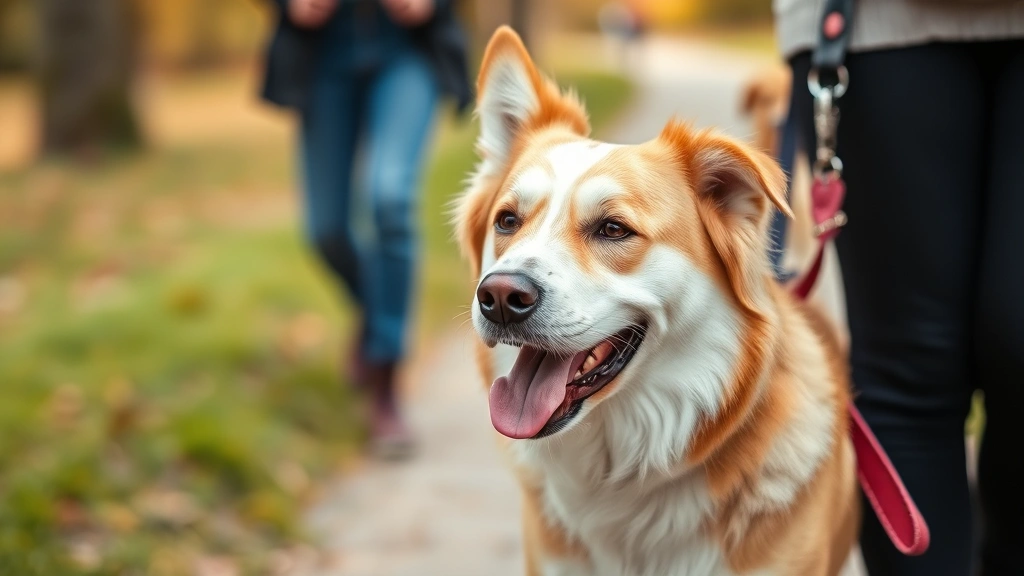
Not all slip leashes are created equal. Some are made from materials that feel like you’re holding barbed wire, while others are soft enough to make your hand feel like it’s being gently hugged by a cloud. Here are five solid options that actually deliver on their promises:
1. Mendota Products Slip Leash – This is the gold standard. Made from quality nylon that won’t give you rope burn or disappoint you when your 80-pound retriever decides to bolt. The construction is solid, and it comes in various colors so you can match your dog’s personality (or your own fashion sense).
2. West Paw Zephyr Slip Leash – If you care about the environment, this one’s for you. Made from recycled materials without sacrificing quality, it’s tough, comfortable, and you can feel good about your purchase while your dog feels good about their walk.
3. Leather Slip Leash – For the classicist. Leather slip leashes age beautifully, feel amazing in your hand, and have that timeless appeal. They’re pricier, but they last forever if you take care of them. Perfect if you’ve got low energy dog breeds that you’re taking on leisurely strolls rather than intense training sessions.
4. Biothane Slip Leash – This synthetic material is waterproof, durable, and easy to clean. If your dog is basically a mud magnet or loves swimming, this is your answer. No mold, no mildew, just pure functionality.
5. Rope Slip Leash – The budget-friendly option that doesn’t skimp on quality. Some dogs respond better to the texture of rope, and honestly, they’re versatile enough to use for training, walking, or even securing your boat at the dock (not that we’re recommending that).
How to Properly Fit a Slip Leash (Because Doing It Wrong Is Awkward)
The most common mistake people make is fitting a slip leash too loose. If it’s hanging around your dog’s neck like a loose necklace, you’ve defeated the entire purpose. The loop should sit high on the neck, just behind the ears and jawline. When properly fitted, it should create a gentle circle that tightens when your dog pulls but doesn’t choke them.
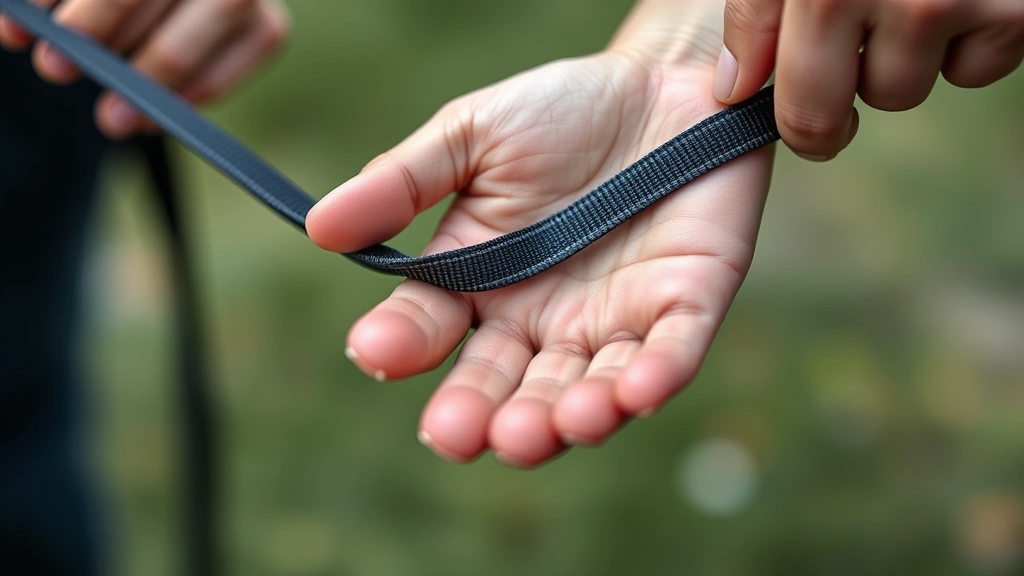
Here’s the pro move: when you slip it over your dog’s head, the loop should be snug enough that you can’t easily slide your finger underneath it, but loose enough that your dog can breathe normally and swallow without effort. It’s that sweet spot between secure and comfortable—kind of like Goldilocks, but for dog equipment.
For LGD dog breeds and other large guardian dogs, you might need a longer slip leash to accommodate their bigger heads and necks, but the fitting principle remains the same.
Training Tips: Making Your Slip Leash Work Like Magic
Here’s the thing about slip leashes—they’re only as effective as the person holding them. Jerking your dog around is not the move. Instead, use subtle pressure and immediate release. When your dog pulls, you gently increase tension. The moment they stop pulling or move in the right direction, you release that tension. It’s positive reinforcement wrapped in a minimalist package.
The best part? Your dog learns quickly. They figure out that pulling = pressure, and stopping pulling = relief. It’s not punishment; it’s cause and effect. Most dogs catch on within a few walks, and suddenly, you’ve got a pup that walks like they’re on a invisible leash (even though they’re not).
Practice loose-leash walking in a quiet area first. Let your dog get used to the feel of the slip leash before you take them to the chaotic dog park or busy street. Patience now equals a well-trained walking companion later.
Safety Considerations: Because Your Dog’s Safety Matters More Than Looking Cool
Let’s be real—slip leashes aren’t for every dog or every situation. Dogs with respiratory issues, neck problems, or anxiety might not be ideal candidates. If your vet has concerns about your dog’s neck or breathing, skip the slip leash and opt for a harness instead.
Also, never leave a slip leash on your dog unsupervised. Unlike a regular collar, it can accidentally tighten if your dog gets caught on something. When you’re done with your walk, slip it right off. It takes two seconds, and it prevents potential accidents.
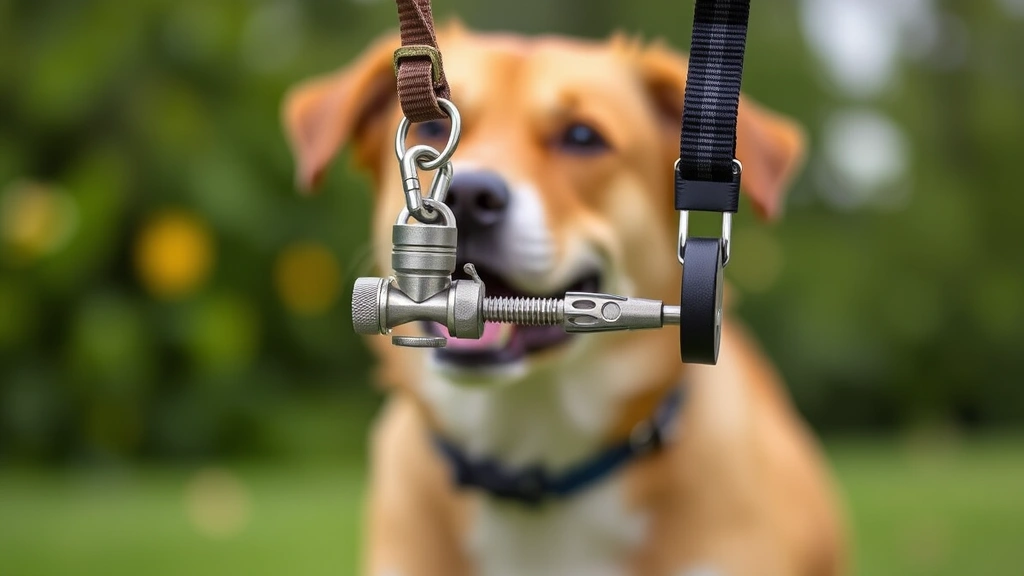
Always check the material regularly for wear and tear. A frayed slip leash is a liability. If you notice any damage, replace it. Your dog’s safety is worth the cost of a new leash.
Common Mistakes People Make (And How to Avoid Them)
Mistake #1: Using it as a training tool without understanding the feedback mechanism. A slip leash isn’t a punishment device—it’s a communication tool. If you’re yanking your dog around, you’re doing it wrong.
Mistake #2: Leaving it on your dog all day. Slip leashes are for walks and training sessions, not permanent wear. Remove it when you’re home.
Mistake #3: Buying a cheap one that falls apart after three walks. Invest in quality. Your dog and your sanity will thank you.
Mistake #4: Not adjusting the fit as your dog grows. Puppies grow fast. Check the fit regularly and adjust accordingly.
Why Professional Dog Walkers and Trainers Swear By Them
According to the American Kennel Club (AKC), proper leash control is fundamental to dog training and safety. Professional trainers consistently choose slip leashes because they provide clear, immediate feedback that dogs understand intuitively. It’s not about dominance or harsh corrections—it’s about clear communication.
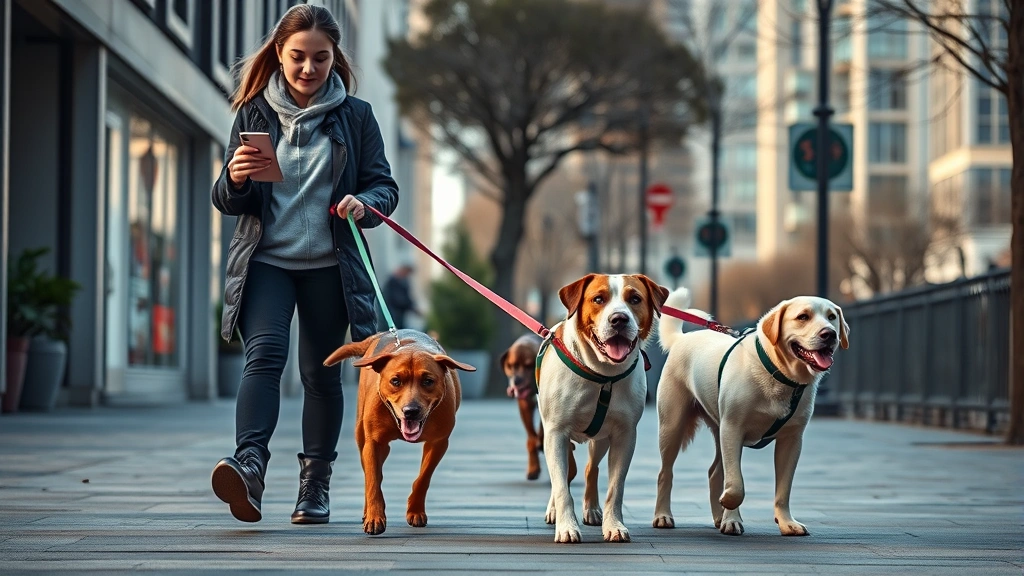
Dog walkers appreciate slip leashes because they can manage multiple dogs simultaneously. With a slip leash in each hand, you’ve got full control of your pack without fumbling with multiple clips and attachments. It’s efficiency meets effectiveness.
PetMD also notes that proper leash training is one of the most important skills your dog can learn, and the right equipment makes that training significantly easier. A slip leash is often recommended by veterinary behaviorists as a training tool because of its effectiveness and safety profile when used correctly.
Maintenance and Care: Keeping Your Slip Leash in Top Shape
Different materials require different care. Nylon slip leashes can be hand-washed with mild soap and water, then air-dried. Leather slip leashes benefit from occasional conditioning with leather balm to keep them supple. Rope slip leashes should be allowed to dry completely after getting wet to prevent mold.
Store your slip leash in a dry place away from direct sunlight. UV exposure can degrade the material over time. If you’re using it daily, inspect it weekly for signs of wear. A little maintenance now prevents a broken leash during a critical moment.
Frequently Asked Questions
Are slip leashes cruel or harmful to dogs?
No, when used correctly, slip leashes are humane and effective. They provide gentle feedback rather than harsh corrections. The key is understanding how to use them properly—subtle pressure and immediate release, not jerking or yanking. Many veterinary behaviorists recommend them as training tools.
What size slip leash do I need for my dog?
Most slip leashes come in standard sizes that work for dogs of various sizes. The important factor is the loop adjustment—it should fit snugly around your dog’s neck behind the ears without being too tight. If you have a toy breed or giant breed, look for leashes specifically sized for those categories.
Can I use a slip leash for dogs with anxiety?
It depends on the individual dog. Some anxious dogs actually respond well to the clear communication a slip leash provides. However, if your dog has severe anxiety or fear-based reactivity, consult with your veterinarian or a certified dog trainer before using one. A harness might be a better option for some anxious dogs.
How do I know if my slip leash is fitted correctly?
The loop should sit high on your dog’s neck, just behind the ears and jawline. You should be able to fit one finger under the loop when it’s adjusted. Your dog should breathe normally and move comfortably. If you’re unsure, ask a professional dog trainer to check the fit.
Are slip leashes better than harnesses?
They’re different tools for different purposes. Slip leashes offer more directional feedback and are excellent for training and walking. Harnesses are better for dogs with neck issues, respiratory problems, or severe pulling. Many trainers use both depending on the situation.
Can puppies use slip leashes?
Yes, but make sure you get the right size for your puppy’s current neck size and plan to adjust or replace it as they grow. Start with gentle introduction and positive associations. Never use a slip leash as a tool for harsh corrections with puppies—keep everything positive and encouraging.
Conclusion: Your Path to Better Dog Walking Starts Here
A slip leash for dogs is one of those simple tools that can genuinely transform your walking experience. It’s not a magic wand that instantly creates the perfect dog, but it’s a straightforward, effective piece of equipment that professional trainers and walkers have relied on for decades.
Whether you choose a premium Mendota leash, an eco-friendly West Paw option, or a classic leather design, the key is understanding how to use it properly. Slip leashes are about communication, not correction. They’re about giving your dog clear feedback about their behavior in a humane, effective way.
Start with proper fitting, use consistent, gentle pressure with immediate release, and be patient. Your dog will learn quickly, and you’ll both enjoy your walks more. Plus, you’ll finally understand why that professional dog walker at the park always looks so calm and in control. They’re not superhuman—they just know the secret that slip leashes provide.





