
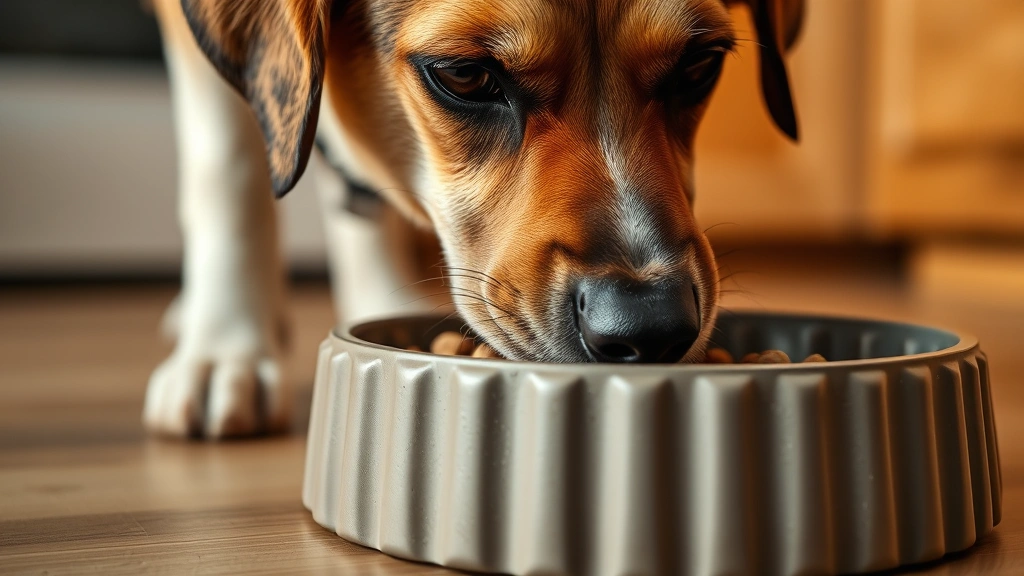
If your dog inhales their kibble like they’re competing in a competitive eating sport, slow feeder bowls might be the game-changer your pup (and your wallet) desperately needs. We’ve all been there—you turn your back for two seconds, and somehow your furry friend has demolished an entire meal and is now making those delightful retching sounds that send you into panic mode.
Table of Contents
- Why Your Dog Eats Like They’re Starving (They’re Not)
- The Health Risks of Fast Eating in Dogs
- What Makes a Good Slow Feeder Bowl?
- Best Option #1: Puzzle-Style Slow Feeder Bowls
- Best Option #2: Ridge-Based Slow Feeder Bowls
- Best Option #3: Stainless Steel Slow Feeder Bowls
- Best Option #4: Elevated Slow Feeder Bowls
- Best Option #5: Lick Mat and Slow Feeder Combinations
- How to Introduce Your Dog to a Slow Feeder Bowl
- Maintenance and Cleaning Tips
- Frequently Asked Questions
- Final Thoughts: Slow Down and Enjoy Mealtime
Fast eating isn’t just annoying; it’s genuinely dangerous. Gulping down food too quickly can lead to bloat, indigestion, vomiting, and choking hazards. That’s where slow feeder bowls come in—they’re basically the bouncers of the food world, making sure your dog actually enjoys their meal instead of treating it like an all-you-can-eat buffet that’s closing in thirty seconds.
Why Your Dog Eats Like They’re Starving (They’re Not)
Before we dive into the best slow feeder bowl options, let’s talk about why dogs eat so fast in the first place. It’s not always because they’re greedy (though, let’s be honest, some are). Dogs are pack animals with ancestral instincts to eat quickly before their littermates steal their food. Even if your pup is an only child living in a mansion, those primal urges are still lurking in their DNA.
Additionally, some dogs have medical conditions or anxiety that trigger speed-eating behavior. If your dog’s rapid eating is a recent development, it’s worth chatting with your vet. Check out our Pet Symptom Checker Online if you’re concerned about underlying issues.
The Health Risks of Fast Eating in Dogs
Bloat (gastric dilatation-volvulus) is the big scary one. It happens when a dog eats too quickly and swallows excess air, causing their stomach to expand dangerously. In severe cases, it can be life-threatening and requires emergency surgery. Vomiting, regurgitation, and indigestion are more common side effects, but they’re still uncomfortable for your pup.
Beyond the stomach drama, fast eating can also lead to choking, especially in breeds with shorter snouts. Your dog might not even chew their food—they’re just creating a kibble paste going straight down the hatch. Using slow feeder bowls helps break this habit and promotes healthier digestion.
What Makes a Good Slow Feeder Bowl?
Not all slow feeder bowls are created equal. The best ones have several key features: raised ridges or obstacles that force your dog to work around them, non-slip bases so the bowl doesn’t become a hockey puck, and durable materials that can withstand aggressive chewers. You’ll also want something easy to clean because, let’s face it, dog food gets gross.
The bowl should be appropriately sized for your dog. A tiny Chihuahua doesn’t need the same bowl as a Great Dane. And honestly, some dogs are stubborn and will just knock the bowl around until they’ve figured out the puzzle. That’s where patience and the right product selection come in.
Best Option #1: Puzzle-Style Slow Feeder Bowls
These are the Rubik’s Cubes of the dog food world. Puzzle-style slow feeders have multiple compartments and obstacles that require your dog to use their brain while they eat. Your pup has to nudge the bowl, manipulate pieces, and generally work for their dinner.
The upside? They’re mentally stimulating and genuinely slow down eating. The downside? They can be annoying to fill and clean, and some dogs get frustrated if they can’t figure out the puzzle quickly. They’re ideal for intelligent, food-motivated dogs who need mental enrichment. Brands like Nina Ottosson make excellent puzzle feeders that are durable and effective.
Best Option #2: Ridge-Based Slow Feeder Bowls
These are the minimalist approach to slowing down your dog’s eating. Instead of a complex puzzle, they feature simple raised ridges or bumps on the bottom of the bowl that force your dog to eat around them. It’s elegant, simple, and surprisingly effective.
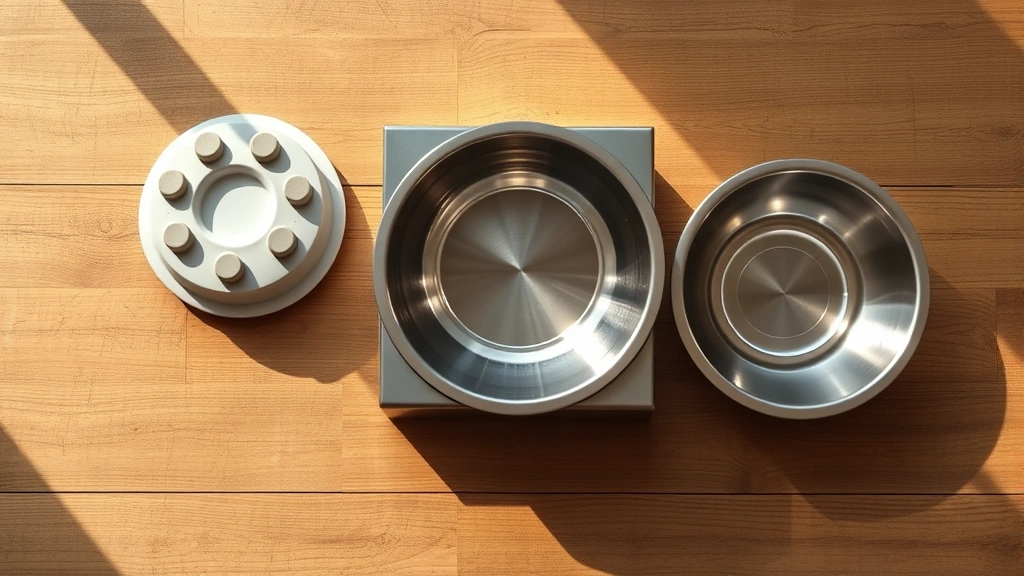
Ridge-based bowls are easier to clean than puzzle feeders and work well for most dogs. They’re also more affordable, which is great if you’re looking for budget-friendly options. Check out our Budget Friendly Pet Supplements guide for other cost-effective pet care solutions. The main limitation is that some determined speed-eaters can still find ways around the ridges if they’re determined enough.
Best Option #3: Stainless Steel Slow Feeder Bowls
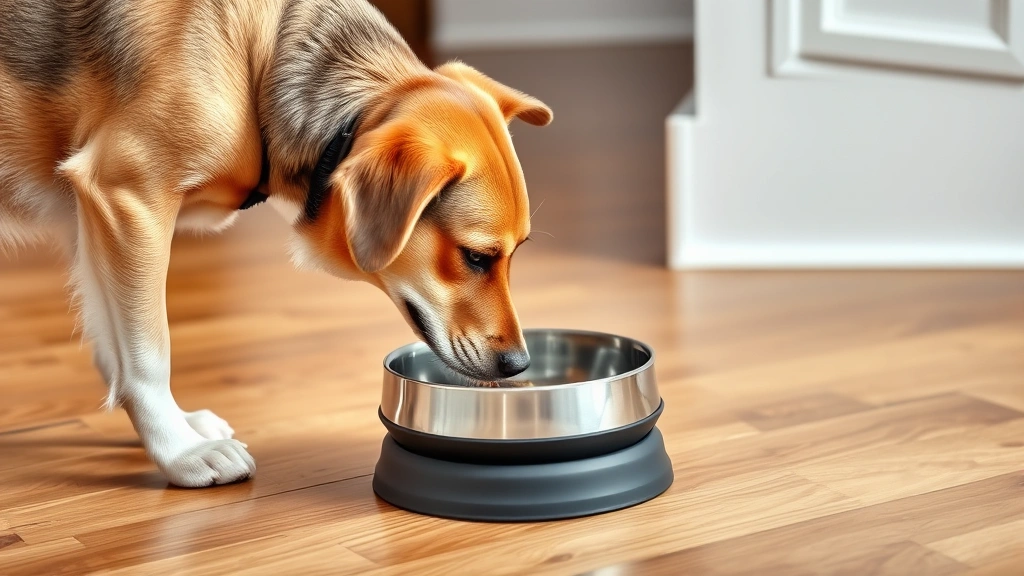
If durability is your priority, stainless steel slow feeder bowls are your answer. They’re virtually indestructible, don’t harbor bacteria like plastic can, and they look sleek in your kitchen. Many come with non-slip rubber bases to prevent sliding.
Stainless steel options are typically more expensive than plastic, but they last forever. They’re also heavier, which is actually a benefit because they won’t slide around when your dog eats. The main downside? They can be loud when your dog eats, and some pups don’t like the metallic feel. But if you have an aggressive chewer or multiple dogs competing for food, stainless steel is the way to go.
Best Option #4: Elevated Slow Feeder Bowls
Elevation isn’t just about making your dog feel fancy (though it does). Raised slow feeder bowls reduce strain on your dog’s neck and spine while eating, which is especially beneficial for older dogs or breeds prone to joint issues. They also naturally slow down eating because gravity doesn’t help as much.
These typically feature the ridge design we mentioned earlier but on a pedestal stand. They’re more expensive and take up more space, but if your dog has arthritis or back problems, they’re worth the investment. Your vet might even recommend them as part of your At Home Pet Treatments routine.
Best Option #5: Lick Mat and Slow Feeder Combinations
Some of the newest slow feeder options combine traditional bowl designs with lick mat technology. These have ridges and obstacles plus textured surfaces that encourage licking rather than gulping. It’s like giving your dog a therapeutic massage while they eat.
These are excellent for anxious dogs because licking is calming. They’re also great for portion control and can extend mealtime significantly. The downside is they require more cleaning and might not work well for dogs with sensitive gums or dental issues.
How to Introduce Your Dog to a Slow Feeder Bowl
Don’t just swap out their regular bowl and expect them to be thrilled. Some dogs need an adjustment period. Start by mixing their regular food with the slow feeder bowl for a few days. Let them explore it without food first. Make it a positive experience with treats and praise.
If your dog gets frustrated, you might need to go with a simpler design. Every dog is different, and what works for your neighbor’s Golden Retriever might drive your stubborn Bulldog absolutely bonkers. Patience is key, and sometimes you need to try a few options before finding the perfect fit.
Maintenance and Cleaning Tips
Most slow feeder bowls are dishwasher safe, but check the manufacturer’s instructions. Hand washing is safer for puzzle feeders with lots of crevices. Clean them daily to prevent bacterial growth and food buildup that can cause odors and health issues.
For really stubborn food residue, soak the bowl in warm water with a bit of vinegar for 15 minutes. Stainless steel bowls are the easiest to maintain, while plastic puzzle feeders require more attention. Check out our Pet First Aid Guidance for tips on preventing food-related emergencies.
Frequently Asked Questions
Are slow feeder bowls safe for all dogs?
Yes, slow feeder bowls are safe for most dogs. However, if your dog has dental problems, mouth injuries, or certain medical conditions, consult your vet first. Puppies and senior dogs might need simpler designs without too many obstacles.
How much do slow feeder bowls cost?
Prices range from $15-$60 depending on the type and brand. Ridge-based plastic bowls are the cheapest, while elevated stainless steel options are pricier. Puzzle feeders fall somewhere in the middle.
Will my dog get frustrated with a slow feeder bowl?
Some dogs might initially, but most adjust within a few days. If your dog seems excessively frustrated after a week, try a simpler design. You can also make mealtime more positive by praising them while they eat from the slow feeder.
Can slow feeder bowls help with weight loss?
Absolutely. By slowing down eating and increasing meal duration, your dog feels fuller longer, which can help with portion control and weight management. Combined with proper exercise and diet, slow feeder bowls are a great weight loss tool.
Do slow feeder bowls really prevent bloat?
They significantly reduce the risk by preventing your dog from swallowing excess air while eating rapidly. However, bloat has multiple causes, and genetics play a role. Always consult your vet about bloat prevention strategies.
Final Thoughts: Slow Down and Enjoy Mealtime
Choosing the right slow feeder bowl for your dog is an investment in their health and happiness. Whether you go with a simple ridge design, an advanced puzzle feeder, or an elevated stainless steel option, you’re taking a proactive step to prevent digestive issues and choking hazards.
The best slow feeder bowl is the one your dog will actually use without getting frustrated. Start simple, observe your pup’s eating habits, and adjust as needed. Your dog might never thank you for it (they’re dogs, after all), but their digestive system definitely will. Happy eating!





