
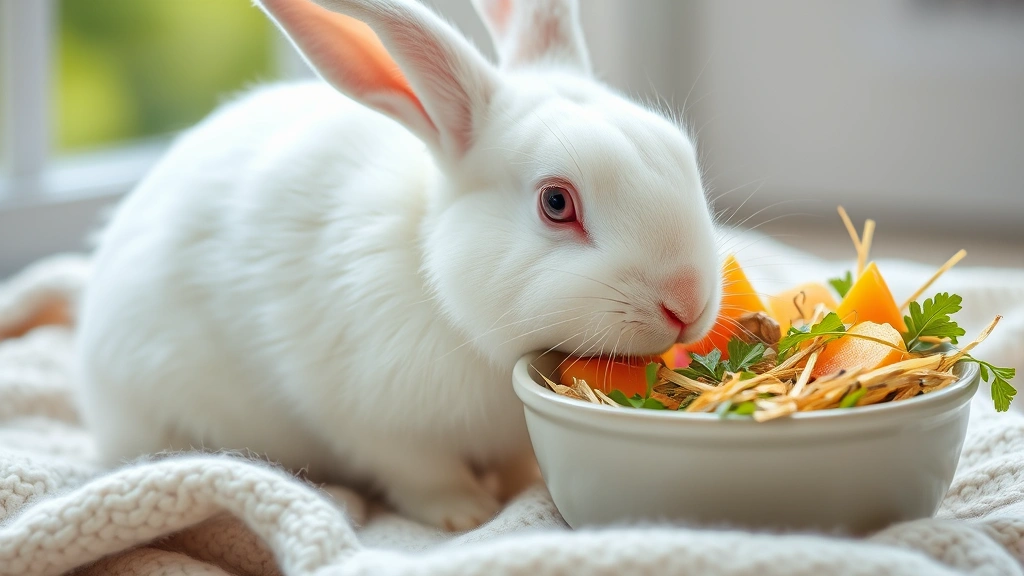
If you’re serious about keeping your small animal companion healthy, small animal probiotics deserve a spot in your pet care arsenal. These beneficial bacteria are like tiny health guardians working overtime in your furry friend’s gut, and honestly, they’re way more important than most pet parents realize.
Table of Contents
- What Are Small Animal Probiotics and Why Do They Matter?
- The Best Small Animal Probiotics: Our Top 5 Picks
- When Your Small Animal Needs Probiotic Support
- How to Choose the Right Probiotic for Your Pet
- Dosing and Administration Tips
- Combining Probiotics with Other Supplements
- Signs Your Small Animal’s Probiotics Are Working
- Common Mistakes People Make with Small Animal Probiotics
- Frequently Asked Questions
- Final Thoughts: Investing in Gut Health
What Are Small Animal Probiotics and Why Do They Matter?
Small animal probiotics are live microorganisms—primarily beneficial bacteria and yeasts—that support digestive health and immune function in rabbits, guinea pigs, hamsters, and other pocket pets. Think of them as the bouncers at a nightclub, keeping the bad bacteria from causing trouble while letting the good guys run the show.
Your small animal’s gut is basically a microscopic ecosystem. When this ecosystem gets out of balance (a condition called dysbiosis), all sorts of problems crop up: diarrhea, constipation, bloating, and a weakened immune system that makes your pet susceptible to illness. Probiotics for small animals help restore that crucial balance, supporting both digestive and immune health.
The Best Small Animal Probiotics: Our Top 5 Picks
Let’s cut through the marketing noise and talk about the probiotics that actually work for your pocket pets.
1. Benebac Plus Gel (Rabbit & Rodent Formula)
Benebac Plus is like the gold standard in small animal digestive support. This gel contains multiple beneficial bacteria strains specifically formulated for rabbits, guinea pigs, and other rodents. The gel format makes administration easy—just rub it on their paws or mix it with their food. Pet owners consistently report improved digestion and better overall vitality within days of starting this multi-strain probiotic formula.
2. Oxbow Digestive Support (Guinea Pig & Rabbit Blend)
Oxbow is a trusted name in small animal nutrition, and their digestive support supplement lives up to the reputation. This powder formula blends probiotics with prebiotics—essentially feeding the good bacteria so they thrive. It’s particularly effective for guinea pigs recovering from antibiotic treatment or experiencing stress-related digestive issues.
3. Kaytee Fiesta Yogurt Drops (Multi-Species)
If your small animal is a picky eater, these yogurt drops might be your saving grace. They’re freeze-dried yogurt containing live cultures, making them both a treat and a probiotic supplement. Hamsters, gerbils, and dwarf rabbits go absolutely crazy for them, which means you won’t struggle with administration.
4. Proviable-DC Capsules (Universal Formula)
Proviable-DC is a veterinarian-recommended option that works across multiple small animal species. These capsules contain seven different beneficial bacterial strains plus a prebiotic component. While slightly pricier than other options, the comprehensive bacterial profile makes it worth the investment, especially for animals with chronic digestive issues.
3. Supreme Petfoods Naturals Probiotic Supplement
Supreme’s probiotic blend is specifically designed for rabbits and guinea pigs and comes in an easy-to-administer powder form. It’s particularly effective when combined with high-quality hay and fresh vegetables as part of a holistic digestive health strategy.
When Your Small Animal Needs Probiotic Support
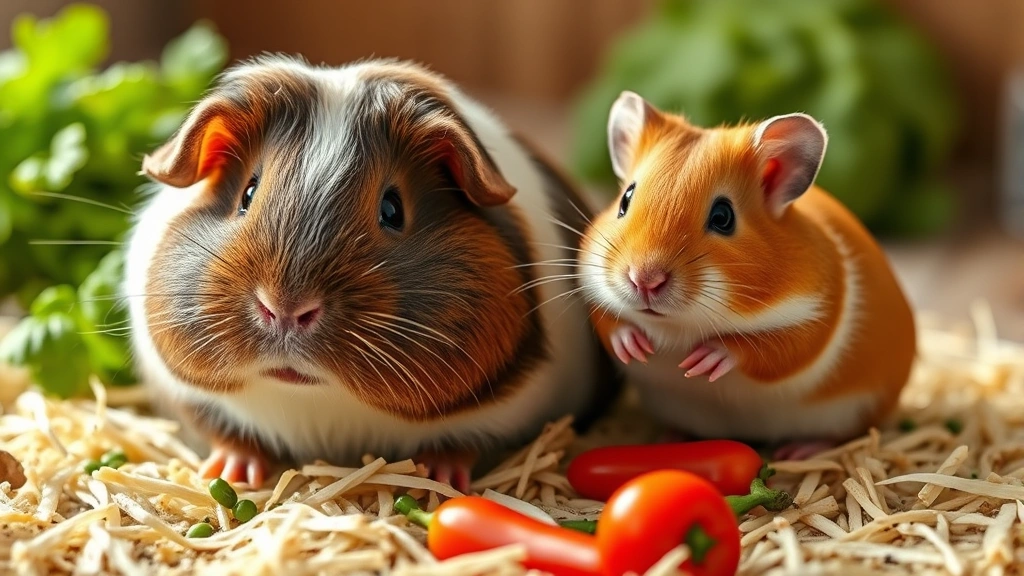
Not every small animal needs probiotics all the time, but certain situations call for them. If your rabbit, guinea pig, or hamster recently finished a course of antibiotics, probiotics are essential—antibiotics kill both bad and good bacteria indiscriminately, leaving the gut completely disrupted. Stress-related digestive issues, dietary changes, and recovery from illness are also prime times to introduce probiotics.
Additionally, if you’ve noticed loose stools, reduced appetite, or lethargy in your small animal, a probiotic supplement might help restore digestive balance. Many veterinarians recommend starting over-the-counter pet supplements like probiotics as a first line of support before pursuing more invasive interventions.
How to Choose the Right Probiotic for Your Pet
The best small animal probiotics share several key characteristics. Look for products with multiple bacterial strains (at least 3-5 different species), a high CFU count (colony-forming units—aim for at least 1 billion), and prebiotics included in the formula. Check that the product is specifically formulated for your animal’s species or at least marked as safe for your particular pet.
Storage matters too. Many probiotics require refrigeration to maintain viability, so check the label and store accordingly. A probiotic that’s been sitting in a warm cabinet for months won’t do much good—those bacteria need to be alive to work.
Dosing and Administration Tips
Follow the manufacturer’s dosing recommendations based on your small animal’s weight and species. Most probiotics for small animals come with dosing guidelines, and you should stick to them rather than freelancing. Some formulas are designed for daily use, while others work best given a few times weekly.
If your pet is resistant to taking supplements, get creative. Mix powders into their favorite treat, hide capsules in a small piece of fruit, or use the gel formula on their paws (they’ll lick it off during grooming). Consistency matters—give probiotics regularly as directed for at least 2-3 weeks before assessing whether they’re helping.
Combining Probiotics with Other Supplements
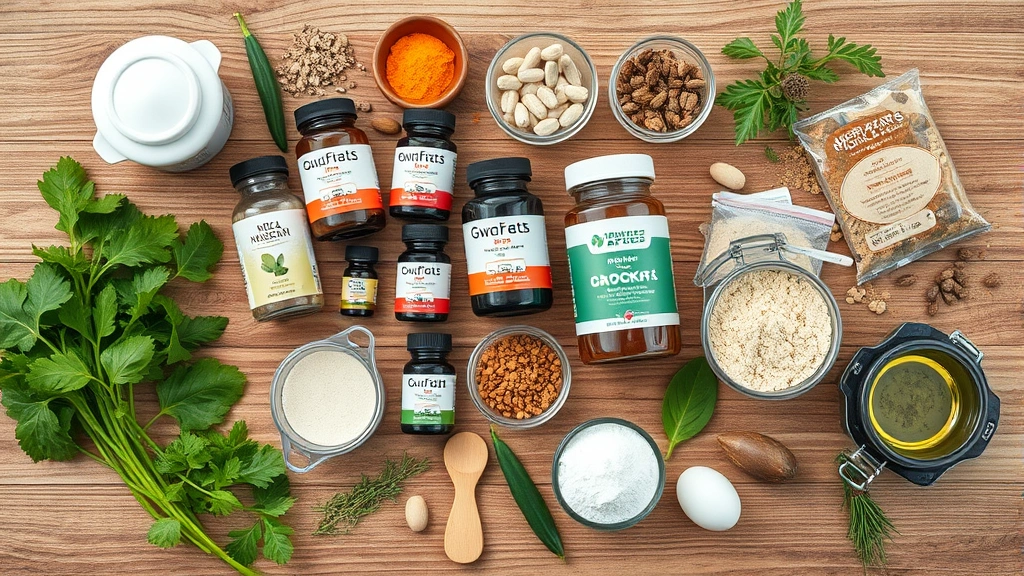
Probiotics work even better when paired with complementary approaches. Consider combining them with pet multivitamins to ensure your small animal gets comprehensive nutritional support. For rabbits and guinea pigs dealing with inflammation, adding anti-inflammatory supplements can enhance recovery. If you want an all-in-one approach, pet supplement combination packs often bundle probiotics with other beneficial compounds at a discounted price.
Signs Your Small Animal’s Probiotics Are Working
Within 3-7 days of starting probiotics, you should notice improvements in stool consistency—firmer, more formed droppings indicate a healthier gut. Your small animal might display increased appetite and energy levels. Their coat should look shinier, and overall behavior should be more active and playful. These positive changes indicate that the beneficial bacteria are colonizing the gut and restoring digestive balance.
Common Mistakes People Make with Small Animal Probiotics
The biggest mistake? Assuming all probiotics are created equal. Cheap, generic formulas often contain dead bacteria or insufficient CFU counts to make a difference. Another common error is giving up too quickly—probiotics need time to work, typically 2-3 weeks minimum.
People also frequently forget that probiotics are a supplement, not a replacement for proper nutrition. Your small animal still needs high-quality hay, appropriate fresh vegetables, and species-specific pellets. Probiotics enhance digestive health but can’t compensate for a poor diet. Finally, don’t assume your small animal needs probiotics indefinitely—many animals benefit from periodic courses rather than continuous supplementation.
Frequently Asked Questions
Are probiotics safe for all small animals?
Yes, quality probiotics are generally safe for rabbits, guinea pigs, hamsters, gerbils, and other small animals when dosed appropriately. However, always consult your exotic vet before starting any supplement, especially if your pet has underlying health conditions or is taking medications.
How long does it take for probiotics to work in small animals?
Most small animals show noticeable improvements within 3-7 days, though full benefits may take 2-3 weeks. Some animals respond faster, while others need longer to reestablish gut balance. Patience and consistency are key.
Can I give my small animal probiotics long-term?
Some probiotics are formulated for daily, long-term use, while others work best given periodically. Check your specific product’s recommendations. Many vets suggest giving probiotics during and after antibiotic courses, then reassessing whether continued supplementation is necessary.
Do probiotics interact with medications?
Generally, probiotics don’t interact negatively with medications, but they shouldn’t be given simultaneously with antibiotics (the antibiotics will kill the beneficial bacteria). Time probiotics at least 2 hours apart from antibiotics. Always inform your vet about all supplements your small animal is taking.
What’s the difference between probiotics and prebiotics?
Probiotics are live beneficial bacteria, while prebiotics are substances that feed those bacteria, helping them thrive. Many quality small animal probiotic supplements include both components for maximum effectiveness.
Final Thoughts: Investing in Gut Health
Small animal probiotics represent one of the smartest investments you can make in your pet’s long-term health. A healthy gut means a healthy immune system, better digestion, more energy, and fewer veterinary emergencies. Whether you’re dealing with a specific digestive issue or simply want to support your small animal’s wellness, choosing a quality probiotic formula tailored to your pet’s species makes all the difference. Start with one of our top picks, give it time to work, and watch your furry friend thrive.





