
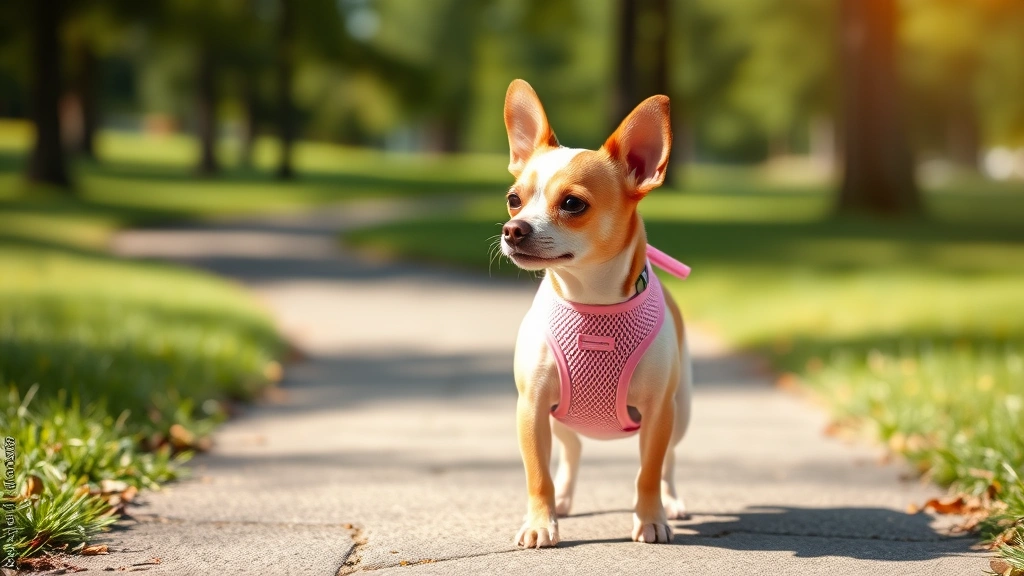
A small dog harness is one of the smartest investments you can make for your tiny furry friend—and honestly, it’s a game-changer compared to those old-school neck collars that make your pup look like they’re auditioning for a Victorian-era drama. If you’ve got a Chihuahua, Pomeranian, Maltese, or any pocket-sized pooch, you know how delicate their little necks are, and a proper harness distributes pressure evenly across their chest and back instead of choking them out like they owe you money.
Table of Contents
- Why Your Small Dog Needs a Harness (Not Just a Collar)
- The Top 5 Small Dog Harnesses We’re Obsessed With
- 1. The Puppia Soft Vest Harness: Comfort Champion
- 2. The Ruffwear Front Range Harness: The Outdoor Adventurer’s Choice
- 3. The Gooby Choke-Free Harness: Budget-Friendly Winner
- 4. The Rabbitgoo Small Dog Harness: The Escape-Proof Wonder
- 5. The Embark Adventure Harness: The All-Around Superstar
- How to Fit a Small Dog Harness Perfectly
- Small Breed Considerations for Harness Selection
- Common Small Dog Harness Problems (And How to Solve Them)
- Maintenance and Care Tips for Your Small Dog Harness
- Training Your Small Dog to Wear a Harness
- Budget vs. Premium: What’s Actually Worth the Money?
- Pairing Your Harness with Other Essentials
- What the Experts Say About Small Dog Harnesses
- Frequently Asked Questions
- Final Thoughts: Your Small Dog Deserves the Best
Why Your Small Dog Needs a Harness (Not Just a Collar)
Let’s be real: tiny dogs have tiny, fragile tracheas. When your 5-pound Yorkie pulls on a collar, you’re literally putting pressure on their windpipe, which can lead to collapsed trachea—a condition that sounds as fun as it is (spoiler: it’s not). A small dog harness wraps around their entire torso, spreading the force of pulling across a much larger area. It’s like the difference between pushing with one finger versus your whole hand.
Beyond the health benefits, harnesses give you way better control during walks. Your tiny escape artist can’t slip out of a properly fitted harness like they can wiggle free from a collar. Plus, let’s face it—harnesses look adorable. Your Instagram followers will thank you.
The Top 5 Small Dog Harnesses We’re Obsessed With
We’ve tested, researched, and obsessed over dozens of options to bring you the cream of the crop. Here are the harnesses that actually deliver on comfort and functionality for your pint-sized pal.
1. The Puppia Soft Vest Harness: Comfort Champion
If your small dog has the sensitivity of a Victorian duchess, the Puppia Soft Vest Harness is your answer. This thing is made from soft mesh material that feels like a cloud against your pup’s fur. It’s adjustable at three points (neck, chest, and back), so you can get a fit that’s snug without being restrictive. The back clip design is perfect for dogs that pull, as it naturally redirects their momentum. Plus, it comes in about 47 different colors and patterns, so your fashion-forward Maltese can coordinate with your outfit.
The best part? It’s machine washable. When your dog inevitably rolls in something disgusting at the park, you just toss it in the wash and you’re good to go.
2. The Ruffwear Front Range Harness: The Outdoor Adventurer’s Choice
For those of us with small dogs who think they’re mountain goats, the Ruffwear Front Range Harness is built tough. This harness is designed for active pups and features dual attachment points (front and back) so you can choose how to manage your dog’s pulling. The padding is generous, and the construction is so solid it could probably survive a small apocalypse. It’s ideal for hiking, training, or just looking incredibly cool at the dog park.
Fair warning: it’s pricier than some options, but the durability means you’ll get years out of it. That’s money well spent if you’ve got a little adventurer.
3. The Gooby Choke-Free Harness: Budget-Friendly Winner
Don’t let the low price fool you—the Gooby Choke-Free Harness punches way above its weight. It’s specifically designed for small dogs and features a unique design that prevents choking and pulling. The soft material won’t irritate your dog’s skin, and the step-in design makes putting it on a breeze (which matters when your dog is being difficult at 6 AM). Available in multiple colors and sizes, this harness is perfect for the budget-conscious pet parent who refuses to compromise on quality.
4. The Rabbitgoo Small Dog Harness: The Escape-Proof Wonder
Got a Houdini on your hands? The Rabbitgoo Small Dog Harness has a reputation for being virtually escape-proof, with a secure buckle system that even the most determined tiny escape artist can’t wiggle out of. The vest-style design distributes weight evenly, and it’s surprisingly comfortable for all-day wear. It’s also reflective, so your pup is visible during evening walks—a feature that’s clutch if you’re a night owl dog walker.
5. The Embark Adventure Harness: The All-Around Superstar
If you can’t decide between comfort and functionality, the Embark Adventure Harness does both. It’s got a sleek design that looks professional, fits snugly without being restrictive, and comes with a leash attachment point on both the front and back. The padding is substantial, the material is durable, and it’s machine washable. It’s the harness equivalent of a Swiss Army knife—it just works for everything.
How to Fit a Small Dog Harness Perfectly
A harness that doesn’t fit right is basically useless (and potentially dangerous). Here’s how to nail the fit:
Measure Your Dog: Use a soft measuring tape to measure around your dog’s chest at the widest point, just behind their front legs. Most harnesses come with sizing charts—use them.
The Two-Finger Rule: When your harness is fastened, you should be able to fit two fingers between the harness and your dog’s body. Not one, not three—two. This ensures it’s snug enough that they can’t escape but loose enough that they can breathe and move comfortably.
Check the Straps: Make sure no straps are rubbing on their armpits or causing irritation. Some dogs have sensitive skin, and you don’t want to deal with chafing.
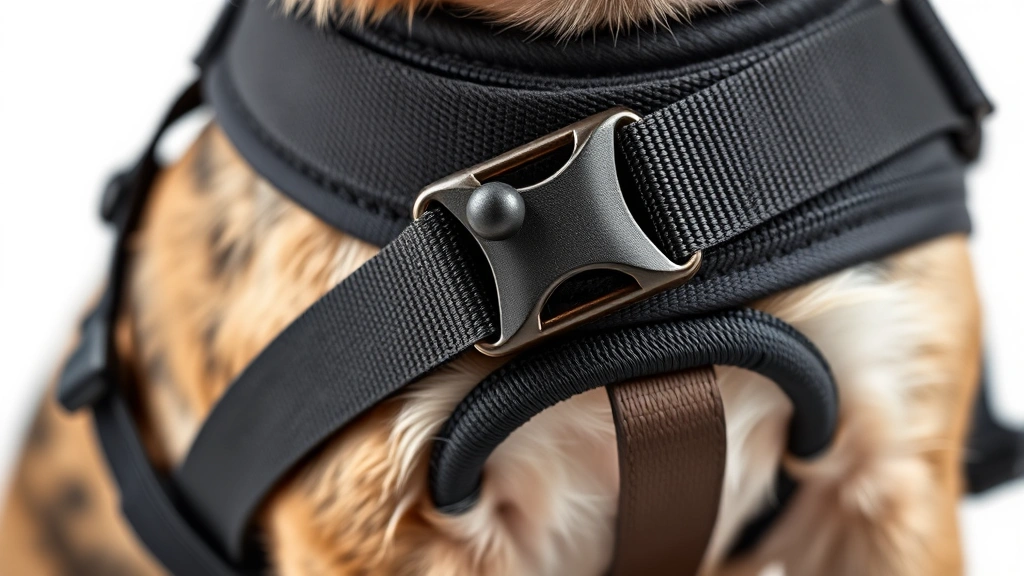
Do the Wiggle Test: Try to gently pull the harness up over your dog’s head. If it comes off easily, it’s too loose. If it’s a wrestling match, it’s too tight.
Small Breed Considerations for Harness Selection
Not all small dogs are created equal. A Chihuahua’s needs differ from a Beagle’s, and here’s what to keep in mind based on breed characteristics. If you’ve got a low energy dog breed, you might prioritize comfort over support. But if your small pup is more active, look for harnesses with better weight distribution and durability.
Some small dogs are prone to joint issues as they age, so a harness that provides good support is essential. Consider checking out joint supplements for dogs if your older pup needs extra support during walks.
Common Small Dog Harness Problems (And How to Solve Them)
Problem: Harness Rubbing and Chafing – Solution: Look for harnesses with padded straps and soft materials. If chafing occurs, apply a thin layer of coconut oil to the irritated area and consider sizing up or switching brands.
Problem: Dog Escaping the Harness – Solution: Make sure you’re using the two-finger rule and that all buckles are properly secured. Some dogs are Houdini-level escape artists, so you might need a harness with a more secure buckle system like the Rabbitgoo.
Problem: Difficulty Putting It On – Solution: Practice makes perfect. Get your dog used to the harness by putting it on for short periods without the leash attached first. Treat-based positive reinforcement works wonders here.
Problem: Harness Too Bulky for Small Dogs – Solution: Opt for vest-style harnesses that are specifically designed for small dogs. The Puppia and Gooby options are particularly sleek.
Maintenance and Care Tips for Your Small Dog Harness
A well-maintained harness lasts longer and stays cleaner (obviously). Most harnesses are machine washable, but check the manufacturer’s instructions first. Use cold water and gentle cycle, and air dry completely before using again. If your harness has metal buckles or D-rings, wipe them down occasionally to prevent rust.
Store your harness in a dry place away from direct sunlight, which can fade colors and degrade materials over time. If your dog is prone to accidents or if you want to keep things hygienic, male dog diapers can be a helpful companion product.
Training Your Small Dog to Wear a Harness
Some dogs take to harnesses like they’re designer fashion accessories. Others act like you’re trying to put them in a straightjacket. Here’s how to make the transition smooth:
Start Slow: Let your dog sniff and investigate the harness before putting it on. Make it seem like a positive thing by associating it with treats and praise.
Short Sessions: Put the harness on for just a few minutes at a time initially, while you’re at home. Gradually increase the duration.
Positive Reinforcement: Every time the harness goes on, treat your dog like they just won an Olympic medal. They’ll start to love it.
Practice Indoors First: Get your dog used to wearing the harness inside before taking them on walks. Let them move around freely so they get comfortable with the feel.
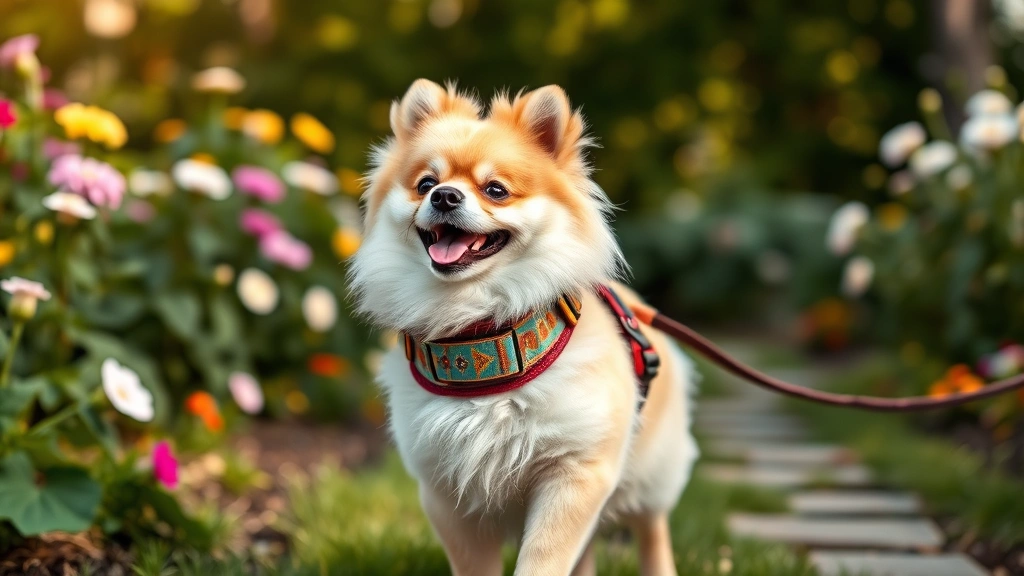
Patience is Key: Some dogs adjust in days, others take weeks. Don’t force it. Your dog will eventually realize the harness means good things (walks, adventures, possibly that Lambchop dog toy they’ve been eyeing).
Budget vs. Premium: What’s Actually Worth the Money?
You don’t need to spend $100+ on a harness for your small dog unless you’re planning serious hiking expeditions. The sweet spot is usually $25-$50. At this price point, you get quality materials, thoughtful design, and durability without paying for fancy branding.
That said, if your small dog is prone to pulling or has a history of escaping, investing in a premium option like the Ruffwear might save you the heartbreak (and vet bills) of a lost pup. Think of it as insurance.
Pairing Your Harness with Other Essentials
A harness is just one piece of the puzzle. To really maximize your small dog’s comfort and safety, consider pairing it with other essentials. If your pup gets bored on walks, lick mat for dogs can keep them entertained at home. And if you’ve got a lazy little buddy, our guide to lazy dog breeds has tons of tips for making the most of their couch time.
What the Experts Say About Small Dog Harnesses
According to the American Kennel Club, harnesses are recommended over collars for small breeds, particularly those prone to tracheal issues. PetMD echoes this sentiment, noting that harnesses provide better control and reduce the risk of injury. Research from veterinary institutions consistently shows that harness-wearing dogs have fewer neck and throat injuries than collar-wearing dogs.
Frequently Asked Questions
What size harness does my small dog need?
Measure your dog’s chest at the widest point behind their front legs and consult the manufacturer’s sizing chart. Most small dogs wear XS or S sizes, but every brand is different. When in doubt, go with the smaller size—you can usually adjust it out a bit, but you can’t make it smaller if it’s too large.
Can I leave a harness on my dog all day?
While harnesses are safer than collars, it’s not ideal to leave one on 24/7. Harnesses can cause chafing and restrict movement if worn constantly. Use it for walks and outings, but give your pup harness-free time at home to move freely and let their skin breathe.
Is a harness better than a collar for small dogs?
Absolutely. For small dogs, harnesses are superior because they distribute pressure across a larger area, reducing strain on the delicate trachea. They also provide better control and are harder to escape from. Collars should really only be used for ID tags.
How often should I replace my dog’s harness?
If you maintain it properly, a quality harness can last 2-3 years or longer. Replace it sooner if you notice significant wear, tears, or if the fit becomes compromised as your dog grows or gains/loses weight.
Are no-pull harnesses good for small dogs?
Yes, no-pull harnesses (with front-clip attachment points) are excellent for small dogs that pull. They naturally redirect your dog’s momentum, making walks easier and more pleasant for both of you.
Can small dogs overheat in harnesses?
Some harnesses can trap heat, especially in summer. Look for breathable, mesh-based harnesses and avoid leaving your dog in a harness for extended periods during hot weather. Always ensure proper ventilation and access to water.
Final Thoughts: Your Small Dog Deserves the Best
Choosing the right small dog harness isn’t just about looking cute (though that’s definitely a bonus). It’s about protecting your precious pup’s health, ensuring they’re comfortable, and making walks enjoyable for everyone involved. Whether you go with the budget-friendly Gooby, the adventure-ready Ruffwear, or any of the other stellar options we’ve covered, you’re making a smart investment in your dog’s wellbeing.
Start with proper measurements, follow the two-finger rule, and give your dog time to adjust. Before you know it, your little furry friend will be strutting down the street in their new harness like they own the place. And honestly? They kind of do.





