
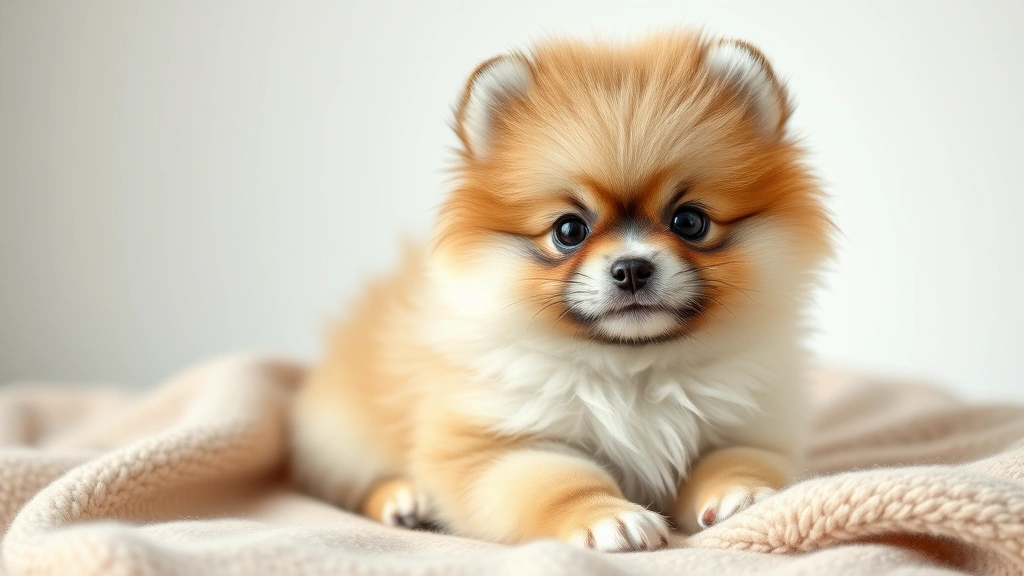
If you’re looking for a companion that’s soft, adorable, and doesn’t require a mansion to live in, small fluffy dog breeds might be your perfect match. These pint-sized puffballs have stolen the hearts of millions of dog lovers worldwide, and honestly, it’s not hard to see why. From the moment you lock eyes with those big puppy-dog eyes peeking out from a cloud of fur, you’re hooked. But before you rush off to adopt one of these cuddly creatures, let’s dive deep into what makes small fluffy dog breeds so special and whether one is right for your lifestyle.
Table of Contents
- Why Small Fluffy Dog Breeds Are Taking Over the Pet World
- Pomeranian: The Tiny Lion with a Big Heart
- Maltese: The Elegant Cloud of Cuteness
- Bichon Frise: The Cheerful Powder Puff
- Shih Tzu: The Imperial Lapdog
- Cavalier King Charles Spaniel: The Gentle Soul
- Pekingese: The Regal Miniature
- Grooming Requirements for Small Fluffy Dog Breeds
- Health Considerations for Tiny Fluffy Companions
- Training Small Fluffy Dog Breeds: Easier Than You Think
- Choosing the Right Small Fluffy Breed for Your Lifestyle
- Nutrition and Diet for Small Fluffy Dogs
- Frequently Asked Questions
- Final Thoughts: Is a Small Fluffy Dog Breed Right for You?
Why Small Fluffy Dog Breeds Are Taking Over the Pet World
Small fluffy dog breeds have become the Instagram darlings of the pet community, and for good reason. They’re portable, they’re adorable, and they pack enough personality into a 10-pound package to rival any Great Dane. Unlike their larger counterparts, these pups can comfortably fit into apartments, condos, and even tiny homes without making you feel like you’re living in a kennel. The fluffiness factor is real too—there’s something genuinely therapeutic about running your fingers through their soft coats after a long day at work.
Pomeranian: The Tiny Lion with a Big Heart
Let’s start with one of the most iconic small fluffy dog breeds: the Pomeranian. These little furballs weigh between 3-7 pounds and are basically tiny lions with attitude. Don’t let their size fool you—Pomeranians have the confidence of dogs ten times their size. They’re intelligent, spirited, and absolutely love being the center of attention. Their double coat requires regular grooming (we’re talking 2-3 times weekly), but the payoff is a gloriously fluffy companion. Pomeranians are prone to dental issues and patellar luxation, so regular vet checkups are essential. If you’re considering a Pomeranian, check out our guide on lazy dog breeds to see if this breed matches your energy level.
Maltese: The Elegant Cloud of Cuteness
The Maltese is basically what happens when elegance meets fluffiness. These silky-haired sweethearts weigh only 4-7 pounds and have been pampered by royalty for centuries (literally—they were favorites of Mediterranean nobility). Their pure white coats are stunning but require serious commitment to maintain. We’re talking daily brushing and professional grooming every 4-6 weeks. Maltese dogs are gentle, affectionate, and perfect for people who want a low-energy companion. They’re also excellent for allergy sufferers since they shed minimally. However, their delicate nature means they’re better suited for families with older children.
Bichon Frise: The Cheerful Powder Puff
Want a small fluffy dog breed that’s basically a furry ball of joy? Meet the Bichon Frise. These 12-18 pound pups are known for their curly, fluffy coats and their infectious enthusiasm for life. Bichons are social butterflies who thrive on human interaction and are excellent for first-time dog owners. Their hypoallergenic coat makes them ideal for people with allergies, though they do require regular professional grooming. Bichons are prone to ear infections due to their floppy ears, so regular cleaning is important. For more information on keeping your Bichon healthy, explore our resource on low maintenance dogs.
Shih Tzu: The Imperial Lapdog
The Shih Tzu, with its distinctive pushed-in face and luxurious coat, is one of the most recognizable small fluffy dog breeds. Weighing 9-16 pounds, these dogs were bred as companions for Chinese emperors, and they absolutely know it. Shih Tzus are charming, affectionate, and have a stubborn streak that’ll keep you entertained. Their long, silky coats require daily brushing and professional grooming every 4-8 weeks. These pups can be prone to eye problems due to their flat faces, so regular eye exams are crucial. They’re also prone to ear infections, so keep those ears clean and dry.
Cavalier King Charles Spaniel: The Gentle Soul
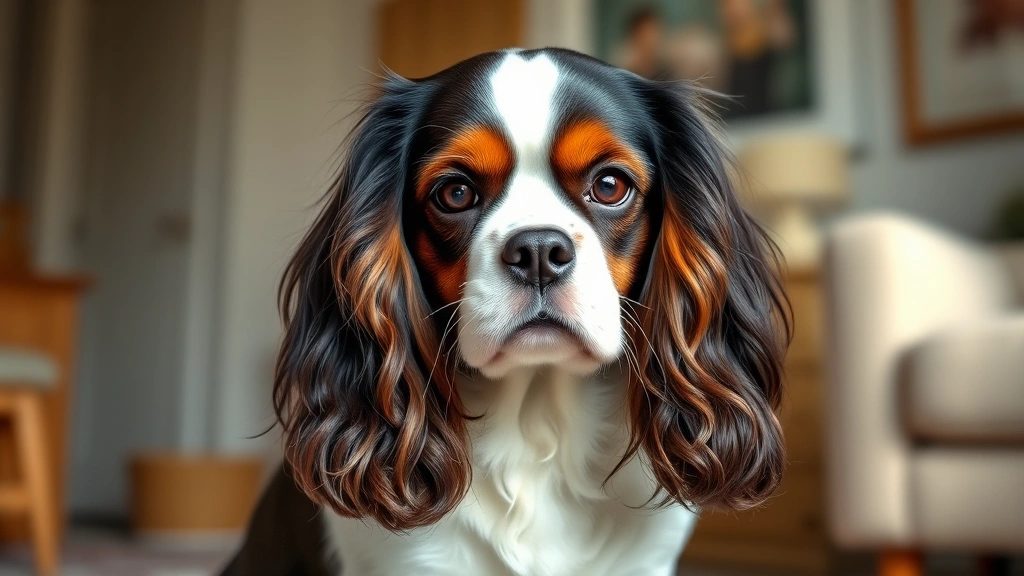
If you want a small fluffy dog breed that’s basically a furry therapist, the Cavalier King Charles Spaniel is your answer. These 13-18 pound sweethearts are known for their gentle, loving nature and their ability to read human emotions. Cavaliers are excellent therapy dogs and are wonderful with children and other pets. Their silky coats shed moderately and require regular brushing. Unfortunately, Cavaliers are prone to heart disease, so regular cardiac checkups are essential. This breed thrives on companionship and doesn’t do well being left alone for extended periods.

Pekingese: The Regal Miniature
The Pekingese is another small fluffy dog breed with serious imperial credentials. These 7-14 pound pups have flat faces, short legs, and a personality that screams royalty. Pekingese are independent, dignified, and sometimes aloof—basically tiny furry aristocrats. Their long, thick coats require regular grooming and they’re prone to overheating due to their flat faces, so they need climate-controlled environments. Pekingese can be stubborn during training, but their charm usually makes up for it.
Grooming Requirements for Small Fluffy Dog Breeds
Let’s be real: small fluffy dog breeds are basically high-maintenance beauty queens. Most require professional grooming every 4-8 weeks, with daily or weekly brushing in between. If you’re not prepared to commit to regular grooming, these breeds might not be for you. Professional grooming costs typically range from $50-$100+ per session, depending on your location and the breed. Investing in quality grooming tools and learning basic grooming techniques can help you maintain your pup’s coat between professional appointments. Your veterinarian can recommend breed-specific grooming practices and products.
Health Considerations for Tiny Fluffy Companions
Small fluffy dog breeds come with their own set of health challenges that potential owners should understand. Dental disease is rampant in small breeds due to crowded teeth—consider implementing a dental care routine early. Patellar luxation (knee dislocation) is common in toy breeds and can require surgical intervention. Flat-faced breeds like Shih Tzus and Pekingese are prone to breathing difficulties and eye problems. Proper nutrition is crucial; check out our guide on limited ingredient dog food if your pup has sensitivities. Regular veterinary checkups, ideally twice yearly for small breeds, can catch health issues early.
Training Small Fluffy Dog Breeds: Easier Than You Think
Here’s a secret that surprises many people: small fluffy dog breeds are often easier to train than larger breeds, despite their sometimes stubborn personalities. These intelligent little furballs respond well to positive reinforcement and consistent training. The key is starting early and being patient—these breeds can develop small dog syndrome if not properly socialized and trained. House training can take longer in small breeds, so crate training is often recommended. Many small fluffy dog breeds excel in obedience competitions and agility trials, proving that size doesn’t determine capability.
Choosing the Right Small Fluffy Breed for Your Lifestyle
Before committing to any small fluffy dog breed, honestly assess your lifestyle. Are you a homebody or do you travel frequently? Do you have time for daily grooming and regular vet visits? Are you looking for an active companion or a couch potato? Different breeds have different needs—Bichons need more exercise than Maltese dogs, while Cavaliers need constant companionship. Consider your living situation, your schedule, and your long-term goals. If you’re unsure about commitment, consider fostering before adopting. Research breed-specific rescue organizations in your area; they can provide invaluable insights into breed temperament and requirements.
Nutrition and Diet for Small Fluffy Dogs
Small fluffy dog breeds have unique nutritional needs that differ from larger dogs. They have faster metabolisms and higher caloric requirements per pound of body weight. Quality matters more than quantity—look for dog foods with high-quality protein sources and avoid fillers. Many small breeds benefit from lamb dog food formulas, particularly if they have sensitive stomachs. Portion control is critical; obesity in small breeds can exacerbate joint and heart problems. Consult with your veterinarian about the best diet for your specific pup, especially if they have health issues or allergies.
Frequently Asked Questions
Which small fluffy dog breed is best for apartments?
Maltese, Bichon Frise, and Shih Tzus are excellent apartment dwellers. They don’t require extensive exercise and adapt well to smaller living spaces. However, any small fluffy breed can thrive in an apartment as long as they receive adequate attention and exercise.
Do small fluffy dog breeds shed a lot?
It depends on the breed. Pomeranians and Cavaliers shed significantly, while Maltese and Bichons are low-shedding options. Regular grooming can minimize shedding in all breeds.
Are small fluffy dog breeds good with children?
Most small fluffy breeds are good with children, but supervision is important. Cavalier King Charles Spaniels and Bichon Frises are particularly child-friendly. Smaller, more delicate breeds like Maltese dogs are better with older, gentler children.
How much does it cost to own a small fluffy dog breed?
Beyond the initial purchase price ($500-$3,000), expect to spend $1,500-$3,000 annually on food, grooming, and veterinary care. Professional grooming alone can cost $600-$1,200 yearly.
What’s the lifespan of small fluffy dog breeds?
Most small fluffy breeds live 12-18 years with proper care. Cavaliers tend to have shorter lifespans (10-14 years) due to heart issues, while Bichons and Maltese often live into their late teens.
Final Thoughts: Is a Small Fluffy Dog Breed Right for You?
Small fluffy dog breeds are undeniably adorable, but they’re not right for everyone. They require significant grooming commitment, regular veterinary care, and dedicated attention. However, if you’re willing to invest in their wellbeing, these little furballs will reward you with unconditional love and endless entertainment. Whether you choose a spirited Pomeranian, an elegant Maltese, a cheerful Bichon, or any other small fluffy breed, you’re signing up for a companion that will enrich your life in ways you can’t imagine. Visit the American Kennel Club website for detailed breed standards and PetMD for comprehensive health information. Do your research, connect with breed clubs, and make an informed decision. Your perfect fluffy companion is out there waiting for you.





