
If you’ve been dreaming of getting a dog but your allergies keep shutting down the party, here’s some good news: small hypoallergenic dog breeds actually exist, and they’re adorable little furballs that won’t turn your eyes into watery messes. Whether you’re sneezing at the thought of dog hair or breaking out in hives, we’ve got the scoop on pups that produce fewer allergens and won’t require you to take an antihistamine just to pet them.
Table of Contents
- What Makes a Dog Hypoallergenic?
- Poodles: The Curly-Haired Overachievers
- Maltese: Tiny and Silky-Smooth
- Bichon Frise: The Cheerful Fluffball
- Yorkshire Terriers: Tiny with Huge Personalities
- Shih Tzu: The Regal Apartment Companion
- Schnauzer Varieties: Wiry and Wonderful
- Affenpinscher: The Monkey-Faced Charmer
- Havanese: The Social Butterfly
- Portuguese Water Dog: The Active Choice
- Grooming and Maintenance: The Real Talk
- Managing Allergies Beyond the Breed
- Frequently Asked Questions
- Conclusion: Finding Your Perfect Match
What Makes a Dog Hypoallergenic?
Let’s get real for a second: no dog is truly 100% hypoallergenic. That’s marketing fluff. What we’re actually talking about are dogs that produce fewer allergens. Most dog allergies come from proteins found in their dander (dead skin cells), saliva, and urine—not just the hair itself. Some breeds shed minimally or have hair instead of fur, which means less dander floating around your home like tiny invisible troublemakers. The American Kennel Club recognizes several breeds that are better suited for allergy sufferers, though individual reactions vary wildly from person to person.
Poodles: The Curly-Haired Overachievers
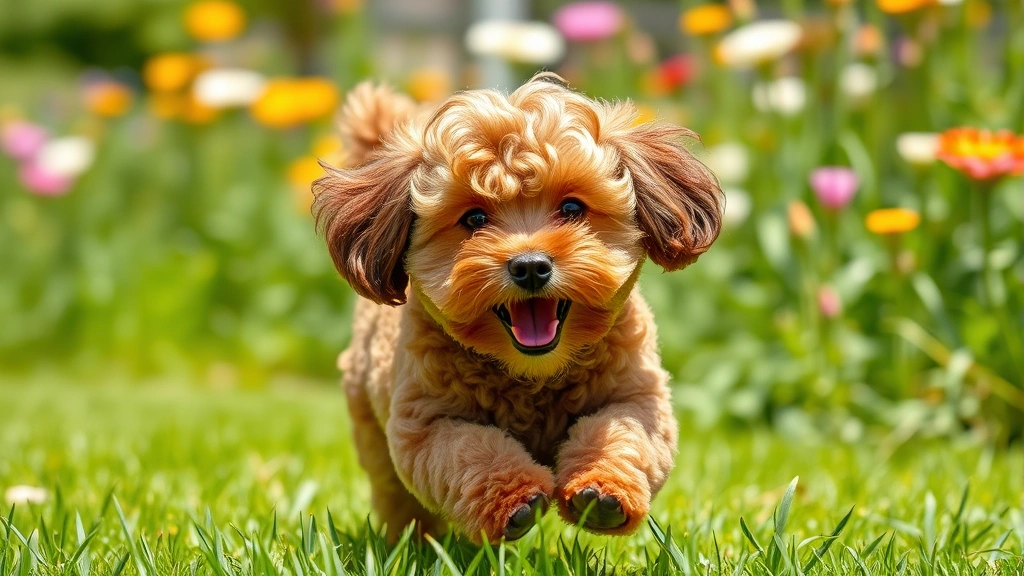
Poodles come in three sizes, and the toy and miniature varieties are perfect if you want a small hypoallergenic dog. These curly-coated cuties shed virtually nothing, which means your vacuum cleaner gets a vacation. They’re also ridiculously smart—almost annoyingly so. You’ll need to keep them mentally stimulated or they’ll start plotting world domination from your couch. Their hair requires regular grooming (we’re talking every 4-6 weeks), but the payoff is a dog that won’t trigger your allergies. Low shedding dog breeds like poodles are champions in the allergy-friendly department.
Maltese: Tiny and Silky-Smooth
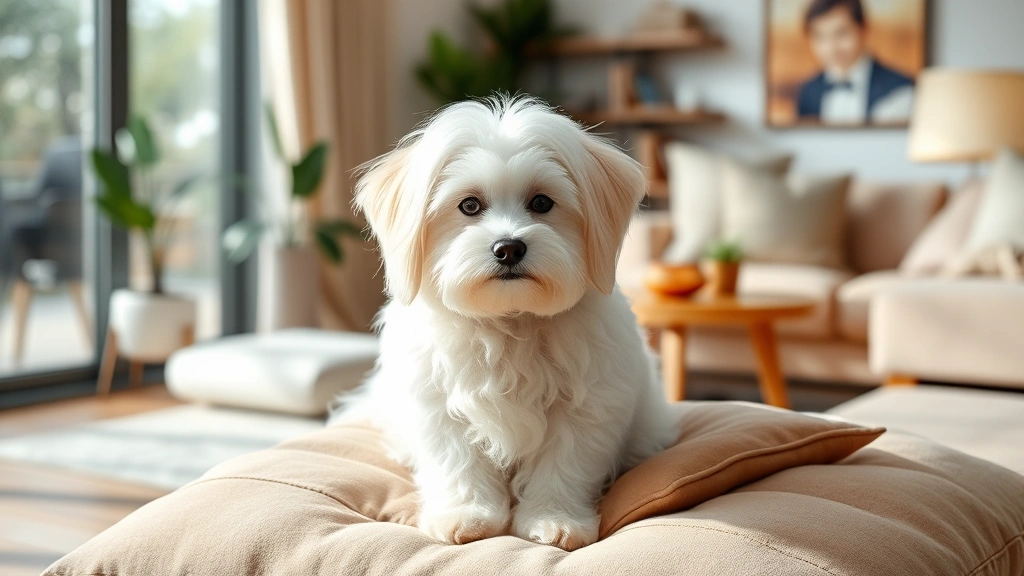
The Maltese is basically a cloud with eyes. These pocket-sized pups weigh under 7 pounds and have long, silky white hair that doesn’t shed like a husky in summer. They’re gentle, affectionate, and perfect for apartment dwellers. Fair warning: they need daily brushing to avoid matting, and they can be a bit stubborn during training. But if you want a lap dog that won’t aggravate your allergies, this breed is legitimately excellent. Their hair grows continuously, so regular grooming appointments are non-negotiable.
Bichon Frise: The Cheerful Fluffball
Don’t let the fluffy appearance fool you—Bichon Frises are another stellar choice for allergy sufferers. These dogs have a curly, non-shedding coat that requires regular professional grooming. They’re energetic, playful, and genuinely happy to see you every single time you walk through the door (even if you just left five minutes ago). Bichons are also excellent for first-time dog owners because they’re forgiving and eager to please. They typically weigh 12-18 pounds, making them small enough to handle but sturdy enough for active play.
Yorkshire Terriers: Tiny with Huge Personalities
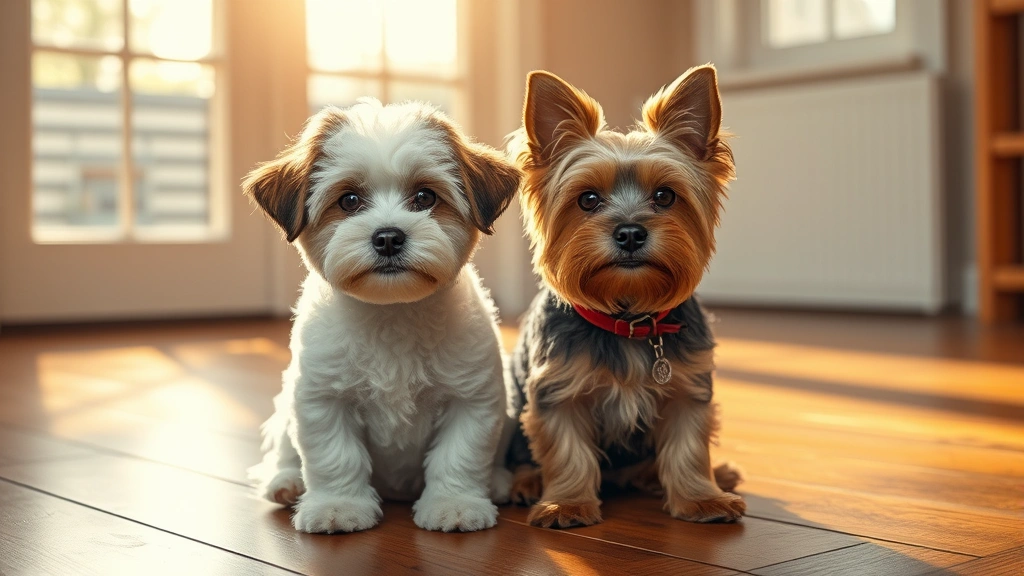
Yorkies are proof that good things come in small packages. These little guys weigh around 7 pounds and have silky hair that grows continuously instead of shedding. They’re confident, bold, and sometimes think they’re much larger than they actually are. Low maintenance dogs they are not—Yorkies need regular grooming and consistent training—but they’re wonderful for people with allergies. Their hair requires daily brushing and professional grooming every 6-8 weeks.
Shih Tzu: The Regal Apartment Companion
Shih Tzus are bred to be lap dogs, and they take that job seriously. These small hypoallergenic dog breeds have long, flowing coats that don’t shed, though they do require serious grooming commitment. They’re affectionate, stubborn, and absolutely convinced they’re royalty (which, honestly, they kind of are). Shih Tzus weigh 9-16 pounds and are perfect for people who spend time at home. They can be prone to breathing issues due to their flat faces, so climate control matters. Their hair needs brushing several times a week and professional grooming every 4-6 weeks.
Schnauzer Varieties: Wiry and Wonderful
Miniature Schnauzers are spirited little dogs with wiry, non-shedding coats. They weigh 11-20 pounds and have distinctive beards that make them look perpetually grumpy (spoiler: they’re not). These pups are alert, intelligent, and make surprisingly good watchdogs despite their small size. They need regular grooming to maintain their coat texture and prevent matting. Schnauzers are also known for being healthy, long-lived companions that can stick around for 12-15 years.
Affenpinscher: The Monkey-Faced Charmer
Affenpinschers are tiny (7-10 pounds) with wiry, short coats that shed minimally. They’re sometimes called “monkey dogs” because of their expressive faces and mischievous personalities. These pups are confident, playful, and absolutely hilarious to watch. They don’t need as much grooming as some other hypoallergenic breeds, but they do need regular exercise and mental stimulation. Affenpinschers are great for active people who want a small hypoallergenic dog with serious personality.
Havanese: The Social Butterfly
Havanese are tiny (7-13 pounds) Cuban natives with silky, non-shedding coats. They’re social, affectionate, and genuinely love being around people. These dogs are excellent for families and do well in apartments. They need regular grooming (several times a week brushing) and daily exercise, but they’re adaptable and eager to please. Havanese are also known for being good therapy dogs because of their gentle, intuitive nature.
Portuguese Water Dog: The Active Choice
If you want a small hypoallergenic dog with more energy, Portuguese Water Dogs might be your answer. These athletic little swimmers weigh 35-60 pounds (on the larger end of “small”), have curly or wavy non-shedding coats, and need significant daily exercise. They’re intelligent, trainable, and absolutely love water. They require professional grooming every 4-6 weeks. PetMD notes these dogs are excellent for active families willing to commit to regular exercise routines.
Grooming and Maintenance: The Real Talk
Here’s the thing nobody tells you: hypoallergenic dogs often require MORE grooming, not less. Most of these breeds need professional grooming every 4-8 weeks, plus regular home brushing. This isn’t just about vanity—regular grooming actually reduces allergens by removing dead hair and dander before it spreads around your home. Budget $50-150 per grooming session depending on your location and breed. Some people learn to groom their dogs at home to save money, but it requires patience and decent clippers. Keeping your dog healthy with proper nutrition and supplements can also support coat health and reduce shedding.
Managing Allergies Beyond the Breed
Choosing a hypoallergenic breed is just step one. You’ll also want to invest in a good air purifier, wash bedding frequently, and maybe consider quality supplements for dogs that support skin and coat health. Bathing your dog regularly (every 1-2 weeks) can significantly reduce allergen levels. Some people find that their allergies decrease over time as they build tolerance, while others need to take antihistamines regardless. Everyone’s different, so pay attention to your own reactions.
Frequently Asked Questions
Are hypoallergenic dogs completely allergy-free?
No. No dog is 100% hypoallergenic because all dogs produce some level of allergens through dander, saliva, and urine. However, certain breeds produce fewer allergens and may be tolerable for people with mild to moderate allergies. Individual reactions vary significantly, so spend time with the breed before committing.
Which small hypoallergenic dog breeds require the least grooming?
Affenpinschers and Miniature Schnauzers need less frequent grooming than poodles or Maltese dogs, though they still require regular maintenance. Most hypoallergenic breeds need grooming every 4-8 weeks, which is the trade-off for fewer allergens.
Can I bathe my hypoallergenic dog to reduce allergens?
Absolutely. Regular bathing (every 1-2 weeks) significantly reduces allergen levels. Use a gentle dog shampoo and make sure to dry them thoroughly. This is one of the most effective ways to manage allergies beyond choosing the right breed.
Are small hypoallergenic dog breeds good for families with children?
Many are, but it depends on the specific breed and individual dog. Bichon Frises, Havanese, and some poodles are excellent with kids. Smaller breeds like Maltese and Yorkies can be fragile, so they’re better for families with older children who understand how to handle delicate dogs gently.
How much do hypoallergenic dogs cost?
Expect to pay $500-3,000+ for a purebred hypoallergenic dog from a reputable breeder. Adoption from breed-specific rescues is often cheaper ($100-500) and gives a home to a dog in need. Factor in grooming costs of $50-150 per session when budgeting.
Conclusion: Finding Your Perfect Match
Small hypoallergenic dog breeds offer a genuine solution for allergy sufferers who thought dog ownership was off the table. Whether you choose a curly-coated poodle, a silky Maltese, or a wiry Schnauzer, you’re getting a companion that produces fewer allergens while delivering maximum cuteness and personality. Remember that “hypoallergenic” is relative—spend time with the breed before adopting, invest in regular grooming, and maintain a clean home environment. With the right breed and proper management, you can absolutely enjoy the unconditional love of a dog without the constant sneezing and itchy eyes. Now stop reading and go meet some adorable little furballs!





