
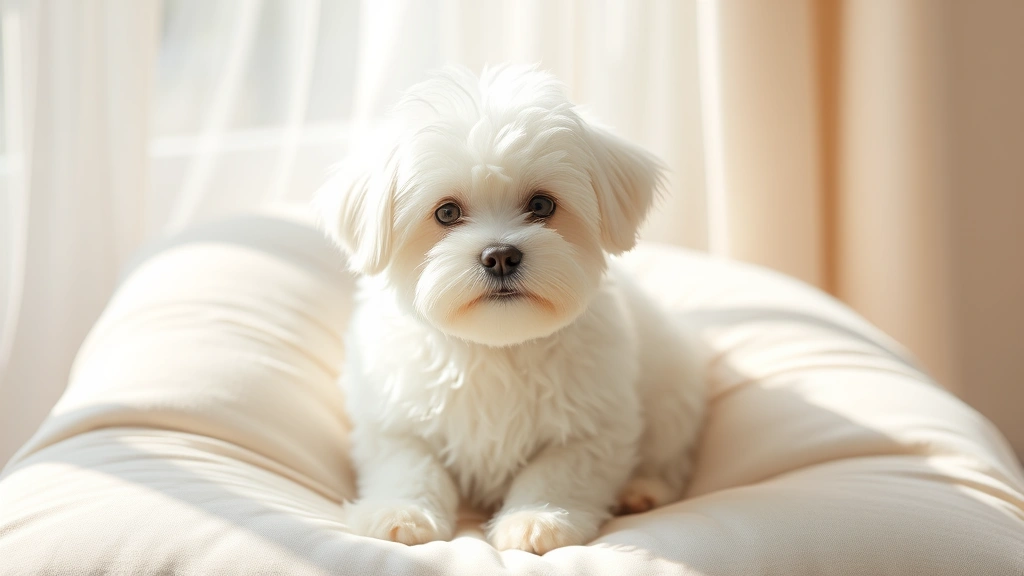
Looking for a small white dog to complete your family? You’ve hit the jackpot because the world of tiny, fluffy, cloud-like canines is absolutely packed with adorable options. Whether you want a lap dog that fits in your designer handbag or a pint-sized companion with a personality bigger than Texas, small white dog breeds offer something special for nearly every lifestyle.
Table of Contents
- Why Small White Dogs Make Perfect Companions
- Maltese: The Silky Snow Queen
- Bichon Frise: The Cheerful Puffball
- West Highland White Terrier: The Spirited Scrapper
- Poodle (Toy/Miniature): The Intelligent Achiever
- Japanese Chin: The Royal Lap Dog
- Samoyed: The Gentle Giant of Small Whites
- Pomeranian: The Tiny Fashionista
- Coton de Tuléar: The Cottony Companion
- American Eskimo Dog (Miniature): The Spitz Stunner
- Care Requirements for Your Small White Dog
- Training and Socialization Tips
- Health Considerations for Small White Dogs
- Frequently Asked Questions
- Conclusion: Finding Your Perfect Small White Dog
Why Small White Dogs Make Perfect Companions
There’s something undeniably charming about a small white dog. Maybe it’s the way they look like living marshmallows, or perhaps it’s their ability to fit perfectly in your lap during movie night. Small white dogs are incredibly popular for good reason—they’re portable, adorable, and often have outsized personalities packed into tiny bodies. Plus, they shed less noticeably on dark furniture (a bonus we all appreciate). Before diving into specific breeds, understand that the American Kennel Club recognizes numerous small white dog breeds, each with unique characteristics and care requirements.
Maltese: The Silky Snow Queen
The Maltese is basically the supermodel of small white dogs. These tiny fluffballs weigh just 4-7 pounds and sport a luxurious, silky white coat that requires serious maintenance. But if you don’t mind spending quality time grooming your pup, the Maltese rewards you with unwavering loyalty and endless affection. They’re perfect apartment dwellers and don’t need extensive exercise—short daily walks and playtime indoors suffice. Maltese dogs are known for being surprisingly intelligent and can be trained to perform tricks that’ll impress your friends.
Bichon Frise: The Cheerful Puffball
Don’t let the fluffy appearance fool you—the Bichon Frise is a sturdy little character with a happy-go-lucky attitude that’s absolutely infectious. Weighing 12-18 pounds, they’re slightly larger than Maltese but still perfectly portable. Bichons are fantastic with families, kids, and other pets, making them ideal for multi-pet households. Their curly coat doesn’t shed much, which is great for allergy sufferers. These dogs are social butterflies who thrive on human interaction and actually do well in obedience competitions. PetMD notes that Bichon Frises require regular professional grooming to maintain their distinctive appearance.
West Highland White Terrier: The Spirited Scrapper
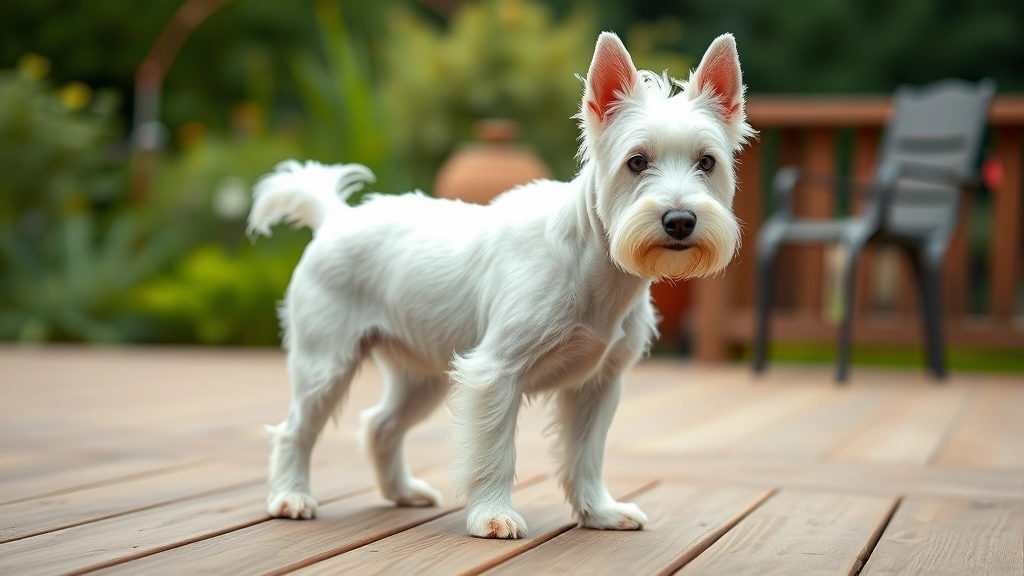
The West Highland White Terrier (Westie) is a small white dog with a big personality and a stubborn streak that’ll keep you entertained. Weighing 13-20 pounds, these little terriers were originally bred to hunt vermin, so they’ve got a confident, independent nature. Westies are great watchdogs despite their size and aren’t afraid to let you know when something’s amiss. They need regular exercise and mental stimulation to prevent boredom-induced mischief. If you want a small white dog with character and spunk, the Westie is your match.
Poodle (Toy/Miniature): The Intelligent Achiever
Poodles come in multiple sizes, but the Toy (4-6 pounds) and Miniature (10-15 pounds) varieties are excellent small white dog options. These are legitimately some of the smartest dogs on the planet—seriously, they’re basically furry geniuses. Poodles excel in obedience training, agility competitions, and even therapy work. Their hypoallergenic coat is a major selling point for allergy-prone families. They’re active, playful, and require regular mental stimulation along with physical exercise. Grooming is essential, but the payoff is a dog that’s both beautiful and brilliantly behaved.
Japanese Chin: The Royal Lap Dog
If you want a small white dog that acts like royalty, the Japanese Chin is literally bred for the job. These 7-11 pound dogs were originally companions to Japanese and Chinese nobility, and they absolutely know it. Japanese Chins are calm, affectionate, and perfectly content to spend hours as your personal lap warmer. They don’t require extensive exercise and actually prefer a relaxed lifestyle. Their silky coat is gorgeous but needs regular brushing. These dogs are excellent for seniors or anyone seeking a low-energy companion who offers maximum cuddles.
Samoyed: The Gentle Giant of Small Whites
The Samoyed is a larger small white dog, typically weighing 35-65 pounds, but their fluffy white coat and gentle temperament make them feel like oversized marshmallows. Originally bred as sled dogs, Sammies are incredibly strong and energetic, requiring substantial daily exercise. They’re known for their “Sammy smile” and genuinely friendly nature with everyone they meet. If you have space and an active lifestyle, a Samoyed is an amazing choice. These dogs are excellent with families and children, though their size means they’re better suited to homes with yards.
Pomeranian: The Tiny Fashionista
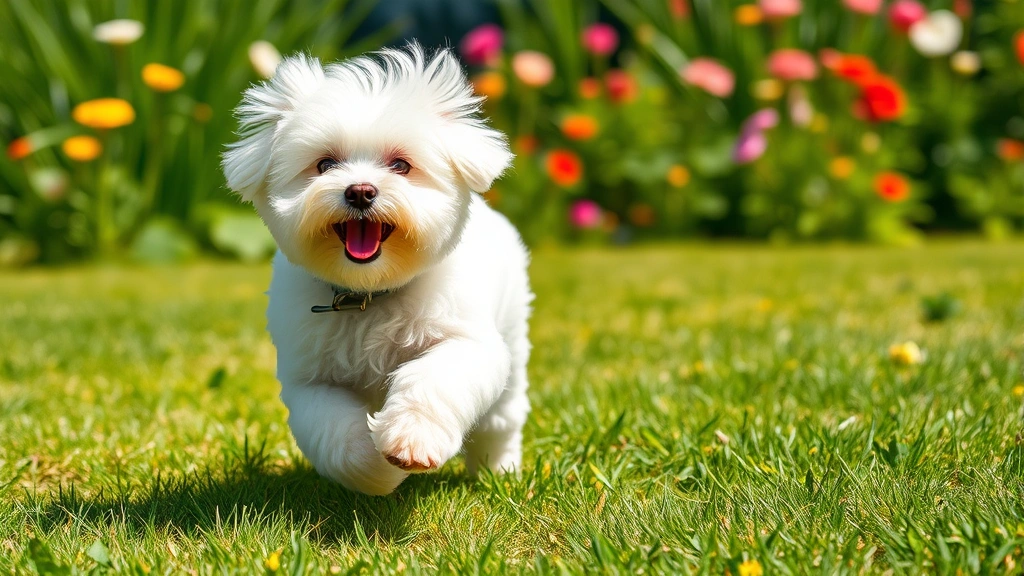
Don’t underestimate the Pomeranian just because they weigh only 3-7 pounds. These little dogs have massive personalities and aren’t afraid to stand up to much larger dogs. Pomeranians are intelligent, trainable, and surprisingly athletic for their size. They love being the center of attention and will happily perform for an audience. Their fluffy double coat requires regular grooming to prevent matting. Poms are great for active individuals or families who can provide mental stimulation and socialization.
Coton de Tuléar: The Cottony Companion
The Coton de Tuléar is a small white dog breed from Madagascar that’s gaining popularity in the United States. Weighing 8-15 pounds, these dogs have soft, cotton-like coats (hence the name) and sweet, gentle dispositions. Cotons are excellent family dogs who get along with kids and other pets. They’re moderately active and adaptable to various living situations. While not as well-known as some breeds, they’re increasingly recognized as fantastic companions for those seeking a balanced, affectionate small white dog.
American Eskimo Dog (Miniature): The Spitz Stunner
The American Eskimo Dog comes in three sizes, with the Miniature version (9-12 pounds) being perfect for small white dog enthusiasts. These dogs are strikingly beautiful with their white double coats and alert expressions. Eskies are intelligent, trainable, and surprisingly athletic. They need regular exercise and mental stimulation to stay happy. These dogs bond deeply with their families and can be protective, making them excellent watchdogs despite their small size.
Care Requirements for Your Small White Dog
Owning a small white dog comes with specific responsibilities. Most white-coated breeds require regular grooming to keep their coats pristine and prevent matting. Many small white dogs are prone to tear staining, so daily eye care is important. Cornell University’s veterinary resources emphasize the importance of regular health screenings for all dog breeds. Small dogs can be prone to dental issues, so regular brushing and veterinary dental care are essential. Additionally, quality nutrition including omega-3 fatty acids from sources like salmon is beneficial for maintaining coat health. Make sure your small white dog gets appropriate exercise for their breed and age, and provide plenty of mental stimulation through toys and training.
Training and Socialization Tips
Small white dogs still need proper training and socialization, even if they’re tiny. Many owners make the mistake of skipping training because their dog is small, but this often leads to behavioral issues. Start socialization early and expose your puppy to different people, environments, and experiences. Positive reinforcement training works best for most small breeds. Be consistent with boundaries—just because they’re small doesn’t mean they should be allowed to jump on guests or bark excessively. Taking your small white dog to dog-friendly locations helps with socialization and keeps them mentally stimulated.
Health Considerations for Small White Dogs
Small white dog breeds can be prone to specific health issues. Patellar luxation (knee problems) is common in toy breeds. Dental disease is prevalent due to crowded teeth. Some white-coated breeds are susceptible to deafness, particularly if they have blue eyes. Regular veterinary check-ups are crucial for early detection of health problems. Ask your breeder about health testing and genetic screening. Maintain a healthy weight for your small white dog—obesity can exacerbate joint problems and other health issues. Discuss quality of life considerations with your vet as your dog ages.
Frequently Asked Questions
Are small white dogs hypoallergenic?
Some small white dog breeds like Poodles and Bichon Frises are considered hypoallergenic because they shed minimally. However, no dog is truly 100% hypoallergenic. If you have allergies, spend time with the specific breed before committing. Regular grooming can reduce allergens for many breeds.
How much exercise do small white dogs need?
Exercise needs vary by breed. Toy breeds like Maltese and Japanese Chin need 20-30 minutes daily, while more active breeds like Pomeranians and Westies need 45-60 minutes. Always consult your breed’s specific requirements and your individual dog’s energy level.
What’s the average lifespan of small white dog breeds?
Small dog breeds generally live longer than large breeds, typically 12-18 years depending on the specific breed and individual health. Proper care, nutrition, and regular veterinary visits can help maximize your dog’s lifespan.
Do small white dogs require professional grooming?
Most small white dog breeds benefit from professional grooming every 4-8 weeks. Breeds with long coats like Maltese and Poodles especially need regular professional care to prevent matting and maintain coat health. Regular home brushing between appointments is also important.
Are small white dogs good for apartments?
Yes, many small white dog breeds are excellent apartment dwellers. Breeds like Maltese, Japanese Chin, and Bichon Frises adapt well to small spaces. However, they still need regular exercise and mental stimulation regardless of living situation.
Conclusion: Finding Your Perfect Small White Dog
Choosing a small white dog breed is an exciting journey that requires careful consideration of your lifestyle, living situation, and commitment level. Each breed on this list offers unique qualities—from the regal Japanese Chin to the spirited Westie to the intelligent Poodle. Before bringing home your small white dog, research thoroughly, find a reputable breeder or rescue organization, and prepare your home appropriately. Consider your activity level, grooming commitment, and available time for training and socialization. The right small white dog will bring years of joy, companionship, and unconditional love to your home. Take your time with the decision, and you’ll find the perfect fluffy companion that matches your personality and lifestyle perfectly.





