
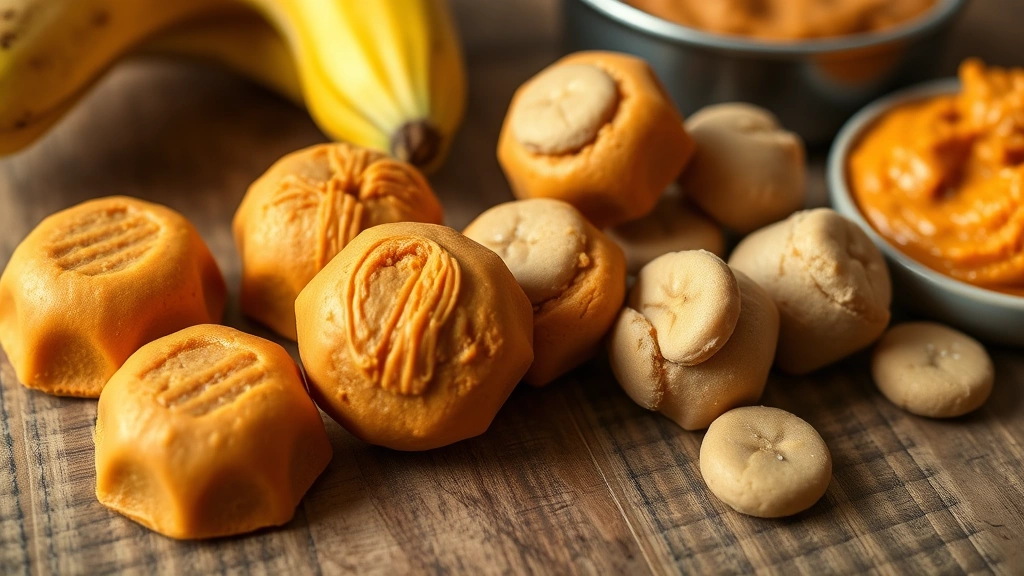
If you’re looking for soft treat recipes for senior pets, you’ve come to the right place—because let’s face it, our aging furry friends deserve better than stale kibble and rock-hard biscuits that could double as dental tools. Senior pets have unique nutritional needs and often struggle with dental issues, making homemade soft treats the perfect solution.
Table of Contents
- Why Senior Pets Need Soft Treats
- The Best Ingredients for Senior Pet Treats
- Recipe #1: Pumpkin and Sweet Potato Bites
- Recipe #2: Banana and Peanut Butter Morsels
- Recipe #3: Chicken and Rice Comfort Treats
- Recipe #4: Blueberry and Yogurt Delights
- Recipe #5: Beef Liver Paste (The Stinky Gold Standard)
- Recipe #6: Apple and Carrot Crunch Softies
- Recipe #7: Salmon and Sweet Potato Squares
- Recipe #8: Pear and Ginger Gentle Treats
- Recipe #9: Egg and Vegetable Custard Bites
- Recipe #10: Peanut Butter and Oat Clouds
- Storage and Safety Tips for Homemade Treats
- Nutritional Considerations for Aging Pets
- When to Consult Your Veterinarian
- Making Treat Time Special for Your Senior
- Frequently Asked Questions
- Conclusion: Treating Your Senior Pet Right
Why Senior Pets Need Soft Treats
As pets age, their teeth become more sensitive and sometimes downright problematic. Dental disease affects roughly 80% of pets over the age of three, according to veterinary research. Hard treats can cause pain, break teeth, or simply go ignored by your senior buddy. Soft treats are gentler on aging gums and easier to digest, making them ideal for pets with compromised dental health or sensitive stomachs. Plus, homemade treats let you control exactly what goes into your pet’s mouth—no mystery ingredients or artificial preservatives lurking in the mix.
The Best Ingredients for Senior Pet Treats
When crafting senior pet treat recipes, focus on nutrient-dense, easily digestible ingredients. Sweet potatoes are packed with fiber and vitamins. Pumpkin puree supports digestive health. Lean proteins like chicken and turkey provide essential amino acids. Peanut butter (xylitol-free!) adds flavor and healthy fats. Bananas offer potassium and natural sweetness. Eggs are protein powerhouses. Plain yogurt contains probiotics for gut health. Always consult your vet before introducing new ingredients, especially if your senior has specific health conditions.
Recipe #1: Pumpkin and Sweet Potato Bites
This is the gateway drug to homemade treats. Mix one cup of pumpkin puree with one mashed sweet potato, one egg, and half a cup of whole wheat flour. Drop spoonfuls onto a baking sheet and bake at 350°F for 15 minutes. These little nuggets are soft, slightly chewy, and absolutely irresistible. They’re also great for digestive support—a major win for senior pets dealing with occasional tummy troubles.
Recipe #2: Banana and Peanut Butter Morsels
Mash two ripe bananas with half a cup of xylitol-free peanut butter and one egg. Mix in three-quarters cup of oat flour. Spoon onto parchment paper and bake at 325°F for 12 minutes. The result? Soft, naturally sweet treats that taste like dessert but pack nutritional value. Your senior dog will think they’ve won the lottery. Just remember: xylitol is toxic to dogs, so check your peanut butter label like your life depends on it.
Recipe #3: Chicken and Rice Comfort Treats
Boil and shred one pound of boneless, skinless chicken breast. Cook one cup of brown rice. Combine them with one egg and a quarter cup of low-sodium chicken broth. Form into small balls and bake at 350°F for 20 minutes. These treats are packed with lean protein and perfect for senior pets requiring extra nutritional support. They also freeze beautifully, so batch-make and store for later.
Recipe #4: Blueberry and Yogurt Delights
Blend one cup of plain Greek yogurt with one cup of fresh blueberries and one tablespoon of honey. Spoon into silicone molds or ice cube trays and freeze for three hours. Pop them out and serve as refreshing, brain-boosting treats. Blueberries are antioxidant superstars—perfect for supporting cognitive function in aging pets. Check out our guide on Brain Health for Aging Pets for more cognitive support strategies.
Recipe #5: Beef Liver Paste (The Stinky Gold Standard)
Puree one pound of beef liver with one egg and a quarter cup of beef broth. Spread thinly on parchment paper and bake at 275°F for 20 minutes. Cut into small squares. Yes, it smells like a barn, but senior pets lose their sense of smell with age—this pungent treat will actually appeal to them more than fancy-smelling alternatives. Liver is nutrient-dense and highly palatable for picky eaters.
Recipe #6: Apple and Carrot Crunch Softies
Grate one apple and one large carrot. Mix with one cup of unsweetened applesauce, one egg, and one cup of whole wheat flour. Bake at 350°F for 15 minutes. These treats are naturally crunchy-soft—they have a slight texture without being hard on teeth. Carrots support dental health naturally, and apples freshen breath. It’s a win-win that tastes like healthy snacking.
Recipe #7: Salmon and Sweet Potato Squares
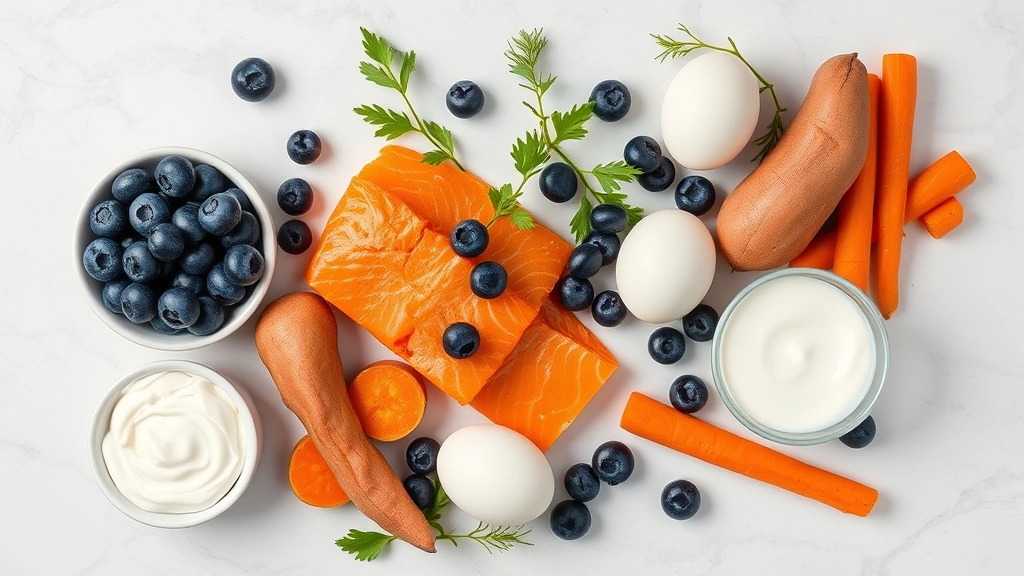
Combine one can of wild-caught salmon (drained), one mashed sweet potato, one egg, and three-quarters cup of oat flour. Press into a greased baking pan and bake at 350°F for 20 minutes. Cut into squares. Omega-3 fatty acids from salmon support joint health and cognitive function—crucial for senior pets. These treats are especially beneficial for dogs dealing with arthritis prevention and joint support.
Recipe #8: Pear and Ginger Gentle Treats
Puree two ripe pears with a quarter teaspoon of ground ginger, one egg, and three-quarters cup of whole wheat flour. Drop onto baking sheets and bake at 325°F for 12 minutes. Ginger aids digestion and reduces inflammation—beneficial for senior pets with sensitive systems. Pears are gentle on the stomach and naturally sweet. These are perfect for older cats and dogs with finicky appetites.
Recipe #9: Egg and Vegetable Custard Bites
Whisk six eggs with one cup of pureed vegetables (carrots, green beans, peas), half a cup of low-sodium vegetable broth, and one tablespoon of coconut oil. Pour into muffin tins and bake at 350°F for 20 minutes. These custard-like treats are incredibly soft and nutrient-packed. They’re also excellent for senior pets transitioning to softer diets. Store in the refrigerator for up to five days, or freeze for longer storage.
Recipe #10: Peanut Butter and Oat Clouds
Mix one cup of xylitol-free peanut butter with two eggs, one cup of rolled oats, and one tablespoon of honey. Drop by teaspoon onto parchment paper and bake at 325°F for 10 minutes. These treats are incredibly soft and melt-in-your-mouth delicious. They’re also calorie-conscious, which matters when managing pet portion control for less-active senior pets.
Storage and Safety Tips for Homemade Treats
Homemade treats lack preservatives, so storage matters. Keep refrigerated treats in airtight containers for up to five days. Freeze extras in ice cube trays or small containers for up to three months. Always label with the date. Before introducing any new treat, start with small amounts to ensure your senior pet tolerates them well. Some older pets have sensitive digestive systems that need gradual dietary changes. Review Geriatric Pet Feeding Tips for comprehensive guidance on senior nutrition.
Nutritional Considerations for Aging Pets
Senior pets require different nutritional profiles than younger animals. They need higher-quality proteins to maintain muscle mass, increased fiber for digestive health, and joint-supporting nutrients like glucosamine. Homemade treats should complement your senior’s regular diet, not replace it. Treats should comprise no more than 10% of daily caloric intake. If your senior pet has chronic conditions, consult your veterinarian before introducing new treats. Conditions like kidney disease, diabetes, or pancreatitis require dietary restrictions that homemade treats must respect.
When to Consult Your Veterinarian
While these recipes are generally safe, individual pets have unique health profiles. Pets with kidney disease need low-sodium options. Diabetic pets require sugar-free recipes. Pets with pancreatitis need low-fat treats. Before making any treat recipe, discuss ingredients with your vet. They can recommend specific nutritional adjustments based on your senior pet’s health status. Also consult your vet about chronic condition management supplements that might work alongside treat recipes.
Making Treat Time Special for Your Senior
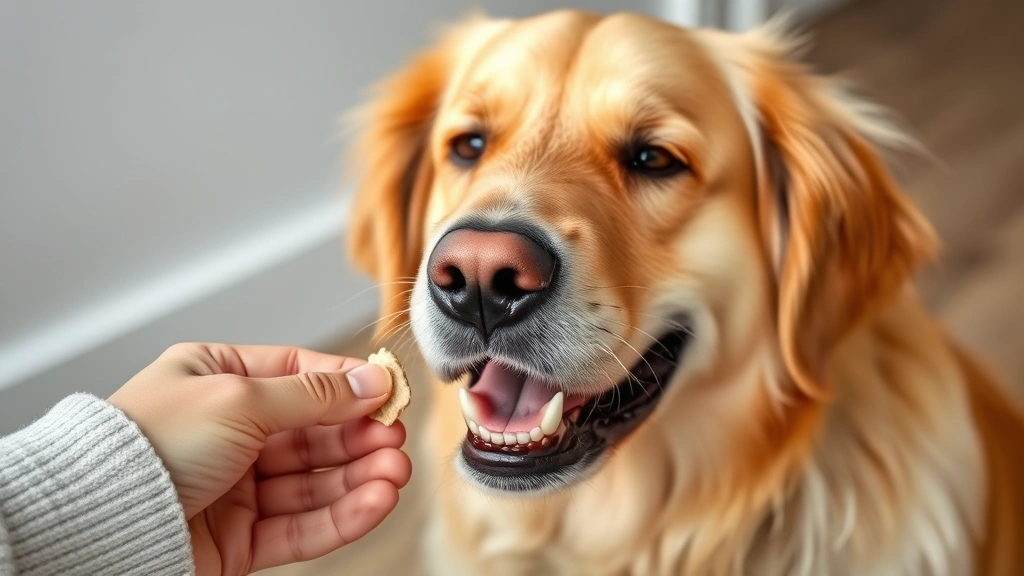
Beyond nutrition, treat time is about bonding with your aging companion. Senior pets often have reduced energy and fewer opportunities for excitement. Homemade treats signal love and attention. Hand-feeding treats strengthens your connection. Treats become medication for loneliness and boredom. The act of preparing fresh treats shows your pet they’re worth the effort. This emotional component of senior pet care is just as important as the nutritional one.
Frequently Asked Questions
Can I give senior cats these same treat recipes?
Most recipes work for cats, but adjust portions significantly—cats need much smaller treats. Cats are obligate carnivores, so recipes with higher meat content work better. Skip recipes with excessive fruit or vegetables. Always ensure treats are boneless and finely shredded for elderly cats with dental issues.
How often can I give these treats to my senior pet?
Treats should comprise no more than 10% of daily caloric intake. For most senior pets, this means one to three small treats daily, depending on the recipe and your pet’s size. Consult your vet for personalized recommendations based on your pet’s weight and health status.
Can I use frozen treats for senior pets?
Absolutely, but serve them thawed or partially thawed. Frozen treats can be too hard on aging teeth and sensitive mouths. Frozen blueberry-yogurt treats work well when partially thawed to a soft, slushy consistency.
What if my senior pet has no teeth?
These recipes are perfect for toothless seniors! The soft texture requires minimal chewing. Recipes like the beef liver paste or egg custard bites are especially ideal for completely edentulous pets. You can also soften treats with warm broth before serving.
Are these treats appropriate for senior pets with kidney disease?
Most recipes need modification for kidney disease, which requires low sodium and controlled phosphorus. Consult your vet before using these recipes. Your vet may recommend specific modifications or prescription-diet treats instead.
How do I know if my senior pet is allergic to treat ingredients?
Introduce new treats slowly, offering small amounts and waiting 24-48 hours before offering more. Watch for vomiting, diarrhea, itching, or lethargy. If allergic reactions occur, discontinue immediately and consult your vet. Keep a record of ingredients used for each batch.
Conclusion: Treating Your Senior Pet Right
Creating homemade soft treat recipes for senior pets is one of the most loving things you can do for your aging companion. These recipes prioritize dental health, digestive comfort, and nutritional value—exactly what senior pets need. From pumpkin bites to salmon squares, each recipe offers unique benefits tailored to aging bodies and reduced activity levels. The best part? Your senior pet gets treats made with love, free from artificial additives and mystery ingredients. Start with one or two recipes that appeal to your pet’s preferences. Batch-cook and freeze for convenience. Most importantly, consult your veterinarian to ensure treats align with your specific senior pet’s health needs. Your furry friend has spent years loving you unconditionally—these treats are your chance to return that love, one soft, delicious bite at a time. For comprehensive guidance on senior pet nutrition and care, explore our Fresh Food Feeding Routine resource.





