
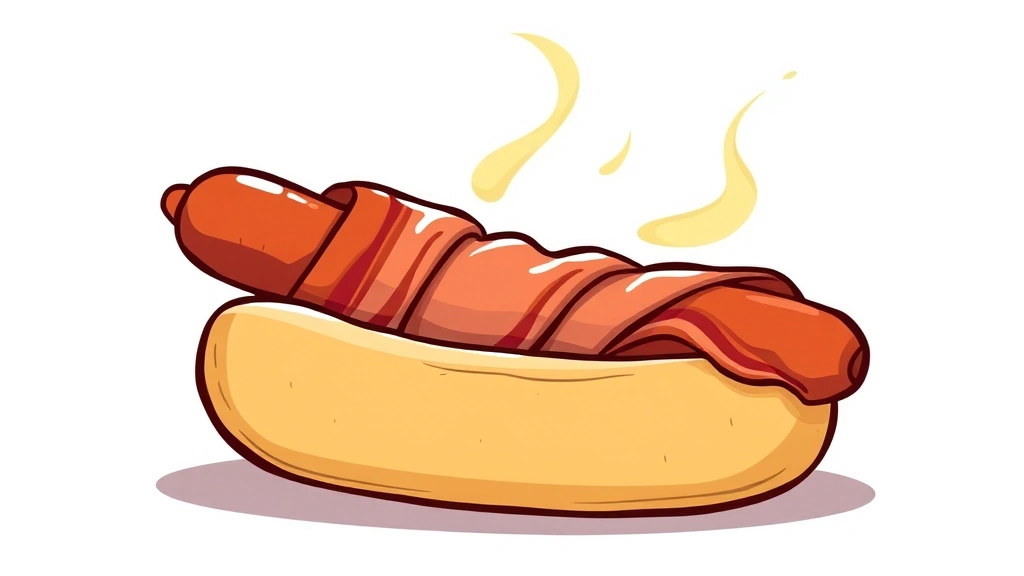
A Sonoran hot dog isn’t just a hot dog—it’s a flavor explosion wrapped in a bolillo roll that’s taken the food world by storm. If you’ve never had one, you’re missing out on one of the most delicious regional American foods. But here’s the thing: if you’re a dog owner, you need to know what’s actually in a Sonoran hot dog before you accidentally share your lunch with your furry friend. Let me break down everything you need to know about this trendy treat, from its origins to whether it’s safe for your pup.
What Exactly Is a Sonoran Hot Dog?
A Sonoran hot dog is a wrapped hot dog—literally wrapped in bacon—that’s grilled and served on a bolillo roll (a soft, slightly sweet Mexican-style bread). But that’s just the beginning. The magic happens with the toppings: grilled onions, mustard, mayo, jalapeños, and sometimes cotija cheese or salsa pico de gallo. It’s messy, it’s delicious, and it’s become a cultural icon in Arizona and beyond.
Think of it as the elevated cousin of your standard street hot dog. The bacon wrapping changes everything. It adds smokiness, crispness, and fat that makes the whole thing sing. The bolillo roll is softer and slightly sweet compared to a traditional hot dog bun, which soaks up all those condiments without falling apart (usually). The grilled onions add caramelized sweetness, and the jalapeños bring heat. Together, they create a balanced flavor profile that’s savory, spicy, and slightly sweet all at once.
The Sonoran hot dog has become so popular that it’s now available far beyond Arizona. Food trucks across the country have added them to their menus, and restaurants from Los Angeles to Chicago have put their own spin on the classic. It’s one of those foods that started as a regional specialty and became a national obsession.
History and Origins
The Sonoran hot dog originated in Sonora, Mexico, specifically in the city of Hermosillo. The exact origin story is a bit fuzzy—as most food origin stories are—but the most widely accepted version involves street vendors in Mexico wrapping hot dogs in bacon and grilling them as a quick, portable meal. When Mexican immigrants brought the recipe across the border into Arizona, particularly to the Phoenix area, it took off.
By the 1980s and 1990s, the Sonoran hot dog had become a staple of Arizona street food culture. Food carts and small vendors throughout Phoenix started perfecting their own versions, and locals embraced it as part of their culinary identity. What started as a simple street food has evolved into something that appears on upscale restaurant menus and has inspired countless variations.
The beauty of the Sonoran hot dog is that it represents a perfect blend of Mexican and American food cultures. It takes the American hot dog and transforms it with Mexican techniques (bacon wrapping, grilling) and Mexican-inspired toppings (jalapeños, cotija, pico de gallo). It’s a delicious example of how food evolves when cultures intersect.
Key Ingredients That Make It Special
Let’s talk about what actually goes into a proper Sonoran hot dog. There’s no single “official” recipe, but most versions include these core components:
- Hot dog: Usually a quality beef frank, though some use pork or a blend
- Bacon: Wrapped around the hot dog before grilling—this is non-negotiable
- Bolillo roll: A soft, slightly sweet Mexican bread roll (not a standard hot dog bun)
- Grilled onions: Usually white onions, cooked until slightly caramelized
- Mustard: Yellow mustard, applied generously
- Mayo: Adds creaminess and richness
- Jalapeños: Fresh, grilled, or pickled—for heat
- Optional toppings: Cotija cheese, pico de gallo, salsa, guacamole, or cilantro
The bacon is really the star here. It’s what separates a Sonoran hot dog from a regular hot dog. The bacon gets crispy on the outside while keeping the hot dog juicy on the inside. As it cooks, the bacon fat renders out and adds flavor to everything it touches.
The bolillo roll is also crucial. It’s different from a standard hot dog bun because it’s slightly sweeter and has a softer crumb structure. This makes it perfect for soaking up all the condiments without getting soggy too quickly. If you can’t find a bolillo roll, some people substitute with a telera roll or even a soft hoagie roll, but true Sonoran hot dog enthusiasts will tell you it’s not quite the same.
The condiment ratio matters too. Too much mayo and you lose the other flavors. Too much mustard and it becomes overpowering. The best Sonoran hot dogs balance all these elements so that each bite has a bit of everything.
Regional Variations Across Arizona
Even though the Sonoran hot dog originated in one region, Arizona has developed its own local variations. Phoenix has one style, Tucson has another, and smaller towns have their own takes.
In Phoenix, you’ll find vendors who focus on the classic version: bacon-wrapped, grilled onions, mustard, mayo, and jalapeños on a bolillo roll. Some Phoenix spots have gotten creative, adding things like chorizo, different cheeses, or specialty sauces.
Tucson has embraced the Sonoran hot dog with equal passion, but many Tucson vendors add their own flair. You might find versions with more elaborate toppings, different cheese options, or unique sauce combinations. Tucson’s food culture is deeply rooted in Mexican cuisine, so the Sonoran hot dog fits perfectly into that landscape.
Smaller Arizona towns have also developed local variations. Some vendors grill the entire roll, some add chorizo, and others experiment with different types of sausages or additional proteins. The beauty of the Sonoran hot dog is that it’s flexible enough to accommodate regional preferences while maintaining its core identity.
Best Places to Eat a Sonoran Hot Dog
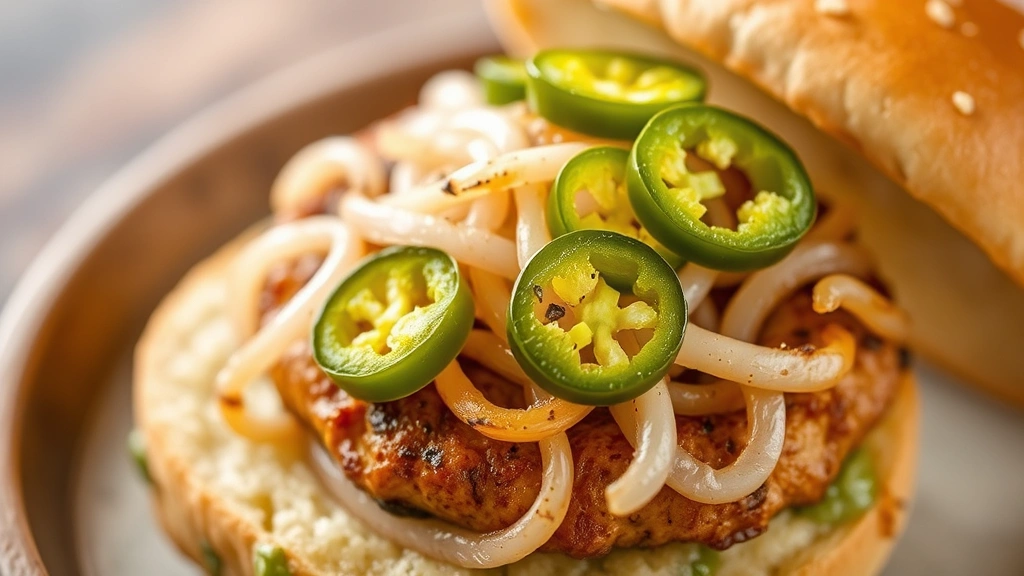
If you’re looking to try an authentic Sonoran hot dog, Arizona is obviously your best bet. Phoenix and Tucson have the highest concentration of vendors and restaurants serving them. Here are some characteristics of places that do it well:
- Street vendors and food carts: Often have the most authentic, traditional versions
- Mexican restaurants: Many have added Sonoran hot dogs to their menus
- Casual dining spots: Burger joints and sandwich shops often have their own takes
- Upscale restaurants: Some fine-dining establishments have put gourmet spins on the classic
The best Sonoran hot dogs usually come from places where the owner has perfected the recipe over years. These are spots where locals go, where the ingredients are fresh, and where the cooking technique is dialed in. The bacon should be crispy but not burnt. The hot dog should be juicy. The grilled onions should be soft and slightly caramelized, not charred.
If you’re not in Arizona, you can find Sonoran hot dogs at food trucks and restaurants in major cities across the country. Los Angeles, San Diego, and other Southwest cities have embraced them enthusiastically. Some chains have even added their own versions to menus, though they rarely match the quality of authentic Arizona vendors.
Nutrition and Calories in a Sonoran Hot Dog
Let’s be real: a Sonoran hot dog isn’t health food. It’s bacon-wrapped, loaded with mayo and mustard, and served on a soft roll. But if you want to understand what you’re eating, here’s the breakdown.
A typical Sonoran hot dog contains approximately 500-700 calories, depending on the size and toppings. The bacon adds about 80-100 calories. The hot dog itself is usually 150-200 calories. The bolillo roll adds 200-250 calories. The mayo, mustard, and other toppings add another 100-150 calories.
In terms of macronutrients, you’re looking at roughly 25-35 grams of fat, 20-30 grams of protein, and 40-50 grams of carbohydrates. The sodium content is typically high—often 1,200-1,500 mg per Sonoran hot dog—which is about 50-65% of the daily recommended intake.
For comparison, if you’re curious about how this stacks up to other popular foods, a Costco hot dog has around 550 calories, so a Sonoran hot dog is actually pretty comparable in terms of calories, though the macronutrient breakdown is different due to the bacon and different preparation method.
The good news? The Sonoran hot dog has protein from the hot dog and bacon, and if you include jalapeños, you’re getting capsaicin, which has some metabolic benefits. The grilled onions add fiber and antioxidants. It’s not a health food, but it’s not completely devoid of nutritional value either.
Can Your Dog Eat a Sonoran Hot Dog?
This is where I need to be straight with you: no, your dog should not eat a Sonoran hot dog. I know it’s tempting to share your food with your pup, but this is one treat that’s genuinely not safe for dogs.
Here’s why:
- Bacon: While a small amount of plain bacon occasionally won’t hurt most dogs, the bacon in a Sonoran hot dog is grilled and often has additional seasonings. Too much bacon is high in fat and sodium, which can cause pancreatitis in dogs, especially smaller breeds or dogs with existing health issues.
- Hot dog: Most hot dogs are high in sodium and contain nitrates and nitrites as preservatives. These can be problematic for dogs in large quantities. Additionally, some hot dogs contain garlic or onion powder, which are toxic to dogs.
- Jalapeños: While not technically toxic, jalapeños can cause gastrointestinal upset in dogs. The capsaicin that makes them spicy can irritate a dog’s digestive system.
- Grilled onions: This is a big one. Onions are toxic to dogs, whether they’re raw, cooked, grilled, or powdered. They contain compounds called thiosulfates that damage dogs’ red blood cells and can cause hemolytic anemia. Grilled onions are still onions, and they’re still dangerous.
- Mayo and mustard: While small amounts won’t poison your dog, mayo is high in fat and can contribute to pancreatitis. Mustard usually contains turmeric and other spices that aren’t ideal for dogs.
- Bolillo roll: The bread itself isn’t toxic, but it’s high in carbs and calories. If your dog is overweight or has diabetes, this is particularly problematic.
If your dog accidentally ate a small piece of a Sonoran hot dog without the jalapeños or grilled onions, they’ll probably be fine. But if they ate a significant portion, especially if it included grilled onions, you should call your vet. Signs of onion toxicity in dogs include letharness, weakness, decreased appetite, and pale gums.
For more information on what dogs can and can’t eat, the American Kennel Club has a comprehensive guide on hot dogs for dogs, and the ASPCA maintains a database of toxic foods.
Instead of sharing your Sonoran hot dog with your dog, give them a dog-safe treat. Plain, unseasoned chicken or beef (no onions, garlic, or spices) is a great alternative. Your dog will be just as happy, and you won’t have to worry about a midnight vet visit.
How to Make Your Own Sonoran Hot Dog at Home
Want to make Sonoran hot dogs at home? It’s actually pretty straightforward if you can find the right ingredients. Here’s what you need to do:
Ingredients:
- Quality beef hot dogs (4-6, depending on how many you’re making)
- Bacon strips (one per hot dog)
- Bolillo rolls (or telera rolls if you can’t find bolillo)
- White onions, sliced
- Yellow mustard
- Mayo
- Fresh jalapeños, sliced (or pickled)
- Optional: cotija cheese, pico de gallo, cilantro
Instructions:
- Prep the hot dogs: Wrap each hot dog with a bacon strip, securing it with a toothpick if needed.
- Heat your grill or griddle: Get it to medium-high heat. You want it hot enough to crisp the bacon but not so hot that it burns.
- Grill the hot dogs: Place the bacon-wrapped hot dogs on the grill and cook for about 5-7 minutes, turning occasionally, until the bacon is crispy and the hot dog is heated through.
- Grill the onions: While the hot dogs are cooking, grill your sliced onions in a separate area of the grill or on a griddle. They should become soft and slightly caramelized, about 5-8 minutes.
- Toast the rolls: In the last minute or two, lightly toast the bolillo rolls on the grill.
- Assemble: Place the bacon-wrapped hot dog on the roll. Top with grilled onions, a squiggle of mustard, a squiggle of mayo, and sliced jalapeños. Add cheese or pico de gallo if desired.
- Serve immediately: These are best eaten right away while everything is still warm.
The key to a great homemade Sonoran hot dog is not overcooking the bacon (it should be crispy but not burnt) and not skimping on the toppings. The condiment ratio is important—you want enough flavor but not so much that it becomes a condiment sandwich.
If you don’t have access to bolillo rolls, you can order them online from specialty food retailers, or you can visit a Mexican grocery store or bakery. They’re becoming more common in regular supermarkets too, especially in areas with larger Latino populations.
Frequently Asked Questions
What’s the difference between a Sonoran hot dog and a regular hot dog?
– A Sonoran hot dog is wrapped in bacon, served on a bolillo roll (instead of a regular hot dog bun), and topped with grilled onions, mustard, mayo, and jalapeños. A regular hot dog is typically just a hot dog on a bun with basic toppings. The bacon wrapping and bolillo roll are the main distinguishing features.
Where did the Sonoran hot dog originate?
– The Sonoran hot dog originated in Sonora, Mexico, particularly in the city of Hermosillo. Street vendors created the bacon-wrapped version as a portable, flavorful meal. When Mexican immigrants brought the recipe to Arizona, it became a staple of Phoenix and Tucson street food culture.
Can I make a Sonoran hot dog without bacon?
– Technically yes, but it wouldn’t really be a Sonoran hot dog anymore. The bacon is what defines the dish. If you don’t eat bacon for dietary or religious reasons, you could try wrapping the hot dog in a different type of meat (like chorizo) or just skip the wrapping altogether, but you’d be making something different.
What’s the best way to reheat a Sonoran hot dog?
– Sonoran hot dogs are best eaten fresh, but if you have leftovers, reheat them on a grill or griddle rather than in a microwave. Microwaving will make the bacon soggy and the roll rubbery. A quick reheat on medium heat on a grill or griddle will restore most of the texture.
Are there vegetarian versions of Sonoran hot dogs?
– Yes, some restaurants and vendors have created vegetarian versions using plant-based hot dogs or other protein substitutes. However, these are less common than the traditional bacon-wrapped versions. If you’re vegetarian and want to try a Sonoran hot dog, you might need to search for specialty restaurants or make your own at home using vegetarian sausages.
What’s the best condiment ratio for a Sonoran hot dog?
– There’s no single “correct” ratio, but most people prefer about equal amounts of mustard and mayo (roughly a teaspoon of each), with the grilled onions and jalapeños making up the bulk of the toppings. Some people prefer more mayo, others more mustard. It’s really about personal preference.
Can I order Sonoran hot dogs online?
– Some Arizona-based restaurants and food vendors ship Sonoran hot dogs or kits to make them at home. However, shipping hot food is challenging, so most online options are either kits with ingredients or pre-cooked versions that need reheating. Your best bet for an authentic experience is to visit Arizona or find a local food truck or restaurant that makes them.
What drink pairs well with a Sonoran hot dog?
– Because Sonoran hot dogs are spicy and rich, they pair well with cold beverages. A cold Mexican beer (like a lager or light beer) is traditional. Agua fresca, horchata, or even a simple cold lemonade also work well. The coldness and slight sweetness of these drinks balance the heat and richness of the hot dog.

Is a Sonoran hot dog the same as a Danger Dog?
– No, they’re different. A Danger Dog (popular in Los Angeles) is typically a bacon-wrapped hot dog served on a regular hot dog bun with grilled peppers and onions. A Sonoran hot dog uses a bolillo roll and has a different topping profile. While they’re similar in concept, they’re distinct dishes from different regions.
What if I’m allergic to jalapeños or can’t eat spicy food?
– You can absolutely make a Sonoran hot dog without jalapeños. Just skip them or substitute with mild peppers if you want some pepper flavor without the heat. Some vendors offer mild versions without jalapeños specifically for customers who can’t handle spice. The other toppings are flavorful enough to stand on their own.





