
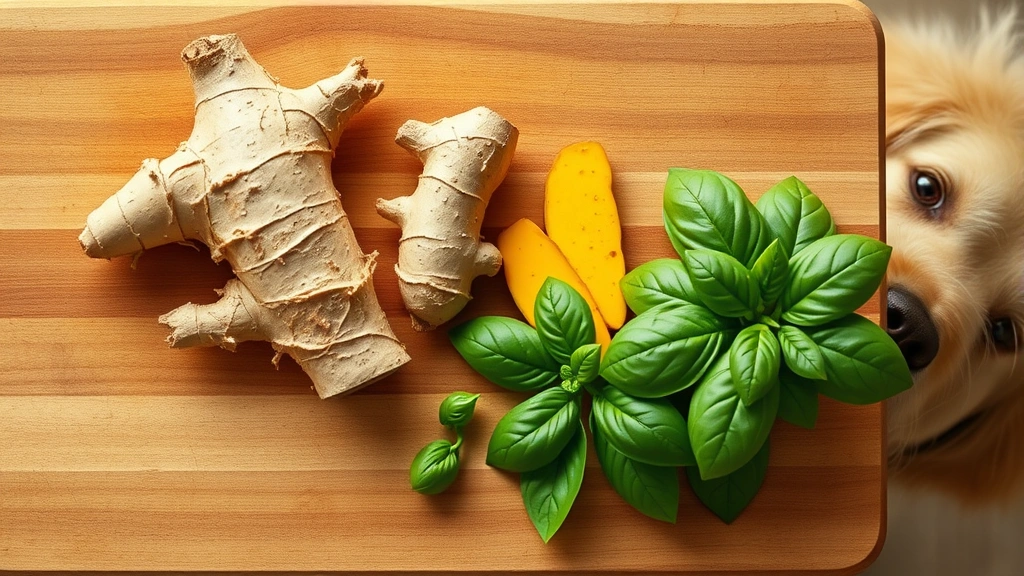
Look, we get it—when you’re cooking up something delicious, your furry friend gives you those puppy dog eyes and suddenly you’re wondering if a little pinch of that amazing spice blend will hurt them. Here’s the truth: spices safe for pets actually exist, and knowing which ones won’t send Fido to the emergency vet is crucial for any pet parent who loves sharing their culinary adventures.
Table of Contents
- Why Spices Matter for Pet Health
- The Green Light: Spices Safe for Your Pets
- The Danger Zone: Toxic Spices for Dogs and Cats
- Understanding Pet-Friendly Seasoning for Homemade Meals
- Spices to Avoid During Illness and Recovery
- Natural Pet-Safe Flavor Alternatives to Spices
- Reading Pet Food Labels: Hidden Spices You Might Miss
- Establishing Your Dog Feeding Routine with Safe Ingredients
- Fresh Food Feeding and Safety Considerations
- When to Call the Vet: Spice Poisoning Symptoms
- Frequently Asked Questions
- Summary: Keeping Your Pet Safe in the Kitchen
The kitchen can be a minefield of hidden dangers for our four-legged companions. While some spices are totally fine in moderation, others are downright toxic and could cause serious health issues. This guide breaks down exactly which seasonings your pets can safely enjoy and which ones deserve a permanent spot on the “absolutely not” list.
Why Spices Matter for Pet Health
Before we dive into the safe stuff, let’s talk about why this matters. Your dog’s and cat’s digestive systems are fundamentally different from ours. They have fewer taste buds, different enzyme compositions, and metabolize certain compounds in ways that can make common kitchen spices dangerous. Some spices contain compounds that can damage red blood cells, irritate their stomachs, or cause neurological issues.
When you’re following a homemade pet food schedule, understanding which seasonings are acceptable becomes even more important. You want to add flavor to your pet’s meals without accidentally poisoning them—that’s not exactly the vibe.
The Green Light: Spices Safe for Your Pets
Let’s start with the good news. Several common spices are actually safe for dogs and cats when used in small amounts. These pet-friendly seasonings can add flavor to homemade meals without causing harm.
Turmeric is one of the rockstars of pet-safe spices. This golden powder contains curcumin, which actually has anti-inflammatory properties that might benefit your pet’s joints and digestion. Just keep it to tiny amounts—we’re talking a pinch here and there, not tablespoons.
Ginger is another winner. It can help with nausea and digestive upset, making it particularly useful for pets with sensitive stomachs. Fresh ginger in small quantities is generally safe, though some pets might find it too spicy for their liking.
Parsley (the fresh kind, not the dried) is safe and can even freshen your pet’s breath. It’s packed with vitamins and minerals, making it a legitimate nutritional addition rather than just a flavoring agent.
Basil is totally fine in moderation. This herb is non-toxic and some pets actually enjoy the flavor. It contains antioxidants, so you’re not just being fancy—you’re potentially adding health benefits.
Cinnamon in very small amounts won’t hurt your pet, though the jury’s still out on whether it provides real benefits. The key word here is “small”—we’re not talking cinnamon toast levels of seasoning.
The Danger Zone: Toxic Spices for Dogs and Cats
Now for the scary stuff. These spices are absolutely off-limits and should never make it into your pet’s food bowl, even in tiny amounts.
Garlic and onions are the biggest offenders. Both contain compounds called thiosulfates that damage dogs’ and cats’ red blood cells, potentially causing hemolytic anemia. This is serious—we’re talking a potential trip to the emergency vet. It doesn’t matter if it’s fresh, powdered, cooked, or raw; garlic and onions are always dangerous.
Nutmeg is surprisingly toxic to pets. Even small amounts can cause neurological issues, including tremors, seizures, and central nervous system problems. If your pet accidentally ingests nutmeg, contact your vet immediately.
Chili powder and cayenne pepper will irritate your pet’s digestive system and can cause vomiting, diarrhea, and abdominal pain. These spicy seasonings are just too intense for pet stomachs.
Mustard seeds contain compounds that can cause gastroenteritis in dogs and cats. While unlikely to be fatal, they’ll definitely make your pet miserable.

Black pepper in large quantities can irritate the gastrointestinal tract. A tiny bit probably won’t cause problems, but there’s no real benefit to adding it to pet food, so why risk it?
Understanding Pet-Friendly Seasoning for Homemade Meals
If you’re preparing homemade diet supplements for pets, you need a different mindset than cooking for yourself. The goal isn’t to create restaurant-quality flavor profiles; it’s to provide balanced nutrition while keeping things interesting for your pet.
The safest approach is to season your pet’s portion separately from your family’s meal. Cook the base ingredients plain, set aside your pet’s portion, then add your preferred seasonings to the rest. This way, you’re not tempted to add “just a little” of something that might be harmful.
When you do use safe spices, remember that pets have sensitive palates. What seems like a mild pinch to you might be overwhelming to them. Start with incredibly small amounts and observe how your pet reacts. Some dogs and cats might refuse seasoned food altogether, and that’s perfectly fine.
Spices to Avoid During Illness and Recovery
When your pet is unwell, this is absolutely not the time to experiment with spices. If you’re following guidance for feeding during illness, stick to bland, unseasoned foods unless your vet specifically recommends otherwise.
Sick pets have compromised digestive systems, and even normally safe spices can cause problems. Stick to plain chicken, rice, and vegetables until your vet gives the all-clear for normal meals.
Natural Pet-Safe Flavor Alternatives to Spices
If you want to make your pet’s food more interesting without relying on spices, you have options. Low-sodium bone broth adds incredible flavor and nutritional benefits. Sweet potato, carrots, and green beans provide natural sweetness and texture variation. Some pets go crazy for a tiny bit of apple or banana (without seeds, obviously).
These whole-food additions give you flavor and nutrition without the risk associated with spices. Plus, your pet can actually digest and benefit from these foods in ways they might not with seasonings.
Reading Pet Food Labels: Hidden Spices You Might Miss
When you’re buying commercial pet food, spices might be hiding in the ingredient list under different names. “Natural flavoring” could include garlic or onion powder. “Spice blend” might contain dangerous ingredients. Always read the full ingredient list, and if something seems suspicious, contact the manufacturer or ask your vet.
This is especially important if your pet has a history of digestive issues or if you’re trying to identify what triggered a reaction.
Establishing Your Dog Feeding Routine with Safe Ingredients
Creating a consistent dog feeding routine with safe, unseasoned foods is actually easier than you might think. Most dogs thrive on simple, consistent meals. Plain cooked chicken, brown rice, and steamed vegetables make a perfectly adequate meal without any spices whatsoever.
The routine itself—feeding at the same time each day—is more important to your dog’s health and happiness than having fancy seasonings. Dogs are creatures of habit, and they find comfort in predictability.
Fresh Food Feeding and Safety Considerations
If you’re switching to a fresh food feeding routine, congratulations on taking your pet’s nutrition seriously. Just remember that fresh doesn’t automatically mean seasoned. In fact, fresh, whole ingredients need minimal to no seasoning to provide excellent nutrition.
The beauty of fresh feeding is that the quality of the ingredients speaks for itself. Your pet gets the nutritional benefits of whole foods without any unnecessary additives or seasonings.

When to Call the Vet: Spice Poisoning Symptoms
If your pet accidentally ingests a toxic spice, watch for these warning signs: vomiting, diarrhea, lethargy, loss of appetite, abdominal pain, tremors, or difficulty breathing. Some symptoms appear immediately, while others might develop over hours or days.
If you suspect spice poisoning, call your vet or animal poison control immediately. Have the name of the spice ready and tell them how much your pet consumed. Don’t wait to see if symptoms develop—it’s always better to err on the side of caution with potential toxins.
Frequently Asked Questions
Can dogs eat spicy food?
No, dogs should not eat spicy food. Spicy seasonings irritate their digestive systems and can cause vomiting, diarrhea, and discomfort. Stick to bland, unseasoned foods for your canine companion.
Is cinnamon safe for cats?
In very small amounts, cinnamon is safe for cats. However, there’s no real benefit to adding it to their food, and cats generally dislike strong flavors anyway. It’s better to skip it entirely.
What should I do if my dog ate garlic?
Contact your veterinarian or animal poison control immediately. The severity of the reaction depends on the amount consumed and your dog’s size. Your vet can advise you on whether your dog needs treatment and monitoring.
Are herbs different from spices when it comes to pet safety?
Not necessarily. While some fresh herbs like basil and parsley are safe, others like oregano in large amounts can be problematic. Always research specific herbs before adding them to your pet’s food.
Can I give my pet turmeric for joint health?
Small amounts of turmeric are safe and may provide anti-inflammatory benefits. However, always consult your vet before adding supplements or medicinal spices to your pet’s diet, especially if they’re taking other medications.
Summary: Keeping Your Pet Safe in the Kitchen
Here’s the bottom line: spices safe for pets do exist, but they’re limited. Turmeric, ginger, fresh parsley, basil, and cinnamon in tiny amounts are generally okay. Everything else—especially garlic, onions, nutmeg, and chili powder—should stay far away from your pet’s food bowl.
The safest approach is to cook your pet’s meals plain and unseasoned. Your dog and cat don’t need fancy seasonings to thrive; they need quality ingredients, consistent feeding schedules, and your love. If you want to add flavor, stick to safe whole foods like bone broth and vegetables.
When in doubt, ask your veterinarian. They know your specific pet’s health history and can give personalized advice about what’s safe. Your vet is always your best resource for questions about pet nutrition and safety.
Keep your kitchen a safe haven for your furry family members by understanding which spices belong nowhere near their food. Your pet will be healthier, happier, and you’ll have peace of mind knowing you’re not accidentally poisoning them with that innocent-looking spice rack.
References: American Kennel Club (AKC), PetMD, and ASPCA Animal Poison Control Center provide extensive resources on pet-safe foods and toxic substances.





