

A spotted dog isn’t just a pretty face with adorable patches—it’s a commitment to understanding the unique health, grooming, and behavioral needs that come with those eye-catching markings. Whether you’ve got a Dalmatian covered in black spots, a Brittany Spaniel with liver patches, or a mixed breed with mysterious freckles, spotted dogs require specific care strategies that go beyond standard pet ownership.
Table of Contents
- Understanding Spotted Dog Breeds and Genetics
- Skin Care: Your Spotted Dog’s Best Friend
- Grooming Requirements for Spotted Dogs
- Nutrition and Diet Considerations
- Exercise and Activity Needs
- Ear and Eye Health for Spotted Dogs
- Dental Care and Oral Health
- Training and Behavioral Considerations
- Health Screening and Preventative Care
- Frequently Asked Questions
- Summary: Caring for Your Spotted Dog
Let’s be real: spotted dogs turn heads. People stop you on the street, ask a million questions, and probably assume your pup is either incredibly athletic or has some rare genetic condition. The truth? Most spotted dogs are just regular dogs with fabulous fashion sense. But here’s the thing—those spots and patches often come with breed-specific considerations that every owner should know about.
Understanding Spotted Dog Breeds and Genetics
Not all spots are created equal. A spotted dog can inherit its markings through various genetic pathways, and understanding this matters more than you’d think. The piebald gene is responsible for many spotted patterns you see in popular breeds, creating those gorgeous patches and speckles across a dog’s coat.
Some spotted dog breeds, like Dalmatians, are famous for their distinctive black-and-white pattern. Others, like English Springer Spaniels or Australian Cattle Dogs, display more varied spotting patterns. Even mixed breeds can rock the spotted look, and these dogs often inherit unpredictable marking combinations that make them unique.
The genetics behind spotting also influence skin sensitivity in some cases. Certain spotted dogs are more prone to pigmentation-related skin conditions, which we’ll cover in detail below.

Skin Care: Your Spotted Dog’s Best Friend
Here’s something most new spotted dog owners don’t realize: those beautiful patches often come with sensitive skin. The pigmented areas of a spotted dog‘s coat can be more susceptible to sunburn, especially in breeds with lighter base coats and darker spots.
Invest in a high-quality, hypoallergenic dog shampoo specifically formulated for sensitive skin. Bathe your spotted dog every 4-6 weeks (unless they’re particularly dirty), and always use lukewarm water. Hot water can strip natural oils from their coat and irritate the skin underneath.
Don’t forget sunscreen! Yes, really. For spotted dogs with light-colored skin between the spots, applying pet-safe sunscreen (never human sunscreen) to exposed areas before outdoor activities can prevent painful sunburns. Look for SPF 30 or higher, and reapply every 2 hours if your pup is swimming or sweating.
According to the American Kennel Club, certain spotted dog breeds are predisposed to specific dermatological conditions. Regular vet check-ups can catch issues early before they become serious problems.

Grooming Requirements for Spotted Dogs
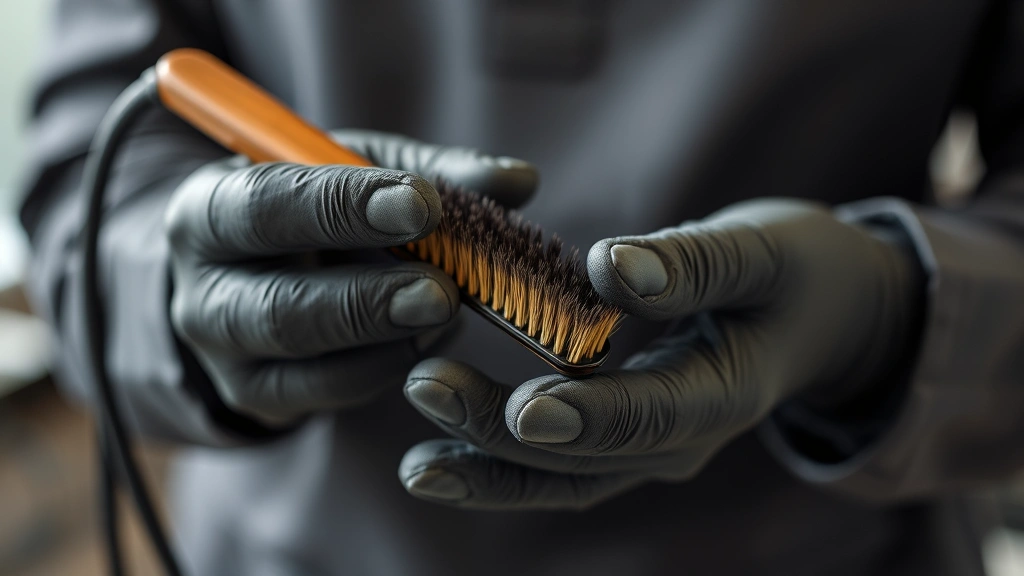
Grooming a spotted dog isn’t just about aesthetics—it’s essential preventative care. Most spotted breeds have either short, dense coats or medium-length coats that shed like nobody’s business. Invest in a quality slicker brush and undercoat rake to manage shedding and prevent matting.
Brush your spotted dog at least 2-3 times per week during shedding season (which, let’s be honest, is basically always). Regular brushing removes dead hair, distributes natural oils, and helps you spot any skin issues early. You might notice unusual bumps, rashes, or irritation that requires veterinary attention.
Nail trimming is crucial too. Spotted dogs, particularly active breeds like Brittany Spaniels or Pointer mixes, wear their nails down faster than sedentary dogs. Trim nails every 3-4 weeks, or whenever you hear them clicking on hardwood floors.
Nutrition and Diet Considerations
Your spotted dog’s diet directly impacts coat health and skin condition. A high-quality dog food rich in omega-3 and omega-6 fatty acids keeps that spotted coat shiny and healthy. Look for foods listing real meat as the first ingredient and containing fish oil or flaxseed.

Some spotted dog breeds have specific dietary needs based on their size and activity level. A spotted Dalmatian, for example, requires different caloric intake than a spotted Cavalier King Charles Spaniel. Work with your veterinarian to determine appropriate portion sizes and feeding schedules.
PetMD recommends that owners of spotted dogs avoid foods with excessive fillers, artificial preservatives, and by-products. These ingredients can trigger allergic reactions and skin inflammation in sensitive spotted dog breeds.
Consider adding occasional supplements like fish oil capsules (designed for dogs) to support skin health. Always consult your vet before introducing new supplements to ensure they won’t interact with any medications.
Exercise and Activity Needs
Different spotted dog breeds have vastly different exercise requirements. A spotted English Pointer needs significantly more activity than a spotted Cavalier. Understanding your specific spotted dog’s energy level is crucial for preventing behavioral problems and maintaining healthy weight.

Most spotted hunting and working breeds require at least 1-2 hours of vigorous exercise daily. Without adequate activity, these dogs become destructive, anxious, and prone to weight gain. Spotted companion breeds might be satisfied with 30-45 minutes of moderate exercise.
Mix up activities to keep your spotted dog mentally stimulated. Combine walks, fetch sessions, swimming, and puzzle toys. Mental enrichment is just as important as physical exercise, especially for intelligent spotted dog breeds.
Ear and Eye Health for Spotted Dogs
Many spotted dog breeds, particularly those with floppy ears like Brittany Spaniels or spotted Beagles, are prone to ear infections. The combination of ear structure and skin sensitivity makes regular ear maintenance essential.
Check your spotted dog’s ears weekly for redness, discharge, or odor. Clean them gently with a veterinarian-approved ear cleaner every 2 weeks. Never insert cotton swabs deep into the ear canal—stick to cleaning the outer ear flap and entrance.

Eye health matters too. Some spotted dog breeds inherit eye conditions like progressive retinal atrophy or hip dysplasia. Schedule regular veterinary eye exams, especially if you notice excessive tearing, cloudiness, or discharge. Cornell University’s College of Veterinary Medicine provides excellent resources on breed-specific eye conditions.
Dental Care and Oral Health
Your spotted dog’s teeth deserve attention too. Dental disease affects approximately 80% of dogs over age 3, and spotted dogs aren’t immune. Start a consistent dental care routine early by brushing teeth 3-4 times weekly with dog-specific toothpaste.
Provide dental chews and toys designed to reduce plaque buildup. Schedule professional cleanings with your veterinarian annually, or more frequently if your spotted dog shows signs of dental disease like bad breath or difficulty eating.
Training and Behavioral Considerations
Spotted dog breeds often have distinct personality traits tied to their breeding history. Hunting-bred spotted dogs like Pointers and Setters have high prey drives and require consistent training to prevent chasing behaviors. Companion-bred spotted dogs might be more laid-back but equally stubborn.

Early socialization is crucial for all spotted dogs. Expose your pup to various people, environments, and other animals between 3-14 weeks of age. This critical period shapes their confidence and reduces anxiety-related behaviors later in life.
Consistent, positive-reinforcement training works best for most spotted dog breeds. Avoid harsh corrections, which can create fear-based behaviors and damage your relationship with your pup. Consider enrolling in a professional obedience class to establish good habits early.
Health Screening and Preventative Care
Before adopting or purchasing a spotted dog, request health screening results from the breeder. Reputable breeders screen parent dogs for genetic conditions common in their breed. For spotted dogs, this might include hip and elbow dysplasia, eye examinations, or cardiac evaluations.
Establish a relationship with a trusted veterinarian and schedule annual wellness exams. During these visits, discuss breed-specific health concerns for your spotted dog. Early detection of conditions like hypothyroidism, allergies, or joint problems can significantly improve your dog’s quality of life.
Keep vaccination records current, maintain heartworm and flea prevention year-round, and discuss appropriate screening tests based on your spotted dog’s age and breed predispositions.
Frequently Asked Questions
Are spotted dogs more prone to health problems than solid-colored dogs?
Not necessarily. While certain spotted dog breeds inherit specific health predispositions, these are breed-related rather than spot-related. A spotted Dalmatian might have different health concerns than a solid-colored Labrador, but this reflects breed genetics, not coat pattern. That said, some spotted dogs do have increased skin sensitivity due to pigmentation patterns, making consistent skin care important.
Can you predict a puppy’s spot pattern before birth?
Partially. Breeders with experience can make educated guesses about spot patterns based on parent genetics, but surprises happen. Even littermates can have dramatically different spotting patterns. This unpredictability is part of what makes spotted dogs so charming!
Do spotted dogs require different training than other dogs?
Training methods remain consistent across all dogs, but spotted dog breeds may have different motivations and energy levels. Hunting-breed spotted dogs often respond well to retrieving games, while companion-breed spotted dogs might prefer gentler activities. Tailor training to your individual dog’s personality rather than coat pattern.

Is it okay to leave a spotted dog outside in the sun all day?
No. Extended sun exposure can lead to sunburn, especially on light-colored areas between spots. Provide shade, fresh water, and limit midday sun exposure during hot months. Consider pet-safe sunscreen for particularly vulnerable spotted dogs.
What’s the best diet for a spotted dog?
High-quality commercial dog food formulated for your spotted dog’s size and activity level works well for most dogs. Look for foods with real meat as the primary ingredient and omega fatty acids for skin health. Consult your veterinarian for personalized dietary recommendations based on your dog’s specific needs.
Summary: Caring for Your Spotted Dog
Owning a spotted dog comes with specific responsibilities that go beyond standard dog care. From managing sensitive skin to understanding breed-specific health concerns, successful spotted dog ownership requires knowledge and commitment. Prioritize regular veterinary care, maintain consistent grooming routines, provide appropriate exercise, and establish strong training foundations early.
Remember that your spotted dog’s unique markings make them special, but it’s their individual personality and needs that should guide your care decisions. Whether you have a purebred spotted dog or a mixed breed with mysterious patches, these care tips will help ensure your pup lives a long, healthy, and happy life. Those spots might fade slightly with age, but the bond you build through attentive care will only deepen.
For more information about specific spotted dog breeds, check out our guides on Labrador German Shepherd Mix Dogs and Maremma Sheepdog Dogs. And if you’re curious about nutrition, learn about whether lamb meat is good for dogs.





