

Staffordshire dogs are some of the most misunderstood yet absolutely lovable companions you could ever bring into your home. Despite their tough appearance and muscular build, these pups are basically walking teddy bears with a serious case of the zoomies. If you’re thinking about getting a Staffy or already have one, this guide will walk you through everything you need to know to keep your four-legged friend happy, healthy, and out of trouble.
Table of Contents
- What Exactly Are Staffordshire Dogs?
- The Staffy Temperament: Myth vs. Reality
- Training Your Staffordshire: Building the Perfect Companion
- Exercise and Activity: Burning Off That Boundless Energy
- Nutrition and Diet: Feeding Your Muscular Friend
- Health Considerations and Preventative Care
- Socialization: Making Your Staffy a Social Butterfly
- Grooming and Coat Care: Keeping Your Staffy Looking Sharp
- Living Arrangements and Housing Considerations
- Common Behavioral Issues and Solutions
- Staffies and Other Pets: Creating a Harmonious Household
- The Senior Staffy: Caring for Your Aging Companion
- Frequently Asked Questions
- Conclusion: Your Staffordshire Dog Journey
What Exactly Are Staffordshire Dogs?
Staffordshire dogs—often called Staffies or Staffords—come from two main types: the Staffordshire Bull Terrier and the American Staffordshire Terrier. Both breeds originated from bull-baiting and dog-fighting backgrounds in 19th-century England, but don’t let that history scare you. Modern Staffordshire dogs are far removed from those dark days. These medium-sized powerhouses typically weigh between 24-65 pounds, depending on the specific breed, and they’re packed with personality. They’ve got short, glossy coats that come in a variety of colors—brindle, fawn, red, and black are super common. The real kicker? These dogs have absolutely massive hearts and an almost ridiculous love for their humans.

The Staffy Temperament: Myth vs. Reality
Let’s address the elephant in the room: Staffordshire dogs have a reputation problem. Media coverage has painted them as aggressive monsters, but that’s about as accurate as calling a golden retriever a guard dog (okay, technically possible, but not their vibe). The truth is, Staffies are naturally friendly, affectionate, and eager to please. They’re known as “nanny dogs” in some circles because of their incredible patience with children. That said, they’re still strong dogs that need proper training and socialization. Early exposure to different people, animals, and environments is crucial. A well-trained Staffy is basically a four-legged ambassador of goodwill, ready to befriend literally everyone they meet. Check out the AKC’s official Staffordshire Bull Terrier breed standards for more detailed information on breed temperament and characteristics.

Training Your Staffordshire: Building the Perfect Companion
Training a Staffordshire dog isn’t rocket science, but it does require consistency and patience. These dogs are incredibly intelligent and food-motivated, which means they’ll do pretty much anything for a treat and a belly rub. Start early with basic commands—sit, stay, come, down. Use positive reinforcement exclusively; Staffies respond terribly to harsh corrections and will just shut down. They’re sensitive souls underneath all that muscle. Crate training is your friend, especially if you’re working during the day. A proper large dog harness is essential for walks, as these powerful pups can pull like freight trains if they haven’t learned leash manners. Consistency is key—if everyone in your household enforces the same rules, your Staffy will get it. Most importantly, make training fun. These dogs have a sense of humor and will respond better to playful, upbeat sessions than boring repetition.

Exercise and Activity: Burning Off That Boundless Energy
Staffordshire dogs are athletic beasts that need regular exercise to stay happy and prevent destructive behavior. We’re talking at least 60 minutes of activity per day—walks, runs, playtime, or a combination thereof. These aren’t couch potatoes; they’re built for action. They love fetch, tug-of-war, and agility training. Many Staffies excel in dog sports like weight pulling (yes, it’s a thing), dock diving, and obedience competitions. Mental stimulation is equally important as physical exercise. Puzzle toys, training sessions, and interactive games keep their brains engaged. A bored Staffy is a destructive Staffy, and you do not want to come home to your couch looking like it went through a shredder. If you have a particularly high-energy pup, you might want to explore low energy dog breeds comparisons to understand where your Staffy falls on the activity spectrum.
Nutrition and Diet: Feeding Your Muscular Friend
Staffordshire dogs need quality nutrition to maintain their muscular physiques and overall health. High-protein diets (around 20-25% protein) are ideal for these active dogs. Look for dog foods with real meat as the first ingredient—chicken, beef, fish, or lamb. Avoid cheap fillers and by-products that don’t provide real nutritional value. Portion control is important because Staffies can get chunky if overfed, which puts stress on their joints. Most adult Staffies do well on two meals per day. Always provide fresh water. Some human foods are fine as occasional treats, but definitely avoid toxic ones. Speaking of which, is ham bad for dogs—yes, actually. High sodium content makes it a no-go. Consult with your vet about the best diet for your individual dog, especially if they have any health concerns. Check out PetMD’s dog nutrition guide for comprehensive dietary information.

Health Considerations and Preventative Care
Staffordshire dogs are generally hardy, but they’re prone to a few specific health issues. Hip dysplasia, elbow dysplasia, and heart conditions (particularly dilated cardiomyopathy) can occur in the breed. Responsible breeders screen for these conditions before breeding. Regular vet check-ups are essential—aim for annual visits, or twice yearly once your Staffy hits senior years (around age 7). Keep up with vaccinations, flea and tick prevention, and heartworm medication. Dental care is often overlooked but super important; brush your dog’s teeth regularly or have professional cleanings done. Maintain a healthy weight to reduce joint stress. Staffies can also be prone to skin allergies and ear infections, so monitor those areas and address issues quickly. A healthy Staffy can live 12-16 years, so investing in preventative care early pays dividends.

Socialization: Making Your Staffy a Social Butterfly
Early and ongoing socialization is absolutely non-negotiable for Staffordshire dogs. Expose your pup to different people, places, sounds, and experiences during their critical socialization window (roughly 3-14 weeks of age). Take them to puppy classes, dog parks (carefully), pet stores, and on car rides. Let them meet friendly dogs and humans of all ages. Positive early experiences build confidence and reduce fear-based aggression. Even after puppyhood, continue exposing your Staffy to new situations. A well-socialized Staffordshire dog is genuinely one of the friendliest dogs you’ll ever meet. They’ll greet the mailman like an old friend and probably try to befriend every dog at the park. The key is making sure these interactions are positive and controlled, especially in the early stages. If you notice any signs of fear or aggression, work with a certified professional dog trainer immediately.

Grooming and Coat Care: Keeping Your Staffy Looking Sharp
Staffordshire dogs have short, dense coats that shed—and we mean they shed. Brush them at least 2-3 times per week with a rubber curry brush or deshedding tool to minimize the hair tumbleweeds rolling through your house. During shedding season (spring and fall), daily brushing is your best friend. Baths are only necessary every 4-8 weeks unless your dog gets particularly dirty. Use a good quality dog shampoo and make sure to dry them thoroughly. Check and clean their ears weekly, especially if they have floppy ears or spend time in water. Trim their nails every 3-4 weeks or when you hear them clicking on the floor. Brush their teeth daily if possible, or at least several times a week. Most Staffies don’t need professional grooming since they have short coats, but regular maintenance keeps them healthy and comfortable. Plus, grooming sessions are great bonding time with your pup.

Living Arrangements and Housing Considerations
Despite their size and energy, Staffordshire dogs can actually adapt to various living situations. They’re not necessarily outdoor dogs—they prefer being with their people. An apartment is fine as long as you provide adequate exercise and mental stimulation. A yard is nice but not essential. However, be aware that many apartments and rental properties have breed restrictions targeting pit bull-type dogs, which unfortunately includes Staffies. Some insurance companies also have restrictions. It’s worth checking local regulations before getting a Staffy. If you do have a yard, make sure it’s securely fenced (at least 5-6 feet high) because these dogs are surprisingly athletic jumpers. They also shouldn’t be left outside for extended periods; they’re social animals that need human interaction. Indoor living with regular outdoor exercise is ideal. If you’re in an apartment, make sure you’re committed to daily walks and activities.
Common Behavioral Issues and Solutions
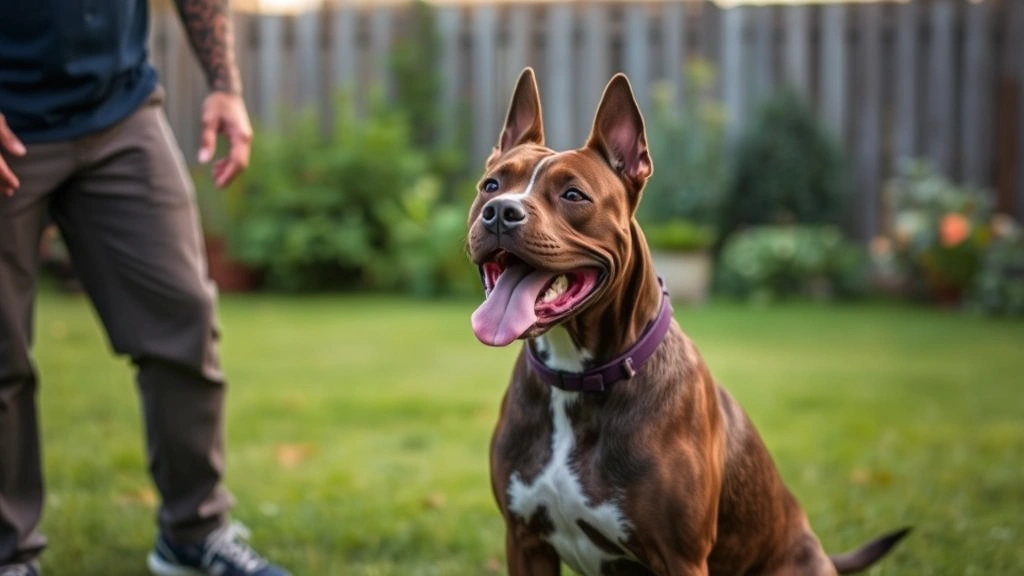
Staffordshire dogs are generally well-behaved when properly trained and exercised, but they can develop behavioral issues if their needs aren’t met. Destructive behavior usually stems from boredom, anxiety, or excess energy. The solution? More exercise and mental stimulation. Jumping on people is common in Staffies because they’re enthusiastic and want attention. Ignore the jumping and only give attention when all four paws are on the ground. Pulling on the leash can be addressed through consistent training and using a large dog harness for better control. Excessive barking might indicate they need more socialization or activity. Resource guarding (being protective of food or toys) should be addressed immediately with professional help if it’s severe. Separation anxiety can develop if Staffies spend too much time alone. Crate training and gradual desensitization help. The bottom line: most behavioral issues are preventable through proper training, socialization, exercise, and meeting your dog’s emotional needs.

Staffies and Other Pets: Creating a Harmonious Household
Staffordshire dogs can absolutely live peacefully with other dogs and pets, but early introduction and careful management are crucial. Some Staffies have prey drive toward small animals like cats, rabbits, or hamsters, while others are perfectly fine. Early socialization with other animals helps tremendously. If you’re introducing a Staffy to an existing pet, do it gradually in neutral territory. Always supervise interactions, especially initially. Some Staffies are better with opposite-sex dogs, while others do fine with same-sex companions. Every dog is an individual. If you’re considering getting a second dog, consult with your vet or a professional trainer about compatibility. With proper introduction and ongoing management, many Staffies become best friends with other household pets. They’re pack animals by nature and often enjoy canine companionship.

The Senior Staffy: Caring for Your Aging Companion
As your Staffordshire dog enters their senior years (around age 7), their needs change. They might not need as much intense exercise, but they still need regular activity to maintain muscle mass and joint health. Adjust their diet if recommended by your vet—senior formulas often have different nutrient balances. Watch for signs of arthritis, cognitive decline, or other age-related issues. More frequent vet visits (twice yearly) help catch problems early. Provide comfortable bedding, maintain a healthy weight, and keep their mind engaged. Many senior Staffies become couch potatoes but still enjoy gentle walks and mental stimulation. Pain management might become necessary; talk to your vet about options. The bond you’ve built over the years deepens even more during their senior years. Cherish every moment because these wonderful dogs give so much love.

Frequently Asked Questions
Are Staffordshire dogs dangerous?
No, Staffordshire dogs are not inherently dangerous. They’re friendly, affectionate dogs that have been unfairly stigmatized. Like any dog, their behavior depends on breeding, training, socialization, and how they’re treated. A well-raised Staffy is one of the most loving companions you could have.
How long do Staffordshire dogs live?
Staffordshire dogs typically live 12-16 years with proper care. Some live even longer. Good nutrition, regular exercise, preventative veterinary care, and a loving home environment contribute to a long, healthy life.
Do Staffordshire dogs shed a lot?
Yes, Staffies shed year-round, with heavier shedding during spring and fall. Regular brushing (2-3 times per week, daily during shedding season) helps manage the hair. They’re not hypoallergenic, so if you have allergies, this might not be the breed for you.
Can Staffordshire dogs live in apartments?
Absolutely. As long as you provide adequate daily exercise and mental stimulation, Staffies do fine in apartments. They’re people-oriented dogs that prefer being indoors with their families rather than living outside.
What’s the difference between a Staffordshire Bull Terrier and an American Staffordshire Terrier?
The Staffordshire Bull Terrier is smaller (24-38 pounds) and originated in England. The American Staffordshire Terrier is larger (55-70 pounds) and was developed in the United States. Both are loving, loyal dogs, but they have slight differences in size and build.
Do Staffordshire dogs need special training?
Staffordshire dogs benefit from the same training any dog needs: basic obedience, socialization, and consistent rules. They’re intelligent and food-motivated, making them relatively easy to train with positive reinforcement methods.
Are Staffordshire dogs good with children?
Yes, Staffies are excellent with children. They’re patient, playful, and protective. However, like any dog, they should be supervised with young children, and children should be taught how to interact respectfully with dogs.
Conclusion: Your Staffordshire Dog Journey
Staffordshire dogs are incredible companions that deserve better than the negative reputation they’ve been saddled with. These muscular, loyal, and affectionate pups bring joy, laughter, and unconditional love to their families. Raising a happy Staffy comes down to providing proper training, regular exercise, quality nutrition, preventative healthcare, and most importantly, genuine love and companionship. They’re not the easiest dogs for first-time owners—they need commitment and consistency—but the rewards are immeasurable. A well-raised Staffordshire dog will be your shadow, your adventure buddy, and your most loyal friend. If you’re ready to give a Staffy the home and care they deserve, you’re in for an absolutely wonderful ride. These dogs have so much love to give; they just need someone willing to give it right back. Whether you’re a seasoned dog owner or considering your first Staffy, remember that every dog is an individual. Work with professionals when needed, stay patient during training, and enjoy the amazing journey of dog ownership with one of the most beautiful breeds around.
External Resources: For more breed information, visit the American Kennel Club’s Staffordshire Bull Terrier page, PetMD’s breed guide, or consult your local veterinary professional or university veterinary school for health and care questions.





