

If you’re wondering whether Stella and Chewy dog food is the right choice for your furry best friend, you’ve landed in the right spot. This brand has been making waves in the pet food industry with its raw and freeze-dried formulas, but does it actually live up to the hype? Let’s dig into everything you need to know before you switch your pup’s dinner bowl.
Table of Contents
- What Exactly Is Stella and Chewy Dog Food?
- Product Lines: Raw, Freeze-Dried, and Beyond
- Ingredient Quality: What’s Actually in the Bowl?
- Nutritional Profile and Health Benefits
- Pricing: Is It Worth the Premium?
- Pros That’ll Make You Say “Yes, Please”
- Cons: The Reality Check
- Real Customer Experiences: What Dog Owners Actually Say
- Comparison with Similar Brands
- Nutritional Considerations for Specific Dogs
- Preparation and Feeding Guidelines
- Frequently Asked Questions
- The Verdict: Should You Switch to Stella and Chewy?
What Exactly Is Stella and Chewy Dog Food?
Stella and Chewy dog food isn’t your typical kibble-in-a-bag situation. Founded in 2003, this Colorado-based company specializes in raw and freeze-dried diets designed to mimic what dogs would naturally eat in the wild. The brand offers several product lines, including completely raw frozen meals, freeze-dried raw options, and kibble mixed with freeze-dried pieces. Think of it as the “farm-to-table” movement but for dogs.
The philosophy behind Stella and Chewy is straightforward: feed your dog like nature intended. They focus on high-quality proteins, minimal processing, and ingredients you can actually pronounce. No mystery meat by-products here—just real, recognizable food.
Product Lines: Raw, Freeze-Dried, and Beyond
Stella and Chewy offers multiple formats to fit different lifestyles:
Frozen Raw Meals: These are the OG products—completely raw meat, organs, and ground bone. They come in patties or chubs and require freezer space and thawing time.
Freeze-Dried Raw: This is the convenience option. The raw ingredients are freeze-dried, making them shelf-stable and travel-friendly. Just add water and serve.
Kibble with Freeze-Dried Pieces: A hybrid approach for those who want some raw benefits without going full raw. This combines traditional kibble with freeze-dried chunks.
Each format comes in various protein options like beef, chicken, turkey, and fish. If your pup has sensitivities, you’ll appreciate the limited ingredient dog food approach that Stella and Chewy emphasizes across their lines.
Ingredient Quality: What’s Actually in the Bowl?
Let’s talk ingredients, because this is where Stella and Chewy really tries to differentiate itself. The brand uses USDA beef, poultry, and fish as primary ingredients. You’ll see things like grass-fed beef, free-range chicken, and wild-caught fish—not just “meat meal” or “animal by-products.”
Their recipes typically include organ meats (liver, kidney, spleen), which are nutrient powerhouses that most commercial dog foods skip. They also incorporate vegetables like broccoli, Brussels sprouts, and spinach, plus fruits like blueberries and apples.
The freeze-drying process preserves nutrients without requiring artificial preservatives. Instead, they use mixed tocopherols (a natural form of vitamin E) for preservation. This is genuinely impressive compared to many competitors that rely on BHA, BHT, or ethoxyquin.
However, here’s the real talk: raw and freeze-dried diets still require careful handling. The FDA has expressed concerns about pathogenic bacteria in raw pet foods, though Stella and Chewy maintains rigorous testing protocols. Always follow proper food safety practices when handling these products.
Nutritional Profile and Health Benefits
Stella and Chewy dog food tends to be high in protein (typically 40-50%) and fat, mimicking a carnivore’s natural diet. For active dogs, senior pups, or those needing large breed dog food formulas, this protein-forward approach can be beneficial.
The inclusion of organ meats provides bioavailable nutrients like taurine, iron, and B vitamins. The raw format theoretically preserves enzymes that cooking destroys, though scientific evidence on enzyme benefits in pet food remains debated among veterinarians.
Digestibility is another claimed advantage. Since the ingredients are minimally processed, dogs may absorb nutrients more efficiently, potentially resulting in smaller, less frequent stools. Many owners report improved coat quality, higher energy levels, and better digestion after switching to Stella and Chewy.
That said, always consult your vet before making dietary changes, especially if your dog has existing health conditions. Some dogs with compromised immune systems or certain GI issues may not be candidates for raw diets.
Pricing: Is It Worth the Premium?
Let’s be honest—Stella and Chewy isn’t cheap. Frozen raw meals typically run $8-15 per pound, while freeze-dried options are even pricier at $15-20+ per pound. For a 70-pound dog, you might spend $40-80 monthly just on food.
Compare this to standard premium kibble at $2-5 per pound, and you’re looking at a significant investment. However, many owners argue that the health benefits justify the cost: fewer vet visits, better digestion, and improved overall wellness.
Pro tip: Buy in bulk, watch for sales, and consider mixing Stella and Chewy with other quality foods to stretch your budget. Some owners use it as a topper on traditional kibble rather than a complete meal replacement.

Pros That’ll Make You Say “Yes, Please”
✓ Transparent Ingredients: You know exactly what’s in every bite. No mysterious meat meals or artificial additives.
✓ High Protein Content: Excellent for active dogs and those needing muscle support.
✓ Minimal Processing: Raw and freeze-dried formats preserve nutritional integrity.
✓ Variety of Proteins: Multiple options help prevent food boredom and accommodate allergies. Their approach aligns with quality life’s abundance dog food philosophies.
✓ Freeze-Dried Convenience: The shelf-stable option removes freezer space concerns while maintaining raw benefits.
✓ Organ Meat Inclusion: A nutritional advantage over most competitors.
Cons: The Reality Check
✗ High Cost: Not budget-friendly for large dogs or tight finances.
✗ Raw Food Safety Concerns: Potential for bacterial contamination (Salmonella, E. coli) requires careful handling and storage.
✗ Freezer Space Required: The frozen options demand significant freezer real estate.
✗ Transition Period Needed: Dogs switching from kibble may experience digestive upset initially.
✗ Not AAFCO Certified: While their formulas are nutritionally complete, some owners prefer the assurance of AAFCO certification.
✗ Limited Research: Long-term studies on raw diets for dogs are still developing. The AAFCO and veterinary organizations continue debating raw food safety and nutritional adequacy.
Real Customer Experiences: What Dog Owners Actually Say
Browsing pet forums and review sites reveals genuinely mixed feedback. Some owners swear by Stella and Chewy, reporting shinier coats, better breath, and improved energy. Others say their dogs experienced digestive issues or showed no noticeable difference from quality kibble.
The consensus? Results vary dramatically based on individual dogs. What works wonderfully for one pup might not click with another. Factors like age, activity level, existing health conditions, and previous diet all influence outcomes.
One common theme: the freeze-dried options are more convenient than frozen raw but come at a premium price. Owners appreciate the portability for travel, though the cost can be shocking when you first see it.
Comparison with Similar Brands
If you’re considering alternatives, brands like Jinx dog food reviews and other raw-focused companies offer similar philosophies. However, Stella and Chewy generally maintains higher ingredient standards and more rigorous quality control than many competitors.
For those seeking raw benefits at lower prices, some regional brands offer frozen raw options. For those wanting premium kibble without raw complexity, exploring other high-end brands might be worthwhile.
Nutritional Considerations for Specific Dogs
Different dogs have different needs. Large breed puppies benefit from controlled calcium and phosphorus—something to verify before choosing Stella and Chewy formulas. Senior dogs might appreciate the high protein for muscle maintenance, though joint-supporting ingredients are limited compared to some alternatives.
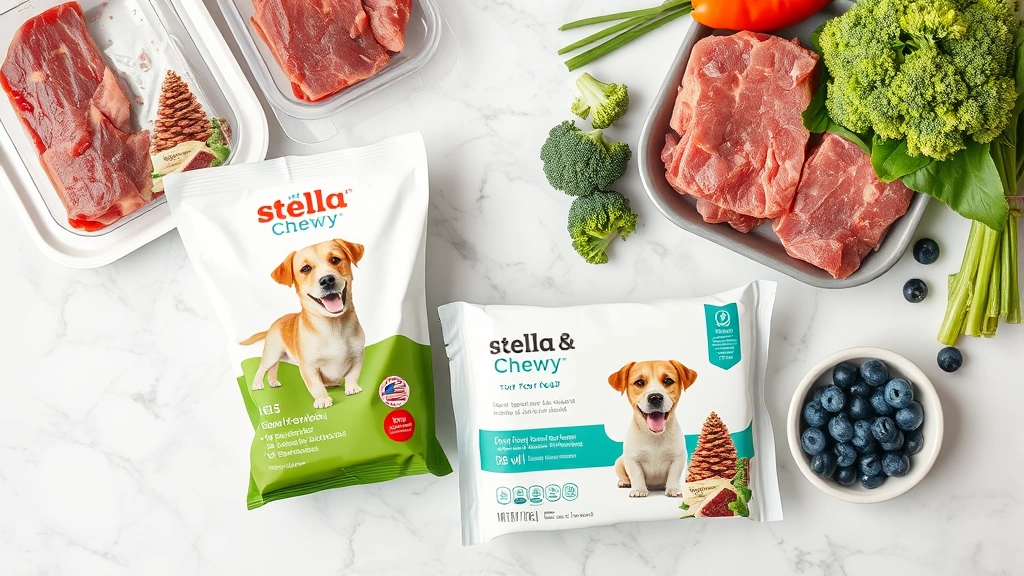
Dogs with food sensitivities often thrive on Stella and Chewy due to limited ingredients and high quality. The limited ingredient dog food approach naturally excludes common allergens.
For active, healthy adult dogs, the nutritional profile is generally excellent. Just ensure you’re selecting the appropriate life stage formula.
Preparation and Feeding Guidelines
Frozen raw requires thawing (plan ahead!), while freeze-dried needs water rehydration (typically 10-15 minutes). The kibble-with-freeze-dried hybrid serves immediately—no prep required.
Portion sizes depend on your dog’s weight and activity level. Stella and Chewy provides feeding guides, but your vet can offer personalized recommendations. Remember that raw diets are calorie-dense, so you’ll likely feed less volume than traditional kibble.
Switching gradually is crucial. Mix increasing amounts of Stella and Chewy with your dog’s current food over 7-10 days to avoid digestive upset.
Frequently Asked Questions
Is Stella and Chewy safe for puppies?
Stella and Chewy offers puppy-specific formulas, but raw diets for puppies require extra caution. Puppies have developing immune systems and need precise calcium-to-phosphorus ratios. Consult your vet before feeding raw to puppies, especially large breed puppies. Some veterinarians recommend waiting until skeletal maturity.
Can I mix Stella and Chewy with regular kibble?
Absolutely! Many owners use Stella and Chewy as a topper or mix it 50/50 with quality kibble. This approach stretches your budget while providing some raw diet benefits. Ensure both foods are nutritionally balanced and compatible.
Does Stella and Chewy have any recalls?
Like all pet food companies, Stella and Chewy has experienced recalls. Check the FDA’s pet food recall database regularly. The brand generally handles recalls transparently, though any recall is concerning. Research current status before purchasing.
Is raw dog food better than kibble?
This remains debated among veterinarians. Raw diets can offer benefits like improved digestion and coat quality, but they also carry food safety risks and require careful nutritional balance. Quality kibble is convenient, safe, and nutritionally adequate for most dogs. The “best” option depends on your dog’s individual needs and your comfort level with handling raw food.
How should I store Stella and Chewy products?
Frozen raw must stay frozen until 24 hours before serving. Thaw in the refrigerator, never at room temperature. Freeze-dried products stay shelf-stable in cool, dry places. Once rehydrated, freeze-dried meals should be refrigerated and used within 48 hours. Always follow package instructions for food safety.
Will my dog’s stool change on Stella and Chewy?
Many owners report smaller, firmer stools—a sign of better digestibility. However, some dogs experience loose stools during the transition period. This typically resolves within 1-2 weeks as their digestive system adapts. If it persists, consult your vet.
The Verdict: Should You Switch to Stella and Chewy?
Stella and Chewy dog food represents a genuine commitment to quality ingredients and minimal processing. If you have the budget, freezer space, and comfort with raw food handling, it’s worth trying—especially for dogs with sensitivities or those thriving on high-protein diets.
However, it’s not a necessity for every dog. Quality kibble from reputable brands can provide excellent nutrition at a fraction of the cost. The best food is the one your individual dog thrives on, whether that’s Stella and Chewy or something else entirely.
Before switching, consult your veterinarian. Discuss your dog’s specific health needs, age, and activity level. Consider starting with the freeze-dried option to test whether your dog enjoys it before committing to frozen raw.
For more information on raw diets and pet nutrition, check out resources from the AAFCO, PetMD, and your veterinary school’s nutrition department.
Ultimately, Stella and Chewy is a premium option that delivers on its promises of quality and transparency. Whether it’s right for your pup depends on your priorities, budget, and dog’s individual needs. Do your research, consult your vet, and make the choice that feels right for your family.





