
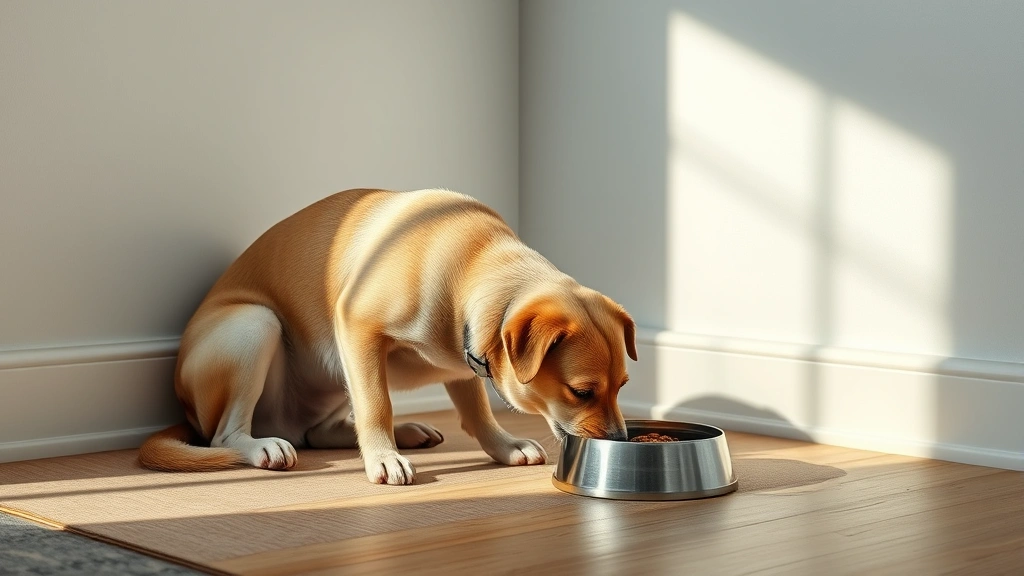
If you’ve got a shy, anxious, or naturally submissive pet, submissive pet feeding assistance might be the game-changer your furry friend desperately needs. These gentle creatures often struggle with confidence during mealtime, whether they’re intimidated by other pets, nervous about their environment, or just wired to be cautious. The good news? There are proven strategies to help your timid companion eat comfortably and confidently.
Table of Contents
- Understanding Submissive Pet Behavior During Feeding
- Method 1: Create a Safe, Isolated Feeding Space
- Method 2: Implement Timed Feeding With Gentle Encouragement
- Method 3: Use Feeding Enrichment Tools and Foraging Devices
- Method 4: Manage Multi-Pet Feeding Dynamics
- Method 5: Gradual Desensitization and Positive Reinforcement
- Nutritional Considerations for Anxious Eaters
- Signs Your Submissive Pet Is Making Progress
- Common Mistakes to Avoid
- When to Consult a Professional
- Frequently Asked Questions
- Summary: Empowering Your Submissive Pet Through Feeding
Understanding Submissive Pet Behavior During Feeding
Submissive pets aren’t just being picky eaters—they’re experiencing genuine anxiety. A submissive dog or cat may exhibit behaviors like eating too quickly out of fear, refusing meals entirely, or only eating when they feel completely safe. According to the American Kennel Club, stress-related feeding issues are more common than most pet owners realize, affecting roughly 15-20% of companion animals. Your submissive pet’s nervous system is essentially telling them that mealtime is a threat, not a treat. Understanding this fundamental difference helps you approach feeding with empathy rather than frustration.
Method 1: Create a Safe, Isolated Feeding Space
The simplest yet most effective approach to submissive pet feeding assistance is environmental control. Move your anxious pet’s food bowl to a quiet, low-traffic area away from other pets, children, and household chaos. Think of it as creating a zen den for dinner. A corner of your kitchen, a bathroom, or a dedicated feeding room works perfectly. Close the door if possible, and keep the space consistently the same each day. Your submissive pet will begin to associate this specific location with safety and comfort. Within a week or two, you’ll notice they’re eating with noticeably less hesitation. This method costs nothing but yields remarkable results—it’s like giving your pet permission to relax during meals.
Method 2: Implement Timed Feeding With Gentle Encouragement
Instead of leaving food out all day, switch to scheduled meal times with your submissive companion. Offer food for 15-20 minutes, then remove it whether eaten or not. This approach, recommended by PetMD, creates predictability and reduces anxiety. Your pet learns exactly when food arrives and disappears, which paradoxically makes them feel more in control. Start by sitting nearby during meals—not hovering intensely, but just present and calm. Your relaxed energy communicates that this is a safe activity. Gradually reduce your presence as their confidence builds. Some anxious pets also respond well to soft, encouraging words or gentle background music during feeding times.
Method 3: Use Feeding Enrichment Tools and Foraging Devices
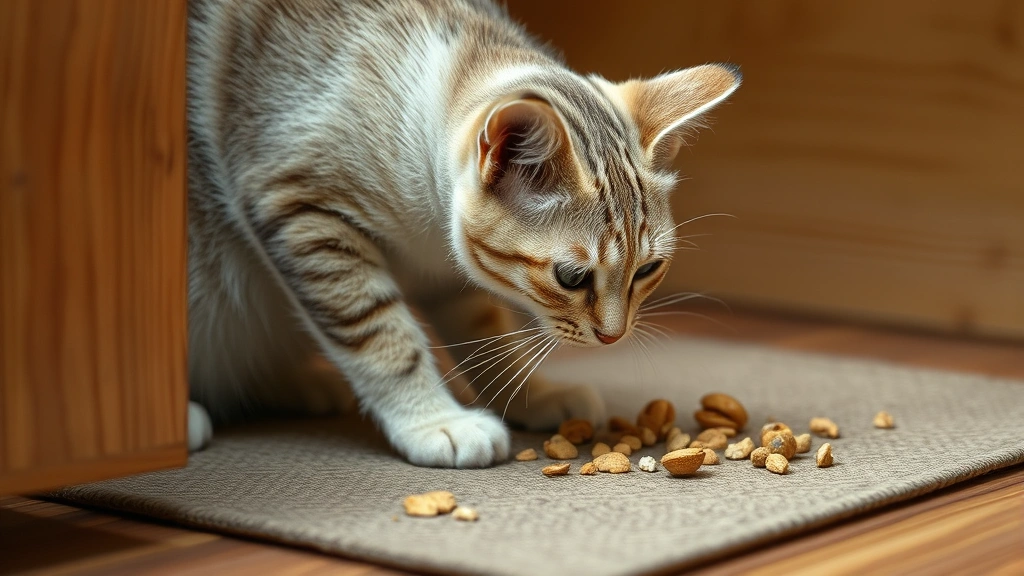
Submissive pets often feel more confident when food is presented in non-traditional ways. Lick mats and feeding schedules transform mealtime into a low-pressure activity where your pet focuses on the food experience rather than their anxiety. Snuffle mats for feeding work similarly—they encourage natural foraging instincts and distribute food across a larger surface, making meals feel less confrontational. Foraging toys for cats and dogs alike redirect nervous energy into productive, engaging behavior. These tools essentially say, “Hey, eating is a game, not a stressful event.” Your submissive pet’s brain shifts from threat-detection mode to play mode, and suddenly they’re consuming adequate nutrition without the anxiety spiral.
Method 4: Manage Multi-Pet Feeding Dynamics
If you have multiple pets, submissive pet feeding assistance requires strategic separation during meals. Even if your dominant pet isn’t aggressive, their mere presence can suppress a shy pet’s appetite. Multiple pet feeding solutions include feeding pets in entirely different rooms, using baby gates to create visual barriers, or feeding at staggered times. Some households find success with microchip feeders that only open for specific pets—talk about technology solving anxiety! The key is ensuring your submissive pet never feels like they’re competing for resources. Once they experience several stress-free meals without another animal nearby, their confidence gradually builds, and you can slowly reintroduce proximity.
Method 5: Gradual Desensitization and Positive Reinforcement
This method requires patience but delivers lasting results. Start by placing your submissive pet’s food bowl down without any expectation that they’ll eat immediately. Reward them with calm praise simply for approaching the bowl. Next session, reward them for sniffing it. Then for taking one bite. This incremental approach, supported by animal behaviorists at major veterinary institutions, rewires your pet’s emotional response to feeding. You’re essentially teaching their nervous system that meals equal safety and positive outcomes, not danger. Avoid punishment or frustration—your submissive pet is already anxious, and negative energy only reinforces their fears. Celebrate tiny victories like they’re Olympic gold medals.
Nutritional Considerations for Anxious Eaters
Submissive pets sometimes eat less overall, which can lead to nutritional deficiencies if not monitored. Work with your veterinarian to ensure your anxious companion receives adequate calories, protein, and essential nutrients. Some vets recommend anxiety treats for cats and dogs that include calming supplements like L-theanine or chamomile. These aren’t magic bullets, but they can take the edge off enough that your pet can focus on eating. High-quality, nutrient-dense foods also help—your submissive pet may need fewer calories to meet their nutritional needs if the food is optimized. Additionally, hiding pills in food might be necessary if your anxious pet requires medication. Consult your vet about the best delivery methods for any supplements or medications.
Signs Your Submissive Pet Is Making Progress
Watch for these encouraging indicators that your submissive pet feeding assistance efforts are working. Your pet might start eating more consistently, finish their meal without leaving food behind, or show less hesitation when you place their bowl down. You might notice them making eye contact during feeding, their ears relaxing from that perpetually pinned-back position, or them eating at a normal pace rather than gulping frantically. Some submissive pets even begin requesting food or showing excitement at mealtime—behaviors that seemed impossible weeks earlier. These milestones matter more than you’d think; they signal that your pet’s nervous system is recalibrating and trusting their environment.
Common Mistakes to Avoid
Don’t rush the process or expect overnight transformation. Anxiety didn’t develop in a day, and it won’t disappear in one either. Avoid changing multiple variables simultaneously—if you change the food, location, and feeding time all at once, you won’t know what actually helped. Don’t punish or show frustration when your submissive pet doesn’t eat; this reinforces their fear. Never force interaction during meals or push your pet to eat faster. Also, resist the urge to hand-feed constantly as a “solution”—while occasionally helpful, it can actually increase dependency and anxiety. Finally, don’t ignore significant changes in appetite; if your submissive pet suddenly stops eating entirely, consult your veterinarian immediately to rule out medical issues.
When to Consult a Professional
If your submissive pet’s feeding anxiety doesn’t improve after 4-6 weeks of consistent effort, or if it’s accompanied by other behavioral issues like aggression or extreme avoidance, consult a certified animal behaviorist or your veterinarian. Some pets have deeper trauma or medical conditions requiring professional intervention. Your vet can rule out underlying health problems like digestive issues, food allergies, or pain that might be causing feeding reluctance. A behaviorist can develop a customized desensitization plan tailored to your specific pet’s triggers and personality.
Frequently Asked Questions
How long does it take for submissive pet feeding assistance to show results?
Most pets show noticeable improvement within 2-4 weeks of consistent, gentle intervention. However, deeply anxious animals might need 8-12 weeks to develop real confidence. Patience and consistency matter far more than speed.
Can I use medication to help my submissive pet eat better?
Only under veterinary guidance. Some vets prescribe short-term anti-anxiety medication to help pets get over the initial hump, combined with behavioral modification. Never self-medicate your pet without professional advice.

Is submissive pet feeding anxiety a sign of abuse or trauma?
Not necessarily. Some pets are naturally anxious due to genetics, temperament, or early socialization gaps. While past trauma can cause feeding anxiety, so can lack of exposure to normal household environments. A vet behaviorist can help determine the root cause.
Should I hand-feed my submissive pet?
Occasionally, yes—it can build trust and help your pet associate you with safety. However, make it a temporary bridge to independent eating, not a permanent solution. Hand-feeding constantly can increase dependency.
What if my submissive pet eats fine when alone but refuses food around other pets?
This is classic resource-guarding anxiety or dominance-related stress. Separate feeding spaces are essential. Your submissive pet needs to know they have exclusive, safe access to food without competition.
Summary: Empowering Your Submissive Pet Through Feeding
Submissive pet feeding assistance isn’t complicated—it’s about creating safety, removing pressure, and building confidence one meal at a time. Whether you’re dealing with a naturally timid rescue dog, an anxious rescue cat, or a pet with past trauma, these five proven methods work because they address the root issue: fear. By isolating feeding spaces, implementing timed meals, using enrichment tools, managing multi-pet dynamics, and practicing gradual desensitization, you’re not just solving a feeding problem—you’re transforming how your pet relates to one of life’s basic necessities. Your submissive companion deserves to enjoy meals without anxiety, and you deserve to see them thrive. Start with the method that feels most natural for your household, stay consistent, and celebrate every small victory. Within weeks or months, your anxious eater might just become a confident, enthusiastic diner. And that’s absolutely worth the effort.





