
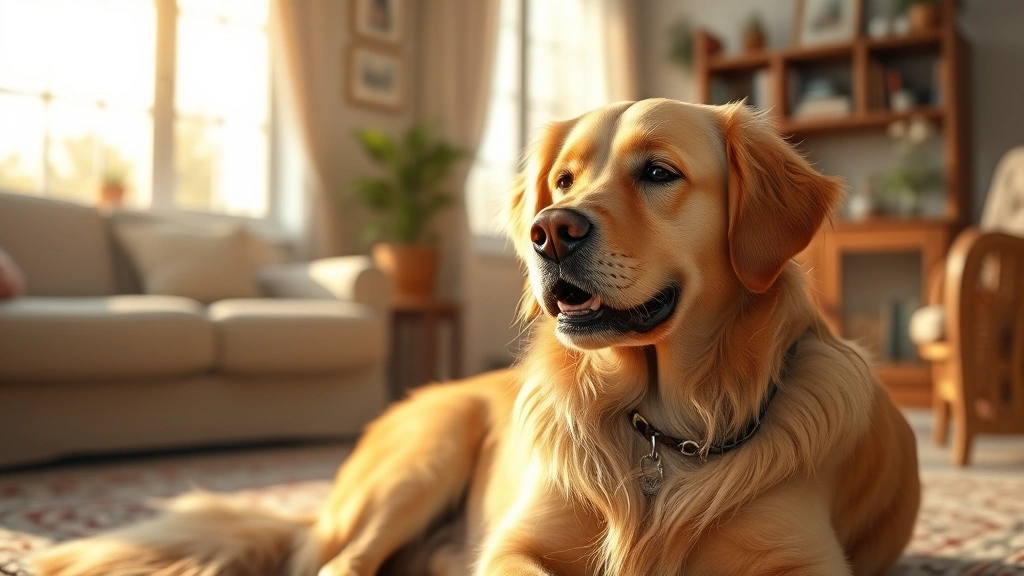
If you’ve noticed your aging dog becoming anxious, confused, or restless as the sun dips below the horizon, you might be dealing with sundowners in dogs—a real phenomenon that affects many senior canines. Also known as canine cognitive dysfunction syndrome (CDS) or doggy dementia, sundowners is that frustrating condition where your once-calm pup suddenly transforms into a pacing, whining, disoriented mess right around dusk. The good news? There are proven strategies to help your furry friend navigate these difficult evening hours.
Table of Contents
- What Exactly Are Sundowners in Dogs?
- Why Does This Happen? The Science Behind Senior Dog Behavior
- Recognizing the Signs: How to Spot Sundowners in Dogs
- Strategy #1: Maintain Consistent Routines and Environmental Stability
- Strategy #2: Increase Daytime Light Exposure and Activity
- Strategy #3: Try Supplements and Medications (With Vet Approval)
- Strategy #4: Implement Calming Techniques and Environmental Modifications
- Strategy #5: Adjust Feeding and Hydration Schedules
- When to Call Your Veterinarian About Sundowners in Dogs
- Creating a Comprehensive Management Plan
- Managing Your Own Stress While Caring for a Senior Dog with Sundowners
- Frequently Asked Questions
- Final Thoughts: Supporting Your Senior Companion
What Exactly Are Sundowners in Dogs?
Sundowners in dogs isn’t just your imagination or your pup being dramatic. It’s a legitimate behavioral and cognitive condition most commonly seen in senior dogs, typically those over 10 years old. The condition causes confusion, anxiety, and disorientation that mysteriously intensifies during twilight and evening hours. Think of it like your dog’s internal clock getting completely scrambled—they lose track of time, place, and sometimes even who you are.
The phenomenon mirrors sundowning in humans with Alzheimer’s or dementia, which is why veterinarians took notice and started documenting it in our four-legged companions. Your senior dog might pace frantically, vocalize excessively, have accidents in the house, or act like they don’t recognize their own home. It’s heartbreaking to watch, but understanding what’s happening is the first step toward helping.
Why Does This Happen? The Science Behind Senior Dog Behavior
The root cause of sundowners in dogs involves changes in the brain as dogs age. The buildup of beta-amyloid proteins and other neurological changes affect cognitive function, memory, and the dog’s ability to process their environment. Reduced light during evening hours can exacerbate confusion and anxiety, triggering that classic sundowner response.
Additionally, senior dogs experience declining melatonin production, which regulates sleep-wake cycles. When this natural rhythm gets disrupted, your dog’s circadian rhythm goes haywire. According to the American Kennel Club, approximately 14-35% of dogs over age 11 show some signs of cognitive dysfunction. That’s a lot of confused pups out there.
Recognizing the Signs: How to Spot Sundowners in Dogs
Not all evening restlessness means your dog has sundowners, so it’s important to recognize the specific signs. Classic indicators include:
- Pacing or wandering aimlessly
- Excessive vocalization (barking, whining, howling)
- Disorientation or appearing lost in familiar spaces
- Inappropriate elimination (accidents in the house)
- Anxiety or panic-like behavior
- Difficulty settling down to sleep
- Changes in social interaction—sometimes becoming withdrawn or clingy
These symptoms specifically occur or worsen during evening and nighttime hours, which is the key distinguishing factor. If your dog is anxious all day long, that’s a different issue entirely. But if they’re fine during daylight and lose their minds at dusk, sundowners might be your culprit.
Strategy #1: Maintain Consistent Routines and Environmental Stability
Senior dogs with sundowners thrive on predictability. Your aging companion’s brain is already struggling to process information, so consistency becomes your secret weapon. Establish a rock-solid daily routine: same feeding times, same walk times, same playtime, same bedtime.
During the critical evening hours leading up to sunset, keep your environment calm and stable. Dim the lights gradually rather than switching them off suddenly. Keep noise levels low. Maintain the same furniture placement—moving things around confuses an already disoriented brain. If your dog is accustomed to sleeping in a specific spot, keep that space exactly the same.
Consider creating a dedicated “safe space” for your senior dog during evening hours. This could be a comfortable crate, a specific room, or a cozy corner with their bed. Make it their sanctuary where they feel secure and protected. Some dogs respond well to being in a smaller, enclosed space during sundowner episodes because it reduces environmental stimuli and provides comfort.
Strategy #2: Increase Daytime Light Exposure and Activity
Here’s something that actually works: more daytime light and activity can significantly reduce evening confusion. Natural sunlight helps regulate circadian rhythms and melatonin production. Make it a point to get your senior dog outside during daylight hours, especially in the morning. Even 15-20 minutes of natural light exposure can make a difference.
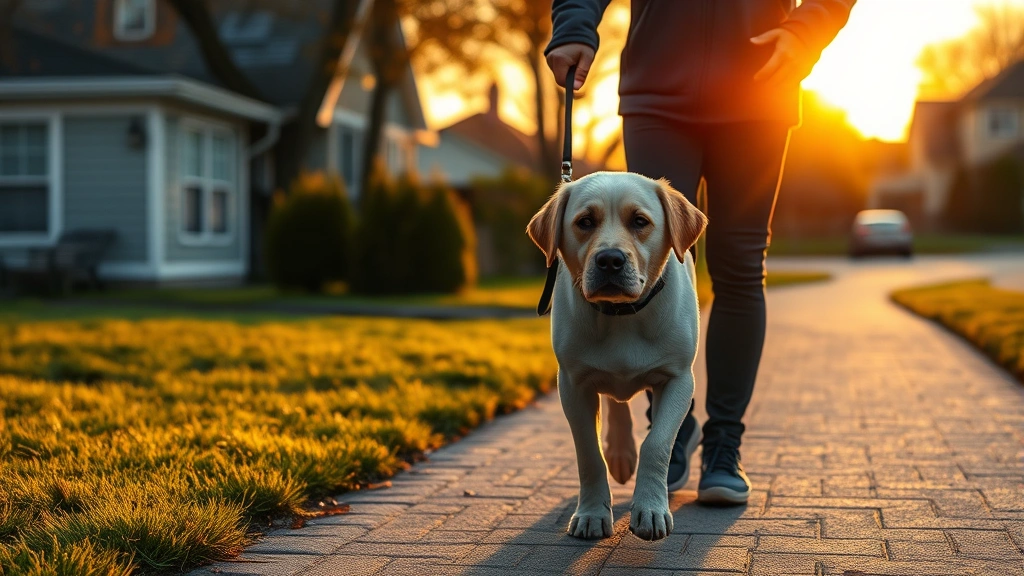
Pair light exposure with gentle exercise appropriate for their age and fitness level. We’re not talking about marathon runs here—a slow, leisurely walk around the neighborhood is perfect. This combination of light and mild activity helps tire them out and reinforces their natural sleep-wake cycle. Dogs with adequate daytime stimulation often experience fewer sundowner episodes simply because their bodies are properly regulated.
If your dog has low energy or mobility issues, even sitting on the porch in the sunshine counts. The goal is consistent light exposure during peak daylight hours.
Strategy #3: Try Supplements and Medications (With Vet Approval)
Several supplements and medications have shown promise for managing canine cognitive dysfunction and sundowners in dogs. Discuss these options with your veterinarian:

Selegiline (Anipryl): This FDA-approved medication increases dopamine levels in the brain and can improve cognitive function in senior dogs. Many vets consider it a first-line treatment for CDS.
Melatonin: This natural hormone regulates sleep cycles. Low-dose melatonin (1-3mg depending on dog size) given in the evening can help some dogs settle down. Always get your vet’s dosage recommendation.
SAMe and Vitamin E: These antioxidants may help protect brain cells from further damage. Studies show mixed results, but some dogs improve with consistent supplementation.
Prescription diets: Hill’s b/d and Royal Canin’s Mature are specifically formulated to support cognitive function in aging dogs. These diets contain antioxidants, omega fatty acids, and other brain-supporting nutrients.
According to PetMD, a combination approach—medication plus behavioral modifications—typically yields the best results. Your vet might recommend starting with one intervention and adding others based on response.
Strategy #4: Implement Calming Techniques and Environmental Modifications
When sundowners episodes hit, you need calming tools in your arsenal. Pheromone diffusers (like Adaptil for dogs) release synthetic calming pheromones that can reduce anxiety. Plug one into the room where your dog spends evening hours.
Consider white noise machines or calming music designed for dogs. Studies show that certain types of music can lower cortisol levels and promote relaxation. Apps and playlists specifically designed for anxious dogs are readily available.
Some dogs respond beautifully to anxiety wraps or weighted blankets. The gentle pressure provides comfort similar to swaddling. If your senior pup has other health concerns, make sure any new products won’t interfere.
Scent can also be powerful. A piece of your worn clothing placed in their bed carries your familiar scent, which is inherently calming to dogs. Some people swear by lavender-scented products, though evidence is anecdotal.
Strategy #5: Adjust Feeding and Hydration Schedules
The timing of meals and water intake can influence evening behavior. Feed your senior dog their main meal earlier in the day rather than close to bedtime. A full stomach in the evening can cause discomfort that exacerbates confusion and anxiety.
However, don’t restrict water access—senior dogs need adequate hydration. Instead, monitor water intake in the hours immediately before bedtime to reduce nighttime bathroom trips that disrupt sleep cycles. If your dog is on medications or supplements, coordinate feeding times accordingly. Some supplements are better absorbed with food, while others work better on an empty stomach.
Speaking of hydration, ensure your senior dog has access to fresh water throughout the day. Dehydration can worsen cognitive symptoms. If you’re concerned about your dog’s overall health and hydration status, discuss electrolyte supplementation with your vet if appropriate.
When to Call Your Veterinarian About Sundowners in Dogs
While sundowners is manageable, it’s crucial to rule out other underlying conditions that might mimic or contribute to the behavior. Schedule a vet visit if your dog:
- Suddenly develops severe confusion or disorientation
- Shows signs of pain or physical distress during episodes
- Has difficulty eating or drinking
- Develops new seizure activity
- Shows rapid decline in cognitive function
- Develops incontinence that wasn’t present before
Your vet can perform blood work, urinalysis, and other diagnostics to ensure there’s no underlying thyroid disease, infection, or other medical issue masquerading as sundowners. Sometimes what looks like cognitive dysfunction is actually a urinary tract infection or other treatable condition.
Creating a Comprehensive Management Plan
The most successful approach combines multiple strategies tailored to your individual dog. What works brilliantly for one senior dog might not work for another. Your management plan should include:
- Consistent daily routines
- Adequate daytime light and gentle activity
- Environmental modifications and calming aids
- Appropriate supplements or medications (vet-approved)
- Strategic feeding and hydration timing
- Regular veterinary monitoring
- Patience and compassion from you
Document your dog’s behavior patterns. Note when episodes occur, what seems to trigger them, and what interventions help. This information is invaluable for your vet and helps you refine your approach over time.
Managing Your Own Stress While Caring for a Senior Dog with Sundowners
Let’s be real—watching your beloved senior dog struggle with confusion and anxiety is emotionally draining. The nighttime pacing, the vocalization, the accidents in the house—it all takes a toll. Remember that your dog isn’t being difficult or trying to upset you. Their brain is genuinely struggling.
Practice self-compassion. You’re doing everything right by seeking solutions. Connect with other dog owners dealing with similar situations. Online communities and support groups can provide practical advice and emotional validation. Your vet can also refer you to behaviorists who specialize in senior dog issues.
Frequently Asked Questions
Is sundowners in dogs the same as dementia?
Sundowners is a symptom of canine cognitive dysfunction syndrome (CDS), which is essentially doggy dementia. However, not all dogs with CDS experience sundowners, and not all dogs with evening confusion have full-blown CDS. Sundowners is the specific phenomenon of confusion and anxiety that worsens during evening hours.
Can sundowners in dogs be cured?
Unfortunately, no. Once a dog develops cognitive dysfunction, it’s progressive and cannot be reversed. However, symptoms can be managed effectively with the right combination of interventions, allowing your senior dog to maintain quality of life for months or even years.
At what age do dogs typically develop sundowners?
Most dogs develop signs of cognitive dysfunction, including sundowners, after age 10. However, some dogs show symptoms as early as age 8, while others don’t develop them until their mid-teens. Individual variation is significant and depends on genetics, overall health, and other factors.
Can anxiety medication help with sundowners in dogs?
Yes, sometimes. Anti-anxiety medications like trazodone or alprazolam might help in specific cases, though they’re not typically first-line treatments. Your vet might recommend them if other strategies aren’t working or if your dog has severe anxiety components to their sundowners.
Should I keep my senior dog awake during the day to help them sleep at night?
Gentle activity and daytime stimulation help, but forcing a senior dog to stay awake is counterproductive. The goal is appropriate activity matched to their fitness level, not exhaustion. Let them rest when they need to while ensuring they get adequate light exposure and mild movement.
Final Thoughts: Supporting Your Senior Companion
Sundowners in dogs is a challenging condition, but it’s absolutely manageable with the right approach. Your senior dog has given you years of love and companionship—now it’s your turn to advocate for their comfort and quality of life during their golden years. By implementing consistent routines, environmental modifications, appropriate supplements or medications, and plenty of patience, you can significantly reduce the severity of sundowner episodes and help your aging pup navigate their twilight years with greater peace and security. Work closely with your veterinarian, stay observant about what works for your individual dog, and remember that every small improvement in their evening behavior is a victory worth celebrating.





