
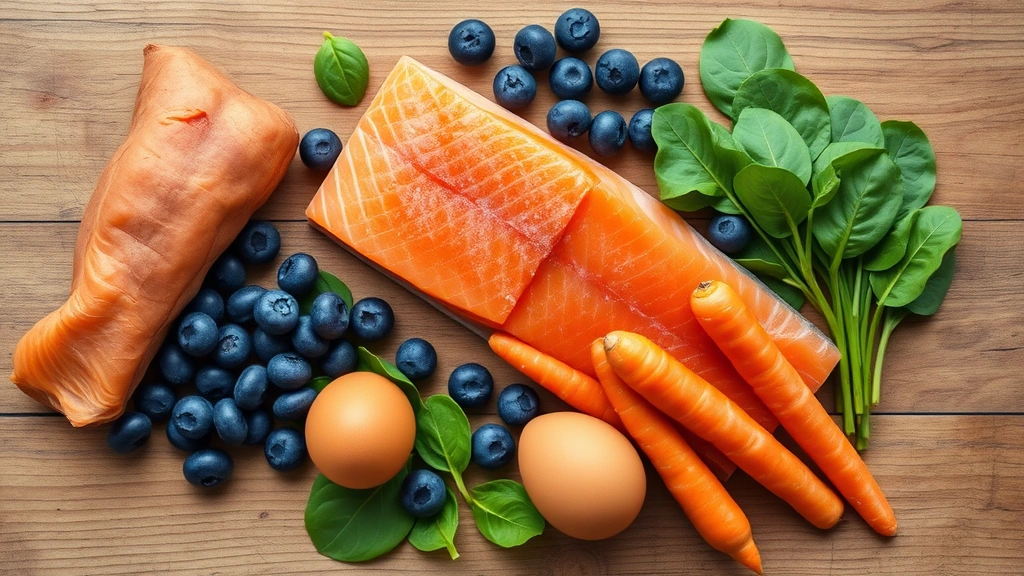
If you’re serious about keeping your furry best friend in peak condition, superfoods for pets should be on your radar—and honestly, they’re way more exciting than regular kibble.
Table of Contents
- What Exactly Are Superfoods for Pets?
- Salmon: The Omega-3 Powerhouse
- Blueberries: Nature’s Antioxidant Bombs
- Sweet Potatoes: The Nutrient-Dense Carb
- Eggs: The Complete Protein Package
- Pumpkin: The Digestive Superstar
- Carrots: The Crunchy Cleaning Tool
- Bone Broth: The Collagen-Rich Elixir
- Spinach and Leafy Greens: The Nutrient Powerhouses
- Lean Meats: The Protein Foundation
- Apples and Berries: The Antioxidant Trio
- Frequently Asked Questions
- Building Your Pet’s Superfood Strategy
- Conclusion: Your Pet Deserves Better
We all want our pets to live longer, healthier, more vibrant lives. The problem? Most commercial pet foods are about as thrilling as cardboard tastes (which, let’s be real, some pets have tried). The good news is that certain nutrient-dense foods pack serious health-boosting power for dogs, cats, and other companions. Let’s dive into the world of premium nutrition and discover which superfoods can transform your pet’s wellness journey.
What Exactly Are Superfoods for Pets?
Before we get into the good stuff, let’s define what we’re talking about. Superfoods for pets aren’t some fancy marketing gimmick—they’re whole foods loaded with vitamins, minerals, antioxidants, and other compounds that deliver serious nutritional bang for your buck. Think of them as nature’s multivitamins, except way tastier (at least to your pet).
These foods go beyond basic nutrition. They contain bioactive compounds that support immune function, reduce inflammation, improve digestion, and promote longevity. When you incorporate these into your pet’s diet—whether as primary food sources or pet food supplement boosters—you’re investing in preventative health.
Salmon: The Omega-3 Powerhouse
Let’s start with everyone’s favorite slippery friend. Salmon is basically the superhero of pet nutrition. It’s packed with omega-3 fatty acids, which are absolutely essential for maintaining healthy skin, a glossy coat, and optimal brain function. These fatty acids also have anti-inflammatory properties that can help with joint health—especially important for aging pets.
The beauty of salmon is that both dogs and cats benefit tremendously. It supports cognitive function, reduces arthritis symptoms, and keeps that coat looking magazine-worthy. You can serve it cooked (never raw) as a meal topper, or look for high-quality pet foods that feature salmon as a primary ingredient. Pro tip: the omega-3s in salmon work even better when paired with pet antioxidant supplements for maximum synergistic benefits.
Blueberries: Nature’s Antioxidant Bombs
These tiny blue gems are loaded with anthocyanins and other antioxidants that fight free radicals and support cognitive function. Studies have shown that blueberries can help improve memory and mental clarity in aging dogs—basically the brain food your senior pup desperately needs.
The best part? Most pets absolutely love them. You can toss a few into their bowl as a treat, freeze them for a refreshing snack, or add them to homemade meals. They’re safe for both dogs and cats (though cats are typically less interested), and they’re virtually impossible to overdo. Just avoid the canned varieties with added sugar.
Sweet Potatoes: The Nutrient-Dense Carb
If you’re looking for a carbohydrate source that actually does something besides fill the belly, sweet potatoes are your answer. They’re loaded with beta-carotene, fiber, and vitamins B6 and C. The fiber content makes them particularly useful for digestive health, and they’re gentle enough for pets with sensitive stomachs.
Sweet potatoes are also incredibly versatile. You can bake them, boil them, or even dehydrate them into chews. They work wonderfully in homemade diet supplements for pets and are a staple in many premium commercial foods. The natural sweetness means most pets think they’re getting a treat when they’re actually getting serious nutritional benefits.
Eggs: The Complete Protein Package
Eggs are basically nature’s perfect food—and yes, that applies to pets too. They contain all nine essential amino acids, making them a complete protein source. Plus, they’re loaded with choline for brain health and lutein for eye health. The yolk contains fat-soluble vitamins that support overall wellness.
You can serve eggs cooked or raw (raw is actually fine for pets, despite what some people say), scrambled, boiled, or even as part of a raw feeding regimen. One or two eggs per week is perfect for most dogs; cats can handle them too, though they’re less enthusiastic. Just skip the salt and seasoning.

Pumpkin: The Digestive Superstar
Pumpkin is basically the Swiss Army knife of pet nutrition. It’s excellent for both constipation and diarrhea (yes, really—it works both ways thanks to its fiber content), supports urinary health, and is loaded with vitamins A and C. It’s also incredibly low in calories, making it perfect for weight-conscious pets.
The soluble fiber in pumpkin feeds beneficial gut bacteria, which improves overall digestive health and nutrient absorption. This makes it particularly valuable when introducing new foods or dealing with digestive upset. Most vets recommend plain, cooked pumpkin (not pie filling with all the sugar and spices).
Carrots: The Crunchy Cleaning Tool
Raw carrots are like nature’s toothbrush. They’re low in calories, high in fiber, and packed with beta-carotene. The act of chewing raw carrots helps clean teeth naturally, reducing plaque buildup and promoting dental health. Plus, they’re incredibly affordable, making them perfect for budget-conscious pet parents.
Dogs typically love the crunch factor, and they’re safe for cats too (though felines are usually less interested in vegetables). You can serve them whole as a chew toy or cut into chunks as treats. The natural sweetness satisfies cravings without any of the guilt.
Bone Broth: The Collagen-Rich Elixir
Bone broth has become trendy for humans, but it’s absolutely fantastic for pets too. It’s rich in collagen, gelatin, and amino acids that support joint health, gut integrity, and immune function. The minerals extracted from bones during the slow-cooking process provide bioavailable nutrients that are easily absorbed.
For pets with joint issues or digestive problems, bone broth is genuinely therapeutic. You can serve it as a meal topper, use it to hydrate dry kibble, or even freeze it into ice cube treats. Just make sure you’re using pet-safe bone broth without onions, garlic, or excessive salt. This pairs beautifully with green lipped mussel supplements for enhanced joint support.
Spinach and Leafy Greens: The Nutrient Powerhouses
While some leafy greens should be avoided (like those with oxalates in excess), spinach and other safe greens provide iron, calcium, and vitamins K and A. They support bone health, vision, and immune function. The key is moderation and proper preparation—steaming is better than raw for better nutrient absorption.
Most pets aren’t naturally excited about greens, but you can sneak them into meals or blend them into broths. They’re particularly valuable for nursing dog nutrition and for pets needing additional micronutrient support.
Lean Meats: The Protein Foundation
Chicken, turkey, and beef are the foundation of good pet nutrition. They provide high-quality, complete proteins with all essential amino acids. Lean cuts are best to avoid excess fat, though some fat is beneficial for nutrient absorption and satiety.
The key is variety—rotating different protein sources ensures your pet gets a broader spectrum of nutrients. Organ meats like liver and kidney are even more nutrient-dense, providing vitamin A, B vitamins, and iron. Always cook thoroughly unless you’re following a raw feeding protocol with proper food safety measures.
Apples and Berries: The Antioxidant Trio
Beyond blueberries, other berries like raspberries and strawberries offer similar antioxidant benefits. Apples (without seeds) provide fiber and vitamin C. These fruits are perfect for training treats or meal toppers, and they’re low enough in calories that you can be generous.
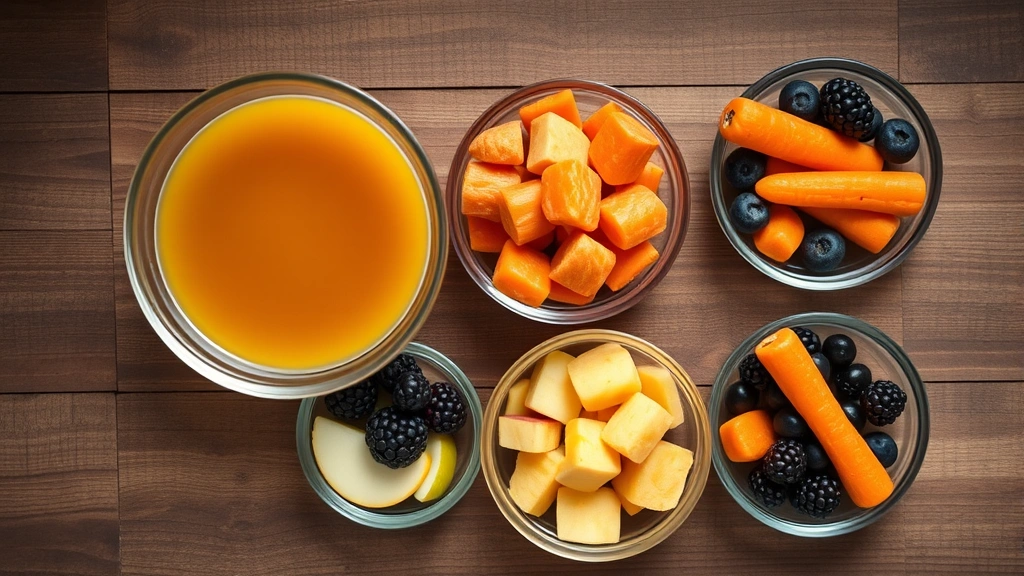
The variety of phytonutrients in different colored fruits means each offers unique benefits. Red fruits support heart health, blue fruits support brain health, and green fruits support liver health. When you rotate through different options, you’re covering all your bases.
Frequently Asked Questions
Can all pets eat the same superfoods?
Not necessarily. While most of these superfoods are safe for both dogs and cats, cats have different nutritional requirements and are more finicky eaters. Always introduce new foods gradually and consult with your veterinarian about your specific pet’s dietary needs. Some foods like onions, garlic, and grapes are toxic to both species and should be avoided entirely.
How much superfood should I give my pet daily?
Superfoods should comprise about 10% of your pet’s daily caloric intake, with the remaining 90% coming from a complete and balanced diet. If you’re adding multiple superfoods, adjust portions accordingly. For treats, a good rule is no more than 10% of daily calories from treats combined.
Are superfoods a replacement for regular pet food?
No. Superfoods are supplements and enhancements to a complete and balanced diet, not replacements. Your pet still needs a nutritionally complete base diet. Think of superfoods as the premium upgrade, not the whole meal. Check out pet supplement ingredient transparency resources to understand what you’re feeding.
Can superfoods help with specific health conditions?
Many superfoods have been shown to support specific health concerns—bone broth for joints, pumpkin for digestion, salmon for skin health. However, they’re not a replacement for veterinary treatment. Always work with your vet to develop a comprehensive health plan that may include superfoods alongside any necessary medical interventions.
Where should I source these superfoods?
For best quality, source from organic suppliers when possible. Many superfoods are available at regular grocery stores, pet supply retailers, and online. Always ensure they’re fresh, properly stored, and free from pesticides or additives. If preparing homemade meals, consider consulting a veterinary nutritionist to ensure nutritional balance.
Building Your Pet’s Superfood Strategy
Creating a superfood routine for your pet doesn’t have to be complicated. Start by identifying which superfoods your pet enjoys and which address their specific health needs. A senior dog might benefit most from bone broth and blueberries, while a younger pup might thrive with salmon and carrots.
Rotate your selections to provide nutritional variety. This prevents boredom, ensures a broader spectrum of nutrients, and reduces the risk of developing food sensitivities. Keep a simple log of what you’re adding to track any changes in coat quality, energy levels, digestion, or overall health.
Remember that consistency matters more than perfection. A modest amount of superfood added regularly will deliver better results than sporadic large additions. Your pet’s body is incredibly responsive to improved nutrition—you’ll likely notice improvements in energy, coat quality, and overall vitality within weeks.
Conclusion: Your Pet Deserves Better
Superfoods for pets represent a commitment to preventative health and longevity. By incorporating these nutrient-dense foods into your pet’s diet, you’re not just feeding them—you’re actively investing in their wellbeing. The difference between adequate nutrition and optimal nutrition can be the difference between a pet that merely survives and one that truly thrives.
Start with one or two superfoods that appeal to your pet, observe the results, and gradually expand your repertoire. Your veterinarian can provide guidance tailored to your specific pet’s age, health status, and individual needs. With the right nutritional foundation, your beloved companion can enjoy a longer, healthier, happier life. That’s worth every effort.





