
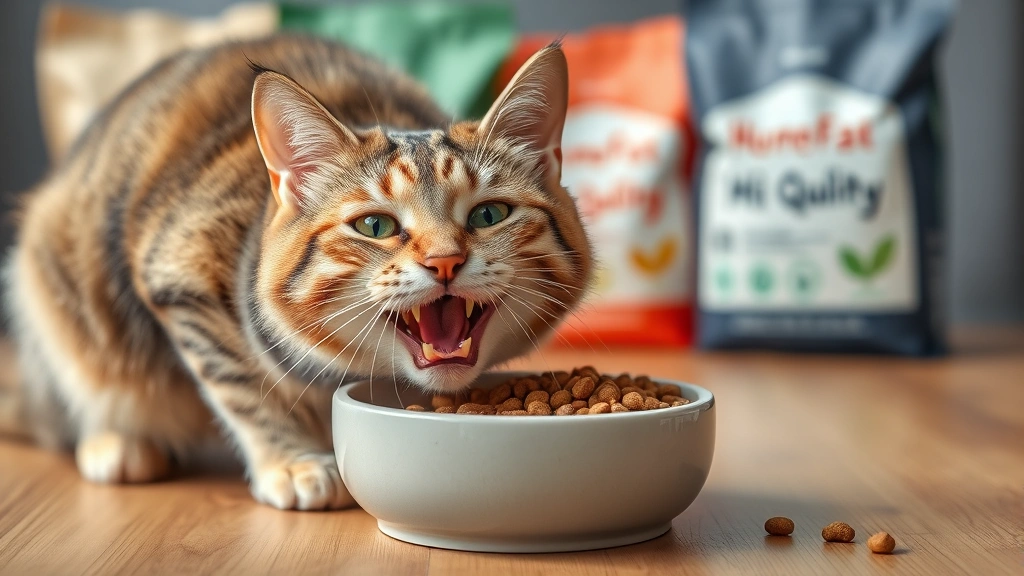
If you’re tired of feeling guilty about your cat’s carbon pawprint, sustainable cat food might be the answer you’ve been searching for. Your feline friend deserves nutrition that doesn’t trash the planet, and honestly? There are some seriously impressive options out there now that won’t make you choose between your cat’s health and Mother Earth’s wellbeing.
Table of Contents
- Why Sustainable Cat Food Actually Matters
- Understanding Eco-Friendly Cat Nutrition Standards
- Top Sustainable Cat Food Brands for 2024
- Insect-Based Proteins: The Future of Cat Food
- Plant-Based and Mixed-Source Options
- Sustainable Packaging and Waste Reduction
- Nutritional Completeness and AAFCO Standards
- Cost Comparison: Is Sustainable Cat Food Worth It?
- How to Transition Your Cat to Sustainable Food
- Reading Labels and Spotting Greenwashing
- Expert Recommendations from Veterinary Sources
- Setting Up Sustainable Feeding Practices
- The Role of Sustainable Sourcing in Cat Health
- Future Trends in Sustainable Pet Nutrition
- Frequently Asked Questions
- Final Thoughts on Sustainable Cat Food
Why Sustainable Cat Food Actually Matters
Let’s be real: most pet parents don’t think twice about where their cat’s kibble comes from. But here’s the kicker—pet food production is a massive environmental player. We’re talking deforestation, water depletion, and enough carbon emissions to make any eco-conscious human weep into their organic oat milk. Sustainable cat food brands are changing the game by sourcing responsibly, reducing waste, and using ingredients that don’t require clearing the Amazon.
The beauty of switching to eco-friendly cat nutrition is that you’re not sacrificing quality. These brands invest heavily in ingredient sourcing and nutritional science. Your cat gets the amino acids, taurine, and other essentials they need while you get to sleep at night knowing you’re not contributing to planetary destruction.
Understanding Eco-Friendly Cat Nutrition Standards
Not all brands claiming to be “green” actually are. Some are just slapping a leaf logo on their packaging and calling it a day. Real sustainable cat food brands follow specific standards: they source ingredients responsibly, use minimal packaging waste, support ethical farming practices, and often have transparent supply chains you can actually trace.
Look for certifications from organizations that actually mean something. Brands working toward carbon neutrality, using regenerative agriculture, or partnering with environmental nonprofits are putting their money where their mouth is. When you’re comparing options, check if they publish sustainability reports—the good ones do.
Top Sustainable Cat Food Brands for 2024
Several brands have emerged as legitimate leaders in the eco-conscious cat food space. These aren’t just marketing gimmicks; they’re companies genuinely rethinking how pet nutrition can work with the planet rather than against it. From insect-based proteins to regeneratively sourced meat, the innovation is wild.
The best sustainable options balance nutritional completeness with environmental responsibility. You’ll find brands using novel proteins, reducing by-products, and investing in sustainable packaging. Some are even working on carbon-negative operations, which is basically the superhero move of the pet food world.
Insect-Based Proteins: The Future of Cat Food
Before you gag, hear this out: insect-based cat food is genuinely revolutionary for sustainability. Crickets and black soldier fly larvae require a fraction of the water and land that traditional livestock needs. They’re also complete proteins with all the amino acids cats need—including taurine, which is critical for feline health.
Brands using insect proteins are seeing serious traction because cats actually love them (seriously, they demolish the bowl), and the environmental impact is negligible compared to beef or chicken production. It might sound weird, but your cat doesn’t care about the source of their protein—they care about it tasting good and making them feel full.
Plant-Based and Mixed-Source Options
If insect proteins seem too out-there, plant-forward sustainable cat food is another option. However—and this is important—cats are obligate carnivores. They need meat-based proteins and specific nutrients that plants alone can’t provide. The best plant-based options combine vegetables and legumes with some animal protein to meet feline nutritional requirements.
Mixed-source sustainable cat food uses combinations of responsibly raised meat, fish from sustainable fisheries, and plant ingredients. This approach reduces overall environmental impact while ensuring your cat gets proper nutrition. It’s about balance, not perfection.
Sustainable Packaging and Waste Reduction
Here’s something most people overlook: the package matters almost as much as the food inside. Sustainable cat food brands are getting creative with packaging—compostable bags, recyclable containers, and minimal plastic usage. Some even offer refill programs where you bring back containers for reuse.
When evaluating brands, look beyond the food quality to how they’re reducing waste. Bulk purchasing options, concentrated formulas that require less packaging, and partnerships with recycling programs all count. Your choice at checkout genuinely impacts how much waste ends up in landfills.
Nutritional Completeness and AAFCO Standards
Here’s where we get serious: sustainable cat food must meet AAFCO (Association of American Feed Control Officials) standards for complete and balanced nutrition. No exceptions. Your cat’s health isn’t negotiable, even for environmental reasons. Any reputable sustainable brand will have their formulas tested and certified to ensure they’re meeting all feline nutritional requirements.
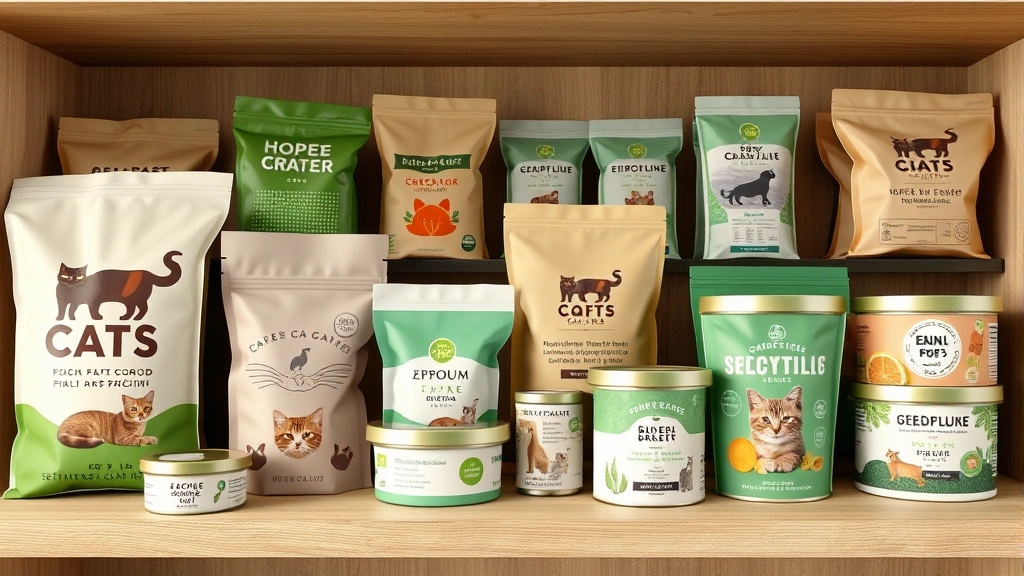
Check labels for AAFCO statements, and don’t hesitate to contact brands directly about their testing protocols. The good ones will happily discuss their nutritional science. According to resources from AAFCO, complete cat food must contain specific levels of protein, fat, vitamins, and minerals—and sustainable brands should be meeting these standards without compromise.
Cost Comparison: Is Sustainable Cat Food Worth It?
Let’s address the elephant in the room: sustainable cat food often costs more. But here’s the thing—you’re paying for quality ingredients, ethical sourcing, and environmental responsibility. It’s not just about feeding your cat; it’s about supporting companies doing things right.
That said, there are affordable sustainable options if you shop smart. Buying in bulk, choosing store brands from eco-conscious retailers, or even exploring homemade pet food schedules can help manage costs. Some people also adjust sedentary cat portions based on individual needs, which can stretch your budget further.
How to Transition Your Cat to Sustainable Food
Cats are notoriously picky about food changes. Switching to sustainable cat food requires patience and a gradual transition plan. Start by mixing small amounts of the new food with their current food—we’re talking 25% new, 75% old for the first week.
Gradually increase the ratio over 7-10 days until you’ve fully transitioned. If your cat shows digestive upset or refuses to eat, slow down the process even more. Some cats need three weeks to adjust. This is where understanding your cat’s daily calorie requirements becomes helpful—you can adjust portions during the transition period.
Reading Labels and Spotting Greenwashing
Not everything claiming to be sustainable actually is. Greenwashing is rampant in pet food marketing. Learn to read labels critically: look for specific sourcing information, actual certifications (not just claims), and transparency about ingredients and manufacturing.
Legitimate sustainable brands will tell you exactly where their ingredients come from, how they’re sourced, and what their environmental impact is. They’ll have third-party certifications and won’t shy away from difficult questions. If a brand can’t clearly explain their sustainability practices, that’s a red flag.
Expert Recommendations from Veterinary Sources
According to PetMD, the most important factor in cat nutrition is meeting their specific dietary needs—protein content, taurine levels, and essential fatty acids. The source of these nutrients matters less than their presence in appropriate amounts. This means sustainable cat food can absolutely be the right choice if it’s nutritionally complete.
Veterinary nutritionists increasingly support sustainable pet food options, especially when they’re properly formulated. Many recommend consulting with your vet before making major dietary changes, particularly if your cat has health conditions. Your vet can help you identify which sustainable brands align with your cat’s specific nutritional needs.
Setting Up Sustainable Feeding Practices
Beyond choosing the right food, you can implement sustainable practices in how you feed your cat. Proper cat feeding stations reduce waste and keep food fresher longer. Using stainless steel or ceramic bowls instead of plastic is a small change with environmental impact.
Storing food properly—in airtight containers, away from moisture and heat—ensures nothing goes to waste. Some people also explore pet food supplement boosters to enhance their cat’s nutrition without replacing entire meals, which can be both cost-effective and sustainable.
The Role of Sustainable Sourcing in Cat Health
Here’s something cool: sustainable sourcing often means better quality ingredients. Responsibly raised animals have better nutrition profiles, and regeneratively farmed plants have higher nutrient density. This isn’t just good for the planet—it’s good for your cat.
Cats fed on sustainable cat food often show improvements in coat health, energy levels, and digestive health. This aligns with what we know about coat health feeding routines—quality nutrition shows up in visible ways. When you’re feeding whole, responsibly sourced ingredients, your cat’s body responds positively.
Future Trends in Sustainable Pet Nutrition
The sustainable pet food industry is evolving rapidly. We’re seeing developments in lab-grown meat for pets, improved insect protein formulations, and blockchain technology for supply chain transparency. Within the next few years, sustainable options will likely become standard rather than niche.
Companies are investing heavily in research to make sustainable cat food more affordable and accessible. As demand increases, prices will come down. The brands leading this charge today will become the standard tomorrow.
Frequently Asked Questions
Is sustainable cat food safe for all cats?
Yes, as long as it meets AAFCO standards and is appropriate for your cat’s age and health status. Always consult your veterinarian before switching foods, especially if your cat has existing health conditions or dietary sensitivities.
Will my cat actually eat sustainable cat food?
Most cats will, though some are pickier than others. Taste preferences are individual. Many sustainable brands invest in palatability, so your cat may actually prefer the new food. The gradual transition approach helps them adjust to new flavors.
How much more expensive is sustainable cat food?
Sustainable options typically cost 20-50% more than conventional brands, though prices vary widely. Premium sustainable brands cost more than budget options, but many mid-range sustainable brands are competitively priced compared to other premium conventional foods.
What certifications should I look for?
Look for AAFCO certification (non-negotiable), B-Corp certification, carbon-neutral certifications, and partnerships with environmental organizations. Third-party testing for contaminants is also important. Transparency about sourcing practices matters more than any single certification.
Can I mix sustainable and conventional cat food?
Yes, though mixing defeats some sustainability benefits. If cost is a concern, you could feed sustainable food as a primary diet and supplement with conventional food, though a full transition is ideal for both health and environmental goals.
Are insect-based proteins complete for cats?
Yes, insect proteins contain all essential amino acids cats need, including taurine. They’re nutritionally complete when formulated properly. Many cats also find them highly palatable, making the switch easier.
Final Thoughts on Sustainable Cat Food
Choosing sustainable cat food is one of those rare decisions where doing the right thing for the planet and doing the right thing for your cat align perfectly. Your feline friend gets quality nutrition, and the planet gets a break from unnecessary environmental impact. It’s genuinely a win-win.
The brands leading the sustainable cat food movement are proving that you don’t have to sacrifice nutrition, taste, or affordability for environmental responsibility. As more people make the switch, the industry will continue evolving toward better practices and lower costs.
Your cat doesn’t care about sustainability—they care about food that tastes good and makes them feel great. The fact that sustainable cat food delivers on both fronts while also protecting the planet? That’s just the cherry on top of their food bowl. Start exploring options today, and you might be surprised at how much your cat loves their new eco-friendly meal plan.





