
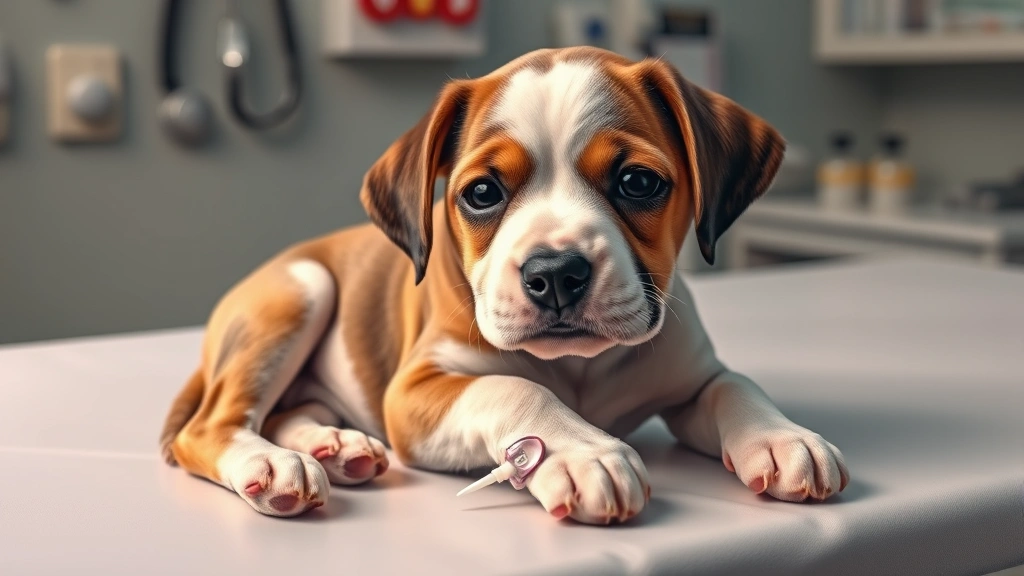
If you’re a dog parent, symptoms of parvo in dogs are something you absolutely need to know about—because catching this nasty virus early could literally save your pup’s life. Parvovirus is one of those diseases that sounds scarier than it is (okay, it’s pretty scary), but knowledge is power, my friend.
Table of Contents
- What Exactly Is Parvovirus Anyway?
- Early Warning Signs: The First Red Flags
- Vomiting: When Your Dog Can’t Keep Anything Down
- Diarrhea: The Telltale Signature
- Abdominal Pain: Your Dog Is Hurting
- Lethargy and Weakness: The Energy Drain
- Fever: The Body’s Temperature Spike
- Loss of Appetite: Nothing Looks Good
- Dehydration: The Silent Killer
- Secondary Symptoms: The Complications
- When to Rush to the Vet: Don’t Wait
- Diagnosis and Treatment Overview
- Frequently Asked Questions
- Prevention: The Best Medicine
- Recovery and Aftercare
- The Bottom Line
What Exactly Is Parvovirus Anyway?
Canine parvovirus (CPV) is a highly contagious viral infection that primarily affects dogs, especially puppies and unvaccinated adults. Think of it as the stomach flu’s evil cousin—it attacks your dog’s digestive system and can wreak absolute havoc. The virus spreads through direct contact with infected dogs or their feces, making it a real party crasher at dog parks.
There are two types: CPV-1 (the original troublemaker) and CPV-2 (the modern menace). Most cases today involve CPV-2 and its variants. The good news? This disease is entirely preventable with proper vaccination.
Early Warning Signs: The First Red Flags
The earliest symptoms of parvovirus in dogs often start subtle, which is why so many pet owners miss them initially. Your dog might seem a bit off—less enthusiastic about their favorite toy, maybe skipping a meal. These early signs include lethargy (check out our guide on lethargic dog symptoms for more details), loss of appetite, and general malaise.
Some dogs develop a fever before other symptoms appear. You might notice your pup is less interested in playing, seems withdrawn, or just wants to lie around all day. If your usually bouncy golden retriever suddenly becomes a couch potato, that’s worth investigating.
Vomiting: When Your Dog Can’t Keep Anything Down
One of the most distinctive symptoms of parvo in dogs is persistent vomiting. Unlike the occasional regurgitation from eating too fast, parvo-induced vomiting is relentless and often violent. Your dog might vomit repeatedly throughout the day, sometimes with nothing left in their stomach but bile (that yellowish liquid).
This constant vomiting is particularly concerning because it prevents your dog from keeping down food, water, and medications. Dehydration sets in quickly, which is why veterinary care becomes critical. If your dog is vomiting and you’re wondering whether it’s serious, our article on my dog has diarrhea but is acting fine covers some related digestive issues, though parvo is definitely more severe.
Diarrhea: The Telltale Signature
Here’s where parvo gets particularly unpleasant: the diarrhea. We’re not talking about a slightly soft stool—we’re talking explosive, frequent, often bloody diarrhea that can occur multiple times per hour. The stool often has a distinctive foul smell and may contain mucus or blood, ranging from bright red to dark tarry consistency.
This diarrhea typically appears within 1-2 days of infection and is one of the most recognizable canine parvovirus symptoms. The combination of vomiting and severe diarrhea creates a dangerous one-two punch that rapidly depletes your dog’s fluids and electrolytes.
Abdominal Pain: Your Dog Is Hurting
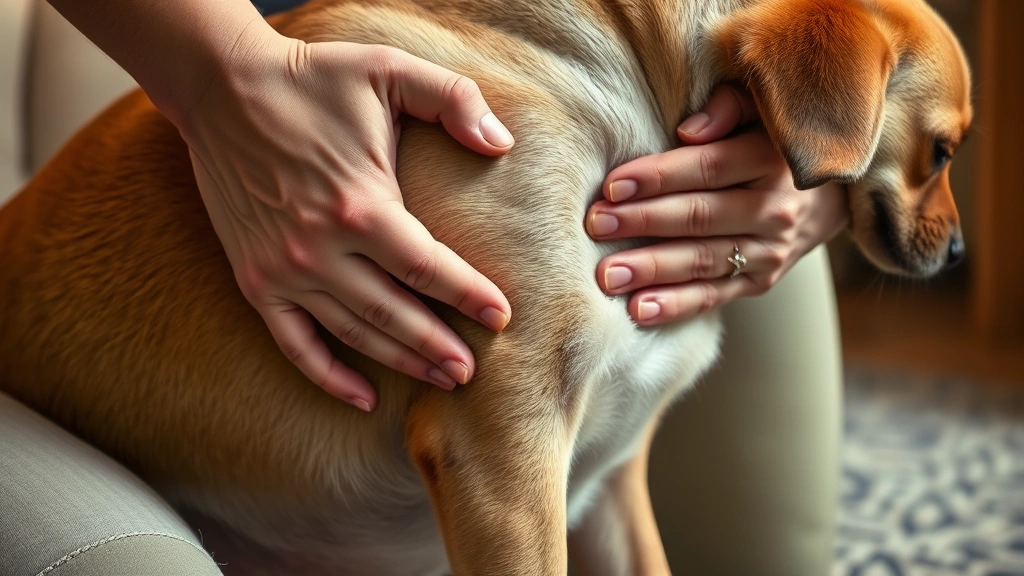
Dogs with parvo often experience significant abdominal pain. You might notice your pup adopting a “play bow” position (front legs stretched out, rear end up) to stretch their sore belly. They may whine, cry, or seem extremely uncomfortable when you touch their abdomen.
Some dogs become so uncomfortable that they refuse to move or eat. This pain, combined with the other symptoms, makes parvo a genuinely miserable experience for your furry friend. It’s not just about the digestive upset—it’s about real physical discomfort.
Lethargy and Weakness: The Energy Drain
As parvo progresses, your dog will become increasingly weak and lethargic. This isn’t just tiredness—it’s a profound lack of energy and interest in life. Your dog might struggle to stand, have difficulty walking, or seem confused and disoriented. Some dogs become so weak they can barely lift their head.
This lethargy stems from dehydration, electrolyte imbalances, and the systemic effects of the virus. Combined with fever, it creates a picture of a very sick animal. For more information on lethargy specifically, check out our detailed guide on lethargic dog conditions.
Fever: The Body’s Temperature Spike
Many dogs with parvo develop a fever, though some infected dogs actually develop hypothermia (dangerously low body temperature), which is an even worse sign. A normal dog temperature is around 101-102.5°F. If your dog feels hot to the touch or seems feverish, that’s another piece of the parvo puzzle.
Fever indicates your dog’s immune system is fighting back, but it also means your pup is severely uncomfortable. The combination of fever with other symptoms of parvo in dogs should send you straight to the veterinary clinic.
Loss of Appetite: Nothing Looks Good
Dogs with parvo typically refuse to eat, even their favorite treats. This isn’t pickiness—it’s a sign that their body is in distress. The nausea, abdominal pain, and general malaise make eating unappealing. This loss of appetite compounds the problem because your dog isn’t getting any nutrition during a time when their body desperately needs fuel to fight the infection.
If you’re dealing with post-parvo recovery, you might consider limited ingredient dog food to ease them back into eating.
Dehydration: The Silent Killer
Perhaps the most dangerous aspect of parvo is the rapid dehydration that results from constant vomiting and diarrhea. Your dog loses fluids faster than they can replace them, leading to severe dehydration within hours. Signs include dry gums, sunken eyes, loss of skin elasticity, and increased heart rate.
Dehydration is why veterinary treatment with IV fluids is so critical. Without proper hydration management, parvo can be fatal, especially in puppies and small breeds. This is not something to treat at home with home remedies.
Secondary Symptoms: The Complications
As parvo progresses, secondary symptoms may develop. Some dogs experience a low white blood cell count, making them more susceptible to secondary bacterial infections. Others may develop sepsis or endotoxemia (toxins in the bloodstream). In severe cases, the virus can damage the heart muscle, particularly in very young puppies.
These complications are why prompt veterinary care is absolutely essential. Your vet can monitor for these serious developments and provide appropriate treatment.
When to Rush to the Vet: Don’t Wait
If you notice any combination of the symptoms of parvo in dogs we’ve discussed—especially vomiting, bloody diarrhea, lethargy, and loss of appetite—get your dog to a veterinarian immediately. Don’t assume it’s just an upset stomach. Parvo is a medical emergency, and every hour counts.
Bring a fresh stool sample if possible, as this helps with diagnosis. Be prepared to discuss your dog’s vaccination history, as unvaccinated or incompletely vaccinated dogs are at highest risk.
Diagnosis and Treatment Overview
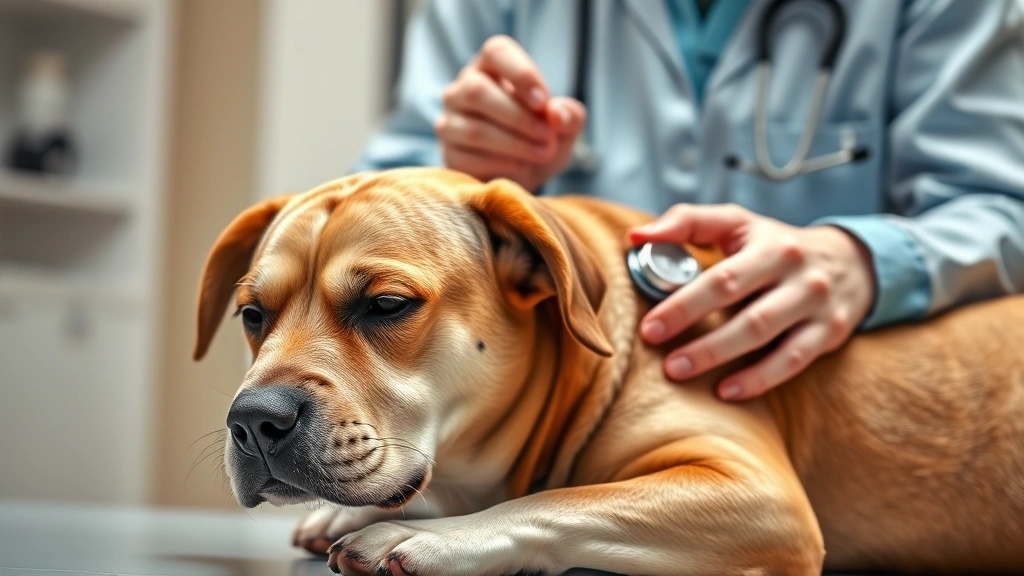
Vets typically diagnose parvo through a combination of clinical signs, physical examination, and a rapid antigen test (ELISA test). Blood work may show a low white blood cell count, which is characteristic of the disease. Treatment is primarily supportive care: IV fluids for hydration, anti-nausea medications, antibiotics to prevent secondary infections, and sometimes pain management.
There’s no magic cure—the focus is keeping your dog alive and comfortable while their immune system fights off the virus. Hospitalization is often necessary, especially for puppies and severely affected dogs.
Frequently Asked Questions
How long does it take for parvo symptoms to appear?
Parvo symptoms typically appear 3-10 days after exposure to the virus, though some dogs show signs within 24-48 hours. This incubation period is why isolation of infected dogs is so important.
Can older vaccinated dogs get parvo?
It’s rare, but possible. Vaccinated dogs have strong immunity, but vaccination isn’t 100% effective in all cases. Booster shots help maintain immunity throughout your dog’s life. Always keep your dog’s vaccines current.
Is parvo contagious to humans or other pets?
Parvo doesn’t affect humans, but it’s extremely contagious to other dogs, especially unvaccinated ones. If you have an infected dog, isolate them from other pets and practice strict hygiene (wash hands, disinfect areas). The virus can survive on surfaces and contaminated items for months.
What’s the survival rate for parvo?
With aggressive veterinary treatment, survival rates are around 80-90%. Without treatment, mortality rates can exceed 90%, particularly in puppies. This dramatic difference emphasizes why professional care is critical.
Can I treat parvo at home?
Absolutely not. Parvo requires professional veterinary care with IV fluids, medications, and monitoring. Home treatment will likely result in your dog’s death. This is one situation where you cannot cut corners.
How can I prevent parvo?
Vaccination is your best defense. Puppies need a series of vaccines (typically at 6, 9, and 12-16 weeks), followed by boosters. Adult dogs need regular booster shots. Avoid exposing unvaccinated puppies to areas where infected dogs may have been, and practice good hygiene.
Prevention: The Best Medicine
The absolute best way to avoid dealing with symptoms of parvo in dogs is prevention through vaccination. Parvo vaccines are highly effective and are considered core vaccines by veterinary organizations like the American Veterinary Medical Association (AVMA). Puppies need a series of shots, and adult dogs need regular boosters.
Beyond vaccination, practice good hygiene, limit your puppy’s exposure to unknown dogs until fully vaccinated, and avoid high-risk areas like dog parks until your pup is protected. If you suspect exposure, contact your vet immediately about post-exposure prophylaxis options.
Recovery and Aftercare
Dogs that survive parvo typically recover within 7-10 days, though some may take longer. During recovery, your vet will recommend a bland diet to ease your dog back into eating. You might consider limited ingredient dog food to help their digestive system readjust.
Some dogs experience lingering digestive issues after parvo. If your recovering dog experiences ongoing stomach upset, your vet might recommend medications like Pepto Bismol for dogs or other digestive aids. Recovery also means keeping your dog calm, isolated from other pets, and following your vet’s feeding and medication instructions precisely.
The Bottom Line
Recognizing symptoms of parvo in dogs early and seeking immediate veterinary care can mean the difference between life and death. Vomiting, bloody diarrhea, lethargy, fever, and loss of appetite are classic warning signs that demand professional attention right now—not tomorrow, not after you see if it improves on its own.
Parvo is serious, scary, and potentially fatal, but it’s also entirely preventable through vaccination. Keep your dog’s vaccines current, practice good hygiene, and you’ll likely never have to deal with this nightmare. But if you do notice these symptoms, trust your instincts and get your pup to the vet immediately. Your dog’s life depends on it.





