
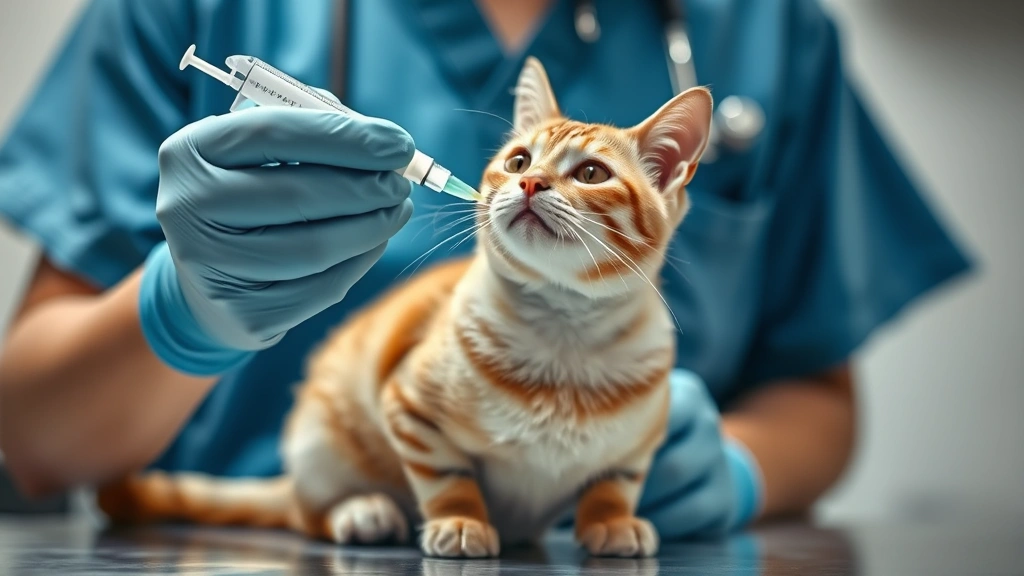
A syringe feeding schedule might sound like something out of a sci-fi movie, but it’s actually one of the most practical lifelines for pets recovering from surgery, illness, or injury. Whether your furry friend refuses to eat on their own or physically can’t, knowing how to establish and maintain a proper feeding routine can mean the difference between a smooth recovery and complications.
Table of Contents
- What Is Syringe Feeding and Why Your Pet Might Need It
- Understanding Your Pet’s Caloric Needs During Recovery
- Choosing the Right Food for Syringe Feeding
- Setting Up Your Syringe Feeding Schedule Framework
- Daily Syringe Feeding Schedule Templates for Different Recovery Stages
- Mastering the Technique: How to Actually Syringe Feed Your Pet
- Recognizing Signs Your Pet Is Ready to Transition Off Syringe Feeding
- Troubleshooting Common Syringe Feeding Problems
- Hydration Considerations in Your Syringe Feeding Schedule
- Managing Medications Alongside Syringe Feeding
- Psychological and Emotional Aspects of Syringe Feeding
- When to Call Your Vet: Red Flags During Syringe Feeding
- Frequently Asked Questions
- Summary: Mastering Your Pet’s Syringe Feeding Schedule
What Is Syringe Feeding and Why Your Pet Might Need It
Syringe feeding is exactly what it sounds like—using a syringe (without the needle, obviously) to deliver food or liquid nutrition directly into your pet’s mouth. It’s not cruel or unusual; it’s veterinary medicine at its finest. Your vet might recommend syringe feeding when your pet has dental issues, throat problems, severe nausea, or is too weak to eat independently. Some pets recovering from anesthesia need a few days of assisted feeding before they get their appetite back. Others with chronic conditions benefit from a consistent feeding during illness routine that syringe feeding provides.
Understanding Your Pet’s Caloric Needs During Recovery
Before you start any syringe feeding schedule, you need to know how many calories your pet actually needs. This isn’t a guessing game—it’s math, and your vet should help you with it. A recovering pet typically needs more calories than a healthy one because their body is working overtime to heal. Your veterinarian will calculate this based on your pet’s weight, age, and specific condition. Don’t just eyeball it and hope for the best. That’s how you end up with either a malnourished recovery or unintended weight gain.

Choosing the Right Food for Syringe Feeding
Not all pet foods work for syringe feeding. You can’t just liquify kibble and call it a day. The best options include prescription recovery diets, which are specifically formulated to be nutrient-dense and easy to administer. Some vets recommend bone broth mixed with high-quality canned food. Others suggest commercial recovery formulas designed for assisted feeding. Always check with your veterinarian before choosing a food—some pets have sensitivities or medical conditions that require specific nutrition. The consistency matters too; it should flow through the syringe smoothly without clogging.
Setting Up Your Syringe Feeding Schedule Framework
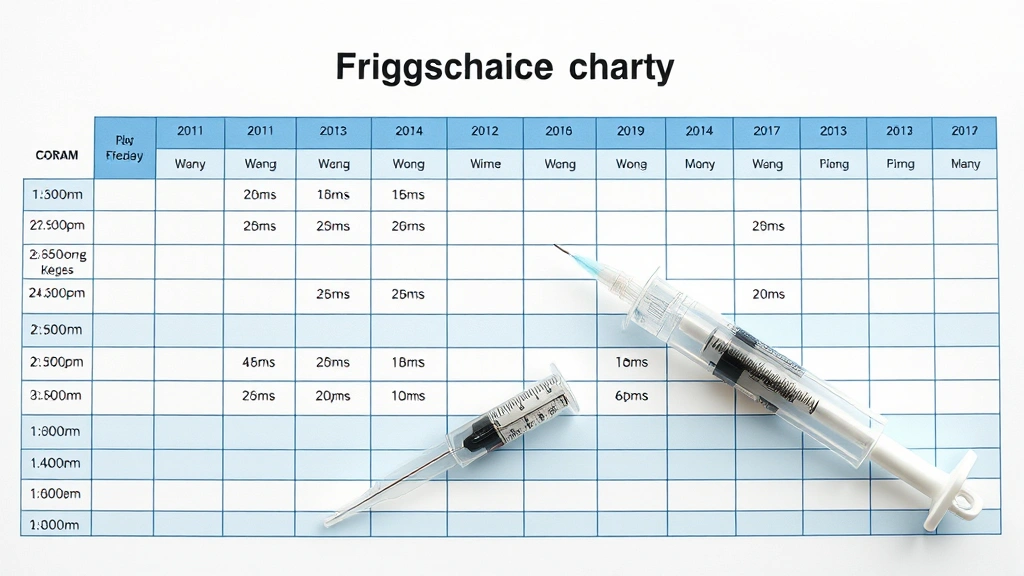
The foundation of any successful recovery feeding schedule is consistency. Most vets recommend starting with four to six small feedings per day for the first few days, then gradually reducing frequency as your pet improves. Space feedings evenly throughout the day—roughly every four to six hours. This mimics natural eating patterns and prevents overwhelming a compromised digestive system. Write it down. Put it on your phone. Set alarms if you’re the forgetful type. Skipping feedings or bunching them together defeats the entire purpose.
Daily Syringe Feeding Schedule Templates for Different Recovery Stages
Early recovery (days 1-3): Feed every 4-5 hours, six times daily. Start with small amounts—maybe 10-20ml per feeding depending on your pet’s size. Monitor for vomiting or refusal. Mid-recovery (days 4-7): Move to five feedings daily, spaced about five hours apart. Gradually increase portion sizes by 10-15% every two days if your pet tolerates it well. Late recovery (days 8+): Transition to three to four feedings daily while introducing small amounts of regular food alongside syringe feeding. This gradual transition helps their appetite reawaken naturally. Always follow your vet’s specific recommendations, as every pet’s recovery is unique.
Mastering the Technique: How to Actually Syringe Feed Your Pet
Here’s where technique matters. Position your pet comfortably—sitting upright is ideal for preventing aspiration. Draw the food into the syringe slowly and steadily. Insert the syringe tip gently into the side of your pet’s mouth, between the teeth and cheek pouch (this is called the buccal pouch for you fancy folks). Never squirt food directly down the throat; let your pet control the swallowing pace. Go slow. Patience here prevents choking and stress. If your pet resists, take a break. Forcing it creates negative associations and makes future feedings harder. Medication with food schedule coordination is also important—ask your vet about timing meds with syringe feeding.
Recognizing Signs Your Pet Is Ready to Transition Off Syringe Feeding
The goal is always to get your pet eating independently again. Watch for positive signs: increased interest in food bowls, attempting to eat on their own, maintaining weight, and normal bowel movements. Some pets transition quickly; others need weeks. There’s no rush. A premature transition back to self-feeding can lead to relapse. Your vet will give you the green light when they think your pet is ready. Start by offering small amounts of soft food in a bowl alongside syringe feeding, gradually increasing bowl offerings while decreasing syringe amounts. This hybrid approach works beautifully for most pets.
Troubleshooting Common Syringe Feeding Problems
Your pet refuses to open their mouth? Try warming the food slightly—it smells more appetizing. They’re vomiting after feedings? Reduce portion sizes and space them further apart. The food keeps clogging the syringe? It might be too thick; ask your vet about consistency adjustments. Your pet is losing weight despite feedings? You might not be hitting caloric targets; recalculate with your vet. Some pets develop food aversions after traumatic syringe feeding experiences, so gentle technique is non-negotiable. Keep a feeding log documenting amounts, times, and any issues. This information is gold for your vet during follow-ups.

Hydration Considerations in Your Syringe Feeding Schedule
Nutrition is only half the battle. Hydration with feeding is equally critical. If your pet isn’t drinking water independently, you may need separate syringe feedings of water or electrolyte solutions between meals. Some recovery foods are more hydrating than others. Bone broth, for example, provides both nutrition and fluids. Monitor your pet’s hydration status by checking skin turgor (gently pull the skin; it should snap back quickly) and mucous membrane moisture. Dehydration is a serious complication during recovery, so don’t neglect this aspect.
Managing Medications Alongside Syringe Feeding
Many recovering pets need medications that must be timed with food. Some medications should be given on an empty stomach; others need food to prevent nausea. This is where your syringe feeding schedule becomes a puzzle you’re solving with your vet. Create a master timeline showing feeding times, medication times, and any restrictions. Some pet parents find it helpful to use a pill organizer or spreadsheet to track everything. Never assume you know the right timing—always ask your vet about drug-food interactions.

Psychological and Emotional Aspects of Syringe Feeding
Here’s something vets don’t always mention: syringe feeding can be emotionally challenging for pet parents. You might feel like you’re force-feeding your beloved companion, even though you’re helping them heal. That guilt is normal and unfounded. Your pet doesn’t understand they’re recovering; they just know you’re providing nutrition when they can’t. Many pets actually become more comfortable with syringe feeding over time, especially if you’re calm and gentle. Talk to your vet about your feelings—they’ve heard it all and can reassure you that you’re doing the right thing.
When to Call Your Vet: Red Flags During Syringe Feeding
Persistent vomiting after feedings, signs of aspiration (coughing, wheezing, difficulty breathing), refusal to eat for more than a few hours, weight loss despite adequate feedings, or lethargy are all reasons to contact your vet immediately. Don’t wait for your next scheduled appointment if something feels wrong. Your instincts about your pet are usually accurate. Also reach out if you’re struggling with the technique itself—your vet tech can often provide a refresher demonstration.
Frequently Asked Questions
How long will my pet need syringe feeding?
Recovery timelines vary dramatically based on the condition. Post-surgical recovery might take 5-14 days, while chronic conditions could require weeks or months. Your vet will guide you through the transition timeline specific to your pet’s situation.
Can I use a regular syringe from a pharmacy?
Yes, but ask your vet for the right size. Most vets recommend 10-35ml syringes without needles. Pharmacy staff can help you find appropriate ones, or your vet might provide them directly.
What if my pet aspirates food during syringe feeding?
Aspiration (food entering the lungs) is serious. Signs include coughing, wheezing, or difficulty breathing. Contact your vet immediately if you suspect aspiration. Prevention is key—always feed slowly and let your pet control swallowing pace.
Is syringe feeding stressful for pets?
It can be initially, but most pets adapt quickly. Gentle technique, patience, and positive reinforcement (treats afterward, calm voice) help tremendously. Some pets actually seem to enjoy the bonding time with their owners.
Can I switch foods during the syringe feeding schedule?
Transition slowly over 7-10 days, mixing increasing amounts of new food with the old. Sudden diet changes during recovery can cause digestive upset. Always check with your vet before changing foods.
What’s the best position for syringe feeding?
Sitting upright or semi-upright is ideal. Never feed a pet lying flat on their back, as this increases aspiration risk. Have your pet sit naturally on your lap or on a table at a comfortable height for you.

Summary: Mastering Your Pet’s Syringe Feeding Schedule
A successful syringe feeding schedule combines proper technique, consistent timing, appropriate nutrition, and close monitoring. Start with your vet’s specific recommendations for frequency and portion sizes. Use gentle technique to prevent stress and aspiration. Track everything in a feeding log. Watch for signs your pet is ready to transition back to self-feeding. Stay in communication with your vet about progress and any concerns. Remember, syringe feeding is temporary—it’s a bridge to recovery, not a permanent solution. Your patience and dedication during this phase directly impact your pet’s healing journey. You’ve got this, and your furry friend is lucky to have someone willing to go the extra mile for their recovery.
For additional support, explore resources on increasing pet appetite and sensitive stomach supplements to complement your feeding strategy.





