

If you’ve ever wanted a dog that looks like it walked straight out of a toy store, the teddy bear dog breed might be your perfect match. These adorable pups combine the cuddly appearance of a stuffed animal with genuine canine companionship, making them increasingly popular among families and apartment dwellers alike.
Table of Contents
- What Exactly Is a Teddy Bear Dog Breed?
- Popular Teddy Bear Dog Breeds and Their Characteristics
- Grooming Requirements: The Real Deal
- Temperament and Personality Traits
- Training and Socialization Essentials
- Health Considerations for Teddy Bear Dogs
- Nutrition and Feeding Guidelines
- Exercise and Activity Levels
- Cost of Ownership: Budget Accordingly
- Finding Your Perfect Teddy Bear Companion
- Common Misconceptions About Teddy Bear Dogs
- Frequently Asked Questions
- Final Thoughts: Is a Teddy Bear Dog Right for You?
What Exactly Is a Teddy Bear Dog Breed?
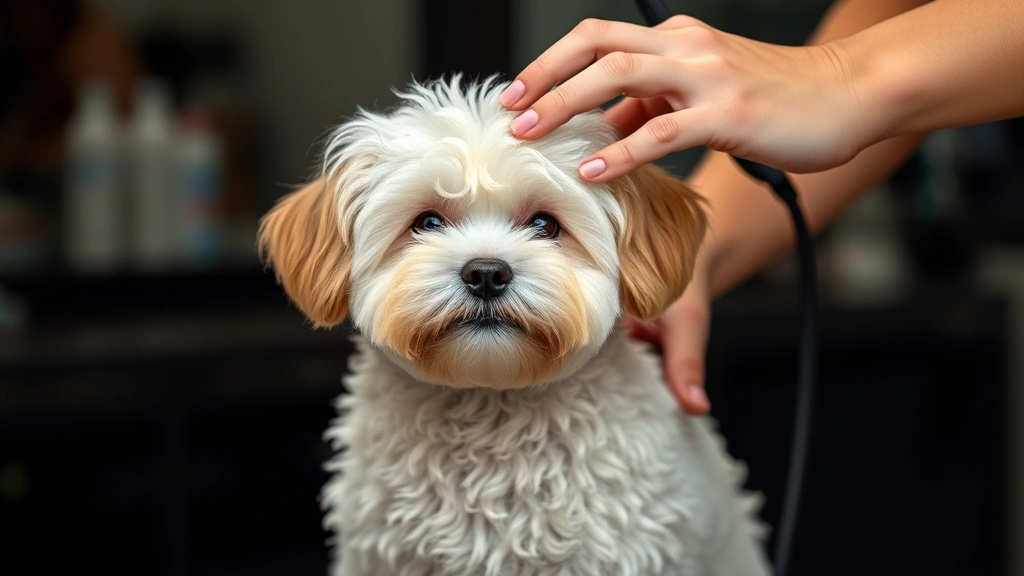
A teddy bear dog breed isn’t technically a single breed recognized by major kennel clubs—it’s more of a designer dog category that encompasses several small, fluffy breeds intentionally bred to look like living teddy bears. These dogs typically feature round faces, button noses, dark eyes, and soft, plush coats that practically beg for constant cuddling. The most common teddy bear dog types include Shih Tzus, Bichon Frises, Maltese dogs, and various Poodle mixes like Maltipoos and Sheepadoodles.
The appeal is undeniable: you get a companion that’s literally cute enough to squeeze without worrying about it being a stuffed toy. But before you fall head over heels for those puppy-dog eyes, let’s dive into what owning one really entails.

Popular Teddy Bear Dog Breeds and Their Characteristics
When we talk about teddy bear-looking dogs, several breeds consistently top the list. The Shih Tzu is perhaps the quintessential teddy bear dog, with its flowing coat and compact size. Then there’s the Bichon Frise, which boasts a curly, cloud-like coat that makes it look perpetually fluffy. Maltese dogs offer that white, silky appearance, while designer teddy bear breeds like Maltipoos (Maltese and Poodle mix) and Cavapoos (Cavalier King Charles Spaniel and Poodle mix) combine the best traits of their parent breeds.
These breeds typically weigh between 5 to 25 pounds, making them ideal for various living situations. Their small stature doesn’t mean they lack personality—many teddy bear dogs are surprisingly spirited and affectionate.

Grooming Requirements: The Real Deal
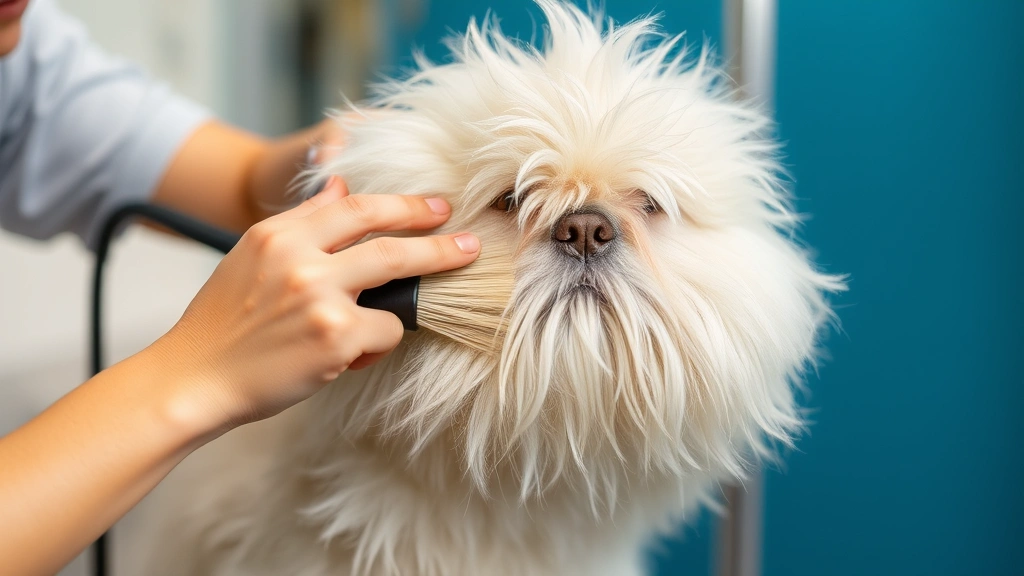
Here’s where the teddy bear dog breed reality check hits hard. Those adorable, fluffy coats require serious maintenance. Most teddy bear dogs need professional grooming every 4-8 weeks, with daily brushing in between to prevent matting and tangling. We’re talking 15-30 minutes of brushing several times per week, minimum.
If you’re the type who forgets to brush their own hair regularly, a teddy bear dog might test your patience. Their coats can quickly become matted, uncomfortable, and prone to skin infections if neglected. Budget $50-$150 per grooming session, and factor in the time commitment. Some owners opt for shorter, easier-to-maintain cuts, which still looks adorable but requires less intensive care.

Temperament and Personality Traits
Despite their toy-like appearance, teddy bear dogs pack genuine personality into their small packages. Most are affectionate, social, and eager to please their owners. They typically thrive on human companionship and can develop separation anxiety if left alone for extended periods. These aren’t independent lap dogs that ignore you—they actively seek interaction and attention.
Teddy bear dog breeds are generally good with children and other pets, though their small size means they can be easily injured by rough play. They’re often excellent therapy dogs due to their gentle nature and comforting appearance. Many owners report that their teddy bear pups seem to have an intuitive understanding of when they need emotional support.
Training and Socialization Essentials
Don’t let the cute factor fool you—teddy bear dogs still need proper training and socialization. Early socialization helps prevent excessive barking, which some of these breeds are prone to. They respond well to positive reinforcement training methods, though they can be stubborn at times.
Housebreaking can take longer with teddy bear breeds, so patience is essential. Crate training often helps establish good bathroom habits. These dogs are intelligent and capable learners, but they sometimes have a “what’s in it for me?” attitude. High-value treats and consistent, gentle correction work best.
Health Considerations for Teddy Bear Dogs
Small breeds, including teddy bear dog types, are prone to specific health issues. Dental problems are common due to their small mouths and crowded teeth—regular veterinary cleanings are crucial. Patellar luxation (knee issues), eye problems, and heart conditions can affect these breeds. Responsible breeders screen for genetic health issues, so always ask about health testing when acquiring a teddy bear puppy.
Additionally, their small size makes them vulnerable to hypoglycemia, especially as puppies. Regular meals and monitoring are important. Consider obtaining quality nutrition appropriate for your dog’s size to support long-term health.

Nutrition and Feeding Guidelines
Teddy bear dogs require high-quality, appropriately-portioned meals. Their small size means they need fewer calories than larger breeds, but their nutritional needs are just as important. Look for dog foods with high-quality proteins and avoid fillers. Many owners find that quality wet food options work well for small breeds, though dry kibble can be more economical.
Portion control is critical—these dogs can quickly become overweight, which exacerbates joint and heart problems. Follow feeding guidelines based on your dog’s specific weight and metabolism. Some teddy bear dogs are prone to picky eating, so you might need to experiment with different brands and textures.

Exercise and Activity Levels
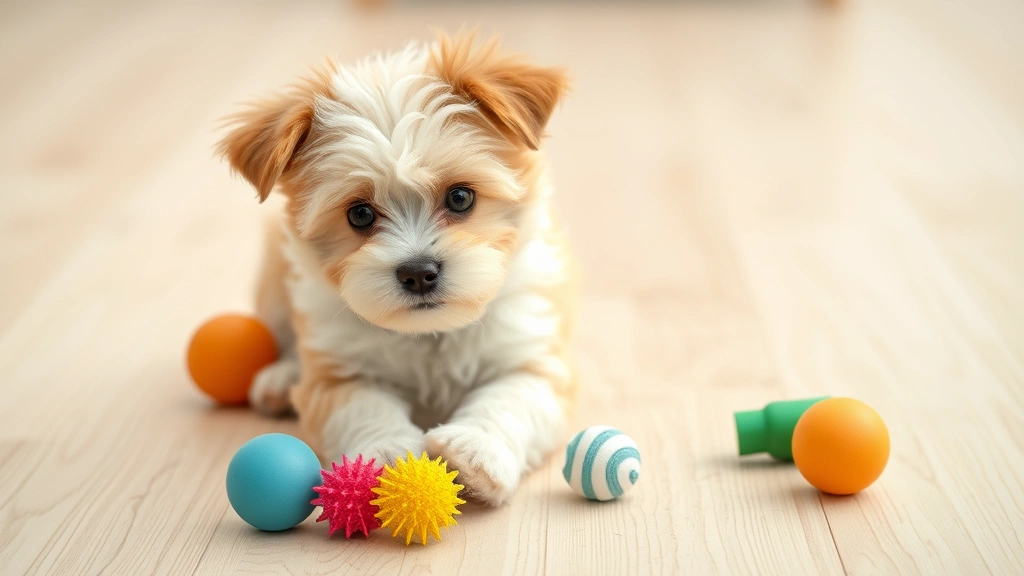
Despite their diminutive size, teddy bear dogs need regular exercise and mental stimulation. Daily walks, playtime, and interactive toys keep them healthy and prevent behavioral issues. Most teddy bear breeds need 30-60 minutes of activity daily, split into multiple sessions.
These dogs enjoy games, puzzle toys, and training sessions. They’re often excellent candidates for dog sports like agility (adapted for their size) and obedience competitions. Mental stimulation is just as important as physical exercise—a bored teddy bear dog can become destructive or excessively vocal.
Cost of Ownership: Budget Accordingly
Acquiring a teddy bear dog breed involves significant financial commitment. Puppies from reputable breeders typically cost $1,000-$3,000, while rescue dogs cost less but may have unknown backgrounds. Beyond the initial purchase, factor in:
- Professional grooming: $50-$150 per session (every 4-8 weeks)
- Veterinary care: $500-$1,500 annually
- Quality food: $30-$60 monthly
- Toys, bedding, and supplies: $200-$500 annually
- Pet insurance: $20-$50 monthly
Over a 12-15 year lifespan (typical for teddy bear breeds), you’re looking at $15,000-$25,000 in total expenses. This isn’t a budget pet—it’s a financial commitment.

Finding Your Perfect Teddy Bear Companion
When searching for a teddy bear dog breed, prioritize health and ethics. Visit the American Kennel Club website for breeder referrals and health information. Reputable breeders provide health guarantees and are happy to answer questions about their breeding practices.
Consider rescue organizations specializing in small breeds. Many teddy bear dogs end up in rescues through no fault of their own, and adoption fees are typically $100-$500. Check PetMD’s adoption resources for local rescue contacts. You might also find wonderful stories like the Maltipoo rescue dog who found her forever home.

Common Misconceptions About Teddy Bear Dogs
Many people assume teddy bear dogs are low-maintenance because they’re small. False. They require consistent grooming, training, and attention. Others believe they’re hypoallergenic—while some breeds shed less, no dog is truly hypoallergenic. Allergy sufferers should spend time with the specific breed before committing.
Another misconception: they’re ideal for first-time dog owners. While their size makes them manageable, their grooming needs and potential behavioral issues require experience. First-time owners should be prepared for the learning curve or consider hiring a professional trainer.
Frequently Asked Questions
Are teddy bear dogs good for apartments?
Yes, teddy bear dog breeds are excellent apartment companions due to their small size. However, they can be vocal, so training to minimize excessive barking is important. Their exercise needs can be met with indoor play and regular walks.
How long do teddy bear dogs live?
Most teddy bear dog breeds live 12-15 years with proper care. Some Maltese and Shih Tzus have been known to reach 18-20 years. Longevity depends on genetics, health screening, nutrition, and preventive veterinary care.
Do teddy bear dogs shed?
Many teddy bear breeds are low-shedding due to their coat types, but they’re not shed-free. Regular grooming significantly reduces shedding. Even low-shedding breeds require consistent brushing to prevent matting.
Can teddy bear dogs be left alone?
These dogs are companion animals that don’t do well with extended alone time. They can develop separation anxiety and become destructive or excessively vocal. Plan for dog walkers, daycare, or flexible work schedules if you’re frequently away.
What’s the difference between a teddy bear dog and a long-haired small breed?
Teddy bear dogs specifically have rounded facial features and plush coats that resemble stuffed animals. Long-haired small breeds may have longer coats but lack the characteristic teddy bear appearance and personality traits.
Final Thoughts: Is a Teddy Bear Dog Right for You?
The teddy bear dog breed offers genuine companionship wrapped in an irresistibly cute package. These dogs thrive in homes where owners commit to regular grooming, training, and quality time. They’re perfect for people seeking a loyal, affectionate companion who doesn’t require extensive yard space.
However, they’re not for everyone. If you lack patience for grooming, can’t afford regular professional care, or need a truly independent dog, a teddy bear breed might disappoint. But if you’re prepared for the commitment and genuinely enjoy pampering your pup, these adorable dogs will reward you with unconditional love and endless entertainment.
Take time to research specific breeds, visit breeders or rescues, and honestly assess your lifestyle. A teddy bear dog can be your perfect companion—or a beautiful mistake. Choose wisely, and you’ll have a cuddly friend for the next 12-15 years.





