
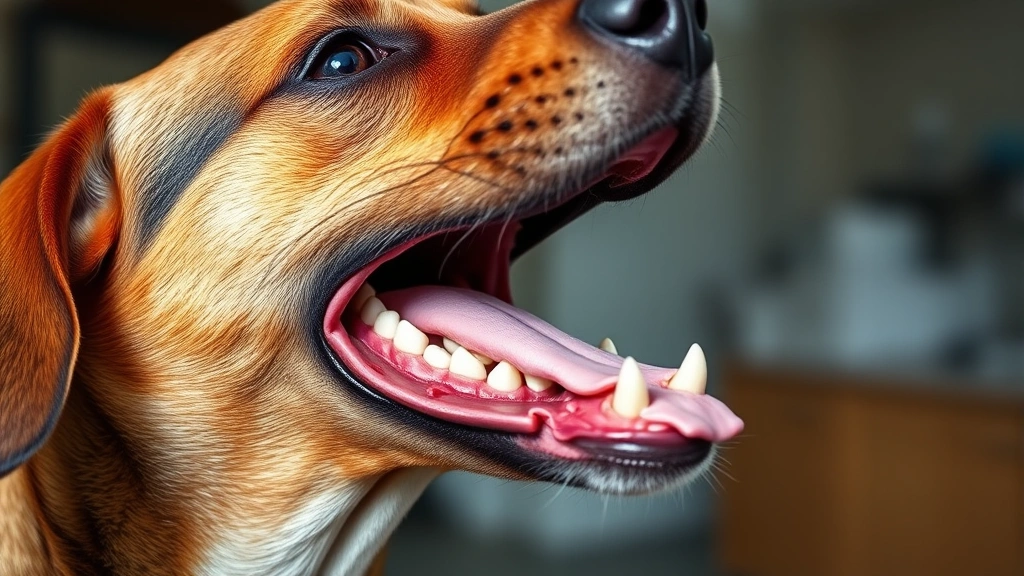
Teeth in a dog are just as important as they are in humans, yet most dog owners don’t give their pup’s pearly whites a second thought until something goes wrong. Here’s the thing: your dog’s dental health directly impacts their overall well-being, lifespan, and quality of life. In this guide, we’ll explore everything you need to know about canine teeth, from puppyhood through their golden years.
Table of Contents
- Understanding Your Dog’s Dental Anatomy
- The Puppy Teething Phase: What to Expect
- Adult Dog Teeth: Maintenance and Care
- Professional Dental Cleanings: When and Why
- Common Dental Problems in Dogs
- Diet’s Role in Dental Health
- Chewing Habits and Dental Health
- Signs Your Dog Has Dental Problems
- Breed-Specific Dental Considerations
- Senior Dogs and Dental Care
- Natural and Alternative Dental Care Options
- Frequently Asked Questions
- Conclusion: Making Dental Health a Priority
Understanding Your Dog’s Dental Anatomy
Dogs have a completely different dental setup than humans, and understanding this is crucial for proper care. Adult dogs have 42 teeth compared to our measly 32. These teeth are specialized for different jobs: incisors for nibbling, canines for gripping, and molars for crushing. Puppies are born without teeth, but by 8 weeks old, they have their full set of baby teeth (28 total). These deciduous teeth are replaced by permanent adult teeth between 3-7 months of age.
The structure of a dog’s tooth includes the crown (the visible part), the root, and the pulp chamber containing nerves and blood vessels. Unlike human teeth, dog teeth have thinner enamel, making them more susceptible to damage and decay. This is why proper care of canine dental health is so essential from day one.
The Puppy Teething Phase: What to Expect
If you’ve ever had a teething puppy, you know it’s no joke. Around 3-5 months old, puppies start losing their baby teeth, and the incoming permanent teeth can cause significant discomfort. During this phase, your pup might drool excessively, chew everything in sight, and seem generally grumpy. This is completely normal behavior as they work through the pain.
To help your teething puppy, provide appropriate chewing toys and consider frozen toys that numb sore gums. The Kong Extreme Dog Toy Fetch is an excellent option for heavy chewers. Avoid letting them chew on inappropriate items like sticks, which can splinter and damage developing teeth.
Adult Dog Teeth: Maintenance and Care
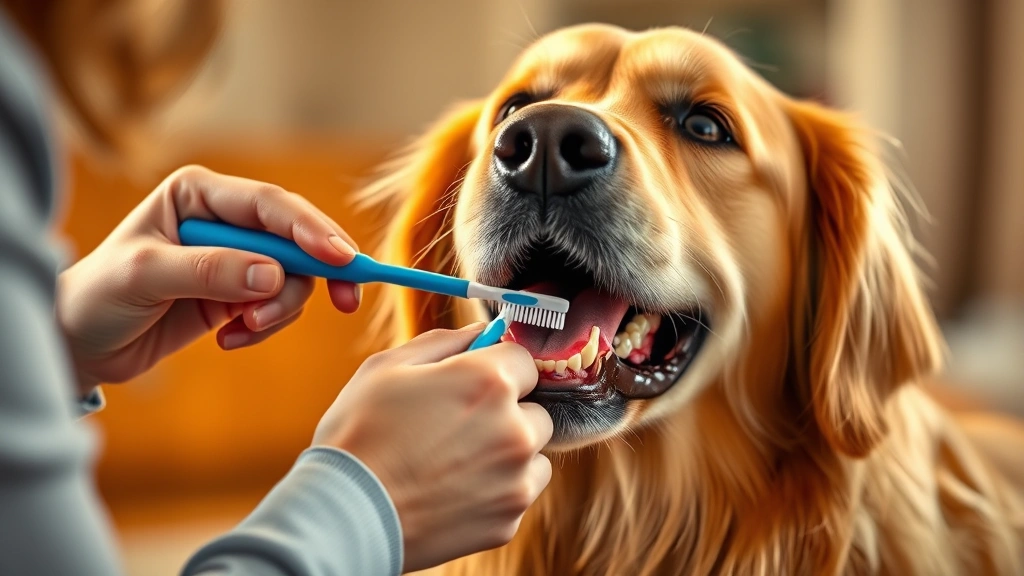
Once your dog reaches adulthood, their permanent teeth should be fully erupted and ready for action. However, this is when the real work begins. Just like human teeth, dog teeth accumulate plaque and tartar buildup, which leads to gum disease and tooth decay. Regular brushing is the gold standard for maintaining healthy teeth in a dog.
Dental brushing should ideally happen daily, though 3-4 times per week is still beneficial. Use a dog-specific toothbrush and toothpaste—never use human toothpaste, as it contains fluoride and xylitol, both toxic to dogs. Start slowly with your dog, making it a positive experience with treats and praise. Many dogs learn to enjoy their dental care routine when introduced properly.
Professional Dental Cleanings: When and Why
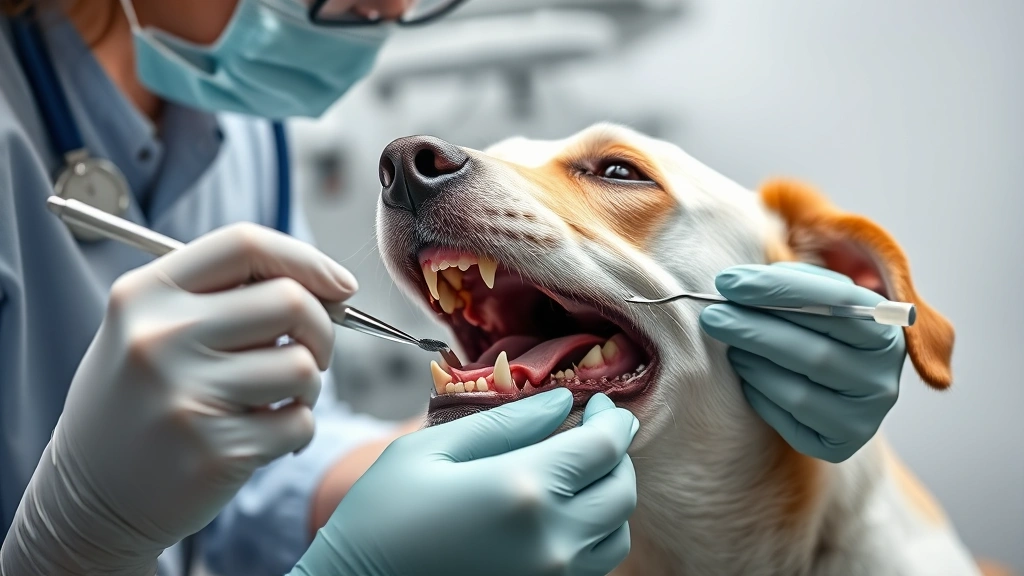
Even with excellent home care, most dogs benefit from professional dental cleanings performed by a veterinarian. These cleanings go below the gumline where your toothbrush can’t reach, removing tartar and addressing early signs of disease. The American Veterinary Medical Association recommends annual dental check-ups for most dogs, though some may need more frequent visits.
Professional cleanings require anesthesia, which is a concern for many pet owners. However, modern anesthetic protocols are very safe, and the benefits far outweigh the risks. Your vet will perform pre-anesthetic bloodwork to ensure your dog is healthy enough for the procedure. Without professional cleanings, dental disease can progress silently, leading to tooth loss and systemic health problems.
Common Dental Problems in Dogs
Dental disease is one of the most common health issues affecting dogs, yet it’s largely preventable. Periodontal disease, the most frequent dental problem, starts with plaque accumulation and progresses to gum inflammation, infection, and eventual tooth loss. Bad breath is often the first sign that something’s wrong.
Other common issues include fractured teeth (especially in aggressive chewers), retained baby teeth, malocclusion (misaligned bite), and oral tumors. Some breeds are predisposed to certain dental problems—small breeds are particularly prone to crowding and periodontal disease due to their compact mouths. Regular veterinary check-ups help catch these problems early when treatment is most effective.
Diet’s Role in Dental Health
What your dog eats significantly impacts their teeth. While there’s no magic food that prevents all dental disease, certain diets can help. Some prescription dental diets are formulated with texture and ingredients designed to reduce plaque and tartar buildup mechanically. However, these shouldn’t replace brushing and professional care.
Wet food doesn’t necessarily cause more dental disease than dry food, despite the common myth. The real culprit is lack of proper oral hygiene. That said, crunchy kibble provides some mechanical cleaning action, which is why many veterinarians recommend at least some dry food in your dog’s diet. Avoid feeding your dog human foods high in sugar and starches, which feed the bacteria that cause dental disease.
Chewing Habits and Dental Health
Dogs are natural chewers, and appropriate chewing can actually benefit their dental health by providing mechanical cleaning. However, not all chewing materials are safe. Rawhide chews can be problematic as they can splinter, cause choking, or lead to intestinal blockages.
Safe chewing options include rubber toys, nylon chews, and natural options like bully sticks and yak chews. Supervise your dog while chewing and remove any toy that’s becoming small enough to swallow. Hard items like bones, antlers, and ice can crack teeth, so use caution with these. The key is balancing your dog’s natural desire to chew with safety and dental health.
Signs Your Dog Has Dental Problems
Being vigilant about your dog’s oral health means knowing what to look for. Common signs of dental disease include bad breath (more than typical dog breath), visible tartar buildup on teeth, red or swollen gums, difficulty eating, drooling excessively, pawing at the mouth, and loose or missing teeth. Some dogs may also show behavioral changes like reluctance to play with toys or decreased appetite.
If you notice any of these signs, schedule a veterinary appointment promptly. Dental disease is progressive and won’t improve on its own. Early intervention can save teeth and prevent more serious health complications. Don’t assume bad breath is just normal—it’s often your dog’s way of telling you something needs attention.
Breed-Specific Dental Considerations
Different breeds face different dental challenges. Small breeds like Chihuahuas and Toy Poodles are prone to crowding and early periodontal disease due to limited space in their mouths. Large breeds may experience more fractured teeth from aggressive chewing. Brachycephalic breeds (flat-faced dogs like Bulldogs and Pugs) often have dental crowding and may have difficulty with certain dental procedures due to their anatomy.
Understanding your dog’s breed predispositions allows you to be proactive about their dental care. If you have a small breed, you might prioritize more frequent professional cleanings. If you have an aggressive chewer, you’ll want to be extra careful about what toys and chews you provide.
Senior Dogs and Dental Care
As dogs age, their teeth often deteriorate, and dental disease becomes increasingly common. Senior dogs may have significant tartar buildup, loose teeth, and gum recession. However, age alone shouldn’t prevent dental care. In fact, maintaining oral health becomes even more important in senior dogs to prevent pain and systemic infections.
Many older dogs benefit from professional cleanings, even if they haven’t had them regularly throughout their lives. Your vet will assess your senior dog’s overall health and anesthetic risk before recommending procedures. Keeping your senior dog’s teeth healthy contributes to better quality of life and can even extend their lifespan.
Natural and Alternative Dental Care Options
While brushing and professional cleanings are the most effective approaches, some pet owners explore additional options. Water additives designed to reduce plaque, dental sprays, and enzymatic chews have varying levels of evidence supporting their effectiveness. These can be helpful supplements to a good dental care routine but shouldn’t replace brushing.
Some people advocate for raw diets claiming they’re better for teeth, but this is controversial and carries its own health risks. The most reliable approach remains consistent brushing, appropriate chewing materials, regular veterinary check-ups, and professional cleanings when needed. Don’t fall for gimmicks promising to eliminate dental disease without effort—there’s no substitute for proper care.
Frequently Asked Questions
At what age should I start brushing my dog’s teeth?
You can start brushing your puppy’s teeth as early as 8 weeks old, once they have their baby teeth. Getting them accustomed to the process early makes it easier throughout their life. However, it’s never too late to start with an adult dog—they can learn to accept brushing at any age with patience and positive reinforcement.
How often should my dog have professional dental cleanings?
Most dogs benefit from annual professional cleanings, though some may need them more frequently depending on their breed, diet, and individual predisposition to dental disease. Your veterinarian can recommend the appropriate schedule for your dog based on their specific needs and risk factors.
Is anesthesia safe for dental cleanings?
Modern veterinary anesthesia is very safe, especially when pre-anesthetic bloodwork is performed to ensure your dog is healthy. The risks of anesthesia are far outweighed by the benefits of preventing serious dental disease. Discuss any concerns with your vet before the procedure.
Can I reverse periodontal disease in my dog?
Once periodontal disease has progressed, you cannot reverse the damage to bone and tissues. However, you can halt its progression with proper treatment and care. This is why early detection and prevention are so important. Regular professional cleanings and home care can prevent disease from developing in the first place.
What should I do if my dog has bad breath?
Bad breath is often a sign of dental disease and warrants a veterinary visit. Your vet will examine your dog’s mouth and may recommend professional cleaning. In the meantime, continue regular brushing and avoid assuming it’s just normal dog breath—it’s usually your dog’s way of signaling a problem.
Conclusion: Making Dental Health a Priority
Teeth in a dog are fundamental to their health, happiness, and longevity. While it might seem like a lot of work to maintain your dog’s oral health, the effort pays dividends in preventing pain, tooth loss, and serious systemic diseases. Start with a solid foundation: regular brushing, appropriate chewing materials, a healthy diet, and annual veterinary check-ups.
Remember that every dog is different, and what works for one might not work for another. Work with your veterinarian to develop a dental care plan tailored to your dog’s specific needs, age, and breed. Your dog can’t tell you when their teeth hurt, so it’s up to you to be their advocate. By taking dental health seriously now, you’re investing in many more years of happy, healthy smiles with your furry best friend. If you notice your pup is happy and healthy overall, check out our guide on recognizing signs of a happy dog to ensure their wellbeing extends beyond just dental care.
For more information on dental health and preventive care, consult the American Association of Feed Control Officials, the American Kennel Club, and the American Veterinary Medical Association for evidence-based recommendations.





