
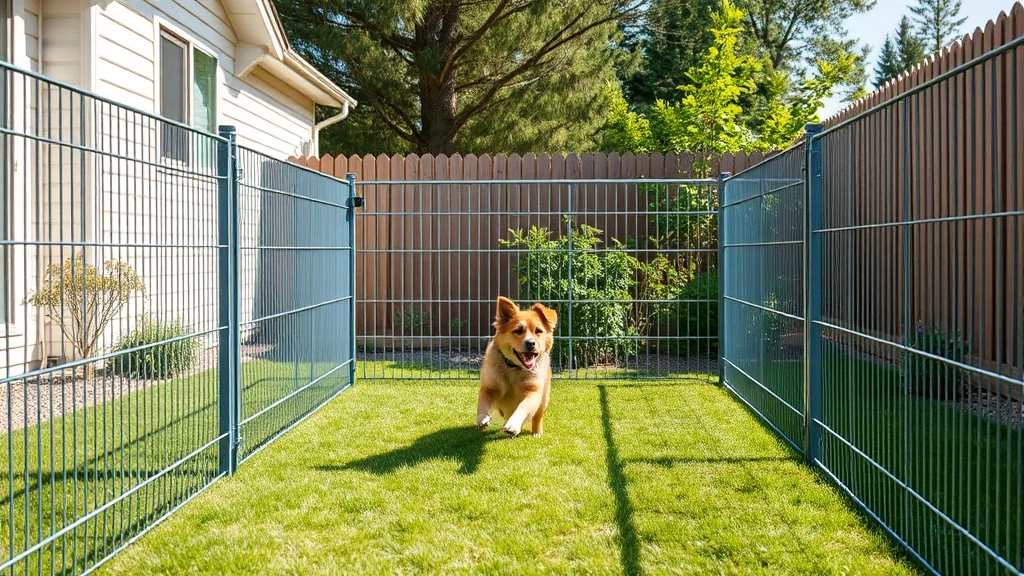
A temporary fence for dogs is honestly one of the best investments you can make if you’ve got a furry escape artist at home or you’re just tired of permanent installation headaches. Whether you’re renting, moving, or just need a quick fix for your backyard, these portable solutions keep your pup safe without requiring a contractor, a sledgehammer, or your firstborn child’s college fund.
Table of Contents
- Why You Actually Need a Temporary Fence for Dogs
- Portable Dog Fence Panels: The Classic Choice
- Wireless Invisible Fences: The Sneaky Solution
- Retractable Dog Tie-Outs: For the Minimalist
- Pop-Up Playpen Enclosures: Portable and Compact
- DIY Temporary Fence Solutions: Budget-Friendly Options
- Choosing the Right Height and Material
- Installation Tips That Actually Work
- Safety Considerations for Your Pup
- Temporary Fence for Dogs: Maintenance and Longevity
- Budget Breakdown: What You’ll Actually Spend
- Frequently Asked Questions
- Final Thoughts: Finding Your Perfect Temporary Fence Solution
Why You Actually Need a Temporary Fence for Dogs
Let’s be real—not everyone can or wants to install a permanent fence. Maybe you’re renting and your landlord is basically a dragon guarding his property. Maybe you just moved and haven’t decided on permanent solutions yet. Or maybe, like many dog owners, you’ve got a Houdini-level escape artist who can somehow breach the Great Wall of China, so you want options before committing.
A portable dog fence gives you flexibility, peace of mind, and the ability to create a safe space for your pup without turning your yard into a construction zone. Plus, if you ever move, you take it with you. That’s the dream.
Portable Dog Fence Panels: The Classic Choice
Portable dog fence panels are basically the reliable friend who shows up when you need them. These modular sections connect together like LEGO blocks for dogs. You can arrange them in any shape—rectangular, circular, L-shaped—whatever your yard demands.
The best part? They’re adjustable. Got a smaller dog? Reduce the height. Got a German Shepherd or other large breed that jumps like an Olympic athlete? Crank it up to maximum security. Most quality panels range from 24 to 48 inches high, and they’re typically made from durable metal or plastic that won’t rust or degrade after one season of neglect.
Installation is laughably simple: just stake them into the ground, connect the sections, and boom—instant dog containment. No tools required. No crying over instruction manuals at midnight. A large dog door can even be integrated nearby if you want to manage yard access more strategically.
Wireless Invisible Fences: The Sneaky Solution
Invisible fences use a buried wire (or wireless signal) and a special collar to create an invisible boundary. Your dog wears a receiver collar that vibrates or delivers a mild static correction when they approach the boundary. It’s like having a fence that nobody can see—perfect if you want to maintain your yard’s aesthetic without looking like you’re running a kennel.
The downside? They don’t actually prevent other animals or people from entering your yard. A determined German Shepherd or curious neighbor’s dog can waltz right in. Plus, some dogs are stubborn enough to ignore the correction and bolt anyway. And if the power goes out? Your invisible fence becomes a very invisible non-fence.
They work best for dogs with solid obedience training and moderate containment needs, not for escape artists or high-prey-drive pups.
Retractable Dog Tie-Outs: For the Minimalist
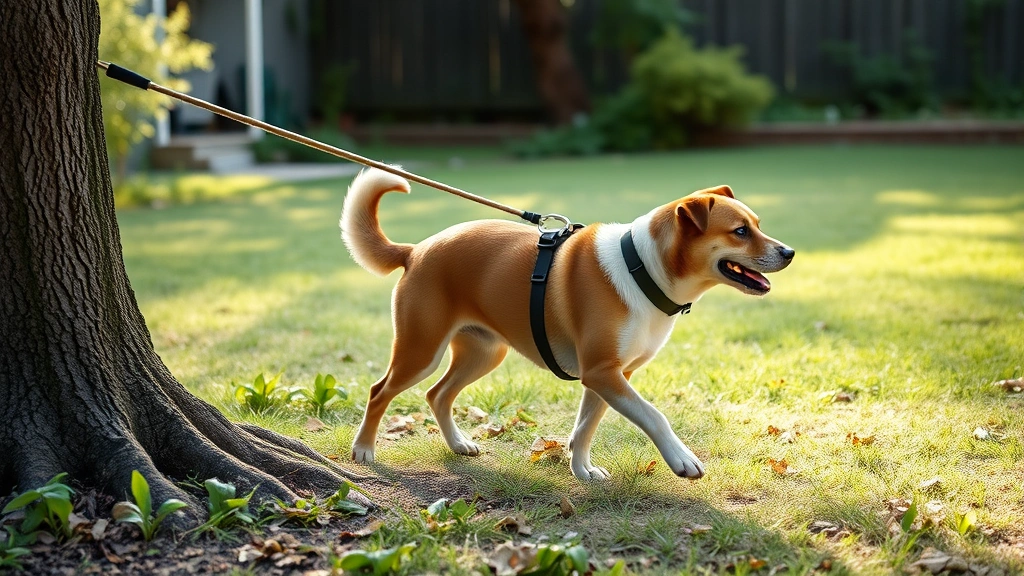
Sometimes you don’t need a whole yard enclosed. A retractable tie-out (also called a dog runner) lets your pup have freedom within a specific radius while staying anchored to one spot. These are lifesavers for camping trips, backyard hangouts, or when you need to let your dog outside for bathroom breaks without full yard supervision.
They typically range from 15 to 30 feet in length, giving your dog decent roaming space. The spring-loaded mechanism keeps tension on the line, preventing tangling (mostly). Just secure the anchor point to something immovable—a tree, a stake, a cinder block, whatever—and let your dog enjoy some outdoor time.
Fair warning: these aren’t a substitute for a full temporary fence. They’re more of a supplementary solution. And yes, some dogs will figure out how to tangle themselves like they’re attempting an escape rope trick from a spy movie.
Pop-Up Playpen Enclosures: Portable and Compact
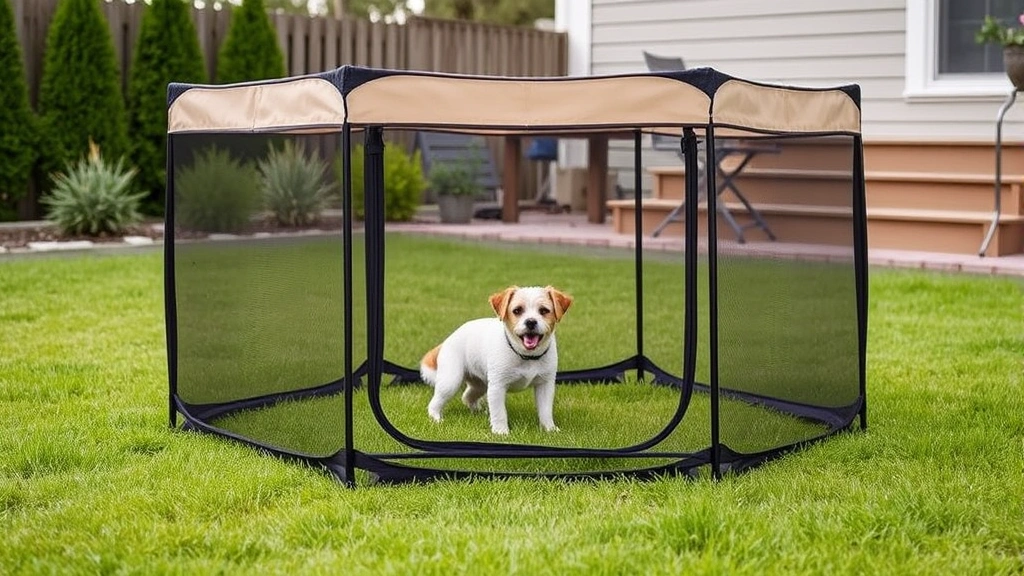
Pop-up playpens are the tiny cousins of portable fence panels, and they’re perfect for smaller dogs or puppies. They fold down into a compact carrying bag, making them ideal for travel, camping, or creating a safe space at a friend’s house.
These mesh or fabric enclosures typically measure 4 to 8 feet in diameter and stand about 24-30 inches high. They’re lightweight enough for one person to set up in about 30 seconds. The downside? They’re not escape-proof for determined medium or large dogs. A determined Kangal or athletic breed could potentially breach one, so they’re best for well-behaved, smaller pups or very young puppies.
They’re also great for creating a temporary safe zone indoors if you need to confine your dog while guests are over or during home renovations.
DIY Temporary Fence Solutions: Budget-Friendly Options
If you’re on a shoestring budget, you can MacGyver a temporary fence setup using PVC pipe, chicken wire, and some determination. Build a frame, attach the wire, and stake it down. It’s not pretty, but it works.
Some people use garden fencing or livestock panels (which are surprisingly affordable and durable). You can also get creative with netting, rope, and stakes for a truly minimal setup. The key is making sure whatever you use can’t collapse under dog pressure and doesn’t have sharp edges that could injure your pup.
Just remember: DIY solutions require more maintenance and might not look Instagram-worthy, but they’re functional and budget-friendly. Check out our guide on low maintenance dogs if you want a pup that’s easier to manage while you’re experimenting with fence setups.
Choosing the Right Height and Material
Not all temporary fences are created equal. Small breeds need 24-30 inches of height. Medium breeds (think Martingale collar wearers and athletic mixes) need 36-42 inches. Large and high-jumping breeds need 48+ inches or they’ll treat your fence like a parkour course.
Material matters too. Metal is durable and rust-resistant (usually). Plastic is lightweight and easy to move but might degrade in harsh sun. Fabric and mesh are portable but less durable. Wood is sturdy but heavy and harder to relocate.
Consider your climate, your dog’s behavior, and how long you’ll need the fence. A temporary solution for a summer rental? Lightweight plastic works. A longer-term setup for a strong-willed escape artist? Invest in quality metal panels.
Installation Tips That Actually Work
Stake everything down properly. Seriously. A determined dog can tip over unstaked panels like they’re made of cardboard. Use proper ground anchors, not just hope and prayer.
Check for gaps. Dogs are basically furry liquid—if there’s a gap, they’ll find it. Walk the perimeter and plug any escape routes.
Consider the ground surface. Soft ground? Stakes work great. Hard-packed dirt or concrete? You might need weighted bases or alternative anchoring methods.
Place the fence away from objects your dog could use as a launch pad (like picnic tables or deck edges). Smart dogs will use whatever’s available to gain height advantage.
Safety Considerations for Your Pup
Make sure your dog has access to fresh water and shade inside the enclosed area. A temporary fence doesn’t mean temporary neglect of basic needs.
Check the fence regularly for damage, sharp edges, or weak points. A fence is only as strong as its weakest link, and that link might be a bent panel or a rusty stake.
Never leave your dog unsupervised for extended periods, even with a fence. Accidents happen, and your pup might need you.
If you’re using a wireless invisible fence, consult with a professional trainer. Improper use can cause anxiety or behavioral issues. According to the American Kennel Club, proper training is essential for any containment method.
Temporary Fence for Dogs: Maintenance and Longevity
Clean your fence periodically to prevent algae buildup and material degradation. Metal panels benefit from occasional inspection for rust. Plastic panels might need UV protection if they’re in harsh sun.
Check stakes and anchors before each use. Ground shifts, stakes loosen, and Murphy’s Law ensures your dog will escape right when you’ve forgotten about maintenance.
Store your temporary fence properly during off-season. Don’t just leave it crumpled in the garage—clean it, dry it, and store it in a way that prevents damage.
According to PetMD, regular maintenance of any containment system ensures your dog’s safety and the equipment’s longevity.
Budget Breakdown: What You’ll Actually Spend
Portable fence panels: $100-$400 depending on size and quality. Wireless invisible fences: $200-$500 plus collar costs. Retractable tie-outs: $20-$80. Pop-up playpens: $30-$150. DIY solutions: $50-$200 depending on materials.
Factor in your timeline. Need it for three months? Portable panels make sense. Need it for a year? Invisible fence might be better ROI. Planning to use it forever? Invest in quality materials.
A martingale collar for dogs can work well with certain fence systems, adding an extra layer of security for dogs prone to slipping collars.
Frequently Asked Questions
Can a temporary fence for dogs be used for all breeds?
Most portable fences work for all breeds if you choose the right height and material. However, small breeds need less height, while large or athletic breeds (like those you might find in our Kangal dog for sale guide) need maximum security. Always match the fence to your dog’s size, jumping ability, and determination level.
How long does a temporary fence for dogs typically last?
Quality portable fence panels can last 5-10 years with proper maintenance. Cheaper options might only last 1-2 seasons. Material quality, climate exposure, and how often you move it all affect longevity. Store it properly during off-season for maximum lifespan.
Is a wireless invisible fence safe for dogs?
Wireless invisible fences are generally safe when used correctly with proper training. However, they don’t prevent other animals from entering your yard, and some dogs ignore the correction. They work best for well-trained dogs and moderate containment needs. Consult a professional trainer before installation.
Can I use a temporary fence for dogs on a rental property?
Yes! That’s literally the main advantage of temporary fences. They require no permanent installation, no digging, and no landlord approval (usually). Just make sure you’re not damaging the property with stakes or anchors. Always check your lease, but most landlords love temporary solutions over permanent modifications.
What’s the best temporary fence for dogs that are escape artists?
For escape artists, invest in tall (48+ inches), sturdy metal portable fence panels with proper ground anchoring. Skip invisible fences—determined dogs will blow through them. Avoid lightweight plastic or fabric options. Quality matters when your dog is basically a furry escape artist.
Do I need a permit for a temporary fence for dogs?
Most temporary fences don’t require permits since they’re not permanent structures. However, check with your local city or county regulations. Some areas have specific rules about fence height, materials, or placement. Better to ask now than deal with a code violation later.
Final Thoughts: Finding Your Perfect Temporary Fence Solution
A temporary fence for dogs is a practical, flexible solution for dog owners who need containment without commitment. Whether you choose portable panels, invisible fences, tie-outs, or pop-up playpens, the key is matching the solution to your dog’s size, behavior, and your specific situation.
Consider your timeline, budget, and your dog’s personality. A well-behaved small breed might thrive with a pop-up playpen. An escape artist German Shepherd needs heavy-duty metal panels. A rental situation? Portable panels are your best friend. Whatever you choose, prioritize your dog’s safety and comfort, maintain your equipment regularly, and enjoy the freedom and flexibility that temporary fencing provides.
Your pup deserves a safe space to play, and you deserve a solution that doesn’t require a construction crew or a permanent commitment. Temporary fencing delivers on both fronts.





