

When you hear about the boy who was raised as a dog, you’re diving into one of the most compelling case studies in neuroscience and trauma recovery that challenges everything we thought we knew about human development and animal behavior. This isn’t just a sensational story—it’s a profound exploration of how extreme neglect shapes the brain, and what it teaches us about healing, resilience, and the unexpected connections between human and animal psychology.
Table of Contents
- Who Is the Boy Raised as a Dog?
- Understanding Childhood Trauma and Behavioral Adaptation
- The Neuroscience Behind Extreme Neglect
- Behavioral Patterns: From Survival Mechanisms to Recovery
- The Role of Consistent, Therapeutic Relationships
- Lessons for Understanding Animal Trauma
- The Science of Neuroplasticity and Hope
- Practical Applications in Modern Trauma Treatment
- The Long-Term Outcomes and Recovery Journey
- Why This Story Matters Today
- Frequently Asked Questions
- Summary
Who Is the Boy Raised as a Dog?
The story centers on a real case documented by Dr. Bruce Perry, a renowned trauma specialist, in his groundbreaking book The Boy Who Was Raised as a Dog: And Other Stories from a Child Psychiatrist’s Notebook. The boy in question experienced severe neglect and abuse during his critical developmental years, living in conditions so deplorable that he essentially adopted dog-like behaviors for survival. His case became a landmark example of how the human brain adapts—or maladapts—to extreme environmental stress.
What makes this case so important isn’t the shock value; it’s the scientific insights it provides into neuroplasticity, trauma recovery, and the resilience of the human spirit. Dr. Perry’s work has influenced how we treat traumatized children, abused animals, and individuals recovering from complex PTSD.
Understanding Childhood Trauma and Behavioral Adaptation
The boy’s behaviors—crawling on all fours, eating from a bowl, communicating through growls and barks—weren’t random. They were intelligent survival mechanisms. His brain, operating in survival mode, essentially learned that dog-like behaviors kept him alive in an environment where human connection meant danger. This phenomenon, called behavioral adaptation to neglect, shows us that the brain is remarkably plastic and responsive to its environment.
When children experience severe trauma, their developing brains prioritize survival over social development. The amygdala (fear center) becomes hyperactive while the prefrontal cortex (reasoning center) remains underdeveloped. This explains why traumatized children sometimes display behaviors that seem animalistic—they’re literally operating from a different part of their brain.
The Neuroscience Behind Extreme Neglect
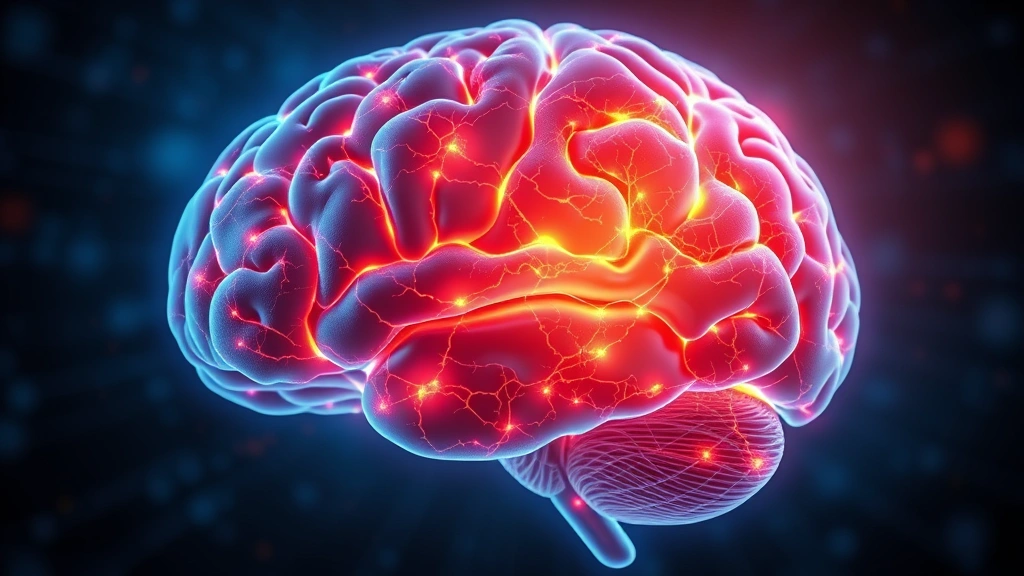
Dr. Perry’s research reveals that severe neglect causes measurable changes in brain structure and function. Brain imaging of neglected children shows reduced activity in areas responsible for language, social bonding, and emotional regulation. The neural pathways that would normally develop through positive human interaction simply don’t form.
This connects directly to understanding how animals respond to trauma too. A lethargic dog showing withdrawn behavior might be experiencing similar neurological impacts from trauma or abuse. The brain’s response to threat is remarkably consistent across species—whether you’re human or canine, extreme stress creates measurable neurological changes.
The boy’s case demonstrated that these changes aren’t permanent. With proper intervention, therapeutic care, and consistent human connection, the brain can literally rewire itself. This discovery revolutionized trauma treatment protocols.
Behavioral Patterns: From Survival Mechanisms to Recovery
Initially, the boy exhibited classic signs of severe neglect: difficulty with language, inability to understand social cues, aggressive responses to kindness, and an overwhelming need for control. He didn’t understand that adults could be safe. His body was constantly in fight-or-flight mode, a state called hyperarousal.
Recovery wasn’t instantaneous or linear. It required patient, consistent therapeutic intervention. Dr. Perry used a technique called “neurosequential model of therapeutics,” which essentially means meeting the brain where it is and rebuilding neural pathways from the ground up. The boy gradually learned that humans could be trusted, that food would be available, and that he didn’t need to defend himself constantly.
This same principle applies to mange on dogs and other health conditions—sometimes the underlying issue is trauma-related stress that manifests physically. Stressed animals often develop skin conditions and behavioral problems that require addressing the root cause, not just the symptom.
The Role of Consistent, Therapeutic Relationships
What ultimately saved this boy was a stable, patient caregiver who understood trauma. She didn’t try to force normality on him. Instead, she met him where he was, gradually introducing structure, safety, and human connection at a pace his nervous system could tolerate.

This teaches us something crucial about trauma recovery: healing happens in relationship. Whether you’re treating a traumatized child or a rescue dog with behavioral issues, the therapeutic relationship itself becomes medicine. Consistency, patience, and genuine care literally rewire the brain.
The boy learned to trust again. He developed language skills. He began to understand that he was human and deserved to be treated as such. Over time, his behaviors normalized, though the neural pathways created during his years of neglect never completely disappeared—they just became less dominant.
Lessons for Understanding Animal Trauma
Dr. Perry’s work has profound implications for animal behavior and rescue. When we encounter a dog displaying extreme behavioral issues—aggression, fear, antisocial behavior—we’re often looking at a trauma response similar to what the boy experienced. The animal’s brain has learned that the world is dangerous and unpredictable.
A dog with a dry cough and then gags might be experiencing stress-related symptoms. Trauma can manifest physically in animals just as it does in humans. Understanding the connection between emotional trauma and physical symptoms helps us treat the whole animal, not just isolated symptoms.
The most effective animal rescue and rehabilitation programs now incorporate trauma-informed care principles. This means understanding that behavioral problems often stem from past experiences, and that patience, consistency, and safe environments are essential for recovery.
The Science of Neuroplasticity and Hope
Perhaps the most important lesson from the boy’s story is that the brain never stops being capable of change. Neuroplasticity—the brain’s ability to form new neural connections—continues throughout life. Even after years of severe neglect, the boy’s brain could still learn, adapt, and heal.
This gives us hope for all trauma survivors, human and animal alike. A rescue dog with behavioral issues isn’t permanently broken. A child who experienced abuse can still develop into a healthy, functional adult. The brain’s plasticity means that with proper support, recovery is possible.
Research from institutions like the American Psychological Association continues to validate these principles, showing that trauma-informed care leads to better outcomes across all populations.
Practical Applications in Modern Trauma Treatment
The boy’s case directly influenced how we treat traumatized children today. Schools, hospitals, and child protective services now incorporate trauma-informed practices based on Dr. Perry’s research. These include understanding that behavioral problems are often trauma responses, creating safe environments, and building therapeutic relationships.
For pet owners, this means recognizing that snoring in dogs or other behavioral quirks might sometimes be stress-related rather than purely physical. A holistic approach to animal health considers the emotional and psychological state of the animal.
Veterinary behaviorists now regularly incorporate trauma-informed approaches when working with aggressive or fearful animals. They understand that punishment-based training often worsens trauma responses, while positive reinforcement and patience facilitate genuine behavioral change.
The Long-Term Outcomes and Recovery Journey
What happened to the boy after his rescue? His story didn’t end with immediate recovery. It was a long, sometimes difficult journey. But with consistent care, therapeutic intervention, and genuine human connection, he progressed. He learned to speak, to trust, to function in society. He became living proof that the human brain’s capacity for healing is remarkable.
His case demonstrates that recovery from extreme trauma is possible but requires time, expertise, and unwavering commitment. There are no quick fixes for severe neglect. But there is hope, and there is healing.
Why This Story Matters Today
In our modern world, we’re increasingly recognizing trauma in all its forms. We see traumatized refugees, abused children, rescue animals with behavioral issues, and veterans with PTSD. The boy’s story provides a scientific framework for understanding all of these situations and a roadmap for effective intervention.
Dr. Perry’s work reminds us that behavior is communication. When a child acts out or an animal displays aggression, they’re communicating about their internal state. Understanding this transforms how we respond. Instead of punishment, we offer understanding. Instead of isolation, we provide connection. Instead of quick fixes, we commit to the long journey of healing.
Frequently Asked Questions
What is the main lesson from the boy who was raised as a dog?
The primary lesson is that the human brain is remarkably adaptable and capable of recovery even after severe trauma and neglect. The boy’s story demonstrates that with proper therapeutic intervention, consistent care, and safe relationships, healing is possible. It also shows that behavior is a communication of internal trauma, not a character flaw.
How does this case apply to animal behavior and rescue?
The principles from the boy’s case directly apply to traumatized rescue animals. Animals that have experienced abuse or neglect often display behaviors that seem aggressive or antisocial, but these are actually trauma responses. Trauma-informed animal care, which emphasizes patience, consistency, and safe environments, leads to better behavioral outcomes in rescued animals.
Is the boy fully recovered today?
While Dr. Perry doesn’t disclose extensive details about the boy’s current life for privacy reasons, his case demonstrates that significant recovery is possible. He moved beyond his initial trauma responses and developed into a functioning individual. However, recovery from such severe early trauma is a lifelong process, and the neural patterns created during neglect don’t completely disappear—they become less dominant with proper support.
What is the neurosequential model of therapeutics?
This is Dr. Bruce Perry’s therapeutic approach that recognizes the brain develops in sequence, from the brainstem (survival) upward. When trauma disrupts this development, treatment must rebuild neural pathways in the proper sequence. Rather than trying to use reasoning with a traumatized brain stuck in survival mode, the model emphasizes meeting the brain where it is and gradually building capacity for higher-level functioning.
How has this case influenced child protection and education?
The boy’s story has significantly influenced modern trauma-informed practices in schools, hospitals, and child protective services. Professionals now understand that behavioral problems often stem from trauma rather than willful misbehavior. This has led to more compassionate, effective approaches that focus on building safety and therapeutic relationships rather than punishment.
Summary
The boy who was raised as a dog represents one of the most important case studies in understanding human trauma, neuroplasticity, and recovery. Dr. Bruce Perry’s documentation of this case has revolutionized how we approach treating traumatized children and, by extension, abused animals. The story teaches us that the brain is remarkably adaptable, that behavior communicates trauma, and that healing is possible with proper support. Whether we’re working with traumatized children or rescue animals, the principles remain consistent: safety, consistency, therapeutic relationships, and patience create the conditions for genuine recovery. This case reminds us that even in the darkest circumstances, hope and healing are possible.





