
When folks say the dog days are over, they’re usually talking about that brutally hot stretch of summer when your furry friend is practically melting into the hardwood floors. But here’s the thing—those scorching months don’t have to be a nightmare for you or your four-legged bestie. With the right pet care strategies, you can transform those sweltering weeks into a season where your dog stays happy, healthy, and actually wants to do more than pant heavily in the air conditioning.
Table of Contents
- 1. Master the Art of Hydration (It’s Not Just About Water Bowls)
- 2. Create a Cool Zone That’s Actually Inviting
- 3. Adjust Exercise Timing and Intensity
- 4. Groom Strategically (Shaving Isn’t Always the Answer)
- 5. Protect Those Paws and Prevent Motion Sickness
- Recognizing Heat Stress Before It Becomes Critical
- Nutritional Tweaks for Summer Months
- Creating a Summer Safety Checklist
- When to Call the Vet (Spoiler: It’s Sooner Than You Think)
- Frequently Asked Questions
- Summary: Making Summer Bearable for Your Best Friend
Let’s face it: summer heat hits dogs differently than it hits us. While you’re sipping an iced latte, your pup is out here wearing a permanent fur coat and can’t even sweat properly. That’s why we’ve rounded up five game-changing pet care fixes that’ll make sure the dog days are over before they even really begin—or at least, before they become a total disaster.
1. Master the Art of Hydration (It’s Not Just About Water Bowls)
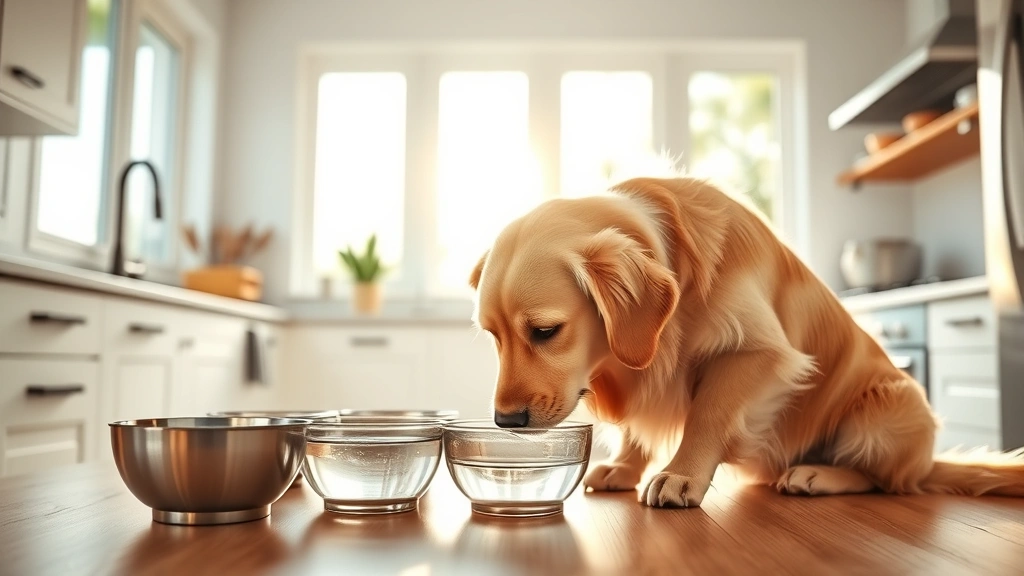
Okay, so your dog has a water bowl. Congrats! But during peak heat, that’s basically the bare minimum. Think of hydration as your dog’s best friend during summer—and yes, that’s saying something since your dog already has you.
The real secret? Keep water stations throughout your home and yard. Seriously. Multiple bowls mean your pup doesn’t have to trek across the house when they’re parched. Some dogs are lazy (and hey, that’s when lazy dog happy hour becomes relevant), and they’ll skip drinking if it requires effort.
Pro tip: Add some ice cubes to water bowls—dogs often prefer cooler water, and it keeps them hydrated longer. You can even freeze low-sodium broth into ice cube trays for a tasty hydration boost. Just avoid anything with xylitol, which is toxic to dogs. According to the American Kennel Club, proper hydration is crucial for preventing heat stroke in dogs.
2. Create a Cool Zone That’s Actually Inviting
Your air-conditioned bedroom is nice, but your dog needs their own cooling sanctuary. This isn’t about being fancy—it’s about survival and comfort.
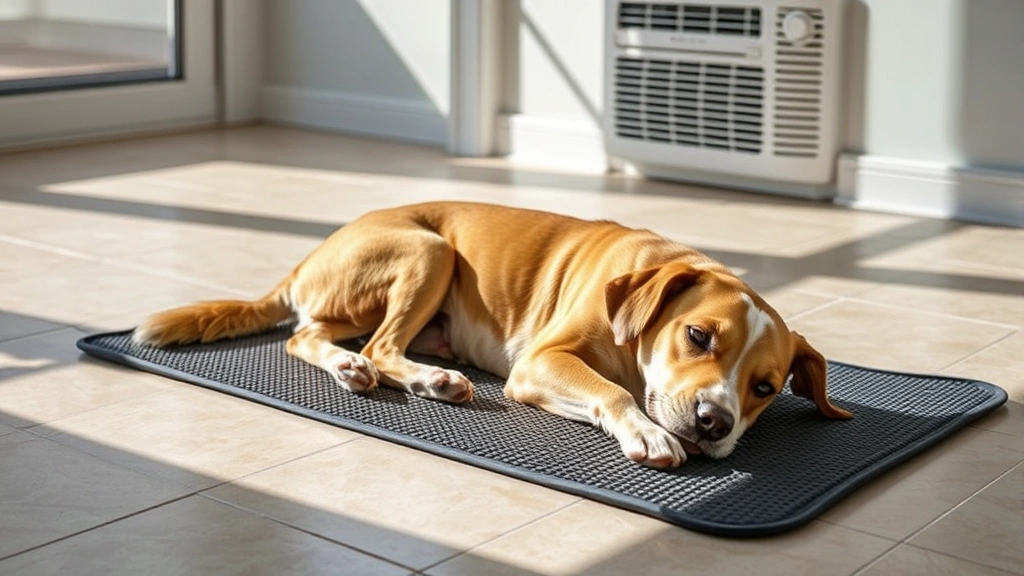
Set up a designated cool area with tile or linoleum flooring (way cooler than carpet), some shade, and good air circulation. Basement corners are golden if you’ve got them. Add a cooling mat designed specifically for pets—these gel-filled mats absorb your dog’s body heat and keep them chill without requiring electricity.
Some dogs will happily claim a spot on the kitchen tile, while others need a bit of encouragement. Try placing their favorite toys or treats in the cool zone to make it irresistible. If your pup is happy in their cool space, you’ve basically won summer.
3. Adjust Exercise Timing and Intensity
This is where a lot of pet parents mess up. Your dog still needs exercise, but timing is everything. Running your golden retriever through a full workout at 2 PM in July? That’s a recipe for heat exhaustion.
Shift exercise to early morning (before 9 AM) or evening (after 7 PM) when temperatures drop. These cooler hours are ideal for walks, fetch sessions, and playtime. During peak heat hours, opt for indoor activities: puzzle toys, training sessions in air conditioning, or even a game of hide-and-seek in the coolest room of your house.
Watch for signs of overheating: excessive panting, drooling, lethargy, or refusal to move. If you notice these, get your dog inside immediately and contact your vet. The PetMD heat stress guide provides excellent warning signs to watch for.
4. Groom Strategically (Shaving Isn’t Always the Answer)
Here’s a controversial take: don’t automatically shave your double-coated dog. Shocking, right? But hear us out.
Dogs with double coats—think German Shepherds, Golden Retrievers, and Huskies—have that thick undercoat for a reason. It actually provides insulation against heat, not just cold. Shaving them can backfire by exposing sensitive skin to sunburn and removing their natural temperature regulation system.
Instead, focus on regular brushing to remove loose undercoat and mats that trap heat. For low shedding dog breeds, a professional grooming session every 6-8 weeks keeps them comfortable without compromising their coat’s protective qualities.
Single-coated breeds (like Poodles or Boxers) can handle a summer trim, but consult your groomer or vet first. Every dog is different, and what works for one pup might not work for another.
5. Protect Those Paws and Prevent Motion Sickness
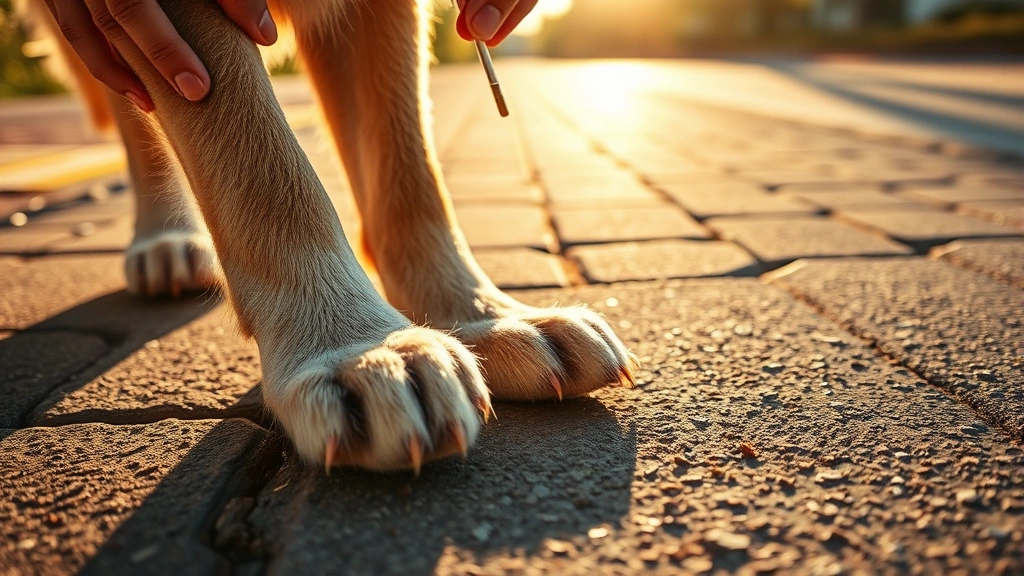
Hot pavement is basically a torture device for dog paws. Seriously. If you can’t hold your hand on the sidewalk for five seconds without burning, your dog’s feet are suffering too.
Check pavement temperature before walks. Aim for early morning or late evening when concrete has cooled. Dog booties aren’t just fashion statements—they’re protective gear. If your pup resists booties, try paw wax instead, which creates a barrier between sensitive paw pads and hot surfaces.
Here’s something many people don’t think about: summer car rides can be rough on dogs. If you’re planning trips to the vet or groomer during hot months, your dog might experience motion sickness from anxiety combined with heat stress. Consider medicine for motion sickness for dogs if your pup struggles with car rides. Always keep the car cool and never leave your dog unattended in a vehicle—even with windows cracked.
Recognizing Heat Stress Before It Becomes Critical
Heat stroke in dogs is no joke. Unlike humans, dogs can’t cool themselves efficiently through sweating. Their primary cooling method is panting, which doesn’t work well when it’s already scorching outside.
Red flags include excessive panting that doesn’t slow down, drooling more than usual, weakness, vomiting, diarrhea, or collapse. If you notice any of these, move your dog to a cool area immediately, offer water, and contact your vet. Time matters here—heat stroke can be fatal.
Prevention is infinitely better than treatment, which is why all these fixes matter. You’re not being overprotective; you’re being responsible.
Nutritional Tweaks for Summer Months
Your dog’s dietary needs can shift slightly during summer. Some pups eat less in heat (totally normal), while others need adjusted meal timing to avoid digestive issues.
Feed your dog during cooler parts of the day—early morning or evening. This prevents them from exercising immediately after eating, which reduces bloat risk. Consider adding more moisture to their diet through wet food or broth to boost hydration from multiple angles.
Some owners add a bit of plain pumpkin or wet food to kibble during summer. It’s not just about nutrition; it’s about making eating appealing when your dog isn’t interested in food. Just keep portions consistent to avoid weight gain from the extra calories.
Creating a Summer Safety Checklist
Here’s your action plan for making sure the dog days are over before they become a crisis:
- Install multiple water stations throughout your home
- Set up a cool zone with appropriate flooring and ventilation
- Shift exercise to early morning and evening hours
- Schedule professional grooming (don’t DIY summer cuts)
- Test pavement temperature before walks
- Keep a thermometer handy to monitor your home’s temperature
- Have your vet’s emergency number saved in your phone
- Stock pet-safe cooling products (mats, vests, etc.)
- Plan car trips for cooler times of day
- Monitor your dog daily for signs of heat stress
When to Call the Vet (Spoiler: It’s Sooner Than You Think)
Don’t wait for a crisis. If your dog seems off during summer—less interested in food, more lethargic than usual, or showing any behavioral changes—contact your vet. Some dogs have underlying health conditions that make heat more dangerous, and your vet needs to know about summer-specific concerns.
Puppies, senior dogs, and breeds with flat faces (like Bulldogs and Pugs) are extra vulnerable to heat. They might need additional precautions beyond what we’ve covered. Your vet can provide breed-specific guidance.
Frequently Asked Questions
Is it safe to use a fan for cooling dogs?
Fans help with air circulation and can provide some relief, but they’re not enough on their own during extreme heat. Fans work best when combined with other cooling methods like cool zones, hydration, and shade. They’re great for comfort but shouldn’t replace air conditioning during peak summer heat.
Can dogs drink anything besides water?
Plain water is best, but you can offer low-sodium broth, unsweetened coconut water, or frozen bone broth as occasional treats. Avoid anything with sugar, caffeine, or xylitol. Most dogs do fine with plain water if you make it appealing and accessible.
How often should I bathe my dog in summer?
More frequent baths are fine if your dog enjoys them, but they’re not necessary for cooling. A cool bath or rinse can feel nice, but your dog will dry off and reheat quickly. Focus on grooming and other cooling methods instead. Bathing too frequently can strip natural oils from their coat.
Are cooling vests actually effective?
Yes, cooling vests work surprisingly well for active dogs. They use water-absorbent materials or gel packs to provide portable cooling. They’re especially useful for dogs who spend time outdoors or travel. Just ensure proper fit so they don’t restrict movement.
What’s the best temperature for a dog’s environment?
Ideally, keep your home between 68-72°F during summer. This might feel cool to you, but it’s comfortable for dogs. If your dog has health issues, ask your vet for specific temperature recommendations.
Summary: Making Summer Bearable for Your Best Friend
The dog days are over when you’ve implemented these five essential pet care fixes. It’s not complicated—it’s just about being intentional. Multiple water stations, a cool zone, adjusted exercise timing, smart grooming, and paw protection cover most of what your dog needs to thrive during summer heat.
Remember, your dog depends on you to keep them safe. They can’t tell you they’re overheating until it’s serious, so prevention is your job. Watch them closely, adjust their routine based on their individual needs, and don’t hesitate to contact your vet if something seems off.
Summer doesn’t have to be a season of suffering for your furry friend. With these strategies in place, you’ll both enjoy the warm months without constantly worrying about heat-related emergencies. Your dog will be happier, healthier, and maybe even willing to do more than just nap in front of the AC unit.





