
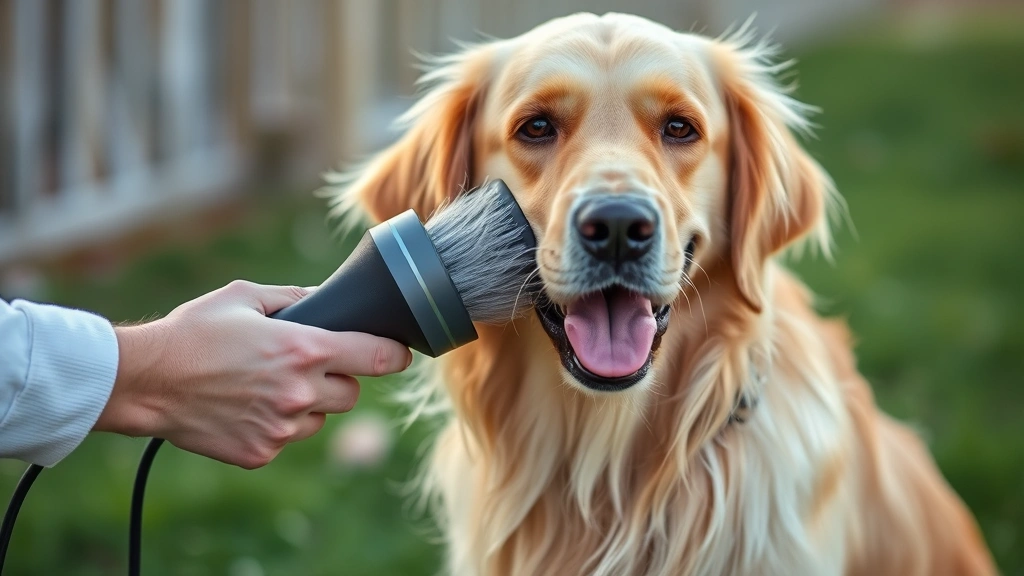
If you’re a dog owner, you know that the dog hair situation can feel like an endless battle against fur tumbleweeds rolling across your floors. Whether you’ve got a Golden Retriever that sheds enough to knit a second dog, or a German Shepherd leaving fur on every surface known to humanity, dealing with canine shedding is one of those joys of pet ownership nobody warns you about. But here’s the good news: managing the dog hair doesn’t require you to become a full-time vacuum operator or surrender your dark clothing forever.
Table of Contents
- Understanding Why Dogs Shed So Much
- Solution #1: Invest in a Quality Moulting Brush
- Solution #2: Upgrade Your Dog’s Diet
- Solution #3: Regular Bathing and Grooming
- Solution #4: Control Environmental Factors and Stress
- Solution #5: Address Underlying Health Issues
- The Reality Check: You’ll Never Eliminate It Completely
- Quick Wins for Immediate Relief
- Seasonal Shedding Strategies
- Frequently Asked Questions
- Final Thoughts: Managing the Dog Hair Reality
Understanding Why Dogs Shed So Much
Before we dive into solutions, let’s talk about why the dog hair situation exists in the first place. Dogs shed for several reasons, and understanding these can help you tackle the problem more effectively. Most dogs have a natural shedding cycle where they lose old, damaged, or excess hair. This is completely normal and healthy—it’s their way of making room for new growth.
Some breeds are notorious shedders. If you own a Lab and Husky mix, congratulations, you’ve basically adopted a fur factory. These double-coated breeds shed year-round, with two major “blow-out” periods annually where they shed even more intensely. But even single-coated breeds shed, just perhaps with slightly less dramatic results.

Stress, poor nutrition, allergies, and skin conditions can also amp up shedding. If your pup is stressed or eating low-quality food, their coat will reflect that misery all over your couch.
Solution #1: Invest in a Quality Moulting Brush
This is ground zero for controlling the dog hair situation. A good moulting brush for dogs is worth its weight in gold. We’re not talking about your standard slicker brush here—we’re talking about the heavy-duty tools designed specifically to remove loose undercoat before it ends up on your furniture.
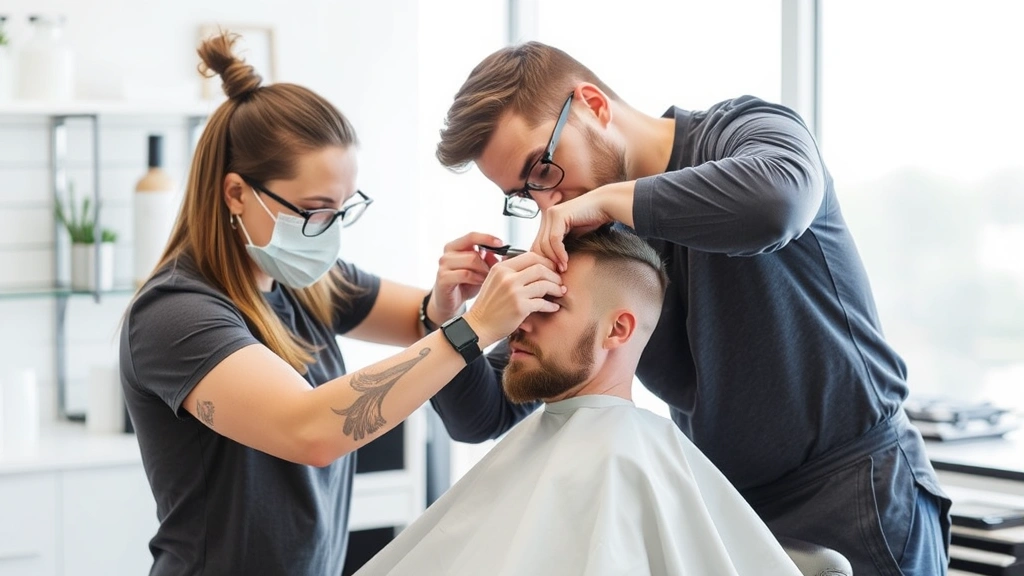
The FURminator, Undercoat Rake, and deShedding tools are popular choices among vets and groomers. These brushes penetrate the topcoat and grab all that loose hair hiding in the undercoat. When you brush your dog regularly with one of these tools, you’re essentially intercepting the dog hair before it naturally falls out around your home.
Pro tip: Brush your dog outside when possible. Seriously. The amount of hair you’ll see floating away into the wind instead of onto your kitchen floor is genuinely life-changing. Aim for 2-3 sessions per week during heavy shedding seasons, and at least once weekly during normal periods.

Solution #2: Upgrade Your Dog’s Diet
You are what you eat, and the same applies to your dog’s coat. Poor nutrition directly impacts shedding, so investing in high-quality food isn’t just good for their health—it’s an investment in keeping the dog hair off your belongings.
Look for dog foods rich in omega-3 and omega-6 fatty acids. These nutrients are essential for maintaining a healthy skin barrier and reducing excessive shedding. Quality proteins, zinc, and biotin also play crucial roles in coat health. Your dog’s skin is the largest organ they have, and when it’s healthy, shedding becomes manageable.

Consider adding supplements specifically formulated for coat health. Fish oil supplements designed for dogs can work wonders. You might also explore moist and meaty dog food options that provide better hydration and nutrient absorption compared to dry kibble alone. Always consult your vet before making dietary changes, especially if your dog has existing health conditions.
Solution #3: Regular Bathing and Grooming
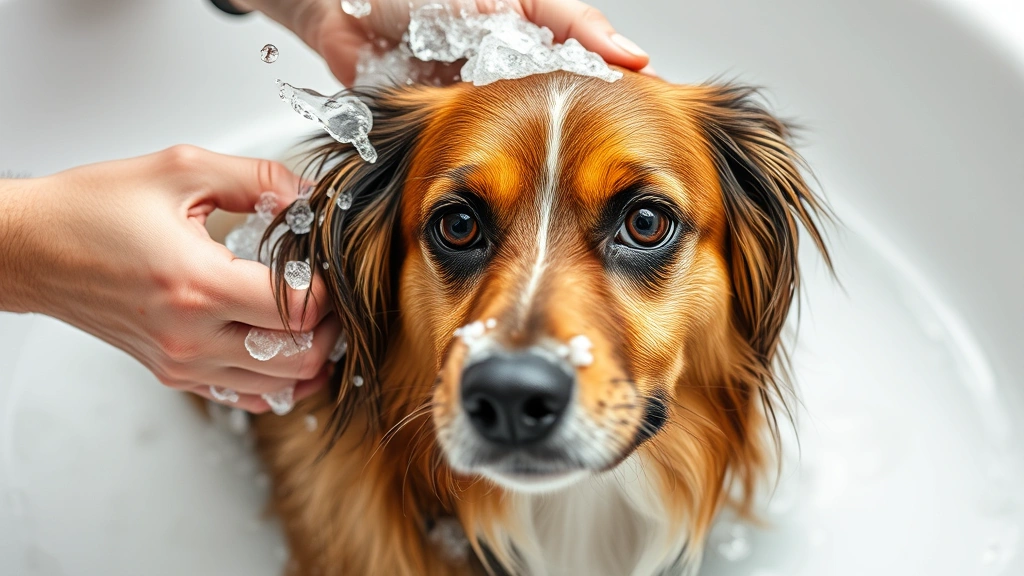
A good bath can loosen up dead hair and prepare it for removal. When you bathe your dog with warm water and a quality dog shampoo, you’re essentially pre-loosening all that the dog hair that’s ready to shed anyway. Follow up with a thorough brushing session while their coat is still damp, and you’ll remove an impressive amount of loose fur.
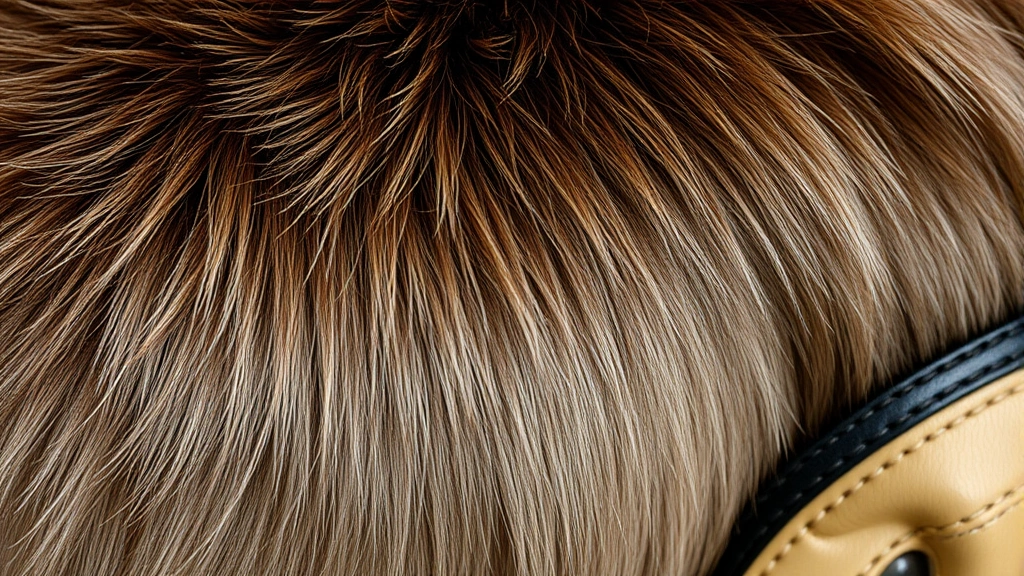
Professional grooming every 6-8 weeks is also worth considering, especially for double-coated breeds. Professional groomers have industrial-strength tools and expertise to remove massive amounts of shedding hair in one session. Yes, it costs money, but consider it an investment in maintaining your sanity and your home’s cleanliness.
Don’t over-bathe, though. Too-frequent bathing can strip natural oils from the skin and actually increase shedding. Aim for once every 4-6 weeks unless your dog has a skin condition requiring more frequent washing.

Solution #4: Control Environmental Factors and Stress
Dogs shed more when they’re stressed or living in certain environmental conditions. If your pup is anxious, they might shed excessively. Creating a calm, stable environment helps reduce stress-related shedding. Regular exercise, consistent routines, and positive reinforcement all contribute to a happier, less-shedding dog.
Temperature also plays a role. Dogs shed more during warmer months as their bodies prepare for heat. During these seasons, you might notice the dog hair situation reaching peak chaos. This is normal and temporary, but ramping up your brushing schedule during these periods helps manage it.

Some lazy dog breeds might shed less due to their lower activity levels, but don’t be fooled—they still shed. The key is understanding your specific dog’s shedding patterns and adjusting your management strategy accordingly.
Solution #5: Address Underlying Health Issues
If your dog is shedding excessively beyond normal seasonal patterns, there might be an underlying health issue. Allergies, parasites, hormonal imbalances, and skin infections can all cause abnormal shedding. If you notice your dog scratching more than usual or if the dog hair loss seems patchy rather than uniform, it’s time for a vet visit.

According to the American Kennel Club (AKC), excessive shedding can indicate nutritional deficiencies, thyroid problems, or dermatological conditions. Your veterinarian can run tests to rule out these issues and recommend appropriate treatment.
Sometimes shedding is a symptom of something like my dog has a dry cough and then gags—seemingly unrelated issues can actually stem from the same underlying problem. Always consult with a professional if shedding seems abnormal.
The Reality Check: You’ll Never Eliminate It Completely
Let’s be honest here. You’re not going to eliminate the dog hair problem entirely. Dogs shed, and that’s just part of the deal. What you’re doing with these solutions is managing it to a reasonable level where you’re not finding fur in your coffee mug or wearing a fur coat made entirely of your dog’s shed hair.
The goal is reducing the amount of loose hair that ends up on your furniture, clothes, and floors. With consistent effort using these five methods, you can dramatically decrease the dog hair chaos in your home. Most dog owners report that implementing even two or three of these solutions makes a noticeable difference within a few weeks.
Quick Wins for Immediate Relief
If you’re desperate for quick results, here are some immediate actions you can take today. First, order a quality deshedding tool online—most arrive within a few days. Second, schedule a professional grooming appointment. Third, increase your dog’s omega-3 intake through supplements (consult your vet on dosage). These three actions alone can reduce the dog hair situation by 30-40% within a month.
For managing the hair that’s already in your home, invest in a high-quality vacuum designed for pet hair. Dyson and Shark make excellent options, though they’re pricey. Lint rollers, rubber brooms, and microfiber cloths are also your friends. Some people swear by rubber gloves for removing hair from furniture—just dampen them and run your hands over the couch.
Seasonal Shedding Strategies
Spring and fall are typically the worst seasons for the dog hair explosion. During these times, double-coated breeds undergo their “coat blow,” where they shed massive amounts of undercoat. Plan ahead by increasing brushing frequency, scheduling professional grooming, and mentally preparing yourself for the fur onslaught.
Summer shedding is lighter but still present. Winter shedding varies depending on whether your dog spends time outdoors. Indoor dogs shed more consistently year-round because artificial lighting and heating confuse their natural shedding cycles. Understanding your dog’s specific pattern helps you anticipate and manage the dog hair situation more effectively.

Frequently Asked Questions
Why is my dog shedding so much all of a sudden?
Sudden excessive shedding can indicate stress, allergies, parasites, hormonal changes, or skin infections. If your dog’s shedding pattern changes dramatically, schedule a vet appointment. According to PetMD, sudden shedding changes warrant professional evaluation to rule out medical issues.
Can I shave my dog to reduce shedding?
Shaving a double-coated dog actually makes shedding worse, not better. The undercoat grows back faster and denser, resulting in more the dog hair everywhere. Shaving should only be done for medical reasons or in extreme heat situations, and only on breeds where it’s appropriate. Always consult your groomer or vet first.
Do hypoallergenic dogs shed less?
No breed is truly hypoallergenic, and many “hypoallergenic” breeds still shed. They may shed less or produce fewer allergens, but shedding happens with nearly all dogs. If you’re looking for a low-shedding option, research specific breeds, but understand you’re reducing shedding, not eliminating it.
How long does it take to see results from diet changes?
It typically takes 4-8 weeks to notice significant improvements in coat quality and shedding reduction after dietary changes. Your dog’s skin and coat are constantly renewing, so patience is required. Consistency matters more than quick fixes.
Is lint rolling my dog a good solution?
Lint rolling your dog’s coat can remove some loose hair, but it’s not a substitute for proper brushing. It’s more of a quick-fix solution. Proper deshedding tools reach the undercoat far more effectively than lint rollers.
Final Thoughts: Managing the Dog Hair Reality
The dog hair situation is manageable with the right approach and realistic expectations. Combine regular brushing with quality nutrition, occasional professional grooming, and attention to your dog’s overall health, and you’ll dramatically reduce the fur takeover in your home. It’s not about achieving a shed-free existence—it’s about creating a sustainable system that keeps the dog hair at acceptable levels while maintaining your dog’s health and happiness.
Remember, your dog’s shedding is a sign of a healthy coat cycle. Instead of fighting it completely, work with it using these proven methods. Your vacuum will thank you, your furniture will stay cleaner, and you’ll spend less time looking like you’ve been rolling around with your dog (even though you probably are, because they’re adorable).





