

Managing a thyroid condition feeding routine for your furry friend can feel like you’re trying to solve a puzzle while blindfolded—but don’t worry, we’ve got you covered. Thyroid issues in pets are surprisingly common, and getting the nutrition right is absolutely crucial for keeping your pup or kitty feeling their best. Whether your pet has been newly diagnosed with hyperthyroidism, hypothyroidism, or you’re just trying to figure out what the heck your vet meant by “iodine-restricted diet,” this guide will walk you through everything you need to know.
Table of Contents
- Understanding Your Pet’s Thyroid Problem
- Why Feeding Routine Matters More Than You Think
- Iodine Content: The Secret Ingredient in Thyroid Management
- Prescription Diet Feeding: When Regular Food Just Won’t Cut It
- Medication Timing and Food Interactions
- Building Your Perfect Daily Feeding Routine
- Portion Control and Weight Management
- Supplements and Their Role in Thyroid Health
- Monitoring and Adjusting Your Feeding Plan
- Common Feeding Mistakes to Avoid
- When to Call Your Vet About Feeding Issues
- Frequently Asked Questions
- Summary: Your Thyroid Feeding Routine Action Plan
Understanding Your Pet’s Thyroid Problem
Before we dive into the feeding nitty-gritty, let’s talk about what’s actually happening in your pet’s body. The thyroid is this tiny gland that’s basically your pet’s metabolic control center. When it goes haywire, everything from weight management to energy levels gets affected. Hyperthyroidism (overactive thyroid) is super common in cats, while hypothyroidism (underactive thyroid) tends to plague our canine companions more often. The good news? A proper thyroid diet for pets can genuinely help manage symptoms and improve quality of life.
Why Feeding Routine Matters More Than You Think
Here’s the thing about thyroid conditions: consistency is literally your best friend. Your pet’s body thrives on routine, and when you’re managing a thyroid issue, feeding on a strict schedule helps medications work better and keeps hormone levels more stable. According to the American Kennel Club, establishing a predictable feeding schedule for pets is one of the cornerstones of thyroid management. Think of it like setting your pet’s internal clock—their body learns when to expect food, and everything else falls into place.
Iodine Content: The Secret Ingredient in Thyroid Management
If your vet mentioned an iodine-restricted diet, they weren’t just making random suggestions. Iodine is essential for thyroid function, but too much can actually make hyperthyroidism worse in cats. The tricky part? Iodine is hiding in places you wouldn’t expect. Fish, seaweed, and even some commercial pet foods can be iodine bombs. When setting up your thyroid feeding plan, you’ll want to work closely with your vet to find foods with carefully controlled iodine levels. Most prescription diets are specifically formulated to hit that sweet spot.
Prescription Diet Feeding: When Regular Food Just Won’t Cut It
Your vet probably mentioned something about prescription food, and yes, it’s actually worth the investment. Prescription diet feeding isn’t just a money grab—these diets are scientifically formulated to support thyroid health. They control iodine levels, optimize protein content, and eliminate ingredients that might interfere with medication absorption. Brands like Hill’s, Royal Canin, and Purina Pro Plan all have thyroid-specific formulas. The key is sticking with whatever your vet recommends because switching willy-nilly will undo all your hard work.
Medication Timing and Food Interactions
Here’s where things get super important: thyroid medications are finicky about food. Most thyroid meds (like methimazole for cats or levothyroxine for dogs) need to be given on an empty stomach or with specific timing relative to meals. Medication with food schedule coordination is absolutely critical. Generally, you’ll want to give meds at least 30 minutes to an hour before feeding, but always follow your vet’s specific instructions. Some supplements and calcium-rich foods can actually interfere with medication absorption, so timing becomes your secret weapon for success.
Building Your Perfect Daily Feeding Routine
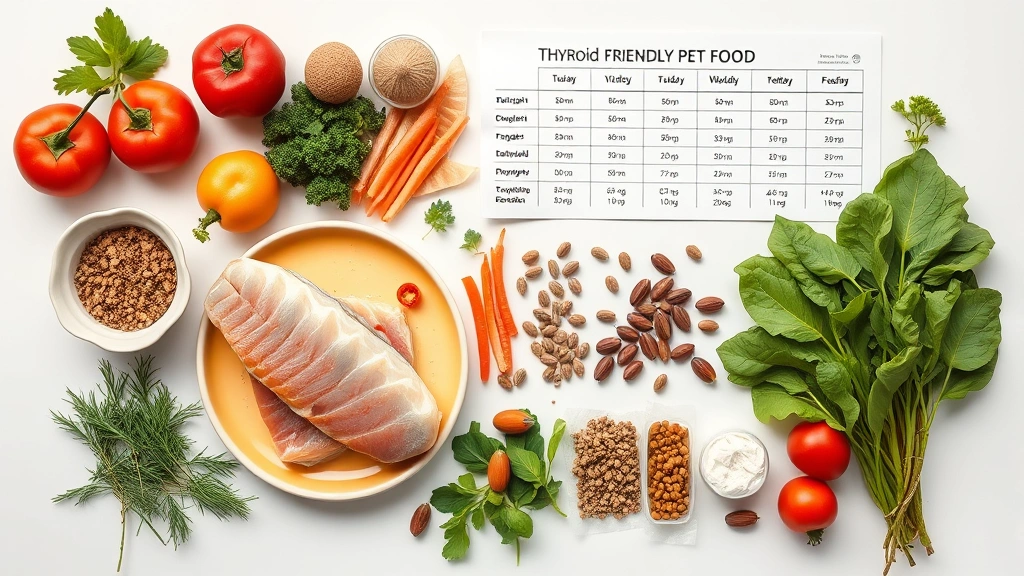
Let’s get practical. A solid thyroid condition feeding routine typically looks something like this: morning medication (empty stomach), wait 30-60 minutes, then breakfast. Lunch might be mid-day, and dinner happens several hours later. The consistency matters way more than the exact times—your pet’s body will adjust to whatever schedule you pick, as long as you stick with it. Pet food transition schedule principles also apply here; if you’re switching to a new prescription diet, do it gradually over 7-10 days to avoid digestive upset.

Portion Control and Weight Management
Thyroid issues often come with weight problems. Hyperthyroid cats might be losing weight despite eating like they’re at an all-you-can-eat buffet, while hypothyroid dogs tend to pack on pounds just by looking at food. Getting portions right is absolutely essential. Your vet should calculate exact caloric needs based on your pet’s age, weight, activity level, and thyroid status. Don’t just eyeball it or follow the bag’s recommendations—those are usually way too generous. Measure food with a cup or scale, and resist those puppy-dog eyes. Your pet’s long-term health depends on it.
Supplements and Their Role in Thyroid Health
The supplement world can be confusing, especially when managing thyroid conditions. Some supplements actually help (like omega-3 fatty acids for inflammation), while others can interfere with medication. Pet supplement interactions are real and important. Before adding anything—and I mean anything—to your pet’s routine, check with your vet. Even things that seem harmless like pet multivitamins can contain iodine or other ingredients that mess with thyroid management. Your vet might recommend specific supplements, and if they do, that’s what you should use.
Monitoring and Adjusting Your Feeding Plan
Getting the thyroid feeding routine right isn’t a “set it and forget it” situation. Your pet’s needs change over time, especially as they age or their condition progresses. Regular vet checkups (usually every 6-8 weeks initially, then every 6-12 months once stable) help ensure your feeding plan is working. Blood work will show if thyroid hormone levels are controlled, and your vet can adjust medication doses or dietary recommendations accordingly. Weight checks, energy levels, and appetite changes are all clues that something might need tweaking.
Common Feeding Mistakes to Avoid
People mean well, but they often sabotage their pet’s thyroid management without realizing it. Here are the big no-nos: switching foods without vet approval (different brands have different iodine levels), giving human food (you have no idea what’s in there), skipping doses of medication, inconsistent feeding times, and not measuring portions accurately. Also, don’t believe everything you read on pet forums—thyroid management is individual, and what worked for someone else’s cat might be terrible for yours. Always run things by your vet first.
When to Call Your Vet About Feeding Issues
Certain signs mean you need professional help ASAP. If your pet suddenly loses appetite, vomits after eating, has diarrhea, or shows signs of medication side effects, get them checked. Unexpected weight changes, lethargy despite proper feeding, or behavioral changes also warrant a vet visit. Your vet needs to know if you’re struggling with the feeding routine or if your pet refuses the prescription diet. They can suggest alternatives or adjust the plan to fit your reality.
Frequently Asked Questions
How long does it take to see improvements with a proper thyroid feeding routine?
Most pets show improvement within 2-4 weeks of starting the correct medication and feeding routine, though some take up to 8 weeks. Bloodwork will confirm if thyroid levels are stabilizing. Patience is key—don’t judge success by how your pet looks or acts alone; blood work is the real measure.
Can I use regular pet food instead of prescription diet for thyroid conditions?
Technically possible, but not recommended. Regular foods don’t control iodine levels the way prescription diets do, and you won’t get the same therapeutic benefits. Your vet chose prescription food for a reason—it’s specifically formulated for thyroid health.
What if my pet refuses the prescription diet?
This happens more than you’d think. Talk to your vet about alternatives—some come in different flavors or textures. You might also try warming the food or mixing in a small amount of low-iodine broth. Never suddenly switch back to regular food; work with your vet on a transition plan.
Should I give thyroid medication with food or on an empty stomach?
Most thyroid medications require an empty stomach for best absorption, but always follow your vet’s specific instructions. Some newer formulations might be different, so don’t assume based on what you’ve heard.
How often should I have my pet’s thyroid levels checked?
Initially, every 6-8 weeks until levels stabilize, then every 6-12 months depending on your vet’s recommendation. Senior pets or those with other health issues might need more frequent monitoring.
Can diet alone manage thyroid conditions without medication?
For most pets, no. Diet is a crucial supporting player, but medication is usually necessary. Hyperthyroid cats might benefit from iodine-restricted diets, but they typically still need methimazole or other treatments. Always work with your vet on the full treatment plan.
Summary: Your Thyroid Feeding Routine Action Plan
Managing your pet’s thyroid condition feeding routine doesn’t have to be stressful. Start by understanding your pet’s specific thyroid issue, work closely with your vet to establish a consistent feeding schedule, and commit to using the prescribed diet and medication timing. Monitor your pet’s response through regular vet checkups and bloodwork, and don’t hesitate to adjust as needed. Remember, consistency beats perfection every time—your pet will thrive when you stick to the plan. The effort you put in now will pay dividends in your pet’s health, energy, and overall quality of life for years to come.





