
Let’s be real—finding a tick on your dog is like discovering a tiny vampire has moved into your pet’s fur, and ticks and dogs removal shouldn’t feel like you need a PhD in entomology to handle it. Whether you’re dealing with a single bloodsucker or a full-blown infestation, I’ve got you covered with methods that actually work and won’t turn your pup into a chemical experiment gone wrong.
Table of Contents
- Why Ticks Are Every Dog Owner’s Nightmare
- Method 1: The Classic Tweezers Technique (When Done Right)
- Method 2: Tick Removal Tools and Devices
- Method 3: Prescription Topical Treatments
- Method 4: Oral Medications for Long-Term Protection
- Method 5: Natural and Home Remedies (With Caution)
- Prevention: The Best Medicine for Tick Control
- What NOT to Do When Removing Ticks
- When to Call Your Vet
- Creating a Tick-Free Home Environment
- Frequently Asked Questions
- The Bottom Line on Ticks and Dogs Removal
Why Ticks Are Every Dog Owner’s Nightmare
Ticks aren’t just annoying parasites that make your dog itchy (though they definitely do that). These little monsters can transmit Lyme disease, Rocky Mountain spotted fever, and a bunch of other diseases that’ll make you wish you’d taken prevention seriously. The worst part? They multiply faster than rabbits and hide better than your cat when it’s time for the vet.
Your dog’s warm, furry body is basically a five-star resort for ticks. They burrow into the skin, feed on blood for days, and can swell to the size of a marble. Gross, right? That’s why understanding proper tick removal methods for dogs is essential for any responsible pet owner.
Method 1: The Classic Tweezers Technique (When Done Right)
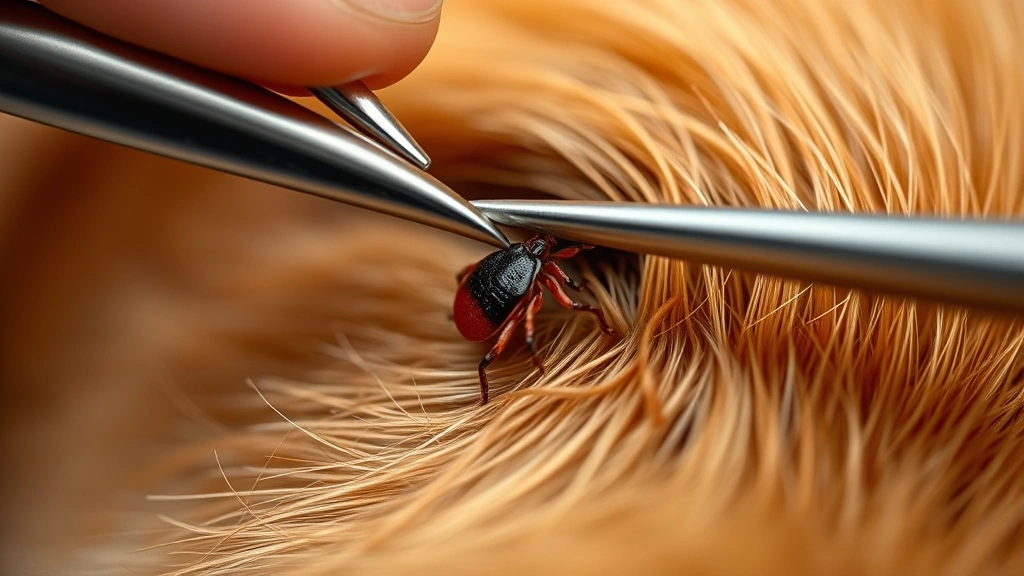
This is the OG tick removal method, and honestly, it still works like a charm if you do it correctly. Here’s the deal: grab a pair of fine-tipped tweezers and get as close to the skin as possible—we’re talking right at the tick’s mouth where it’s attached.
Gently pull straight out with steady pressure. Don’t twist, don’t jerk, and for the love of all that’s holy, don’t squeeze the tick’s body. Squeezing can cause the tick to regurgitate its stomach contents into your dog, which is basically like giving your pup a disease delivery system. Once you’ve removed it, drop that tick into a container with rubbing alcohol or flush it down the toilet.
Pro tip: Save the tick in a sealed bag if your dog shows signs of illness later. Your vet might want to identify the species or have it tested.
Method 2: Tick Removal Tools and Devices
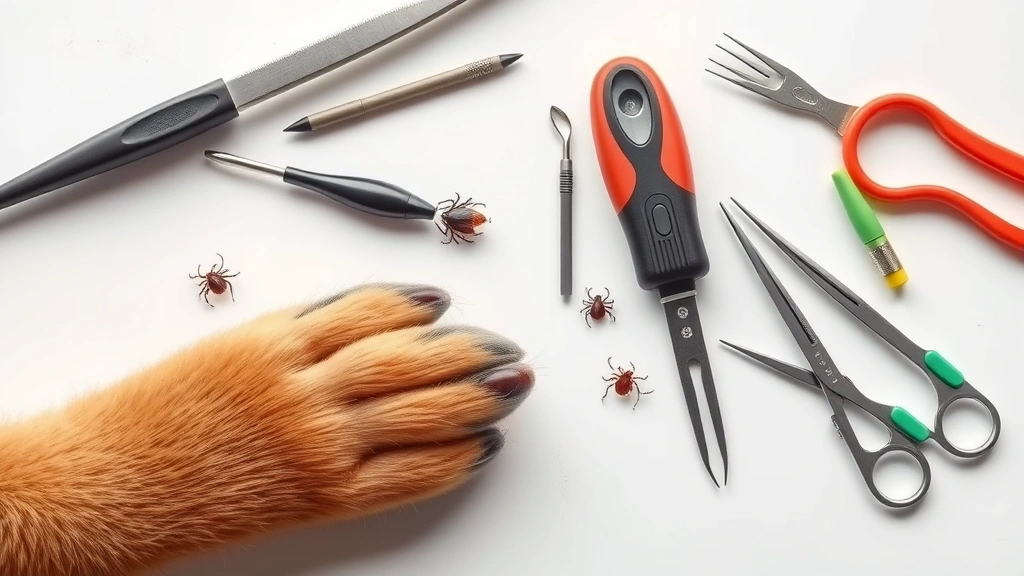
If tweezers make you nervous (totally valid), tick removal tools are your new best friend. These little gadgets look like tiny plastic hooks or forks, and they’re designed specifically to remove ticks without crushing them. Brands like Tick Tweezers and O’Tom Tick Twisters have cult followings for a reason.
The beauty of these tools is that they grip the tick’s body without squeezing it, and they work on ticks of any size. Most cost between $5-15, which is basically pocket change compared to a vet visit for tick-borne illness. Keep one in your medicine cabinet and another in your car—trust me, you’ll use them.
Method 3: Prescription Topical Treatments
When it comes to serious dog tick removal and prevention, prescription medications are where the magic happens. Products like Simparica, NexGard, and Bravecto are prescription-only for a reason—they actually work.
These treatments kill ticks on contact, often within hours. Some formulations even prevent ticks from attaching in the first place. Your vet will recommend the best option based on your dog’s age, weight, and health status. Yes, they’re pricier than over-the-counter options, but they’re also way more effective and safer when prescribed by a professional.
Many of these medications also protect against fleas, mites, and other parasites, so you’re getting bang for your buck. Plus, they typically last a month or even three months depending on the product.
Method 4: Oral Medications for Long-Term Protection
If your dog is constantly exposed to ticks (hello, outdoor enthusiasts!), oral tick prevention might be your answer. Medications like Credelio and Bravecto Chews work systemically—meaning they circulate through your dog’s bloodstream.
When a tick bites your dog, it ingests the medication and gets knocked out. It’s like setting a trap that activates only when the enemy shows up. These medications typically work for 8-12 weeks, depending on the brand, which means fewer monthly applications and more peace of mind.
The downside? Some dogs are picky eaters and won’t take pill-based treatments. But if your pup is a pill-popper, this method is incredibly convenient.
Method 5: Natural and Home Remedies (With Caution)
Before you go full granola on me, hear me out: some natural remedies actually have merit, but others are pure wishful thinking. Diatomaceous earth (food-grade only!) can help with tick control, though it works better as a preventative for your home environment than for active removal.
Cedar oil and neem oil have some tick-repelling properties, but they’re not as reliable as prescription treatments. If you go the natural route, use them as supplements to proven methods, not replacements. And always check with your vet before applying anything to your dog’s skin—some natural oils can cause irritation or toxicity in certain dogs.
Avoid old wives’ tales like applying nail polish or petroleum jelly to ticks. These methods don’t work and just stress out your dog while the tick continues feeding.
Prevention: The Best Medicine for Tick Control
Here’s the truth bomb: preventing ticks is infinitely easier than removing them. Year-round prevention is the gold standard, especially if you live in a tick-prone area (basically everywhere these days, thanks climate change).
Talk to your vet about the best prevention strategy for your dog. Most vets recommend starting prevention in spring and continuing through fall, though some regions warrant year-round protection. Check your dog regularly during tick season—daily checks during peak months can catch ticks before they become established.
Keep your yard maintained by removing leaf litter, trimming grass short, and creating a barrier between your lawn and wooded areas. Ticks love humid, shaded spots, so making your yard less hospitable helps tremendously.
What NOT to Do When Removing Ticks
Let me be crystal clear about what will absolutely make things worse: Don’t use heat (matches, lighters), Don’t apply petroleum jelly or nail polish, Don’t use essential oils directly on the tick, Don’t crush or squeeze the tick’s body, and Don’t leave the tick’s head embedded in your dog’s skin.
These methods either don’t work or make the situation worse by stressing the tick into releasing pathogens. Stick with proven methods and you’ll be golden.
When to Call Your Vet
If you find an embedded tick and can’t remove it cleanly, call your vet. If your dog shows signs of illness after tick removal (lethargy, fever, loss of appetite), schedule an appointment. If you’re dealing with a heavy infestation that keeps coming back despite prevention, your vet might recommend additional treatments or investigate why your prevention isn’t working.
Also, if you’re unsure about your dog’s age or health status for prescription treatments, consult with your veterinarian before starting any new medication. Your vet knows your dog’s medical history and can recommend the safest options.
Creating a Tick-Free Home Environment
Your home is a potential tick breeding ground, so don’t ignore it. Wash your dog’s bedding regularly in hot water, vacuum frequently (especially areas where your dog spends time), and consider treating your yard with appropriate pesticides if you have a severe infestation.

Keep wildlife away from your property—deer and raccoons are tick delivery systems on legs. Remove food sources and seal entry points to your home and garage. The fewer wildlife visitors you have, the fewer ticks you’ll encounter.
Frequently Asked Questions
Can I use human tick removal methods on my dog?
Not really. Dogs have different skin sensitivity than humans, and some methods safe for humans can irritate or harm your dog. Always use methods specifically designed for dogs or approved by your vet.
How long does it take for a tick to transmit disease?
It depends on the disease, but generally, ticks need to be attached for 24-48 hours to transmit most pathogens. This is why daily checks during tick season are so important—catch them early and you reduce disease transmission risk significantly.
Is it safe to use Neosporin after tick removal?
Yes, applying a small amount of Neosporin to the bite site after removal can help prevent infection. Just make sure your dog doesn’t lick it off excessively, as ingesting large amounts can cause digestive upset.
What’s the difference between tick prevention and tick treatment?
Prevention stops ticks from attaching or kills them before they can transmit disease. Treatment removes existing ticks. Ideally, you use both—prevention year-round and treatment when you find a tick despite prevention efforts.
Can my dog get ticks from other dogs or cats?
Yes, absolutely. If your dog plays with an infested dog or even walks through areas where infested animals have been, they can pick up ticks. This is why prevention is so important, even for indoor dogs with outdoor access.
Are there any natural tick prevention methods that actually work?
Some natural methods like certain herbs have mild repellent properties, but they’re not as effective as prescription treatments. Use them as supplements, not replacements, for proven prevention methods.
The Bottom Line on Ticks and Dogs Removal
Dealing with ticks and dogs removal doesn’t have to be a nightmare if you have the right tools and knowledge. Whether you go with tweezers, prescription medications, or a combination approach, the key is consistency and vigilance.
Start prevention early, check your dog regularly during tick season, and don’t hesitate to involve your vet in your tick management strategy. Your dog’s health depends on it, and honestly, your peace of mind does too. No one wants to discover a tick the size of a marble on their furry best friend—prevention and quick removal are your best defenses against these parasitic little jerks.
Remember: the best tick is a dead tick before it ever attaches to your dog. Make prevention your priority, and you’ll spend way less time playing tick detective.





