
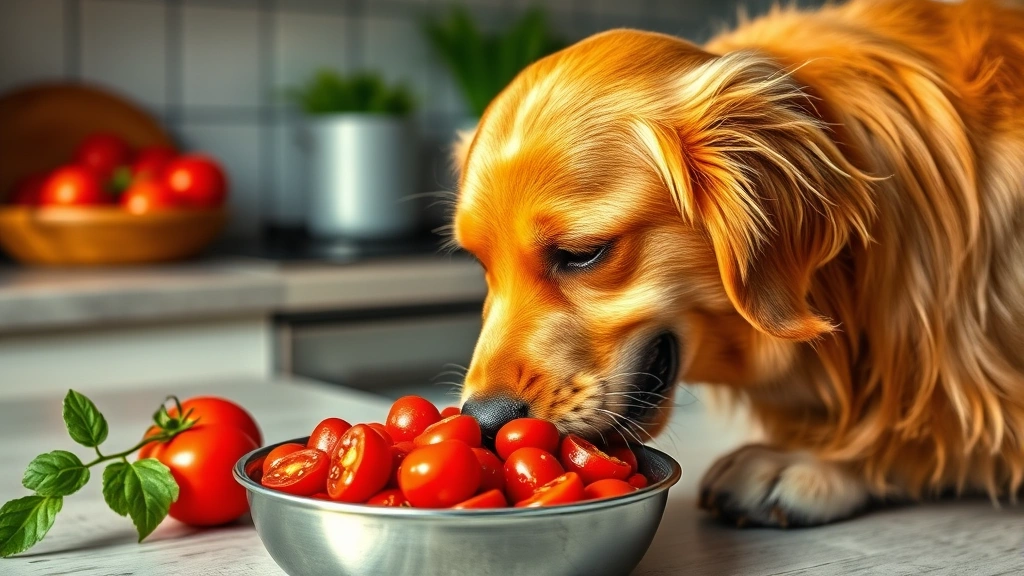
When it comes to tomato dog food, pet parents often find themselves confused about whether this popular ingredient is safe for their furry friends. The truth? It’s complicated, and we’re here to break it down for you in a way that actually makes sense.
Table of Contents
- What Exactly Is Tomato Dog Food?
- Are Tomatoes Safe for Dogs? The Real Story
- Benefits of Tomato-Based Dog Foods
- Risks and Red Flags to Watch For
- Best Tomato Dog Food Brands on the Market
- Tomato Dog Food vs. Other Vegetable-Based Options
- How to Introduce Tomato Dog Food Safely
- Special Considerations for Dogs with Health Conditions
- Reading Labels: What to Look For in Quality Tomato Dog Food
- Homemade Tomato Dog Food: Recipes and Safety
- Common Myths About Tomato Dog Food
- Transitioning Your Dog to Tomato-Based Diets
- Frequently Asked Questions
- Conclusion: Is Tomato Dog Food Right for Your Pup?
Tomatoes have become increasingly common in commercial dog food formulations, but not all tomato-based products are created equal. Some are perfectly safe, while others could cause serious health issues for your pooch. Let’s dig into what you need to know before you fill your dog’s bowl.
What Exactly Is Tomato Dog Food?
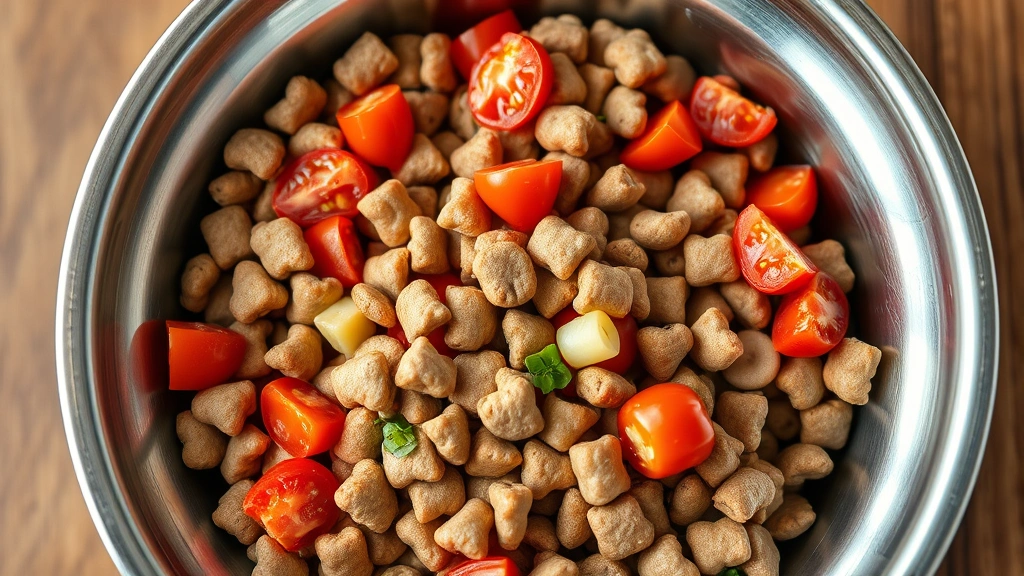
Tomato dog food refers to any commercial or homemade canine diet that includes tomatoes as a primary or secondary ingredient. You’ll find tomatoes in premium kibble brands, wet food formulations, and even some raw dog food diets. The ingredient appears on labels in various forms: whole tomatoes, tomato powder, tomato pomace, or tomato extract.
The reason manufacturers use tomatoes is simple—they’re packed with nutrients like lycopene, vitamin C, and potassium. But here’s where it gets tricky: the part of the tomato matters enormously. Ripe red tomatoes are generally safe, while unripe green tomatoes contain solanine, a toxic alkaloid that can harm your dog.
Are Tomatoes Safe for Dogs? The Real Story
Let’s cut through the confusion. Ripe, red tomatoes in small amounts are safe for most dogs. However, unripe green tomatoes, tomato stems, and tomato leaves contain solanine and tomatine—compounds that can cause gastrointestinal upset, lethargy, and in severe cases, heart arrhythmias.
The ASPCA lists tomatoes as potentially toxic when unripe or in large quantities. Your dog’s size, age, and overall health all factor into how they’ll react to tomato-based foods. A 70-pound Labrador might tolerate tomato dog food better than a 5-pound Chihuahua.
If you’re considering adding tomato dog food to your pet’s diet, consult your veterinarian first. They know your dog’s medical history and can advise whether it’s appropriate.
Benefits of Tomato-Based Dog Foods
When prepared correctly, tomato dog food offers legitimate nutritional benefits. Tomatoes contain:
- Lycopene: A powerful antioxidant that supports heart health and may reduce inflammation
- Vitamin C: Boosts immune function and collagen production
- Potassium: Essential for muscle and nerve function
- Fiber: Supports digestive health (especially tomato pomace)
These nutrients make tomato dog food an attractive option for health-conscious pet owners. Quality brands incorporate tomatoes specifically for their antioxidant properties, not just as cheap filler.
Risks and Red Flags to Watch For
Not all tomato dog food is safe. Here are the main concerns:
Solanine Toxicity: Green or unripe tomatoes contain high levels of solanine. Even ripe tomatoes contain trace amounts, but usually not enough to cause problems in healthy adult dogs.
Stomach Upset: Some dogs have sensitive digestive systems and react poorly to tomato-based products. Symptoms include vomiting, diarrhea, and abdominal pain.
Allergic Reactions: Like any ingredient, some dogs develop allergies to tomatoes. Watch for itching, skin irritation, or ear infections after introducing tomato dog food.
Acid Content: Tomatoes are acidic and may aggravate dogs with existing digestive issues or reflux problems.
Best Tomato Dog Food Brands on the Market
If you’ve decided tomato dog food is right for your pup, look for reputable brands that use whole, ripe tomatoes responsibly. Quality manufacturers clearly list tomato ingredients and source them from reliable suppliers. They avoid green tomatoes and use tomato pomace (the pulp) as a fiber source rather than a primary ingredient.
Check for AAFCO certification and third-party testing. Brands that invest in quality control are more likely to have safe, consistent products. Read customer reviews carefully—other dog owners often report digestive issues if a brand’s tomato content is problematic.
When comparing options, look at the ingredient list order. If tomato appears in the first five ingredients, your dog is getting a significant amount. Mid-to-back-of-list placement suggests a more moderate inclusion rate.
Tomato Dog Food vs. Other Vegetable-Based Options
How does tomato dog food stack up against other veggie-forward diets? Let’s compare it to similar options:
Versus Spinach-Based Foods: Spinach is generally safer for dogs and contains oxalates rather than solanine. Spinach dog food is often a better choice for sensitive pups.
Versus Watermelon Options: Watermelon is safe for dogs and contains no toxic compounds. It’s actually an excellent hydrating treat, making watermelon-based foods ideal for summer.
Versus Kiwi Inclusions: Kiwi is safe in moderation but less commonly used in commercial dog food. Tomato dog food is more prevalent and therefore easier to find.
How to Introduce Tomato Dog Food Safely
If your vet gives the green light, introduce tomato dog food gradually. Start with a small amount mixed into your dog’s regular food—about 10-15% of their daily meal. Watch for any adverse reactions over the next week.
Signs that your dog isn’t tolerating tomato dog food include:
- Vomiting or regurgitation
- Diarrhea or loose stools
- Lethargy or unusual behavior
- Loss of appetite
- Excessive drooling
If you notice any of these symptoms, stop the tomato dog food immediately and contact your veterinarian. Some dogs simply aren’t suited for tomato-based diets, and that’s perfectly fine.
Special Considerations for Dogs with Health Conditions
Certain dogs should avoid tomato dog food altogether. If your dog has pancreatitis or other digestive disorders, the acidity in tomatoes might trigger flare-ups. Dogs with heart conditions should avoid excessive potassium, which tomatoes contain in significant amounts.
Senior dogs and puppies may also be more sensitive to tomato-based products. Their digestive systems are either slowing down or still developing, making them more vulnerable to adverse reactions.
Always discuss your dog’s specific health situation with your vet before making dietary changes. What works for one dog might be problematic for another.
Reading Labels: What to Look For in Quality Tomato Dog Food
Not all tomato dog food is created equal. Here’s how to spot quality products:
Ingredient Transparency: The label should clearly state “tomato” or “tomato pomace,” not vague terms like “vegetable by-products.” Avoid products listing multiple unidentified vegetable sources.
Named Protein Sources: Look for specific meat proteins (chicken, beef, fish) listed before vegetables. Tomato dog food should complement protein, not replace it.
No Artificial Additives: Quality brands skip artificial colors, flavors, and preservatives. They use natural preservatives like mixed tocopherols instead.
AAFCO Statement: The food should include an AAFCO statement confirming it meets nutritional standards for your dog’s life stage.
Compare similar products and check reviews on trusted pet nutrition websites. Brands like Jinx and other premium manufacturers often publish their sourcing practices and quality standards transparently.
Homemade Tomato Dog Food: Recipes and Safety
Some pet parents prefer making tomato dog food at home. If you go this route, work with a veterinary nutritionist to ensure balanced meals. Homemade diets can easily become nutritionally incomplete without professional guidance.
If you’re making homemade tomato dog food:
- Use only ripe, red tomatoes—never green ones
- Remove all stems and leaves before cooking
- Cook tomatoes thoroughly to reduce acidity and improve digestibility
- Include high-quality protein as the main component
- Add appropriate supplements (calcium, taurine, vitamins) to prevent deficiencies
Homemade tomato dog food shouldn’t exceed 10% of your dog’s daily caloric intake. The bulk of their nutrition should come from complete, balanced protein sources and other essential nutrients.
Common Myths About Tomato Dog Food
Let’s bust some persistent myths:
Myth: “All tomatoes are toxic to dogs.”
Truth: Only unripe green tomatoes and plant parts are toxic. Ripe red tomatoes are generally safe in moderation.
Myth: “Tomato dog food will definitely cause digestive problems.”
Truth: Most healthy dogs tolerate tomato-based foods fine. Individual sensitivity varies.
Myth: “Tomato pomace is just filler.”
Truth: Tomato pomace is a legitimate fiber source with nutritional value when used appropriately.
Myth: “Commercial tomato dog food is always safer than homemade.”
Truth: Quality matters more than origin. Both commercial and homemade versions can be safe or problematic depending on preparation and sourcing.
Transitioning Your Dog to Tomato-Based Diets
Whether switching to commercial tomato dog food or adding it to your current rotation, transition gradually over 7-10 days. A sudden diet change causes digestive upset in most dogs.
Follow this transition schedule:
- Days 1-3: 25% new food, 75% old food
- Days 4-6: 50% new food, 50% old food
- Days 7-9: 75% new food, 25% old food
- Day 10: 100% new food (if no issues)
This gradual approach allows your dog’s digestive system to adapt and helps you identify any sensitivities. If problems arise at any stage, slow the transition further or reconsider the diet entirely.
For dogs with sensitive stomachs, extend this timeline to 14 days. There’s no prize for rushing the process.
Frequently Asked Questions
Can puppies eat tomato dog food?
Puppies have developing digestive systems and are more vulnerable to adverse reactions. While small amounts of ripe tomato are unlikely to cause serious harm, puppies are better served by diets specifically formulated for their life stage. Consult your veterinarian before introducing tomato-based foods to puppies under six months old.
Is tomato pomace the same as whole tomatoes in dog food?
Not exactly. Tomato pomace is the pulp and skin remaining after juice extraction. It’s higher in fiber and lower in acid than whole tomatoes, making it generally safer for dogs. However, both forms are acceptable when sourced from ripe tomatoes and used in appropriate quantities.
How much tomato dog food is safe to feed daily?
Tomato-based foods should comprise no more than 10% of your dog’s daily caloric intake. The remaining 90% should come from balanced, complete nutrition sources. If you’re feeding commercial tomato dog food as the primary diet, follow the manufacturer’s guidelines based on your dog’s weight and age.
What should I do if my dog eats unripe tomatoes or tomato plants?
Contact your veterinarian or poison control immediately. Unripe tomatoes and plant material contain solanine, which can cause serious toxicity. Symptoms appear within hours and include vomiting, diarrhea, tremors, and lethargy. Prompt veterinary care is essential.
Are there dog breeds that shouldn’t eat tomato dog food?
No breed is universally intolerant of tomatoes, but individual dogs vary. Small breeds, senior dogs, and those with digestive or heart conditions should be approached more cautiously. Breeds prone to pancreatitis (like Schnauzers) should avoid tomato-based foods due to their fat content in some formulations.
Can tomato dog food help with specific health conditions?
While tomatoes contain beneficial antioxidants, they’re not a treatment for disease. Dogs with specific health conditions need veterinarian-prescribed diets, not ingredient-based choices. Never use tomato dog food as a substitute for medical treatment.
Conclusion: Is Tomato Dog Food Right for Your Pup?
Tomato dog food can be a safe, nutritious option for many healthy adult dogs when properly sourced and appropriately portioned. The key is understanding the difference between ripe red tomatoes (generally safe) and unripe green tomatoes plus plant material (potentially toxic).
Before making the switch, consult your veterinarian about your dog’s individual needs. Consider your dog’s age, size, health status, and digestive sensitivity. Start slowly with any new food, watch for adverse reactions, and be prepared to stop if problems develop.
Quality matters enormously. Choose brands with transparent ingredient lists, AAFCO certification, and third-party testing. If making homemade tomato dog food, work with a veterinary nutritionist to ensure balanced nutrition.
Remember: tomato dog food is a supplement to a complete, balanced diet—not a replacement for proper nutrition. When used thoughtfully and responsibly, tomato-based products can contribute positively to your dog’s health. But when in doubt, stick with what your vet recommends. Your dog’s wellbeing is always the priority.





