
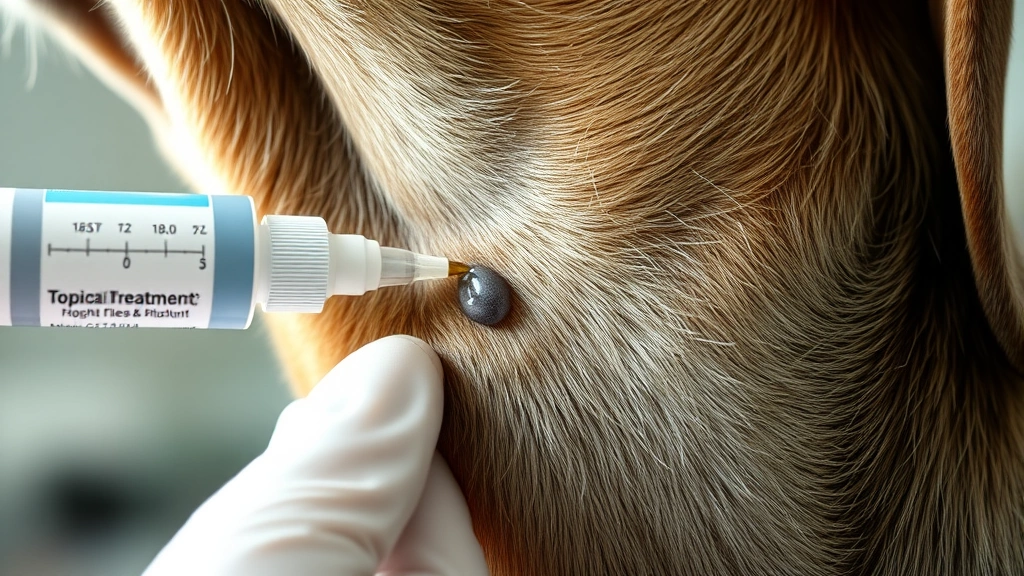
If your dog is scratching like they’re auditioning for a heavy metal band, topical flea treatment for dogs might be your ticket to peace and quiet—for both of you. Fleas are basically tiny vampires that turn your pup into an itchy, miserable mess, but the good news? There are some seriously effective solutions that’ll send those bloodsuckers packing faster than you can say “fetch.”
Table of Contents
- Why Topical Flea Treatments Beat the Rest
- Understanding How Topical Flea Prevention Works
- The 5 Best Topical Flea Treatments for Dogs
- Application Tips That Actually Work
- Safety Considerations for Your Pup
- When to Start Flea Prevention
- Cost Comparison and Value
- Common Mistakes to Avoid
- Natural Alternatives and Complementary Approaches
- When to Call Your Vet
- Frequently Asked Questions
- Conclusion: Keep Those Fleas at Bay
Why Topical Flea Treatments Beat the Rest
Let’s be real: oral medications are great, but topical solutions have some serious advantages. They work fast, they’re easy to apply, and many dogs tolerate them better than pills. Plus, you get that satisfying feeling of actually doing something tangible for your furry friend. Topical treatments absorb through the skin and spread across your dog’s entire body, creating a protective barrier that makes fleas regret ever hitching a ride on Fido.
The best part? Most topical treatments kill fleas within hours, not days. Your dog goes from scratching themselves into oblivion to lounging like a spa-day regular.
Understanding How Topical Flea Prevention Works
Topical flea treatments work through a few different mechanisms. Some contain insecticides that attack the flea’s nervous system (sorry, fleas, but you started it). Others use insect growth regulators that prevent flea eggs and larvae from developing—basically birth control for parasites. The most effective products combine both approaches for maximum flea-fighting power.
When you apply these treatments, the medication distributes across your dog’s skin and coat through natural oils. It’s like giving your pup an invisible shield against the flea invasion. Most products remain effective for 30 days, which means monthly applications keep your dog flea-free year-round.
The 5 Best Topical Flea Treatments for Dogs
1. Advantage II
Advantage II is the reliable friend who shows up when they say they will. This treatment kills adult fleas in under 12 hours and continues protecting your dog for a full month. It’s particularly great for dogs with sensitive skin since it’s relatively gentle compared to some alternatives. The monthly application is straightforward—just part the fur and squeeze it onto the skin at the base of the neck.
2. Seresto Collar (Topical Alternative)
While technically a collar, Seresto releases active ingredients topically across your dog’s body. It provides eight months of continuous protection, which is a game-changer for forgetful pet parents. One application in spring, and you’re basically covered until fall. It’s especially useful if you have a low maintenance dog that doesn’t need constant grooming anyway.
3. Revolution Plus
Revolution Plus is the overachiever of the flea world. It doesn’t just kill fleas—it also prevents heartworms, ear mites, and certain intestinal parasites. If you’re looking for an all-in-one solution, this is your answer. Apply it monthly, and you’re covering multiple parasite bases simultaneously. It’s like getting a full health insurance policy in liquid form.
4. Simparica Trio (Topical Spot-On)
Simparica Trio combines three active ingredients to create a flea-fighting powerhouse. It kills adult fleas and ticks while also preventing heartworm disease. The best part? It works fast—we’re talking flea elimination within four hours. For dogs with serious flea problems, this speed is genuinely life-changing.
5. Bravecto Plus
Bravecto Plus offers 12 weeks of protection with a single application. If you have a dog that hates monthly treatments (and honestly, who could blame them?), this quarterly option is fantastic. It kills fleas, ticks, and even ear mites. Apply it once every three months, and you’ve basically solved your flea problem for the entire season.
Application Tips That Actually Work
Applying topical flea treatment isn’t rocket science, but doing it correctly ensures maximum effectiveness. First, part your dog’s fur at the base of the neck where they can’t lick it. This spot is perfect because it’s hard for them to reach and the skin there absorbs the medication quickly.
Make sure your dog’s coat is completely dry before application. Wet fur reduces absorption and effectiveness. If you’ve just given your pup a bath, wait at least 48 hours before applying treatment. Also, don’t bathe your dog for at least 48 hours after application—you’re basically washing away your investment.
Pro tip: Apply the treatment on the same day each month if you’re using monthly options. Set a phone reminder so you don’t accidentally skip a dose and end up with a flea infestation that makes you question your life choices.

Safety Considerations for Your Pup
While topical flea treatments are generally safe, some dogs have sensitivities to certain ingredients. Always check with your vet before starting any new treatment, especially if your dog has skin conditions or is on other medications. Some treatments aren’t suitable for puppies under a certain age or weight, so read those labels carefully.
If you notice excessive scratching, hair loss, or skin irritation after application, contact your vet immediately. These could indicate an allergic reaction or sensitivity. Also, keep the treatment away from your dog’s eyes and mouth—it’s meant for skin application only.
For dogs with particularly sensitive skin or those prone to allergies, discuss alternatives with your veterinarian. Sometimes a gentler option like natural flea prevention methods combined with regular mobile dog clippers for grooming can help manage fleas without harsh chemicals.
When to Start Flea Prevention
The best time to start flea prevention is before flea season hits. In warmer climates, this means year-round protection. In colder regions, you might get away with seasonal treatment from spring through fall, but honestly, many vets recommend year-round prevention regardless of location. Fleas are sneaky little survivors that can hide indoors during winter.
If your dog already has fleas, topical treatment will kill the existing infestation, but you’ll also need to treat your home and yard. Wash all bedding, vacuum thoroughly, and consider using an environmental flea spray. It’s not enough to just treat the dog—you need to eliminate fleas from their entire environment.
Cost Comparison and Value
Topical flea treatments range from about $10 to $25 per dose, depending on the brand and your dog’s weight. While this might seem expensive, consider the cost of treating a full-blown flea infestation, dealing with skin infections from excessive scratching, or paying for emergency vet visits. Prevention is always cheaper than treatment.
Some pet insurance plans cover flea prevention, so check your policy. Additionally, buying in bulk or through your vet’s office often provides discounts compared to retail prices. Many vets offer auto-ship programs that deliver your monthly treatment on schedule, often at a reduced price.
Common Mistakes to Avoid
Don’t skip doses thinking your dog is “safe” for a month or two. Fleas work fast, and even a brief gap in protection can result in a full infestation. Also, avoid mixing different flea treatments without veterinary approval—combining medications can be dangerous.
Another common mistake is buying treatments based solely on price. The cheapest option might not be the most effective for your specific dog. Factors like your dog’s age, weight, health status, and local flea species all matter. Your vet can recommend the best option for your individual pup.
Don’t apply topical treatments to wet fur, and don’t bathe your dog immediately after application. These actions reduce effectiveness. Also, if you have multiple dogs, treat them all simultaneously—one untreated dog can reinfect the others.
Natural Alternatives and Complementary Approaches
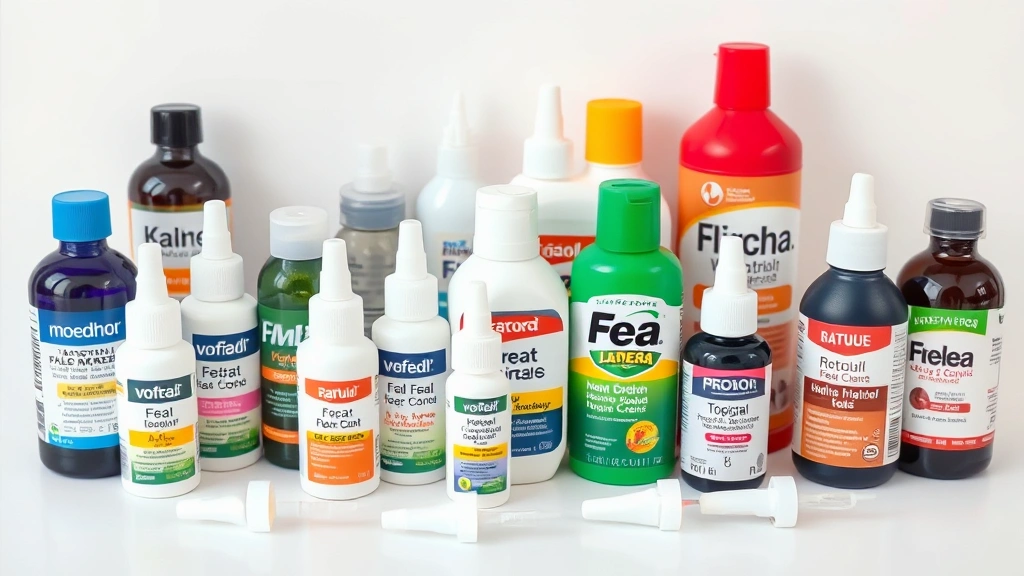
While prescription topical treatments are most effective, some pet parents prefer combining them with natural approaches. Regular bathing with flea-specific shampoo, frequent brushing with a flea comb, and keeping your home clean all help reduce flea populations. Some people use diatomaceous earth (food-grade only) on their carpets and furniture as a complementary measure.
However, natural alternatives alone usually aren’t sufficient for serious flea problems. They work best as supplements to prescription treatments. If you’re interested in natural options, discuss them with your vet to ensure they won’t interfere with other medications. For more information on what’s safe for your dog, check out our guide on Mometamax for Dogs and other treatment considerations.
When to Call Your Vet
Contact your veterinarian if your dog develops signs of flea allergy dermatitis—excessive scratching, hair loss, red or inflamed skin, or secondary skin infections. If your dog seems lethargic, vomits, or shows other signs of illness after flea treatment application, seek immediate veterinary care.
Also reach out if the flea treatment doesn’t seem to be working after two weeks. This could indicate resistance to that particular product, or it might mean environmental treatment is needed. Your vet can adjust your treatment plan based on your dog’s response.
Frequently Asked Questions
How long does it take for topical flea treatment to work?
Most topical treatments begin killing fleas within 12-24 hours of application. Some newer formulations work even faster, killing fleas within 4-6 hours. However, it may take a few days for all fleas to be completely eliminated from your dog’s body.
Can I use topical flea treatment on puppies?
Many topical treatments have age and weight restrictions. Some are safe for puppies as young as 8 weeks, while others require puppies to be at least 12 weeks old or weigh a minimum amount. Always check the product label and consult your vet before treating a puppy.
Is topical flea treatment safe for pregnant or nursing dogs?
Some topical treatments are safe for pregnant and nursing dogs, while others aren’t. This is definitely a conversation to have with your veterinarian before applying any treatment to a pregnant or nursing mama dog.
What if my dog has a reaction to topical flea treatment?
If you notice excessive scratching, redness, hair loss, or other signs of irritation, stop using the product and contact your vet immediately. They can recommend an alternative treatment that your dog tolerates better. Never re-apply a product your dog has reacted to without veterinary guidance.
Do I need to treat my house if my dog has fleas?
Yes, absolutely. While topical treatment kills fleas on your dog, flea eggs and larvae can live in your home for weeks. Vacuum thoroughly, wash all bedding in hot water, and consider using an environmental flea spray on carpets and furniture to break the flea lifecycle completely.
Can topical flea treatments be used year-round?
Most vets recommend year-round flea prevention, even in colder climates, because fleas can survive indoors during winter. However, your specific dog’s needs depend on your location and lifestyle. Discuss year-round prevention with your veterinarian.
Conclusion: Keep Those Fleas at Bay
Choosing the right topical flea treatment for dogs doesn’t have to be complicated. Whether you opt for monthly applications like Advantage II or quarterly options like Bravecto Plus, the key is consistency and following your vet’s recommendations. Your dog deserves to spend their energy playing fetch and enjoying life, not scratching themselves into misery.
Start flea prevention before flea season hits, apply treatments correctly, and don’t skip doses. Combine topical treatment with environmental control for maximum effectiveness. And remember, your veterinarian is your best resource for choosing the perfect flea prevention plan for your individual dog. With the right topical treatment in place, you and your pup can enjoy a flea-free life—and that’s something worth celebrating.





