
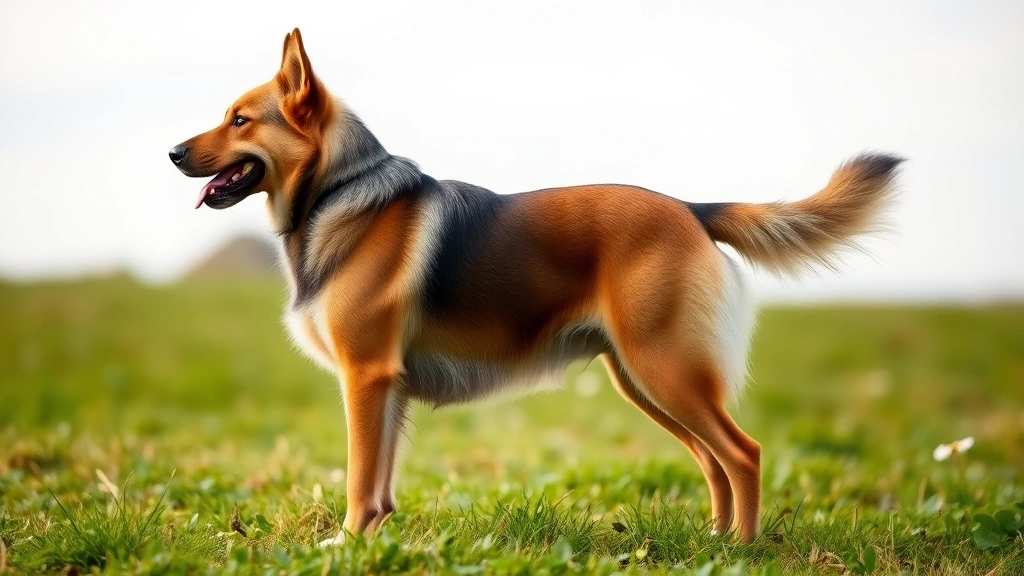
The tosa dog is one of the most intimidating and misunderstood dog breeds on the planet, and honestly, they deserve way better press than they get. These Japanese mastiffs are absolute units of canine engineering—we’re talking 100-200 pounds of pure muscle wrapped in a sleek coat that makes them look like they bench press for a living. But here’s the thing: beneath all that imposing exterior lies a surprisingly loyal, intelligent companion that’ll have you questioning everything you thought you knew about giant breeds.
Table of Contents
- What Exactly Is a Tosa Dog?
- Physical Characteristics and Appearance
- Temperament: The Gentle Giant Reality
- Training and Socialization Requirements
- Health Considerations for Giant Breed Dogs
- Nutrition and Feeding Guidelines
- Legal Restrictions and Breed Bans
- Exercise and Activity Needs
- Grooming and Coat Maintenance
- Is a Tosa Dog Right for You?
- Comparing Tosa Dogs to Other Large Breeds
- Finding a Reputable Tosa Dog Breeder
- Understanding the Dangerous Dog Reputation
- Frequently Asked Questions
- Summary: The Tosa Dog Verdict
What Exactly Is a Tosa Dog?
A tosa dog is a large Japanese mastiff breed originally developed in the Tosa region of Japan during the Meiji era. These dogs were bred by crossing native Japanese dogs with European mastiffs, bulldogs, and Great Danes. The result? A dog that was specifically designed for dog fighting—yeah, we’re not gonna sugarcoat that history. But modern tosa dogs have evolved far beyond their fighting heritage into legitimate family companions and working dogs.
The breed stands 24-32 inches tall at the shoulder and weighs between 100-200 pounds, making them one of the largest dog breeds in existence. Their appearance is nothing short of commanding: a massive head, powerful jaw, and a muscular frame that screams “don’t mess with me.” Yet their temperament tells a completely different story than their looks suggest.
Physical Characteristics and Appearance
If you’ve ever seen a tosa dog in person, you understand why people do double-takes. These dogs have:

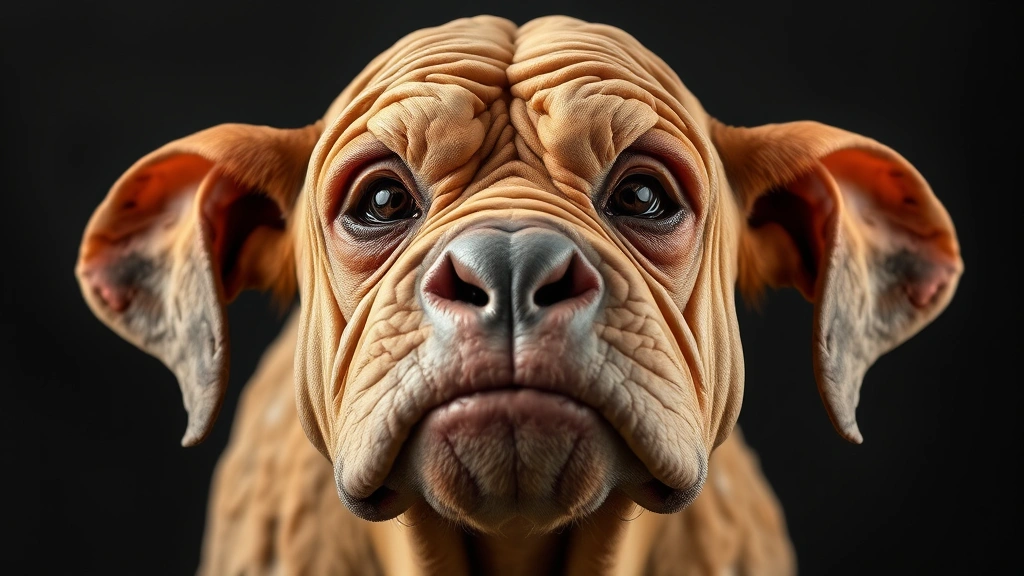
- A massive, block-shaped head with loose skin and wrinkles
- Small, droopy ears that sit high on their head
- A short, dense coat in red, fawn, apricot, or brindle colors
- A thick, muscular neck that transitions into an equally powerful body
- A tail that’s thick at the base and tapers toward the end
- Paws the size of dinner plates
The tosa dog’s physical presence is genuinely intimidating, which is exactly why they were bred this way. However, their appearance is somewhat deceptive—while they’re undeniably strong, they’re not the aggressive monsters some people assume them to be. It’s like judging a book by its cover, except the book is a 150-pound dog.
Temperament: The Gentle Giant Reality
This is where the tosa dog really surprises people. Despite their fighting heritage and imposing appearance, these dogs are known for being calm, dignified, and surprisingly gentle with their families. They’re intelligent, loyal, and have a natural protective instinct that makes them excellent guard dogs—without the constant aggression some people expect.
Tosa dogs bond deeply with their families and are typically good with children, though their sheer size means supervision is always necessary (they could knock over a toddler without even trying). They’re not hyperactive dogs; in fact, they’re relatively laid-back and enjoy lounging around the house. They do need proper socialization and training, but that’s true for any large breed.
The key to understanding a tosa dog’s temperament is recognizing that they’re confident without being aggressive. They don’t feel the need to prove themselves constantly like some other breeds. They’re cool, collected, and only become protective when their family is genuinely threatened.
Training and Socialization Requirements
Training a tosa dog requires consistency, patience, and a firm but fair hand. These are intelligent dogs that respect authority, but they also have a stubborn streak that means you can’t just bark commands at them and expect instant obedience. You need to establish yourself as a confident leader without being harsh or abusive.
Early socialization is absolutely crucial with this breed. Exposing your tosa dog puppy to different people, environments, and other animals helps prevent fear-based aggression and ensures they grow into well-adjusted adults. A well-socialized tosa dog is significantly less likely to develop behavioral problems.

These dogs respond best to positive reinforcement training methods. They’re too intelligent and proud to respond well to harsh corrections. Treats, praise, and consistency work far better than punishment-based approaches. Many tosa dog owners find that their dogs actually enjoy training sessions and look forward to them.
Health Considerations for Giant Breed Dogs
Owning a tosa dog means being prepared for the health challenges that come with giant breeds. These dogs are prone to several conditions that potential owners should understand:
- Hip and Elbow Dysplasia: Common in large breeds, this joint condition can cause pain and mobility issues
- Bloat (Gastric Dilatation-Volvulus): This life-threatening condition can occur in deep-chested dogs and requires immediate veterinary attention
- Heart Disease: Giant breeds are susceptible to dilated cardiomyopathy
- Skin Issues: Their wrinkled skin can harbor bacteria and fungi if not properly maintained
- Eye Problems: Cherry eye and other conditions are relatively common
The average lifespan of a tosa dog is 10-12 years, which is actually reasonable for a dog of their size. Regular veterinary checkups, a high-quality diet from reputable large breed dog food sources, and maintaining a healthy weight are essential for maximizing their lifespan.

Nutrition and Feeding Guidelines
A tosa dog’s massive frame requires substantial nutrition. These dogs typically eat 4-6 cups of high-quality dog food daily, though individual needs vary based on age, activity level, and metabolism. Feeding a tosa dog isn’t cheap—expect to budget $50-100+ monthly for food alone.
It’s crucial to feed a tosa dog high-quality, large-breed formulated food that supports joint health and appropriate growth rates. Rapid growth in giant breed puppies can lead to joint problems, so avoiding excessive protein and calcium is important during their growth phase.
Many tosa dog owners split meals into two or three smaller portions daily to help prevent bloat, which is a serious concern for deep-chested dogs. Always keep fresh water available, and avoid vigorous exercise immediately after meals.

Legal Restrictions and Breed Bans
Here’s something potential tosa dog owners absolutely need to know: this breed is banned or heavily restricted in many countries and regions. The UK, parts of Europe, Australia, and some U.S. states have restrictions on tosa dog ownership. Before getting one of these dogs, research your local laws extensively.
These legal restrictions exist largely due to the breed’s fighting history and the sensationalized media coverage surrounding any incident involving a tosa dog. It’s frustrating for responsible owners because it’s essentially breed discrimination based on appearance and historical use rather than actual behavior statistics.
If you live in an area where tosa dogs are legal, you may still face challenges with homeowner’s insurance, landlords, or neighborhood restrictions. Many insurance companies charge higher premiums for large or “dangerous” breeds, and some won’t insure properties with tosa dogs at all.

Exercise and Activity Needs
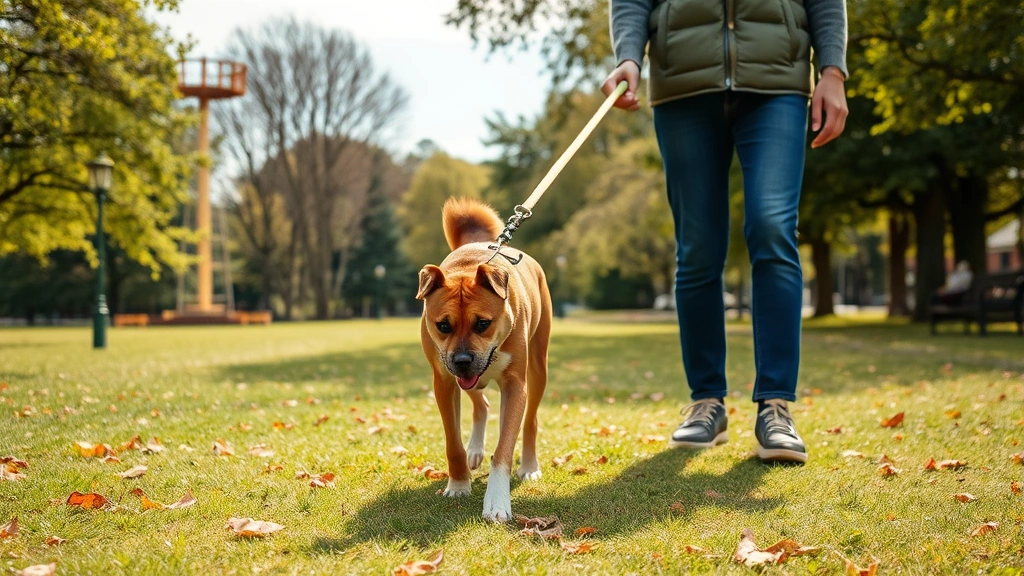
Despite their size, tosa dogs don’t require excessive exercise. They’re not the type to go crazy if they don’t get a 10-mile run daily. A daily walk of 30-60 minutes is usually sufficient to keep them healthy and mentally stimulated. They actually prefer moderate activity over intense exercise, which makes them suitable for apartment living if properly managed.
These dogs enjoy activities like swimming, which is excellent for their joints without the impact stress of running. Mental stimulation through puzzle toys and training sessions is just as important as physical exercise for keeping a tosa dog happy and preventing destructive behavior.
Avoid strenuous exercise during hot weather, as their short coat and large size make them susceptible to heat exhaustion. Similarly, jumping and rough play should be minimized, especially in puppies, to protect developing joints.
Grooming and Coat Maintenance
The tosa dog’s grooming needs are relatively straightforward compared to many other large breeds. Their short coat sheds moderately year-round and heavily during seasonal changes. Regular brushing—at least 2-3 times weekly—helps manage shedding and keeps their coat healthy.
Special attention must be paid to their facial wrinkles and skin folds, which can trap moisture and bacteria. These areas should be cleaned regularly with a damp cloth and dried thoroughly to prevent infections and odors. Their ears also need regular cleaning since they’re droopy and can harbor infections.
Nail trimming every 4-6 weeks is essential, as their large weight puts significant stress on their joints. Dental care shouldn’t be neglected either—regular brushing and professional cleanings help prevent the tooth decay that’s common in large breeds.

Is a Tosa Dog Right for You?
Before committing to a tosa dog, honestly assess whether this breed fits your lifestyle. These dogs require:
- An experienced dog owner who understands large breed management
- Sufficient space (though apartments can work with proper exercise)
- A significant financial commitment for food, healthcare, and potential insurance
- Time for training and socialization
- Legal permission in your area
- Patience with a breed that’s often misunderstood and restricted
If you’re looking for a dog that’ll make you feel tough or prove something to your neighbors, a tosa dog isn’t for you. If you want a loyal, intelligent, powerful companion that requires proper handling and respect, then you might have found your match. Check out our guide on is my dog happy to understand what your tosa dog really needs to thrive.
Comparing Tosa Dogs to Other Large Breeds
The tosa dog often gets compared to other giant breeds like Great Danes, Mastiffs, and Rottweilers. While they share size and strength with these breeds, tosa dogs have distinct characteristics. They’re generally more reserved than Great Danes, more athletic than English Mastiffs, and less commonly seen than either breed.

If you’re interested in large breed dogs generally, you might also explore other options. Some people find that lab and husky mix dogs offer size and loyalty without the same legal restrictions, though they have different energy requirements.
The tosa dog’s unique appeal lies in their combination of power, intelligence, and calm demeanor. They’re not for everyone, but for the right owner, they’re an unmatched companion.
Finding a Reputable Tosa Dog Breeder
If you decide a tosa dog is right for you, finding a reputable breeder is absolutely critical. Avoid backyard breeders and puppy mills at all costs—these operations perpetuate health problems and behavioral issues.
A responsible tosa dog breeder will:
- Conduct health testing on parent dogs (hip/elbow scores, heart evaluations)
- Provide health guarantees and take dogs back if issues arise
- Allow you to visit their facility and meet parent dogs
- Ask you extensive questions about your home and lifestyle
- Provide references from previous buyers
- Be honest about the breed’s challenges and legal restrictions
Expect to pay $2,000-4,000 for a tosa dog puppy from a reputable breeder. If someone’s offering one for significantly less, there’s probably a reason. Also consider adoption—while tosa dogs aren’t common in shelters, rescue organizations dedicated to the breed do exist.
Understanding the Dangerous Dog Reputation
The tosa dog’s reputation as a dangerous breed is largely undeserved and rooted in historical use rather than actual statistics. Yes, they were bred for dog fighting, but so were many other breeds that are now beloved family companions. Any large, powerful dog can be dangerous if mistreated, poorly trained, or abused—that’s not specific to tosa dogs.

Media coverage of dog incidents tends to sensationalize large breeds while downplaying incidents involving smaller dogs. A tosa dog bite makes headlines; a chihuahua bite doesn’t, even though the chihuahua might be equally aggressive. This bias contributes to the breed’s negative reputation.
For more context on breed perception and actual danger statistics, check out our article on most dangerous dog breeds, which provides a more nuanced discussion of the topic.
Frequently Asked Questions
Are tosa dogs aggressive?
Tosa dogs are not inherently aggressive. They’re calm, dignified dogs that only become protective when their family is threatened. Like any dog, their temperament depends on genetics, training, socialization, and how they’re treated. A well-raised tosa dog is generally no more aggressive than any other large breed.
Can tosa dogs live in apartments?
Yes, tosa dogs can live in apartments despite their size. They don’t require excessive exercise and are relatively calm indoors. However, they do need daily walks and mental stimulation. Apartment living works best for tosa dogs when their owners are committed to meeting their needs and managing their presence responsibly.
How much do tosa dogs cost?
A tosa dog puppy from a reputable breeder typically costs $2,000-4,000. Annual expenses including food, healthcare, and insurance can exceed $3,000-5,000 yearly. This is a significant financial commitment that shouldn’t be taken lightly.
Do tosa dogs get along with other dogs?
Properly socialized tosa dogs can coexist peacefully with other dogs. However, their size and strength mean that even playful interactions can cause accidental injury. Early socialization with other dogs is important, and supervision during interactions with smaller dogs is always recommended.
What’s the lifespan of a tosa dog?
The average lifespan of a tosa dog is 10-12 years. This is relatively good for a dog of their size. Proper nutrition, regular veterinary care, and maintaining a healthy weight can help maximize their lifespan.
Are tosa dogs good with children?
Tosa dogs can be excellent with children, especially when raised with them. However, their size means they can accidentally knock over small children during play. Supervision is always necessary, and teaching children how to properly interact with large dogs is essential.
Summary: The Tosa Dog Verdict
The tosa dog is a powerful, intelligent breed that’s been unfairly maligned by history and media sensationalism. They’re not the aggressive monsters some people imagine, but they’re also not for casual dog owners. These dogs require experienced handlers, proper training, legal permission, and a genuine commitment to their wellbeing.
If you’re prepared for the challenges—legal restrictions, high costs, and the constant need to educate others about the breed—a tosa dog can be an incredibly rewarding companion. They’re loyal, intelligent, and possess a quiet dignity that’s genuinely impressive. Just make sure you’re getting one for the right reasons and from a responsible source. This breed deserves owners who understand and respect what they are, not people looking for a status symbol or a tough-guy accessory.





