
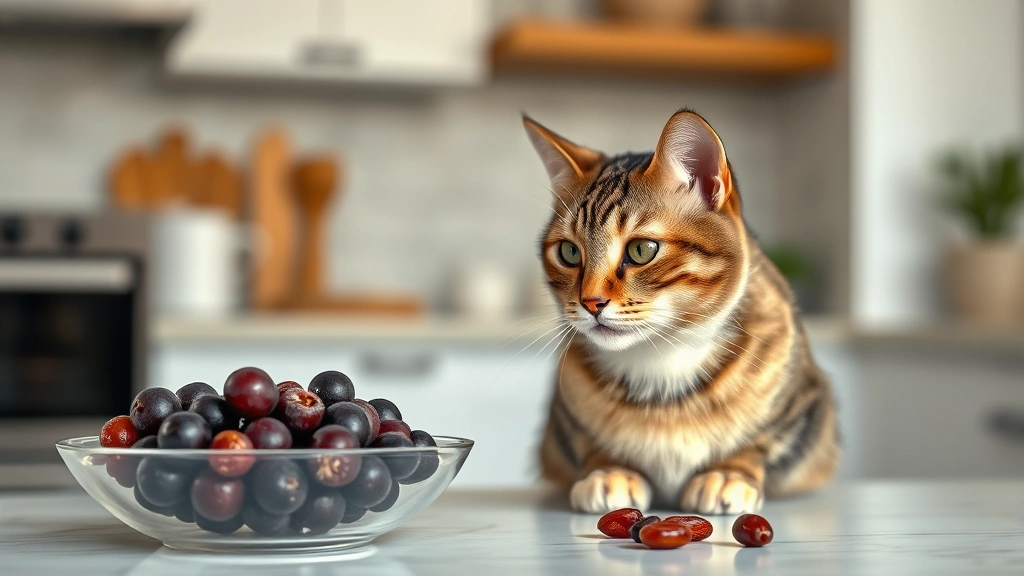
When it comes to keeping your feline friend safe, knowing which toxic fruits for cats to avoid is absolutely crucial. Your cat might give you those adorable puppy-dog eyes when you’re snacking on fruit, but resist the urge to share—some fruits that are perfectly fine for humans can seriously harm your whiskered companion. This guide breaks down exactly which fruits are dangerous, why they’re problematic, and what to do if your cat accidentally munches on something they shouldn’t.
Table of Contents
- Why Cats and Fruits Don’t Mix
- Grapes and Raisins: The Most Dangerous Offenders
- Citrus Fruits: Acidic Trouble
- Avocado: The Trendy Threat
- Coconut and Coconut Products: Deceptively Dangerous
- Persimmons, Plums, and Peaches: Stone Fruit Dangers
- Cherries: Sweet But Sinister
- Pomegranates: The Seedy Problem
- Kiwis and Other Tropical Fruits
- Recognizing Poisoning Symptoms
- Safe Fruit Alternatives for Your Cat
- Creating a Cat-Safe Home
- Frequently Asked Questions
- Conclusion: Keeping Your Cat Fruit-Free and Healthy
Why Cats and Fruits Don’t Mix
Unlike dogs, cats are obligate carnivores, meaning their bodies are designed to thrive on meat, not plants. Their digestive systems lack certain enzymes needed to properly process fruits and vegetables. When you feed your cat fruit—especially toxic varieties—you’re asking their system to do something it’s not equipped to handle. This fundamental difference in nutrition is why toxic fruits for cats pose such a serious risk. Even small amounts of certain fruits can trigger vomiting, diarrhea, kidney failure, or worse.
Grapes and Raisins: The Most Dangerous Offenders
Grapes and raisins top the list of fruits you should absolutely keep away from your cat. These seemingly innocent snacks contain an unknown compound that can cause acute kidney failure in felines. The scary part? Scientists still don’t know exactly which component is responsible, which means there’s no safe amount. A single grape could potentially cause problems, or your cat might eat several with no immediate symptoms. The danger is unpredictable, making prevention your best defense.
If your cat eats grapes or raisins, contact your veterinarian immediately. Early treatment increases the chances of preventing kidney damage. Symptoms typically appear within 24-72 hours and include loss of appetite, letharness, and decreased urination.
Citrus Fruits: Acidic Trouble
Lemons, limes, oranges, and grapefruits might smell fresh and clean to you, but they’re problematic for cats. These citrus fruits contain citric acid and essential oils that can irritate your cat’s digestive system. The psoralens found in citrus peels are especially concerning—they can cause dermatitis and gastrointestinal upset. Even the smell of citrus can bother some cats, which is why many pet owners use citrus-scented sprays as natural deterrents.
While a tiny taste of orange flesh probably won’t cause serious harm, why risk it? Your cat’s stomach will thank you for keeping citrus completely off the menu.
Avocado: The Trendy Threat
Avocado is everywhere these days—in salads, smoothie bowls, and on toast. It’s also surprisingly toxic to cats. The culprit is persin, a fungicidal toxin found in avocado leaves, seeds, and flesh. This compound can cause vomiting, diarrhea, and pancreatitis in cats. The seed is particularly dangerous because it’s a choking hazard on top of being toxic. If your cat manages to swallow an avocado seed, you’re looking at a potential emergency situation.
Keep guacamole, avocado toast, and whole avocados stored safely away from curious feline noses. When feeding pets with IBD (inflammatory bowel disease), avocado is absolutely off-limits, as it can trigger serious flare-ups.
Coconut and Coconut Products: Deceptively Dangerous
Coconut might seem like a natural, healthy option, but it’s not appropriate for cats. Coconut meat and coconut oil can cause digestive upset, including diarrhea and vomiting. The high fat content in coconut products is particularly problematic for cats, potentially leading to pancreatitis—a serious and painful inflammation of the pancreas. Coconut water is also high in potassium, which can be dangerous for cats with certain health conditions.
This is especially important to remember when you’re introducing solid food to kittens. Never use coconut-based products as a way to make food more appealing; stick to species-appropriate options instead.
Persimmons, Plums, and Peaches: Stone Fruit Dangers
Stone fruits like persimmons, plums, and peaches contain compounds that can cause gastrointestinal upset in cats. The pits themselves are choking hazards and contain cyanogenic glycosides, which break down into cyanide when ingested. Even without eating the pit, the flesh can cause vomiting and diarrhea. Unripe persimmons are especially problematic, as they can cause intestinal blockages.
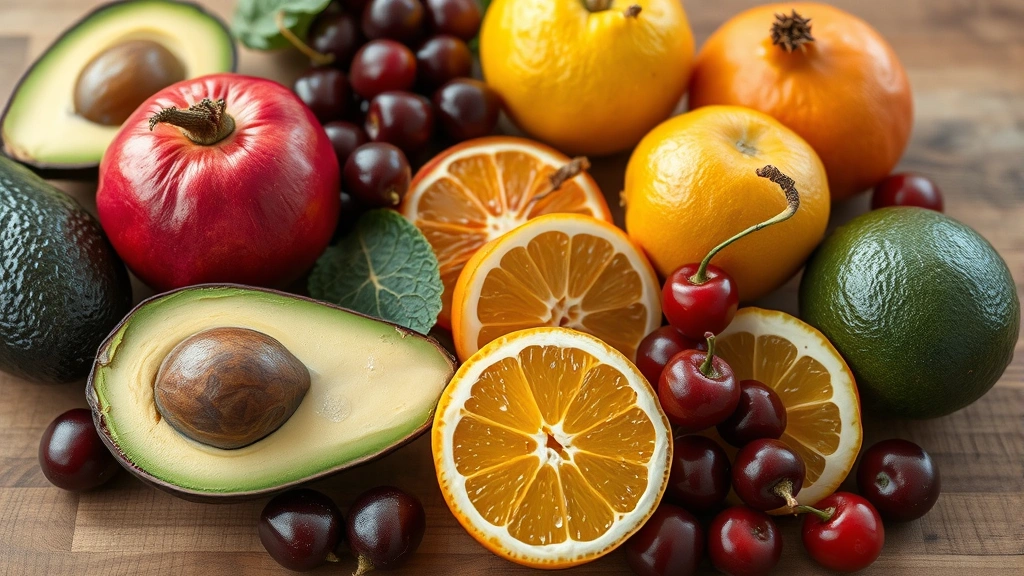
The stems and leaves of these plants are also toxic, so if you have fruit trees in your yard, supervise outdoor time carefully. A curious kitten investigating a fallen peach could end up in serious trouble.
Cherries: Sweet But Sinister
Cherries might look harmless, but they’re genuinely dangerous for cats. The pits contain cyanogenic glycosides, and the flesh can cause gastrointestinal irritation. Raw cherries are worse than cooked ones, but neither should be fed to your cat. The bigger concern is often the pit itself—if your cat swallows it whole, you’re dealing with a potential choking hazard and internal blockage.
During your kitten feeding schedule, make sure to establish boundaries around human snacks from day one. Cats that learn early not to beg for fruit are safer cats.
Pomegranates: The Seedy Problem
Pomegranates are loaded with antioxidants that are great for humans, but they’re problematic for cats. The seeds can cause gastrointestinal upset, and the fruit’s tannins can lead to vomiting and diarrhea. The arils (the juice-filled seed sacs) are the most likely culprit, but the whole fruit should be avoided. If you’re eating pomegranate and your cat shows interest, immediately remove the fruit and wash your hands before petting them.
Kiwis and Other Tropical Fruits
Kiwis, pineapples, and other tropical fruits might seem exotic and harmless, but they’re not ideal for cats. Kiwis contain proteolytic enzymes that can irritate your cat’s mouth and digestive tract. The high sugar content in most tropical fruits is also problematic—cats have no nutritional need for sugar and it can contribute to obesity and diabetes. Pineapple, while less toxic than some fruits, still isn’t recommended due to its acidity and sugar content.
When your cat is feeding during illness, tropical fruits are absolutely off the table. Stick to prescribed diets recommended by your veterinarian.
Recognizing Poisoning Symptoms
If your cat accidentally eats toxic fruit, watch for these warning signs: vomiting, diarrhea, letharness, loss of appetite, abdominal pain, increased thirst, decreased urination, or tremors. Some symptoms appear immediately, while others (especially with grapes and raisins) can take 24-72 hours. Don’t wait to see if symptoms develop—call your vet immediately if you suspect your cat ate something toxic.
Time is critical with certain fruits like grapes, where early intervention can prevent permanent kidney damage. Have your veterinarian’s number programmed into your phone, and know where the nearest emergency vet clinic is located.
Safe Fruit Alternatives for Your Cat
If you want to give your cat fruit treats, stick to small amounts of cat-safe options. Watermelon (without seeds), small pieces of apple (without seeds), and a tiny bit of banana are generally safe in moderation. However, remember that cats don’t need fruit—they’re carnivores. Using foraging toys for cats filled with appropriate treats is a much better way to enrich their diet and provide mental stimulation without the poisoning risk.
The best approach? Skip fruit entirely and focus on species-appropriate treats. Your cat’s nutritional needs are met through quality cat food, not human snacks.
Creating a Cat-Safe Home
Prevention is always better than treatment. Store fruit in closed containers or in areas your cat can’t access. Be especially careful with fruit bowls on counters—cats are excellent jumpers and climbers. Teach family members and visitors about toxic fruits, so everyone understands the rules. When hiding pills in food for medication, never use fruit as a vehicle; use approved cat treats instead.
Keep your trash secured, as cats sometimes dig through garbage looking for interesting smells. A single grape pulled from the trash could trigger a medical emergency. Make your home a fruit-free zone for your cat’s safety.
Frequently Asked Questions
Can cats eat any fruit safely?
While cats are obligate carnivores and don’t need fruit, tiny amounts of watermelon (seedless), apple (seedless), or banana are generally safe. However, fruit should never be a regular part of their diet. Always consult your veterinarian before introducing any new foods.
What should I do if my cat eats grapes or raisins?
Contact your veterinarian or emergency vet clinic immediately, even if your cat seems fine. Bring the packaging if you have it, so the vet knows exactly what was consumed. Early treatment is critical for preventing kidney failure.
Are cooked fruits safer than raw fruits?
Cooking doesn’t make toxic fruits safe for cats. While cooked fruit might be slightly less irritating than raw, the toxic compounds remain. Avoid all forms of toxic fruits, whether raw, cooked, dried, or processed.
How can I stop my cat from eating fruit?
Store fruit securely in closed containers or the refrigerator. Use deterrent sprays with citrus scent (which cats dislike) around fruit bowls. Provide appropriate cat toys and treats instead. Consistent training and environmental management are key.
What are the signs of fruit poisoning in cats?
Watch for vomiting, diarrhea, letharness, loss of appetite, abdominal pain, increased thirst, decreased urination, and tremors. Some symptoms appear within hours; others take 24-72 hours. Contact your vet immediately if you notice any of these signs.
Conclusion: Keeping Your Cat Fruit-Free and Healthy
Understanding toxic fruits for cats is essential for every pet owner. While your cat might be curious about what you’re eating, their safety must come first. Grapes, raisins, avocados, citrus fruits, cherries, and many other fruits pose serious health risks. The best approach is simple: keep fruit away from your cat entirely and focus on providing species-appropriate nutrition.
Your feline friend doesn’t need fruit to be healthy and happy. Quality cat food, fresh water, enriching toys, and your love are all they need. By being proactive about toxic fruits and creating a safe home environment, you’re giving your cat the best chance at a long, healthy life. When in doubt, always consult your veterinarian before offering any new food—including fruit.
External references: ASPCA Animal Poison Control Center | PetMD Feline Nutrition Guide | Cornell Feline Health Center





