
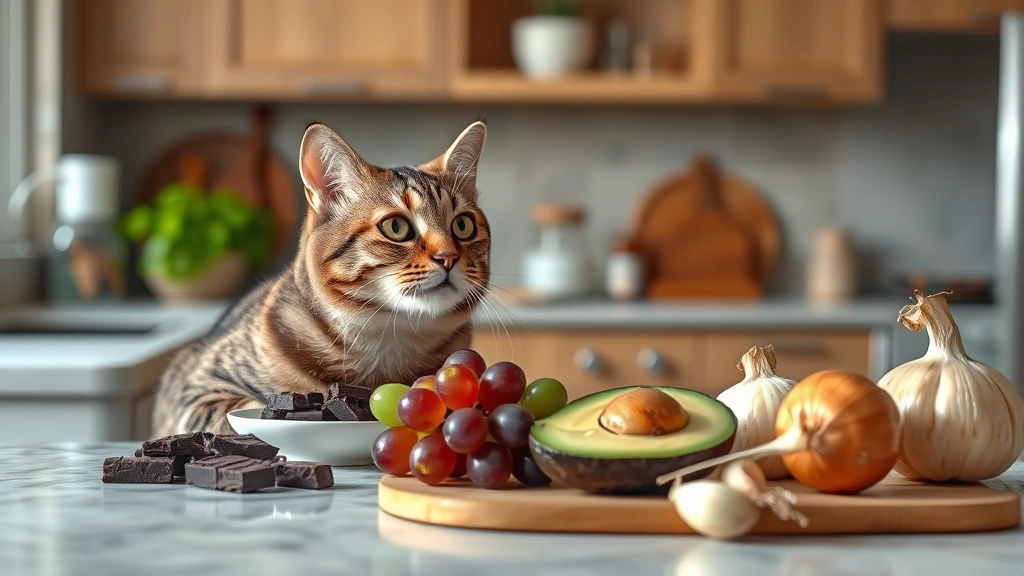
If you’re a cat parent, knowing which toxic human foods for cats to keep away from your furry friend is absolutely essential—because let’s face it, cats are curious little ninjas who’ll steal food off your plate the moment you turn your back. Unlike dogs, cats have unique metabolisms that make them especially vulnerable to certain foods we humans eat without a second thought. Some items in your kitchen could seriously harm or even kill your beloved feline, which is why understanding what’s dangerous is non-negotiable.
Table of Contents
- Why Cats Are Different: Understanding Feline Metabolism
- Chocolate: The Sweet Poison Every Cat Owner Knows About
- Onions and Garlic: The Sneaky Kitchen Staples
- Grapes and Raisins: Small Fruits, Big Problems
- Avocado: That Trendy Superfood Isn’t Super for Cats
- Alcohol: Even a Tiny Sip Can Be Dangerous
- Raw Eggs and Undercooked Meat: The Bacterial Minefield
- Caffeine: The Stimulant Your Cat Doesn’t Need
- Xylitol: The Artificial Sweetener Nightmare
- Milk and Dairy Products: The Lactose Intolerance Reality
- Salt and Sodium: The Often-Overlooked Danger
- Mushrooms: Some Varieties Are Deadly
- Frequently Asked Questions
- Summary: Keeping Your Cat Safe From Toxic Foods
Why Cats Are Different: Understanding Feline Metabolism
Here’s the thing: cats aren’t just tiny humans with whiskers. Their bodies work completely differently than ours, and what’s harmless to you could be catastrophic for them. Cats lack certain enzymes and liver functions that allow them to metabolize specific compounds. This is why PetMD emphasizes the importance of feline-specific nutrition. Your cat’s digestive system evolved to process meat, not the complex carbs and additives we throw into our food. Understanding this fundamental difference is the first step in keeping your kitty safe.
Chocolate: The Sweet Poison Every Cat Owner Knows About
Chocolate is toxic to cats, and this isn’t just an old wives’ tale—it’s legitimate science. The culprit is theobromine, a compound found in cocoa that cats cannot metabolize efficiently. Dark chocolate and baking chocolate are the worst offenders because they contain higher concentrations of theobromine than milk chocolate. Even a small amount can cause vomiting, diarrhea, rapid breathing, and in severe cases, seizures or cardiac arrhythmias. Keep all chocolate products locked away, and make sure your kids understand that sharing their desserts with Fluffy is a no-go. When feeding your cat, always refer to proper feeding guidelines for indoor vs outdoor cats to ensure they’re getting appropriate nutrition.
Onions and Garlic: The Sneaky Kitchen Staples
This one catches a lot of people off guard because onions and garlic are in so many human foods. Both belong to the allium family, which contains compounds that damage cats’ red blood cells and cause hemolytic anemia. Whether raw, cooked, powdered, or dehydrated, these ingredients are dangerous. A single meal containing onions or garlic might not cause immediate symptoms, but repeated exposure can lead to serious illness. Check the ingredients of any people food before sharing—that innocent-looking pasta sauce or seasoning blend could contain garlic powder that spells trouble for your feline friend.
Grapes and Raisins: Small Fruits, Big Problems
The exact reason grapes and raisins are toxic to cats remains somewhat mysterious to veterinarians, but the danger is undeniable. These fruits can cause acute kidney failure in felines, even in small quantities. Some cats might eat a grape and experience no symptoms, while others could have a severe reaction from just one or two. The unpredictability makes them especially dangerous—you can’t predict how your individual cat will respond. Keep these fruits completely off-limits and be vigilant about cleaning up any that fall on the floor. This applies whether your cat has a sensitive stomach or not; if you’re managing a sensitive stomach feeding schedule, avoiding grapes is non-negotiable.
Avocado: That Trendy Superfood Isn’t Super for Cats
Avocado contains persin, a fungicidal toxin that can cause vomiting, diarrhea, and potentially more serious issues in cats. While avocado is celebrated as a superfood for humans, it’s genuinely harmful to our feline companions. The pit is especially dangerous because it’s a choking hazard and contains high concentrations of persin. Even if your cat somehow manages to eat avocado without immediate visible symptoms, it’s not worth the risk. Keep guacamole, avocado toast, and whole avocados away from your kitty’s curious paws.
Alcohol: Even a Tiny Sip Can Be Dangerous
Never, ever let your cat consume alcohol in any form. Cats are far more sensitive to ethanol than humans, and even small amounts can cause intoxication, vomiting, diarrhea, tremors, and potentially respiratory depression. A single beer or cocktail that you’d barely notice could put your cat in serious danger. This includes not just drinks but also foods containing alcohol like certain desserts or cooking wines. If your cat accidentally ingests alcohol, contact your veterinarian immediately. The same care applies when considering anxiety treats for cats—always verify ingredients with your vet first.
Raw Eggs and Undercooked Meat: The Bacterial Minefield
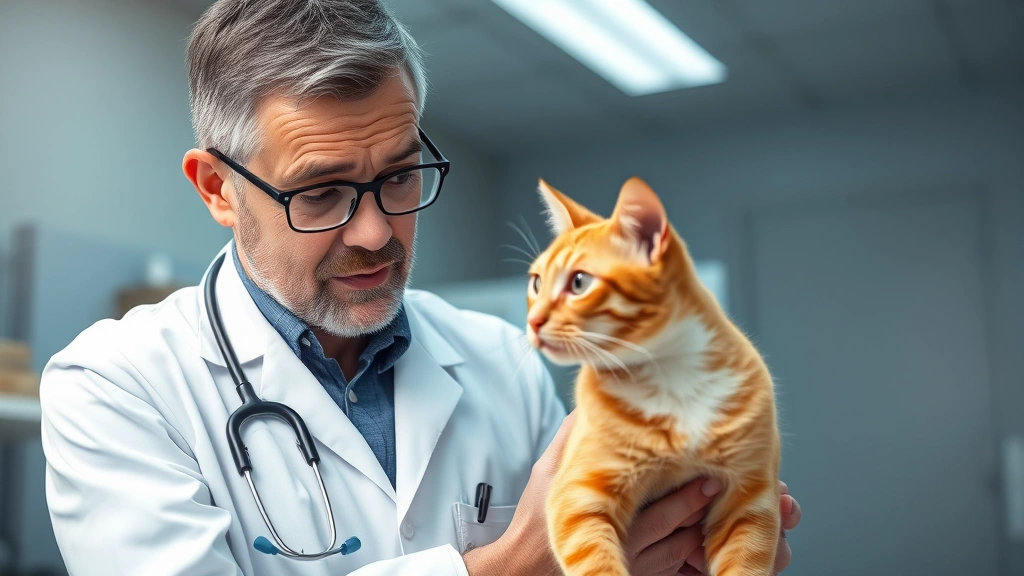
While some raw-feeding advocates argue that cats should eat raw meat, the reality is that raw eggs and undercooked meat carry serious risks. Salmonella and E. coli can cause severe gastrointestinal infections in cats just as easily as in humans. Raw eggs also contain avidin, which can interfere with B vitamin absorption. If you’re interested in raw diets for your feline, work directly with a veterinary nutritionist to ensure safety. For most cat owners, sticking with cooked, properly prepared meat is the safest choice. Pregnant cats especially need careful nutritional management; check out our guide on pregnant cat feeding for more details.
Caffeine: The Stimulant Your Cat Doesn’t Need
Coffee, tea, energy drinks, and anything containing caffeine can cause serious problems for cats. Caffeine increases heart rate and blood pressure in felines and can cause restlessness, rapid breathing, muscle tremors, and even cardiac arrhythmias. A single cup of coffee might not be fatal, but it’s absolutely not something your cat should consume. Keep your morning brew away from your kitty, and be aware that some medications and foods contain hidden caffeine. If your cat accidentally laps up some of your coffee, monitor them closely and contact your vet if they show signs of distress.
Xylitol: The Artificial Sweetener Nightmare
Xylitol is an artificial sweetener found in sugar-free gum, candy, baked goods, and some peanut butters. In cats, xylitol can cause rapid insulin release, leading to hypoglycemia (dangerously low blood sugar), liver failure, and death. Even tiny amounts can be lethal. Always check the ingredient list on any human food before giving it to your cat, especially sugar-free products. This is one of those toxic human foods for cats that requires absolute vigilance because it’s increasingly common in products people assume are safe.
Milk and Dairy Products: The Lactose Intolerance Reality
Here’s a myth worth busting: most adult cats are lactose intolerant. While kittens produce lactase enzyme to digest their mother’s milk, most cats lose this ability as they mature. Giving your cat regular cow’s milk can cause digestive upset, vomiting, and diarrhea. The cute image of a cat lapping up a saucer of milk is adorable but scientifically inaccurate for most felines. If you want to give your cat a dairy treat, look for lactose-free options specifically formulated for cats, or stick with cat-safe alternatives. Understanding proper hunting feeders for cats and appropriate nutrition is part of being a responsible pet parent.
Salt and Sodium: The Often-Overlooked Danger
Excessive salt can cause hypernatremia (sodium ion poisoning) in cats, leading to vomiting, diarrhea, tremors, seizures, and even death. Many human foods—processed meats, chips, salted nuts, and canned foods—contain dangerously high sodium levels for felines. Cats need very little salt in their diet, and their bodies are designed to process minimal amounts. Avoid sharing salty snacks with your cat, and always choose cat-specific foods formulated with appropriate sodium levels. Your cat’s health depends on proper nutrition, not human food scraps.
Mushrooms: Some Varieties Are Deadly
While some mushrooms are harmless, certain varieties—particularly wild mushrooms—contain toxins that can cause severe poisoning in cats. Symptoms include vomiting, diarrhea, abdominal pain, drooling, and in severe cases, organ failure. Unless you’re 100% certain a mushroom is safe for cats, don’t risk it. Many toxic mushrooms look similar to edible varieties, making identification dangerous. If your cat eats any mushroom, especially a wild one, contact your veterinarian or poison control immediately. It’s far better to err on the side of caution.
Frequently Asked Questions
What should I do if my cat eats toxic human food?
First, don’t panic. Contact your veterinarian or the ASPCA Animal Poison Control Center (888-426-4435) immediately. Have the product packaging or ingredient list ready, as this helps your vet assess the danger level. Depending on what was eaten and how much, your vet might recommend inducing vomiting, activated charcoal, or monitoring at home. Time is critical with some toxins, so fast action could save your cat’s life.
Are there any human foods that are actually safe for cats?
Yes! Plain cooked chicken, turkey, and beef (without seasoning) are safe in small amounts. Cooked pumpkin and sweet potato are also fine. Some cats enjoy small pieces of watermelon or cantaloupe (seedless). Plain cooked fish is generally okay, though some vets recommend moderation due to mercury concerns. Always introduce new foods gradually and in tiny portions, and stick primarily to cat-formulated foods for their nutritional needs.
How can I tell if my cat has been poisoned?
Signs of poisoning vary depending on the toxin but often include vomiting, diarrhea, lethargy, loss of appetite, excessive drooling, difficulty breathing, tremors, or behavioral changes. Some symptoms appear immediately, while others develop over hours or days. If your cat shows any unusual symptoms after eating something questionable, contact your vet right away. When in doubt, it’s always better to get professional medical advice than to wait and see.
Is it ever okay to give my cat a taste of human food?
Small tastes of safe foods are generally fine, but most cats get all the nutrition they need from quality cat food. The risk isn’t worth the potential harm when toxic human foods for cats are so common. If you want to treat your cat, stick with cat-specific treats or the safe human foods mentioned above, given in tiny portions only occasionally. Your cat won’t feel deprived, and you’ll avoid unnecessary health risks.
Summary: Keeping Your Cat Safe From Toxic Foods
Protecting your cat from toxic human foods requires awareness, vigilance, and a commitment to understanding feline nutrition. The foods we’ve discussed—chocolate, onions, garlic, grapes, avocado, alcohol, caffeine, xylitol, and others—pose genuine health risks to your beloved pet. Rather than trying to navigate the complex world of what’s safe and what’s not, the simplest approach is feeding your cat quality cat food designed specifically for their nutritional needs. When you do offer treats, choose cat-specific options or stick with the handful of human foods veterinarians confirm are safe. Your cat depends on you to make informed decisions about their health, and avoiding toxic human foods for cats is one of the most important responsibilities you have as a pet parent. If you ever suspect your cat has eaten something dangerous, don’t hesitate to contact your veterinarian immediately—it could literally save their life.
References:





