
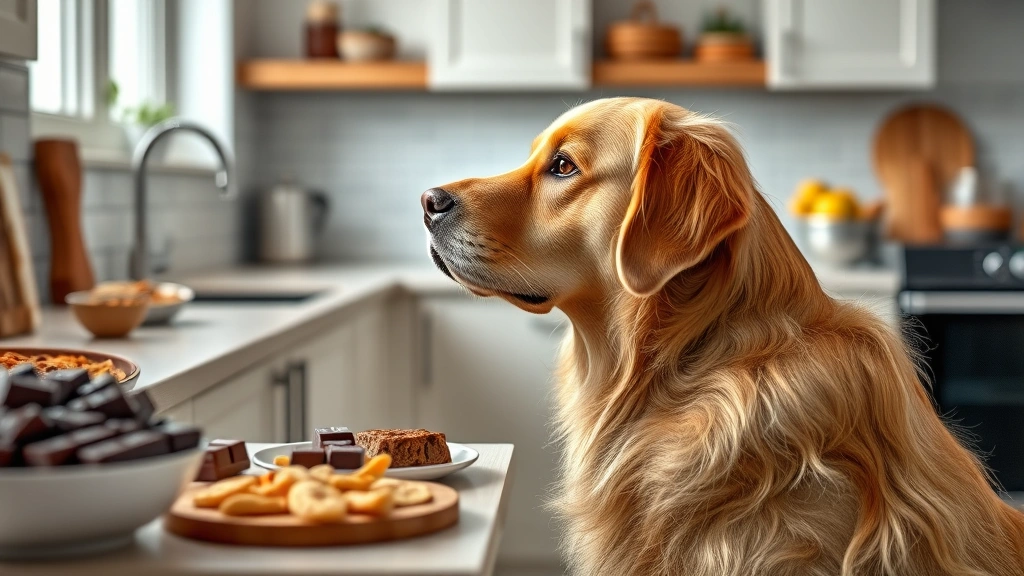
When your pup gives you those irresistible puppy-dog eyes while you’re eating dinner, it’s tempting to slip them a bite of your meal. But here’s the thing: toxic human foods for dogs are lurking in your kitchen right now, and some of them can seriously mess with your furry friend’s health. We’re talking everything from your morning coffee to that chocolate chip cookie you dropped on the floor. Let’s break down the dangerous foods your dog should never eat, because knowledge is power when it comes to keeping your best buddy safe.
Table of Contents
- Why Dogs Can’t Eat What We Eat
- Chocolate: The Sweet Killer
- Grapes and Raisins: Mysterious Menaces
- Avocado: The Trendy Toxin
- Onions and Garlic: Stinky and Dangerous
- Xylitol: The Artificial Sweetener Surprise
- Alcohol: Not for Puppies
- Macadamia Nuts: The Toxic Nut
- Caffeine: Your Morning Jolt Is Their Poison
- Fatty Foods and Bones: Digestive Disasters
- Salt and Seasonings: The Hidden Hazards
- What to Do If Your Dog Eats Something Toxic
- Prevention: The Best Medicine
- Safe Alternatives to Share With Your Pup
- Understanding Your Dog’s Individual Risk Factors
- Frequently Asked Questions
- The Bottom Line: Keep Your Dog Safe
Why Dogs Can’t Eat What We Eat
Dogs have different digestive systems than humans, and their bodies process certain compounds in ways that can be downright dangerous. What’s a tasty snack for you might be toxic poison for your pooch. Their smaller body size means even tiny amounts of certain substances can cause serious problems. Plus, dogs lack certain enzymes that help us break down specific foods safely. Understanding which human foods are poisonous to dogs isn’t just pet trivia—it’s essential for keeping your dog healthy and avoiding emergency vet visits.
Chocolate: The Sweet Killer
Let’s start with everyone’s favorite treat: chocolate. Dark chocolate and baking chocolate are the worst culprits because they contain higher concentrations of theobromine, a compound toxic to dogs. Even small amounts can cause vomiting, diarrhea, rapid breathing, and in severe cases, seizures or heart problems. Milk chocolate is less dangerous but still risky, while white chocolate is basically harmless (though it’s still junk). The darker the chocolate, the more dangerous it is. A 10-pound dog eating just two ounces of dark chocolate could be in serious trouble. If your dog accidentally ate chocolate, contact a remote vet consultation service immediately or call poison control.
Grapes and Raisins: Mysterious Menaces
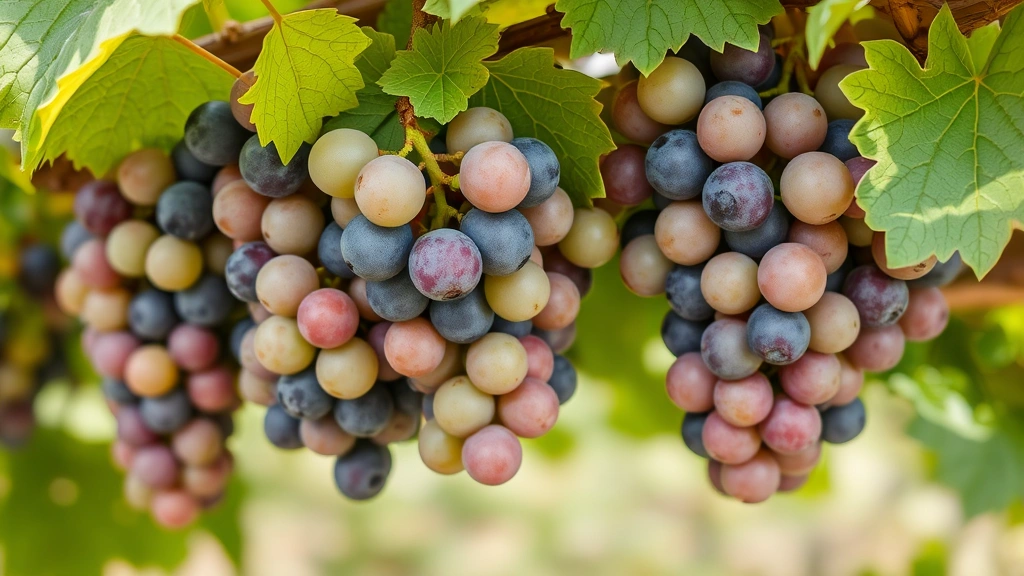
Here’s one that freaks out most dog owners: grapes and raisins can cause acute kidney failure in dogs, and scientists still don’t fully understand why. The scary part? There’s no way to predict which dogs will be affected or how many grapes it takes to cause problems. Some dogs might eat one grape and be fine, while others could have a severe reaction. The safest approach is treating all grapes and raisins as completely off-limits. This includes foods containing raisins like cookies, cereals, and trail mix. If your dog ate grapes, get veterinary help immediately—early treatment is crucial.

Avocado: The Trendy Toxin
Avocado toast might be your breakfast of champions, but avocados contain persin, a fungal toxin that can cause vomiting and diarrhea in dogs. The highest concentration is in the pit and leaves, but the flesh contains it too. While avocado poisoning is rarely fatal, it’s definitely something to avoid. The fat content in avocados can also trigger pancreatitis in susceptible dogs. So when you’re preparing that guacamole, keep your pup far away from the bowl and any dropped bits.

Onions and Garlic: Stinky and Dangerous
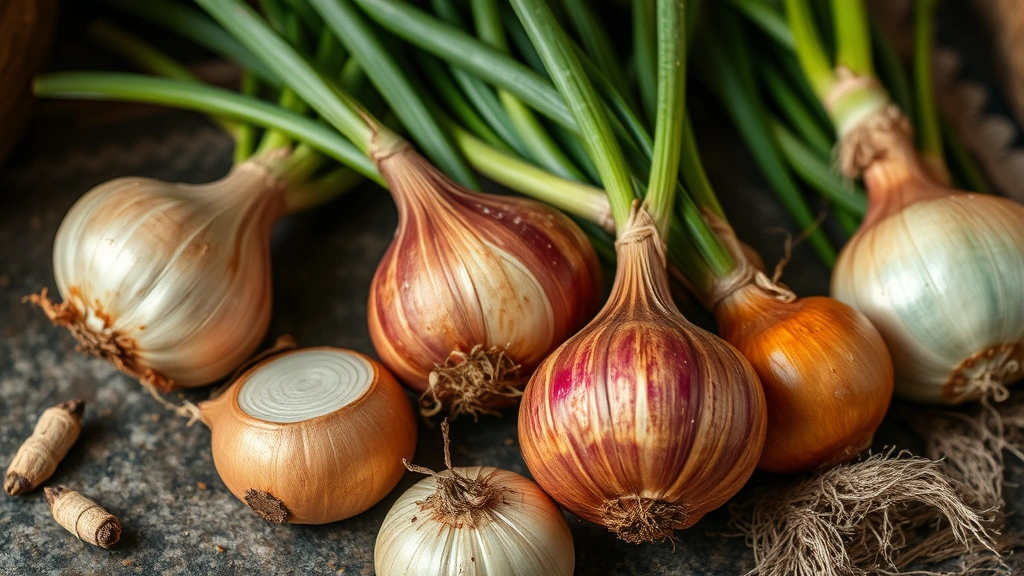
Both onions and garlic contain compounds called thiosulfates that damage dogs’ red blood cells, leading to hemolytic anemia. This includes raw, cooked, powdered, and dehydrated forms—basically all versions are toxic. Garlic is actually more potent than onions, and cats are even more sensitive than dogs, but that doesn’t make it safe for your pup. Symptoms include weakness, lethargy, and pale gums. Many human foods contain hidden onions and garlic (soups, sauces, seasonings), so read labels carefully. This is especially important when considering pet food consistency and ensuring your dog’s meals are completely safe.
Xylitol: The Artificial Sweetener Surprise
Xylitol is found in sugar-free gum, candy, baked goods, and some peanut butters, and it’s absolutely deadly to dogs. Even small amounts can cause a rapid drop in blood sugar (hypoglycemia) and liver damage. Dogs can go from happy to hospitalized within hours. The problem is that xylitol-containing products are increasingly common, and many pet parents don’t realize the danger. Always check labels on sugar-free products before giving anything to your dog. Some peanut butter brands use xylitol, so stick to dog-safe options or make your own.
Alcohol: Not for Puppies
This one seems obvious, but it bears repeating: alcohol is toxic to dogs. Even small amounts can cause intoxication, low blood sugar, seizures, and respiratory depression. Beer, wine, liquor, and foods containing alcohol (like raw bread dough with yeast) are all dangerous. Dogs metabolize alcohol differently than humans, making them far more susceptible to its effects. A dog that’s had alcohol needs immediate veterinary attention, especially if they’re showing signs of intoxication like stumbling or confusion.

Macadamia Nuts: The Toxic Nut
While many nuts are okay for dogs in moderation, macadamia nuts are a definite no-go. They contain an unknown toxin that causes weakness, depression, vomiting, tremors, and hyperthermia (elevated body temperature). The effects usually appear within 12 hours of ingestion. Interestingly, macadamia nut toxicity is rarely fatal, but it’s incredibly uncomfortable for your dog. Other nuts like almonds and walnuts are generally safer but can cause choking or digestive issues, so they’re better avoided too.

Caffeine: Your Morning Jolt Is Their Poison
Coffee, tea, energy drinks, and certain sodas contain caffeine, which is toxic to dogs in significant amounts. It affects their heart rate, blood pressure, and nervous system. Symptoms include restlessness, rapid breathing, muscle tremors, and in severe cases, heart arrhythmias. The good news is that a single lick of your coffee probably won’t hurt them, but drinking a whole cup could be serious. Keep all caffeinated beverages out of reach, and be especially careful with coffee grounds and tea bags.
Fatty Foods and Bones: Digestive Disasters
While not always immediately toxic, fatty foods like bacon, fatty meats, and fried foods can trigger pancreatitis—inflammation of the pancreas that causes severe pain and vomiting. Cooked bones are particularly dangerous because they can splinter and perforate the digestive tract. Raw bones are safer than cooked ones, but even they pose choking and blockage risks. If your dog has a sensitive stomach feeding schedule, fatty foods are especially problematic.
Salt and Seasonings: The Hidden Hazards
Excessive salt can cause sodium ion poisoning in dogs, leading to vomiting, diarrhea, tremors, and seizures. While dogs need some sodium, they need far less than humans. Heavily salted foods like chips, pretzels, and processed meats should be avoided. Many seasonings are also problematic—nutmeg, for instance, can cause neurological issues. When preparing dog-friendly meals, skip the seasoning entirely and keep things plain and simple.
What to Do If Your Dog Eats Something Toxic
If you suspect your dog has eaten something toxic, don’t panic—but do act fast. Call your veterinarian or an animal poison control center immediately. Have the product name, ingredient list, and approximate amount your dog ate ready. Try to note the time of ingestion. Some toxins require immediate decontamination (like inducing vomiting), while others need supportive care. The ASPCA Animal Poison Control Center is available 24/7 at (888) 426-4435. Consider setting up a remote vet consultation for quick advice, but for serious poisonings, get to an emergency vet clinic.
Prevention: The Best Medicine
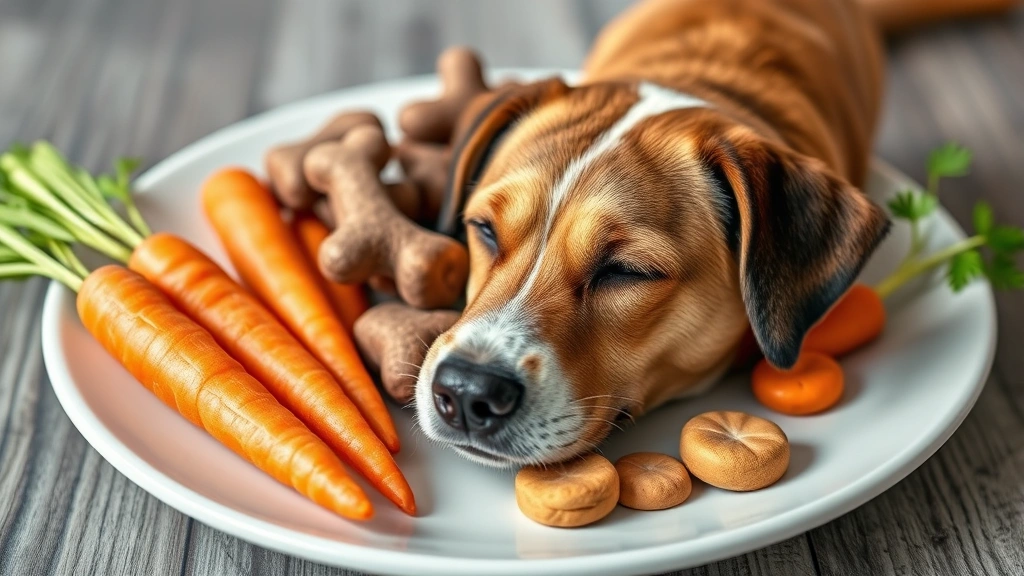
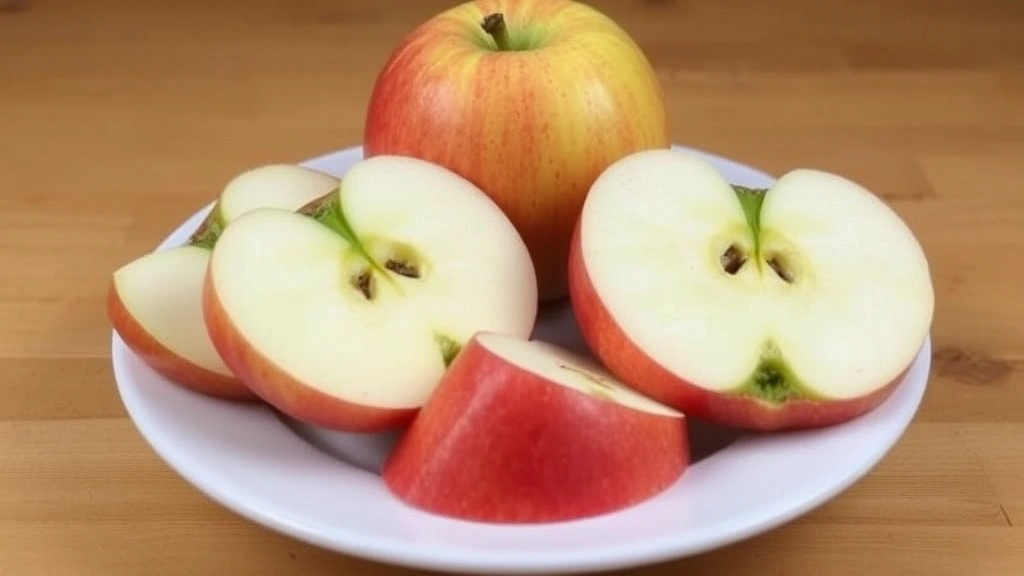
The easiest way to keep your dog safe from toxic human foods is prevention. Store dangerous foods securely where your pup can’t access them. Keep trash cans locked or in a cabinet. Educate family members and guests about what dogs can’t eat. When dining with your dog around, be mindful of dropped food. Consider offering your dog approved treats instead of human food—carrots, apples, and plain cooked chicken are much safer options. If your dog struggles with food allergies feeding routine issues, it’s even more important to keep their diet controlled and free from potentially toxic items.

Safe Alternatives to Share With Your Pup
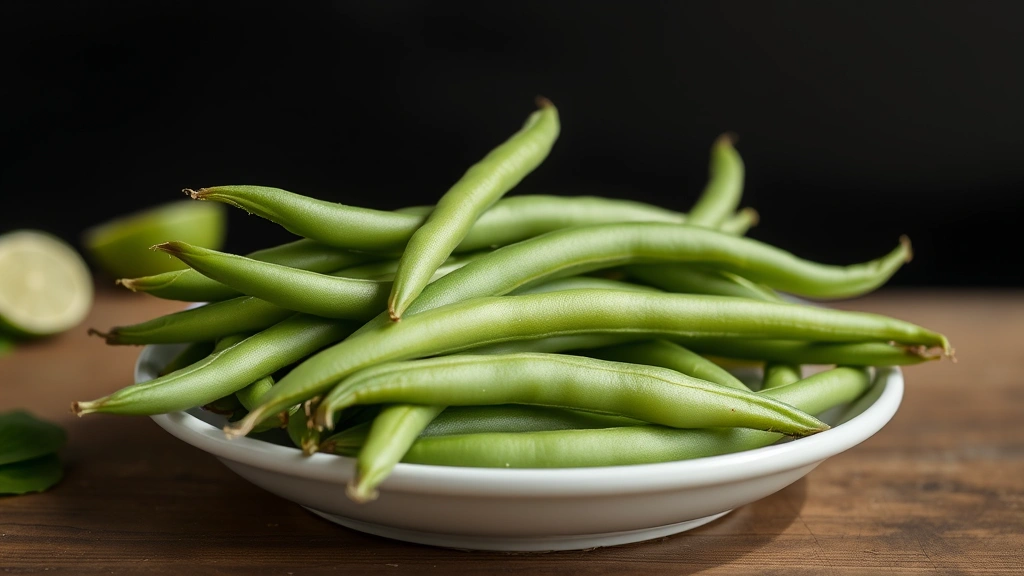
Just because your dog can’t eat most human foods doesn’t mean they can’t enjoy treats. Carrots, green beans, pumpkin, and sweet potato are all nutritious and safe. Plain cooked chicken and turkey (without seasoning or skin) are great protein options. Apples (without seeds), bananas, and watermelon are dog-friendly fruits. Peanut butter is safe as long as it doesn’t contain xylitol—check the label carefully. Plain yogurt and cottage cheese are fine in small amounts. These alternatives let you bond with your dog over snacks without putting their health at risk. For dogs with pet obesity prevention concerns, low-calorie options like carrots and green beans are especially good choices.
Understanding Your Dog’s Individual Risk Factors
Some dogs are at higher risk from toxic foods than others. Puppies and senior dogs have more sensitive systems. Small breeds can be poisoned by smaller amounts of toxins than large breeds. Dogs with existing health conditions like pancreatitis or kidney disease need extra protection. If your dog has a history of eating things they shouldn’t, extra vigilance is necessary. Certain breeds are more prone to food sensitivities. Understanding your individual dog’s risk factors helps you tailor your prevention strategy. If you’re unsure about your dog’s specific needs, consult with your vet about safe feeding practices and emergency protocols.
Frequently Asked Questions
Can dogs eat any human food safely?
Yes, some human foods are safe for dogs in moderation, including plain cooked chicken, carrots, green beans, apples (without seeds), and pumpkin. However, the safest approach is to stick to dog-formulated treats and meals designed for their nutritional needs. Always introduce new foods slowly and in small amounts.
What’s the most toxic food for dogs?
Xylitol (artificial sweetener) is arguably the most dangerous because even tiny amounts can cause severe liver damage and hypoglycemia. However, chocolate, grapes, raisins, and avocado are also extremely toxic. The severity depends on the amount consumed and your dog’s size.
How quickly do symptoms of food poisoning appear in dogs?
It varies by toxin. Some symptoms appear within 30 minutes (like with xylitol), while others take 12-24 hours (like with macadamia nuts). Grape and raisin poisoning can take several days to show effects, which is why early veterinary intervention is crucial.
Is it safe to give dogs table scraps occasionally?
Occasionally giving safe table scraps (like plain cooked chicken or vegetables) is generally okay, but it can encourage begging and lead to accidental exposure to toxic foods. It’s better to stick to designated dog treats to maintain control over what your dog eats and avoid pet obesity prevention issues.
What should I do if my dog ate chocolate?
Contact your vet or poison control immediately. They’ll ask about the type of chocolate, amount, and your dog’s weight to determine toxicity level. Don’t wait for symptoms to appear—early intervention can prevent serious complications.
Are there any dog breeds more susceptible to food toxins?
Small breeds are more vulnerable because the same amount of toxin represents a larger dose relative to their body weight. Dogs with liver or kidney disease are also at higher risk. Some breeds are prone to pancreatitis and should avoid fatty foods. Consult your vet about your specific breed’s vulnerabilities.
The Bottom Line: Keep Your Dog Safe
Knowing which toxic human foods for dogs to avoid is one of the most important responsibilities of pet ownership. Your dog depends on you to keep them safe, and that starts with understanding what they can and can’t eat. While it’s tempting to share your meals with your furry friend, the risks far outweigh the momentary joy of giving them a taste of your dinner. Stick to approved dog foods and treats, keep dangerous items locked away, educate your family about the risks, and always have your vet’s number and poison control on speed dial. Your pup will thank you with many more years of happy, healthy tail wags. When in doubt, check with your veterinarian or use pet first aid guidance resources to ensure you’re making the safest choices for your beloved companion.





