
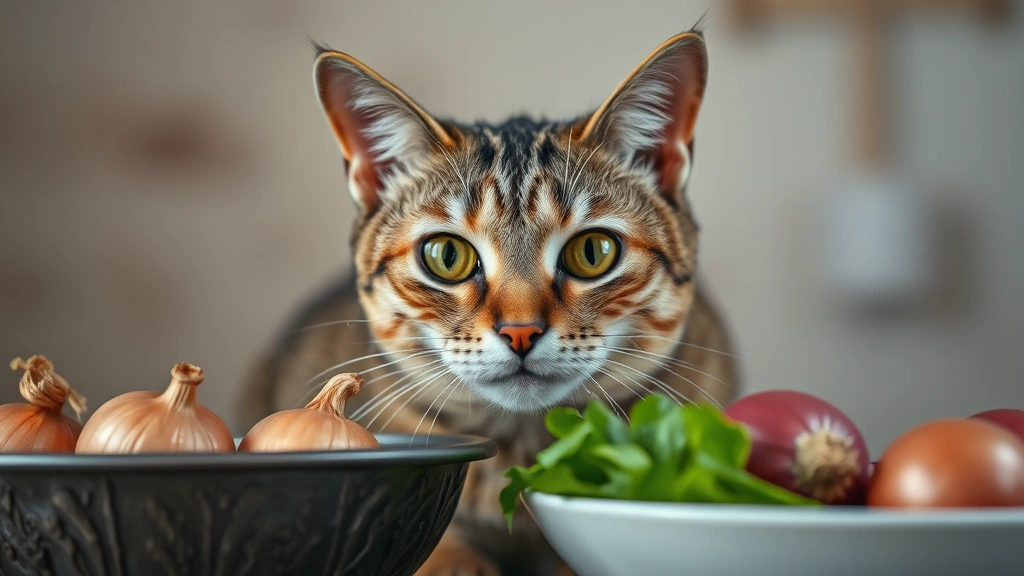
If you’re wondering whether toxic vegetables for cats are something you need to worry about, the answer is a resounding yes—and honestly, it’s more important than you might think. While cats are obligate carnivores and don’t need vegetables in their diet, many well-meaning pet parents try to sneak veggies into their feline’s meals thinking they’re being helpful. Here’s the thing: some vegetables can actually poison your cat, and knowing which ones to avoid could literally save your furry friend’s life.
Table of Contents
- Why Cats Don’t Need Vegetables (But We Keep Trying)
- The Most Dangerous Toxic Vegetables for Cats
- Vegetables That Cause Digestive Issues
- Understanding Feline Toxicity and Symptoms
- Safe Vegetables Your Cat Might Actually Tolerate
- Creating a Safe Feeding Environment
- What To Do If Your Cat Eats Something Toxic
- Nutritional Needs: What Cats Actually Require
- Common Questions Cat Parents Have About Vegetables
- Frequently Asked Questions
- Conclusion: Keeping Your Cat Safe From Toxic Vegetables
Why Cats Don’t Need Vegetables (But We Keep Trying)
Let’s get real for a second. Cats are carnivores. Unlike dogs, who are opportunistic omnivores and can benefit from a varied diet, cats have evolved to thrive on meat alone. Their digestive systems lack certain enzymes needed to break down plant matter efficiently. So when you’re standing in your kitchen thinking, “Maybe I’ll add some broccoli to Whiskers’ dinner,” your cat is probably judging you silently from across the room.
That said, some vegetables are harmless if your cat accidentally eats them, while others are genuinely dangerous. Understanding the difference between “meh, not interested” and “get to the emergency vet NOW” is crucial for any cat owner.
The Most Dangerous Toxic Vegetables for Cats
Some vegetables should never be anywhere near your cat’s food bowl. These are the heavy hitters—the ones that can cause serious harm:
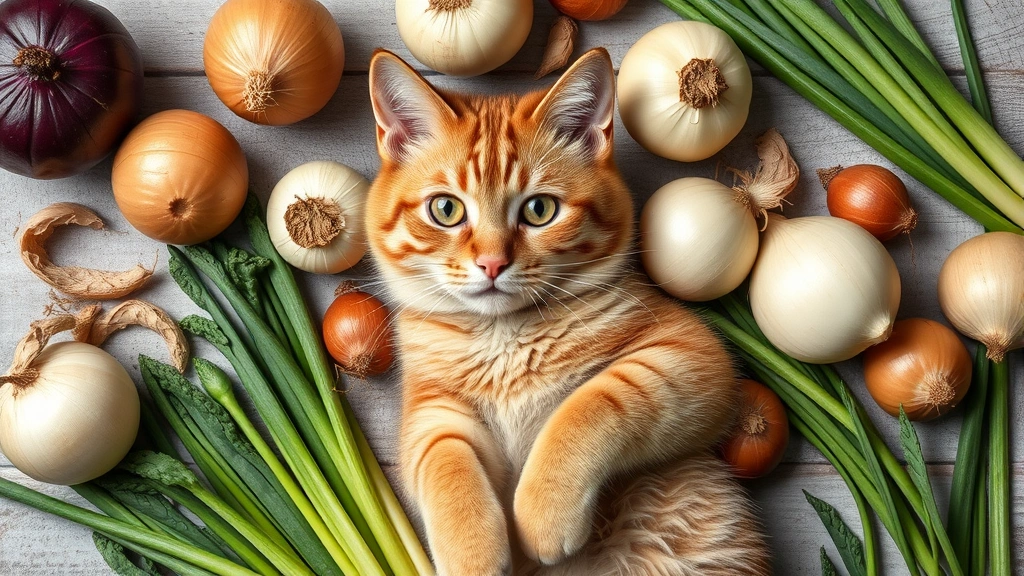
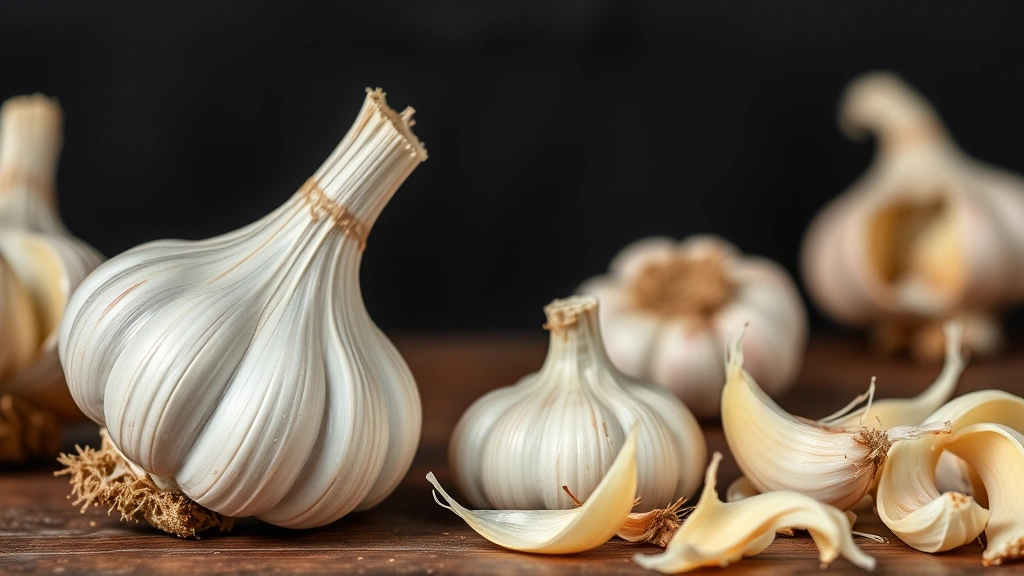
Onions and Garlic: These are the villains of the vegetable world when it comes to cats. Both contain compounds called thiosulfates that damage cats’ red blood cells, leading to hemolytic anemia. Even small amounts can be problematic, and cooked versions are just as dangerous as raw ones. A single clove of garlic or a small piece of onion might not kill your cat, but it’s not worth the risk.
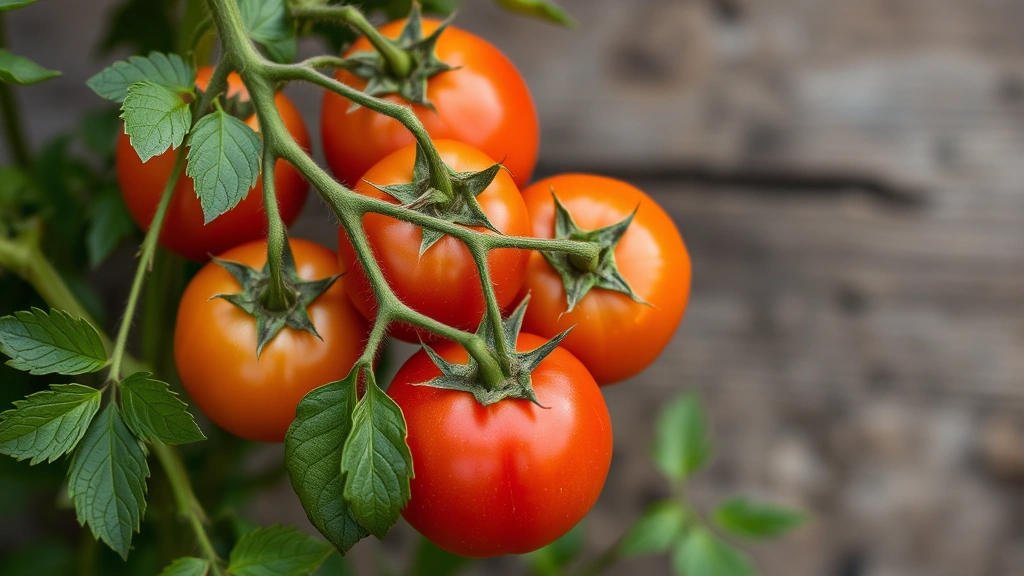
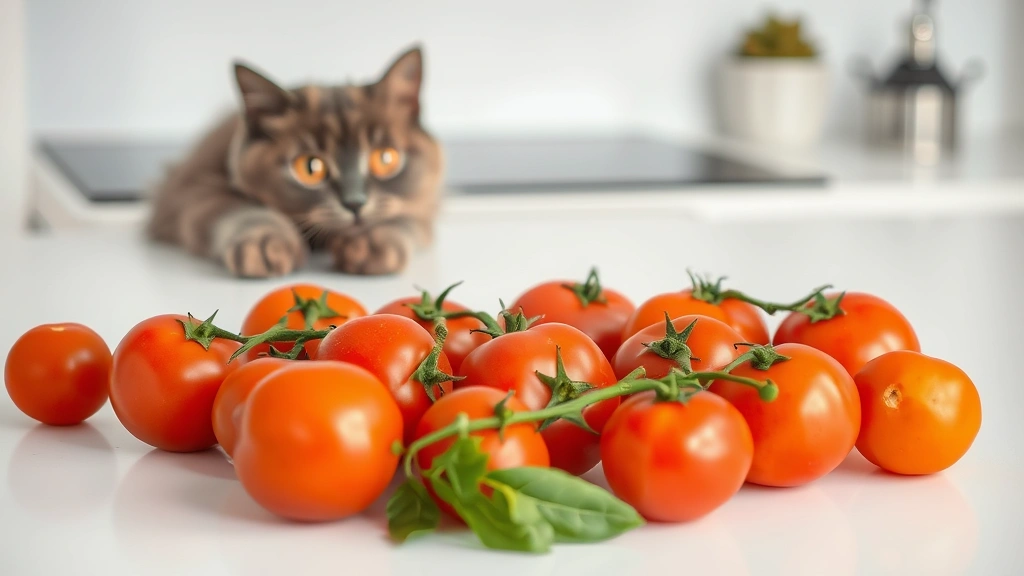
Tomatoes: While ripe tomatoes are relatively safe in small amounts, green or unripe tomatoes contain solanine, a toxic compound. The stems and leaves are even worse. If your cat munches on a ripe tomato slice, they’ll probably be fine, but unripe tomatoes should be kept completely out of reach.
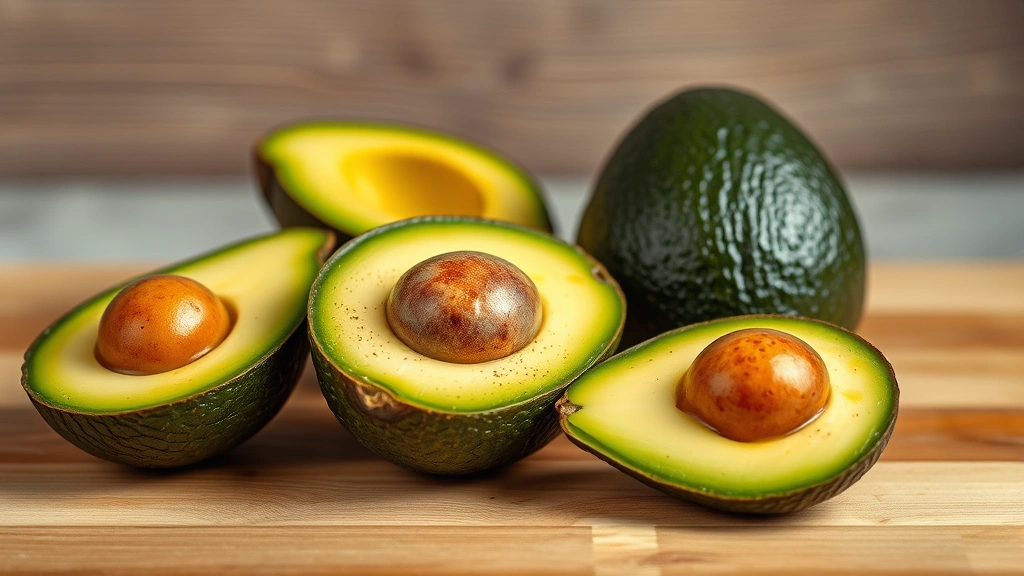
Avocado: This trendy superfood contains persin, a fungicidal toxin that can cause vomiting, diarrhea, and heart damage in cats. The pit and leaves are especially dangerous, but the flesh isn’t safe either. Keep your guacamole away from your kitty.
Grapes and Raisins: Technically fruits, not vegetables, but worth mentioning because they’re often in the same food storage areas. These can cause acute kidney failure in cats, and the scary part is we still don’t fully understand why. Some cats seem unaffected while others get seriously ill from just a few grapes.
Vegetables That Cause Digestive Issues
These vegetables won’t necessarily poison your cat, but they’ll definitely upset their stomach and make for some unpleasant bathroom situations:
Corn: While not toxic, corn is a common filler in low-quality cat foods and can cause digestive upset. It’s also a choking hazard if given whole. Your cat’s digestive system isn’t designed to process corn efficiently, so it often passes right through undigested.

Potatoes (Raw): Raw potatoes contain solanine, the same compound found in unripe tomatoes. Cooked potatoes are safer, but they offer zero nutritional benefit to your cat and shouldn’t be a regular part of their diet.
Cabbage: In large quantities, cabbage can interfere with thiamine (vitamin B1) absorption. While a tiny piece won’t hurt, regular cabbage consumption could lead to deficiency issues over time.
Understanding Feline Toxicity and Symptoms
When your cat ingests something toxic, symptoms don’t always appear immediately. Some toxins have delayed reactions, which makes it even more important to prevent exposure in the first place. Common signs of vegetable toxicity include vomiting, diarrhea, lethargy, loss of appetite, drooling, and in severe cases, difficulty breathing or collapse.

If you suspect your cat has eaten something toxic, don’t wait around to see if they get worse. Contact your veterinarian or an ASPCA poison control center immediately. Having your vet’s number handy and knowing about pet health consultation via video options can help you get quick advice even outside regular business hours.
Safe Vegetables Your Cat Might Actually Tolerate
If you’re absolutely determined to share your vegetables with your cat, here are the ones that won’t send you to the emergency vet:
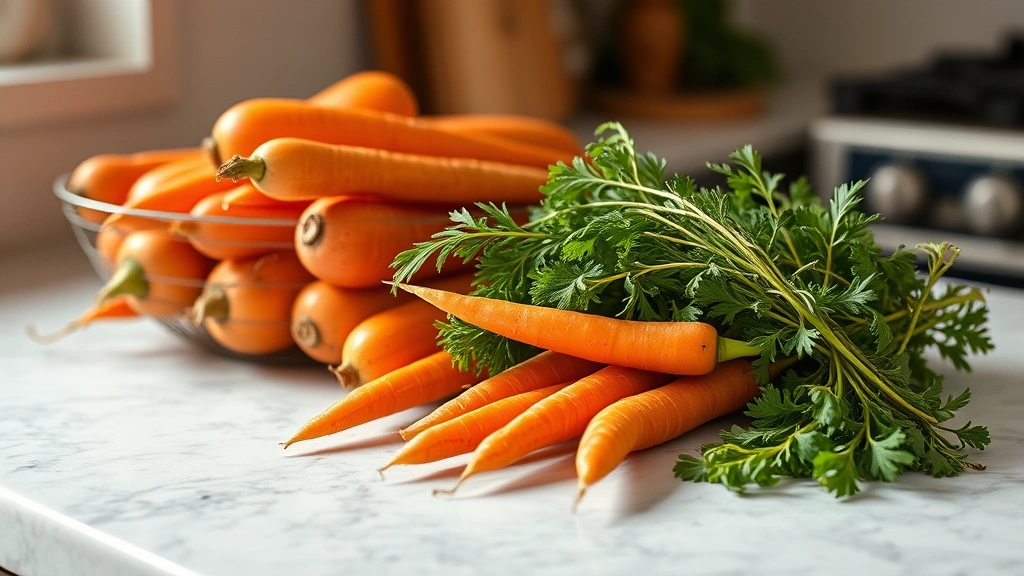
Cooked Carrots: These are safe and actually contain some beneficial nutrients. The crunchiness might even help with dental health, though your cat probably won’t care about that.
Steamed Pumpkin: This is actually beneficial for cats, especially those with digestive issues. It’s high in fiber and can help with both constipation and diarrhea. Many vets recommend it as a natural remedy.
Cucumber: Safe in small amounts and mostly water, so it won’t hurt your cat. Just don’t be surprised if they’re completely uninterested.
Green Beans: Plain, cooked green beans are safe and can be a low-calorie treat. Some cats enjoy them, though most would rather have actual meat.

Remember, even with safe vegetables, moderation is key. These should never make up more than 10% of your cat’s daily caloric intake, and ideally, they shouldn’t be a regular part of the diet at all.
Creating a Safe Feeding Environment
The best way to prevent your cat from eating toxic vegetables is to keep them completely out of reach. Store onions, garlic, tomatoes, and avocados in secure cabinets where curious cats can’t access them. If you’re following a cat feeding schedule, make sure you’re only offering approved foods during those designated times.
Keep your kitchen trash secure, as cats have been known to dig through garbage looking for interesting smells. A cat-proof trash can is a worthwhile investment if you regularly cook with potentially toxic vegetables.

If you’re preparing homemade pet food, consult with a veterinary nutritionist to ensure you’re not accidentally including harmful ingredients. What might be healthy for humans can be dangerous for cats, so professional guidance is essential.
What To Do If Your Cat Eats Something Toxic
Stay calm and act quickly. First, try to determine exactly what your cat ate and how much. If possible, check the packaging or look up the specific item online. Then, contact your veterinarian or poison control immediately with this information.
Don’t try to induce vomiting unless specifically instructed by a vet—some toxins cause more damage coming back up than going down. Transport your cat safely to the vet’s office, keeping them as calm as possible during the journey.
Having a plan in place before an emergency happens is crucial. Know where your nearest emergency vet clinic is located, and consider keeping pet first aid guidance materials readily available. Some toxins require immediate hospitalization and supportive care, which can be expensive, so having pet insurance or an emergency fund is wise.
Nutritional Needs: What Cats Actually Require
Rather than worrying about adding vegetables to your cat’s diet, focus on providing complete and balanced commercial cat food or properly formulated homemade diets. Cats need taurine (an amino acid they can’t synthesize themselves), arachidonic acid, and certain vitamins that are naturally found in meat.
If you’re concerned about your cat’s nutrition, consider adding pet multivitamins formulated specifically for cats rather than trying to supplement with vegetables. A high-quality multivitamin designed for felines will provide the nutrients your cat actually needs.
According to PetMD’s nutritional guidelines, cats should get their nutrition primarily from animal-based proteins, not plant matter. If your cat is eating well and maintaining a healthy weight on their current diet, there’s no need to add vegetables at all.
Common Questions Cat Parents Have About Vegetables
One question that comes up frequently is whether cats can eat corn. The answer is that while corn isn’t toxic, it’s not beneficial either. Many cheap cat foods use corn as a filler, and it can contribute to digestive issues and obesity in cats.
Another common concern is about cats eating houseplants. While we’re focusing on vegetables here, it’s worth noting that many common houseplants are toxic to cats, including lilies, philodendrons, and dieffenbachias. Keep these completely away from your feline friend.
Frequently Asked Questions
Can cats eat cooked vegetables?
Some cooked vegetables are safe for cats in small amounts, such as cooked carrots or pumpkin. However, cats don’t have nutritional requirements that vegetables fulfill, so they’re unnecessary. Always avoid cooked onions, garlic, and tomatoes.
What should I do if my cat eats a toxic vegetable?
Contact your veterinarian or poison control immediately. Provide information about what was eaten and approximately how much. Don’t wait for symptoms to appear—some toxins take time to cause damage, and early intervention can be lifesaving.
Are there any vegetables that are actually good for cats?
Pumpkin and cooked carrots are the safest options and can occasionally be offered as treats. Pumpkin especially can help with digestive health. However, these should never be a significant part of your cat’s diet.
Can I give my cat vegetable-based cat food?
Most commercial cat foods contain some plant matter, which is fine in appropriate proportions. However, look for foods where meat is the primary ingredient. Avoid vegetarian cat foods, as they don’t meet feline nutritional requirements.
How can I tell if my cat has been poisoned?
Watch for vomiting, diarrhea, lethargy, loss of appetite, excessive drooling, or difficulty breathing. Some toxins cause delayed symptoms, so monitor your cat closely for 24-48 hours after potential exposure. When in doubt, contact your vet.
Is my cat at risk if I grow vegetables in a home garden?
Yes, if you’re growing tomatoes, onions, garlic, or other toxic vegetables, keep your cat away from the garden. Curious cats might nibble on plants or get into the soil, so it’s best to create a cat-free zone around your vegetable garden.
Conclusion: Keeping Your Cat Safe From Toxic Vegetables
Understanding which vegetables are toxic to cats is an essential part of responsible pet ownership. While your feline friend is unlikely to be interested in munching on your salad, accidents happen, and knowing the difference between safe and dangerous vegetables could save their life.
The key takeaway is simple: keep toxic vegetables like onions, garlic, tomatoes, avocados, and grapes completely away from your cat. Stick to feeding high-quality cat food that meets their nutritional needs, and if you want to offer treats, choose cat-specific options or the few vegetables that are actually safe.
Your cat doesn’t need vegetables to thrive—they need meat-based nutrition, fresh water, regular exercise, and your love. By maintaining a vigilant kitchen and knowing what’s safe and what’s not, you’re already doing an excellent job keeping your feline friend healthy and happy.





