

TPLO surgery for dogs is one of those procedures that sounds way scarier than it actually is. If your vet just dropped the acronym TPLO on you and your heart sank, take a breath. We’re breaking down everything you need to know about this common orthopedic surgery, from what it actually does to how to help your furry friend bounce back like a champion.
Table of Contents
- What Exactly Is TPLO Surgery for Dogs?
- Why Does Your Dog Need TPLO Surgery?
- The Pre-Surgery Preparation Phase
- What Happens During TPLO Surgery?
- The Critical First Two Weeks Post-Surgery
- Pain Management and Medications
- Weeks 3-8: The Gradual Return to Normalcy
- Physical Therapy and Rehabilitation Exercises
- Common Complications and Warning Signs
- Long-Term Care and Prevention
- Cost Considerations and Financial Planning
- Alternative Treatment Options
- Real Talk: What Recovery Actually Looks Like
- Frequently Asked Questions
- Summary: Your TPLO Surgery Recovery Roadmap
What Exactly Is TPLO Surgery for Dogs?
Let’s start with the basics: TPLO stands for Tibial Plateau Leveling Osteotomy. Yeah, it’s a mouthful. Essentially, this tibial plateau leveling osteotomy surgery fixes a torn anterior cruciate ligament (ACL) in your dog’s knee. Think of it like this—your dog’s knee works differently than yours, and when that ACL tears, the tibia (shin bone) slides forward. TPLO surgery rotates the tibia to eliminate that sliding motion, allowing your pup’s knee to stabilize without relying on that torn ligament.
Vets perform this procedure most often on medium to large breed dogs, though any dog can blow out their ACL. It’s basically the gold standard for treating ACL injuries in dogs, and for good reason.
Why Does Your Dog Need TPLO Surgery?
ACL tears in dogs happen for various reasons. Sometimes it’s a sudden injury—your pup jumps wrong, lands awkwardly, and boom. Other times, it’s degenerative, meaning the ligament just wears out over time. Certain breeds are more prone to ACL injuries, and overweight dogs face higher risks. Age matters too; senior dogs don’t bounce back as quickly.
Signs your dog might need TPLO surgery include limping, reluctance to put weight on a hind leg, swelling around the knee, or that telltale clicking sound when they walk. If your vet suspects an ACL tear, they’ll likely recommend X-rays or an ultrasound to confirm.
The Pre-Surgery Preparation Phase
Before your dog goes under anesthesia, your vet will run bloodwork and a physical exam to make sure your pup is healthy enough for surgery. This is crucial—it’s not just checking if they’re alive, but if their organs can handle the procedure safely.
You’ll also need to discuss pain management with your vet. Some vets recommend starting pain medication before surgery, which can actually improve recovery outcomes. Your vet might also recommend pain relief options for dogs to discuss what’s appropriate for your specific pup.
Finally, schedule that surgery when you can be home to monitor recovery. You’ll be your dog’s primary caregiver for the next 8-12 weeks, so pick a time when you can actually be present.
What Happens During TPLO Surgery?
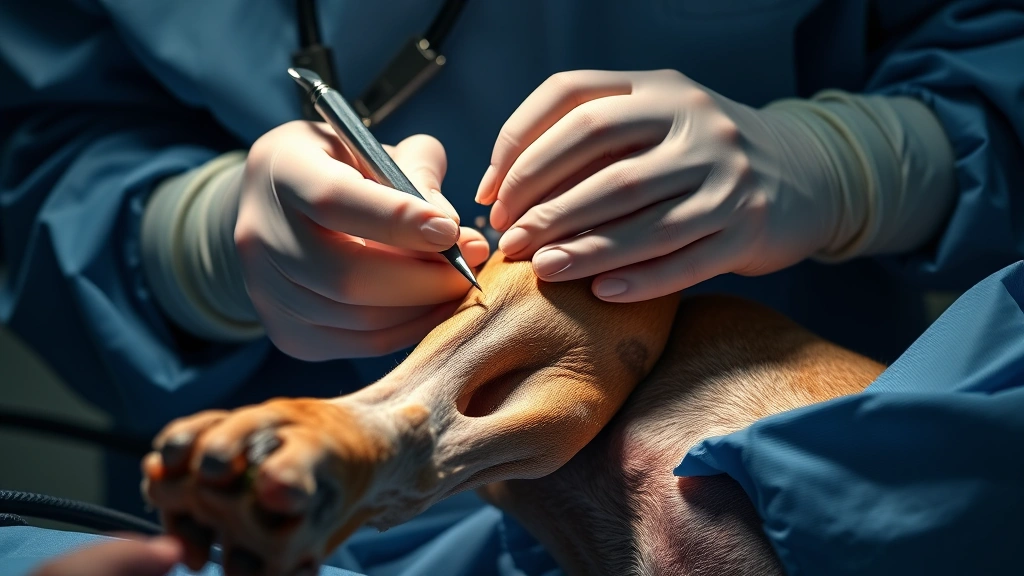
Your vet will anesthetize your dog and make an incision on the inside of the affected hind leg. They’ll then cut the tibia (shin bone) and rotate it to level the tibial plateau—the angle of the top of the tibia. Once it’s in the correct position, they’ll secure it with a special metal plate and screws. The incision gets closed up, and boom—surgery complete.
The whole procedure typically takes 45 minutes to an hour. Your vet will give you detailed post-operative instructions before you take your pup home. Read them carefully. Seriously. They’re not suggestions.
The Critical First Two Weeks Post-Surgery
The first 14 days after TPLO surgery are absolutely critical. This is when the incision is most vulnerable, and your dog’s natural instinct to play and run is their worst enemy. You need to enforce strict rest—and we mean strict.
Keep your dog confined to a small area like a bedroom or bathroom. No jumping on furniture, no running up stairs, no zoomies in the backyard. Think of it as temporary house arrest for their own good. Leash walks only, and keep them short—just long enough for bathroom breaks.
Watch the incision like a hawk. It should look clean and dry. If you notice redness, swelling, discharge, or if it opens up, call your vet immediately. Also monitor for signs of infection like fever or letharness. If your dog seems unusually depressed or won’t eat, that’s worth a vet call too.
Your vet will likely schedule a recheck appointment around 10-14 days post-op to assess the incision and potentially remove sutures. Don’t skip this appointment.
Pain Management and Medications
Your vet will send you home with pain medication—probably something like carprofen or tramadol. Give it exactly as prescribed. Don’t skip doses thinking your dog seems fine. Pain management isn’t just about comfort; it actually promotes better healing and helps your dog move more naturally during physical therapy.
Some dogs experience phantom limb pain or nerve pain after surgery. If your pup seems overly sensitive to touch around the surgical site or is excessively licking the incision, mention it to your vet. They might adjust medications or recommend anti-inflammatory treatments.
Many pet parents also find that proper wound care products help keep the incision area clean and infection-free during healing.
Weeks 3-8: The Gradual Return to Normalcy
After the initial two-week lockdown, your dog can slowly start doing more. This is where patience becomes your best friend. Gradually increase activity over 4-6 weeks. Start with slightly longer leash walks—maybe 10-15 minutes instead of 5. Monitor how your pup responds. Some limping is normal; excessive limping means you’re pushing too hard.
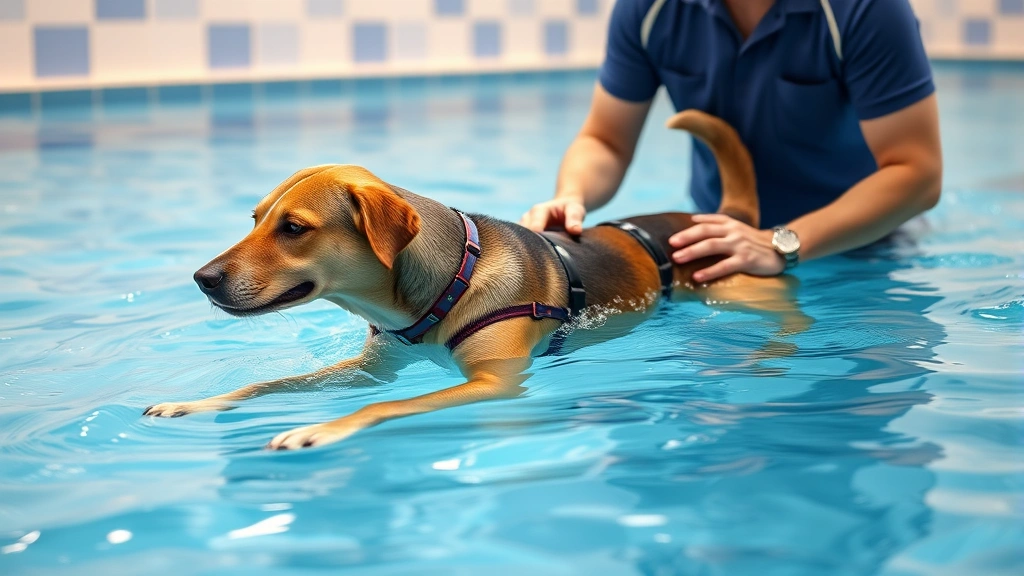
Swimming is fantastic for TPLO recovery if you have access to a pool or dog-friendly swimming facility. Water supports their weight while they exercise, making it perfect for building strength without impact. Many vets recommend hydrotherapy during this phase.
Continue pain medication as prescribed. Your vet might suggest reducing the dose as healing progresses, but don’t make that decision yourself.
Physical Therapy and Rehabilitation Exercises
Think of TPLO surgery as a starting point, not a finish line. Physical therapy is where the real magic happens. Your vet might refer you to a canine rehabilitation specialist who can create a customized exercise program.
Common exercises include controlled walking, cavaletti rails (low poles your dog walks over), balance board work, and underwater treadmill therapy. These exercises rebuild muscle around the knee and improve proprioception—your dog’s awareness of where their body is in space.
Consistency matters more than intensity. Doing 10 minutes of therapy five times a week beats one intense 30-minute session. Your dog’s muscles need time to adapt and strengthen gradually.
Common Complications and Warning Signs
Most TPLO surgeries go smoothly, but complications can happen. Watch for these red flags: excessive swelling that doesn’t improve after a few days, discharge from the incision, signs of infection, or your dog refusing to bear weight on the leg after the initial recovery period.
Some dogs develop arthritis in the knee over time, which is why post-operative care and weight management are so important. Keeping your dog at a healthy weight dramatically improves long-term outcomes. If your dog struggles with constipation during recovery due to reduced activity and pain medication, addressing constipation promptly helps prevent additional straining that could stress the surgical site.
In rare cases, the plate and screws loosen or the bone doesn’t heal properly. This is why follow-up X-rays at 6-8 weeks post-op are standard. Your vet needs to confirm the bone is healing correctly.
Long-Term Care and Prevention
After your dog completes recovery (typically 12 weeks), they should be back to normal activity. However, the surgery doesn’t prevent future injuries. Dogs that have blown out one ACL have a higher risk of tearing the other one.
Maintain a healthy weight—this is probably the single most important factor in preventing future ACL injuries. Keep your dog active but avoid high-impact activities like jumping and running on hard surfaces. Warm up before intense play, and cool down afterward, just like you would with your own exercise routine.
Regular check-ups with your vet help catch any early signs of arthritis or other joint problems. According to the American Kennel Club, maintaining joint health through proper nutrition, exercise, and weight management is crucial for dogs that have had orthopedic surgery.
Cost Considerations and Financial Planning
Let’s talk money. TPLO surgery typically costs between $2,000 and $4,500 per leg, depending on your location and your vet’s experience level. Board-certified veterinary surgeons might charge more, but their expertise often leads to better outcomes. Some pet insurance plans cover orthopedic surgery, so check your policy.
Factor in additional costs: pre-operative bloodwork, post-operative pain medication, potential physical therapy sessions, and follow-up X-rays. The total bill could reach $5,000-$6,000 for one leg. If both knees eventually need surgery (which happens in about 50% of dogs), you’re looking at significant investment. But most pet parents agree it’s worth every penny to see their dog pain-free and mobile again.
Alternative Treatment Options
TPLO surgery isn’t the only option for ACL tears. Some vets recommend conservative management—strict rest, pain medication, and physical therapy without surgery. This works for some dogs, particularly smaller breeds or less active dogs. However, most dogs with complete ACL tears eventually need surgery for optimal long-term outcomes.
Other surgical options exist, like extracapsular repair or TTA (Tibial Tuberosity Advancement), but TPLO remains the most commonly recommended procedure. Your vet can discuss which option makes sense for your specific dog based on size, age, activity level, and the severity of the injury.
According to PetMD, discussing all available options with your vet ensures you make the best decision for your pup’s unique situation.
Real Talk: What Recovery Actually Looks Like
Recovery from TPLO surgery is a marathon, not a sprint. Your dog will probably seem frustrated during the first few weeks of confinement—they won’t understand why they can’t play. Stay strong. Those restrictions exist for a reason.
Around week 4-6, you’ll start noticing real improvement. Your pup will put more weight on the leg, move more confidently, and their personality will return as pain decreases. This is when you might be tempted to let them do more than they should. Resist that urge. Patience now prevents setbacks later.
By 12 weeks, most dogs are essentially back to normal. They’ll chase balls, jump on couches, and act like the surgery never happened. That’s the goal, and it’s absolutely achievable with proper care.
Frequently Asked Questions
How long does TPLO surgery recovery take?
Full recovery typically takes 12-16 weeks. The first two weeks are critical for incision healing, weeks 3-8 involve gradually increasing activity, and weeks 9-16 focus on building strength and returning to normal function. Every dog heals at their own pace, so follow your vet’s specific timeline.
Can dogs live without TPLO surgery?
Some dogs can manage with conservative treatment, but most dogs with complete ACL tears develop significant arthritis and chronic pain without surgery. TPLO surgery offers the best long-term outcome for most dogs, particularly active or larger breeds.
What’s the success rate of TPLO surgery?
TPLO surgery has a success rate of 85-90%, with most dogs returning to normal function. The remaining percentage experience complications like implant loosening or arthritis development, but even these dogs typically improve significantly compared to untreated ACL tears.
Will my dog need surgery on the other leg?
Approximately 50% of dogs that have TPLO surgery on one leg eventually need the same procedure on the other leg. This doesn’t always happen immediately—it could be months or years later. Maintaining weight and activity levels helps prevent the second ACL tear.
Can I do physical therapy at home?
Yes! While professional rehabilitation is beneficial, you can do many exercises at home under your vet’s guidance. Walking on varied terrain, swimming, and cavaletti exercises are all effective home-based therapies. Your vet or a rehabilitation specialist can teach you proper techniques.
When can my dog go back to normal activity?
Most dogs can resume normal activity by 12-16 weeks post-op. However, “normal” should still be monitored—avoid excessive jumping and high-impact activities for at least 6 months. Some vets recommend a full year before returning to competitive activities like agility.
Is TPLO surgery painful?
The surgery itself isn’t painful because your dog is anesthetized. Post-operative pain is managed with medication. Some discomfort is normal during recovery, but properly prescribed pain medication should keep your pup comfortable. Contact your vet if your dog seems to be in significant pain.
Can you feel the metal plate after TPLO surgery?
Yes, many dog owners can feel the metal plate and screws under the skin on the inside of the hind leg. This is completely normal and doesn’t cause problems. The plate typically stays in place permanently unless complications develop.
Summary: Your TPLO Surgery Recovery Roadmap
TPLO surgery for dogs is a proven, effective treatment for ACL tears that gives your pup the best chance at a pain-free, mobile future. The surgery itself is straightforward, but recovery requires dedication and patience from you as a pet parent.
Remember: strict rest in weeks 1-2, gradual activity increase in weeks 3-8, consistent physical therapy throughout recovery, and long-term weight management and activity modification. Your vet is your partner throughout this process—don’t hesitate to ask questions or report concerns.
Most importantly, know that the frustration, expense, and effort are absolutely worth it. Watching your dog run, play, and enjoy life without pain and limping makes every bit of recovery effort fade away. You’ve got this, and so does your pup. For additional guidance on post-operative care, consult resources from veterinary schools and the Veterinary Information Network for evidence-based information.
If your dog experiences unusual symptoms like persistent snoring or behavioral changes during recovery, monitor them closely—some changes in behavior might indicate pain or other issues worth discussing with your vet.





