
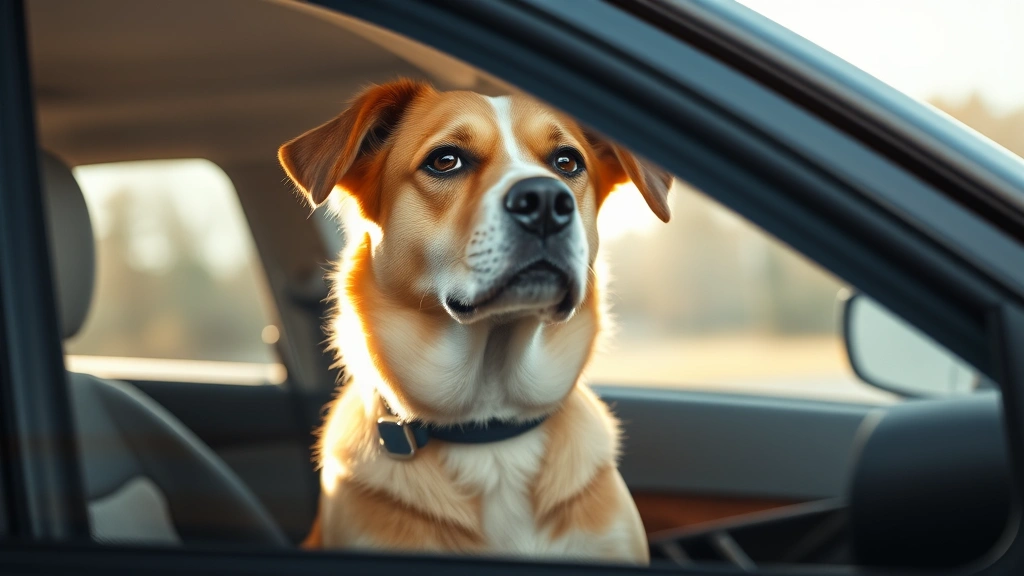
If you’ve ever watched your furry best friend lose their mind at the sight of a suitcase, you know that travel anxiety supplements aren’t just a luxury—they’re basically a lifesaver. Whether your pet is a nervous wreck in the car or transforms into a shaking, panting mess during flights, the good news is that you don’t have to white-knuckle it through every trip.
Travel anxiety in pets is real, it’s common, and it’s absolutely manageable with the right approach. Let’s dive into how supplements can help your anxious traveler become a more confident adventurer.
Understanding Pet Travel Anxiety: More Than Just Nerves
Before we talk solutions, let’s get real about what’s actually happening in your pet’s body during travel. When your dog or cat experiences travel stress, their nervous system goes into overdrive. The unfamiliar sounds, movements, and environments trigger a cascade of stress hormones that make them genuinely uncomfortable.
This isn’t your pet being dramatic (okay, maybe a little). It’s legitimate physiological anxiety. The good news? Travel anxiety supplements work with your pet’s natural biology to calm things down. They’re not sedatives—they’re support systems that help restore balance.
L-Theanine: The Zen Master Supplement
L-theanine is basically the meditation instructor of the supplement world. This amino acid increases serotonin and dopamine levels without making your pet drowsy. It’s the same stuff in green tea that makes humans feel calm and focused.

For travel, L-theanine is clutch because it promotes relaxation without the zombie effect. Your pet stays alert enough to enjoy the journey but calm enough not to redecorate your car interior with stress vomit. Many quality travel anxiety supplements include L-theanine as a primary ingredient because it works fast—usually within 30-60 minutes.
Magnesium: Nature’s Chill Pill
Magnesium is like a gentle hand on your pet’s shoulder, whispering, “It’s gonna be okay, buddy.” This mineral is essential for nervous system function and helps regulate stress responses. Low magnesium levels actually increase anxiety, so supplementing can be genuinely helpful.
The beauty of magnesium in travel anxiety supplements is that it supports muscle relaxation too. So if your pet gets tense and jittery during car rides, magnesium addresses both the mental and physical aspects of their anxiety. Look for chelated forms—they’re better absorbed.
Probiotics: The Gut-Brain Connection You Didn’t Know You Needed
Here’s something wild: about 90% of your pet’s serotonin is produced in their gut. That means a healthy microbiome directly impacts anxiety levels. This is where multi-strain probiotics for pets come into play.

Stress literally destroys beneficial gut bacteria, which then increases anxiety—it’s a vicious cycle. By maintaining a healthy gut flora with quality probiotics, you’re essentially building a stronger foundation for emotional resilience. Some pets with sensitive stomachs also experience travel anxiety, making sensitive stomach supplements doubly valuable during trips.
Consider liquid probiotics for pets for faster absorption before travel days, or incorporate them into your pet’s regular routine for long-term gut health benefits.
Adaptogens: The Stress-Response Rebalancers
Adaptogens like ashwagandha and rhodiola are plants that help your pet’s body adapt to stressful situations. They don’t mask anxiety—they help regulate your pet’s stress response system itself. Think of them as teaching your pet’s body how to handle pressure more efficiently.
The cool part about adaptogens in travel anxiety supplements is that they work best with regular use. So if you know you have trips planned, starting adaptogens a week or two beforehand gives them time to build up in your pet’s system. They’re not a quick fix, but they’re a smart long-term investment.
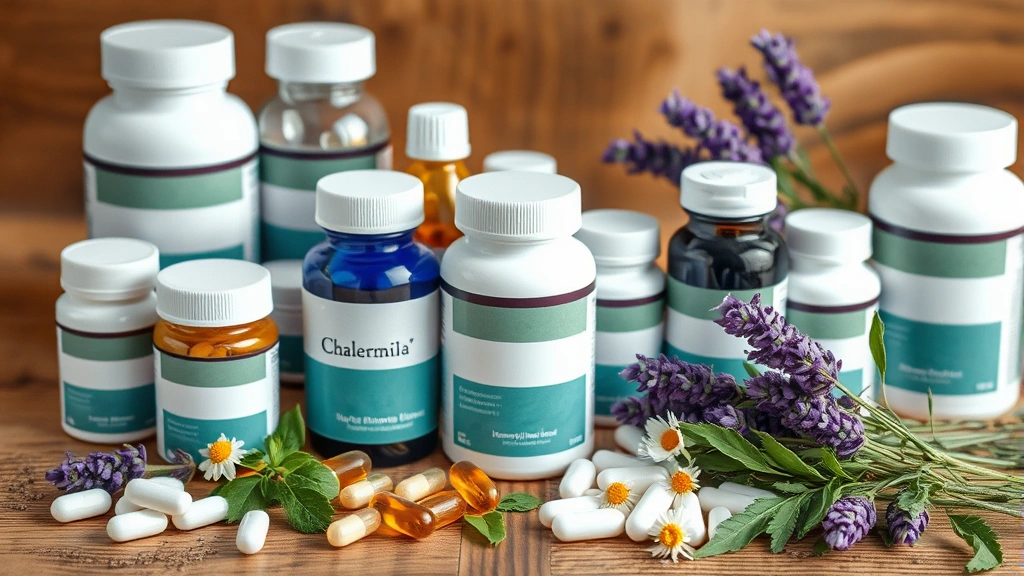
CBD: The Controversial But Promising Option
Let’s address the elephant in the room: CBD (cannabidiol) has exploded in the pet supplement market, and for good reason. Research suggests it interacts with serotonin receptors and can genuinely reduce anxiety without intoxicating effects.
The catch? Quality varies wildly. If you go the CBD route for travel anxiety supplements, you need third-party testing, clear dosing information, and veterinary guidance. Some vets are enthusiastic about it; others remain cautious. Either way, it’s worth discussing with your vet before a big trip.
Herbal Blends: When Multiple Ingredients Work Better Together
Many effective travel anxiety supplements combine multiple ingredients because they work synergistically. A blend might include valerian root, passionflower, chamomile, and L-theanine all working together to create a calm, focused state.
Herbal combinations are often gentler than single-ingredient supplements and address anxiety from multiple angles. Your pet gets nervous system support, muscle relaxation, and mood enhancement all at once. Just make sure the blend is specifically formulated for pets—human supplements often have ingredients that aren’t safe for animals.

Omega-3 Fatty Acids: The Brain Food Nobody Talks About
Omega-3s aren’t just for joint health. These fatty acids are crucial for brain function and have been shown to reduce anxiety in both humans and pets. They support neurotransmitter function and reduce inflammation in the nervous system.
Including omega-3 supplements in your pet’s routine—especially leading up to travel—gives their brain the nutritional support it needs to handle stress. Fish oil, krill oil, or algae-based options all work. Your anxious traveler’s brain will thank you.
Timing and Dosing: The Practical Stuff That Actually Matters
Here’s where most people mess up: they give supplements at random times and then wonder why they don’t work. Most travel anxiety supplements need to be given 30-60 minutes before travel to reach peak effectiveness.
Read the label carefully. Some supplements work best on an empty stomach; others need food. Some are daily maintenance supplements; others are acute anxiety support. Dosing varies wildly based on your pet’s weight and the specific product. When in doubt, ask your vet or the manufacturer’s customer service.
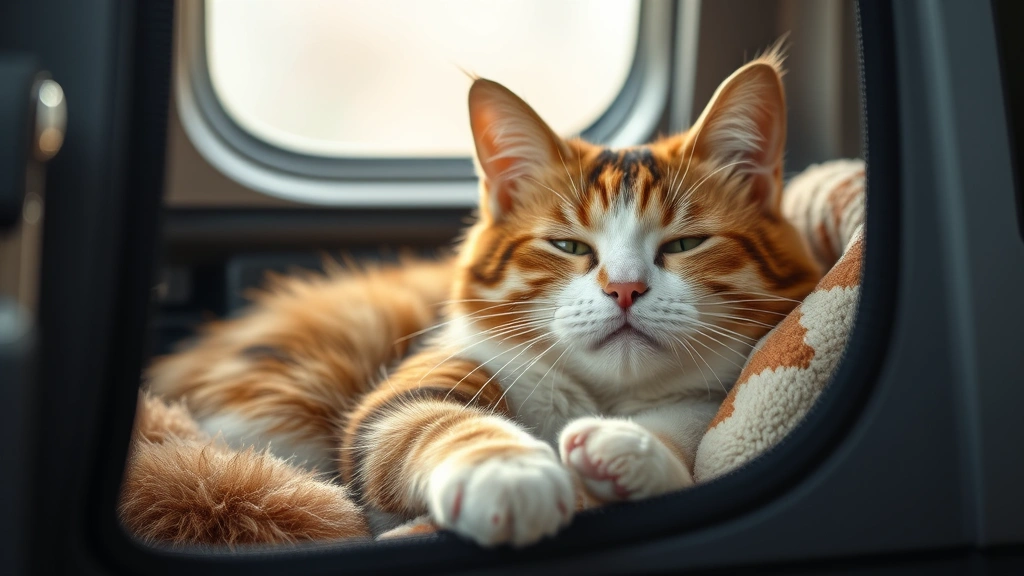
Combining Supplements With Other Anxiety Management Strategies
Here’s the truth: supplements are powerful, but they work best as part of a comprehensive approach. Pair travel anxiety supplements with desensitization training, calming music, proper ventilation in the car, and maybe a favorite toy or blanket.
Some pets benefit from a combination of supplements and anti-anxiety medications prescribed by their vet. Others do great with just supplements plus behavioral strategies. Every pet is different, so be willing to experiment and adjust your approach based on what actually works for your individual animal.
Choosing Quality Supplements: Don’t Get Scammed
The supplement industry is barely regulated, which means some products are amazing and some are basically expensive placebos. Look for brands that provide third-party testing results, clear ingredient lists, and transparent sourcing information.
Check if the company has a veterinarian on staff or consulted on product development. Read reviews from actual pet owners, not just marketing fluff. And remember: if something seems too cheap to be true, it probably is. Quality travel anxiety supplements cost money because quality ingredients cost money.

Frequently Asked Questions
How quickly do travel anxiety supplements work?
Most supplements take 30-60 minutes to reach peak effectiveness. Some, like L-theanine, work faster. Others, like adaptogens, work better with regular use over time. Always give supplements the recommended time before travel.
Are travel anxiety supplements safe for all pets?
Most are safe, but individual pets have different sensitivities. Always check with your vet before starting supplements, especially if your pet is on medications or has existing health conditions. Some ingredients can interact with pharmaceuticals.
Can I use human anxiety supplements for my pet?
Absolutely not. Many human supplements contain ingredients toxic to pets, and dosing is completely different. Always use products specifically formulated for animals.
What’s the difference between supplements and prescription anxiety medication?
Supplements support natural calming processes. Prescription medications directly alter brain chemistry. Supplements are often gentler with fewer side effects but may be less potent for severe anxiety. Many vets recommend trying supplements first, then medications if needed.

Do I need to give supplements year-round or just before travel?
It depends on the supplement and your pet. Probiotics and omega-3s are beneficial year-round. Acute anxiety supplements can be given as-needed before travel. Adaptogens work best with consistent use. Read the label and ask your vet.
Will my pet become dependent on anxiety supplements?
No. Supplements don’t create dependency like some medications can. Your pet won’t need increasing doses or experience withdrawal. They simply support your pet’s natural calming systems.
The Bottom Line: Your Anxious Traveler Doesn’t Have to Stay Anxious
Travel anxiety supplements represent a genuine breakthrough for pet owners dealing with stressed-out animals. Whether you choose L-theanine, probiotics, adaptogens, or a combination approach, the key is finding what works for your specific pet and sticking with it.
Start with your vet to rule out underlying health issues. Choose quality products from reputable brands. Give supplements adequate time to work. And remember that supplements work best alongside desensitization training and a calm, supportive travel environment.
Your pet’s anxiety is real, but it’s also manageable. With the right travel anxiety supplements and a thoughtful approach, even the most nervous traveler can learn to handle trips with grace. Now go plan that adventure—your pet’s got this.





