
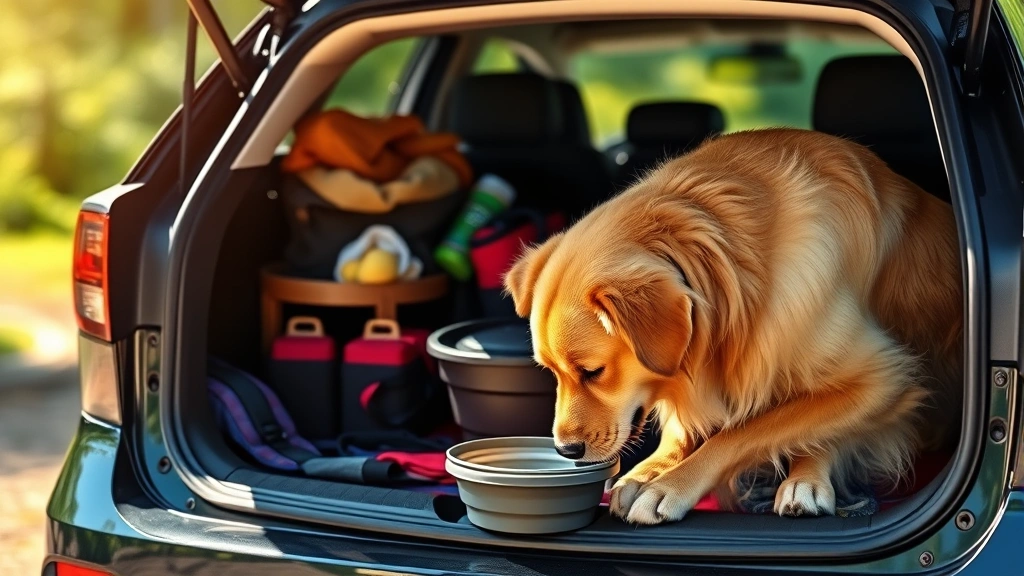
Let’s be real—travel feeding solutions for pets can make or break your vacation. You’ve packed your own snacks, downloaded seventeen podcasts, and mapped out every rest stop within a 50-mile radius. But what about your four-legged copilot? Feeding your pet while traveling doesn’t have to be a logistical nightmare worthy of a military operation. Whether you’re road-tripping across three states or hopping on a plane to visit grandma, we’ve got you covered with practical, portable options that’ll keep your pet’s tail wagging and belly satisfied.
Table of Contents
- Why Travel Feeding Matters More Than You Think
- Portable Dry Food Containers: The MVP of Travel Feeding
- Collapsible Bowls: Space-Saving Feeding Genius
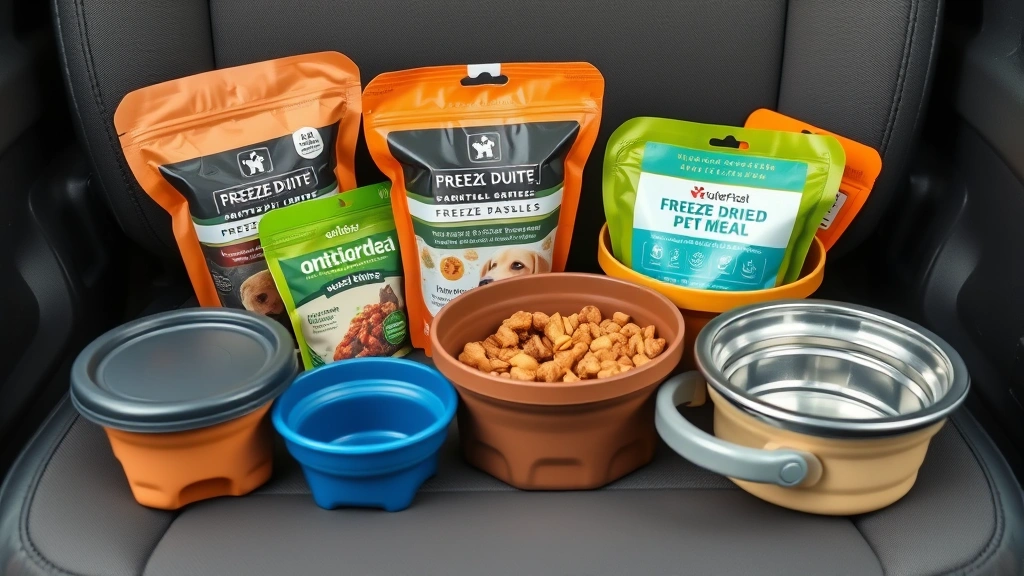
- Freeze-Dried Raw Food: Premium Portable Nutrition
- Wet Food Pouches: Convenience in Single Servings
- Portable Water Bowls and Hydration Systems
- Meal Prep Services and Frozen Travel Kits
- Portable Food Scales: Portion Control on the Move
- Slow Feeders and Travel-Friendly Feeding Accessories
- Automatic Pet Feeders: Tech-Powered Feeding
- Travel Feeding Tips and Best Practices
- When to Call the Vet During Travel
- Frequently Asked Questions
- Final Thoughts: Happy Pet, Happy Travel
Why Travel Feeding Matters More Than You Think
Your pet’s digestive system is basically a sensitive snowflake. Changes in routine, water quality, and stress can send their stomach into full revolt. When you’re traveling, maintaining consistent feeding schedules and familiar foods becomes your secret weapon against upset stomachs and anxious behaviors. Plus, let’s be honest—a hungry pet in a confined space is nobody’s idea of fun. Proper portable pet nutrition isn’t just about convenience; it’s about keeping your companion healthy, happy, and less likely to stage a mutiny at mile marker 47.
Portable Dry Food Containers: The MVP of Travel Feeding
Airtight dry food containers are your best friend when it comes to on-the-go pet nutrition. These stackable, durable containers keep kibble fresh, prevent spillage, and save you from the dreaded “mystery smell” that develops when pet food sits open in a hot car. Look for containers with secure locking mechanisms and measurement marks on the side—because eyeballing portions while driving is a recipe for disaster. Brands like OXO and Rubbermaid make containers specifically designed for pet food, and they’re worth every penny. Pair these with your pet supplement starter kits to ensure complete nutrition throughout your journey.
Collapsible Bowls: Space-Saving Feeding Genius
Remember when your pet’s food bowl took up half your suitcase? Collapsible bowls are the travel hack that actually works. These silicone wonders fold flat for packing and expand to full size when mealtime rolls around. They’re lightweight, dishwasher-safe, and come in fun colors that make feeding time feel like a celebration rather than a chore. Pro tip: Get one for water and one for food to avoid the “why does my kibble taste like H2O” situation. Some even come with attached carrying cases, which is basically the pet parent equivalent of having your life together.
Freeze-Dried Raw Food: Premium Portable Nutrition
If your pet is on a raw diet or you’re looking for a nutrient-dense option, freeze-dried raw food is your answer. These lightweight, shelf-stable meals rehydrate with water (which you’ll have access to basically everywhere) and provide the nutritional benefits of raw feeding without the cooler space requirements. Brands like Stella & Chewy’s and Primal offer complete meals that travel beautifully. Sure, they’re pricier than kibble, but your pet’s coat will look so good you’ll want to frame photos of them. Just remember to consult with your vet about pet supplement dosage guidance if you’re supplementing their diet.
Wet Food Pouches: Convenience in Single Servings
Wet food pouches are the ultimate grab-and-go option for pets who turn their nose up at dry kibble. Individual servings mean no waste, no refrigeration headaches, and no “is this still good?” guessing games. They’re perfect for picky eaters and provide extra hydration—crucial for pets who don’t drink enough water naturally. Pack a few in your travel bag, and you’ve got emergency meals sorted. Just watch out for the ones loaded with fillers and by-products; your pet deserves better than mystery meat surprise.
Portable Water Bowls and Hydration Systems
Dehydration is a real concern when traveling with pets, especially in warm weather or during air travel. Portable water bowls with built-in filters or collapsible designs ensure your pet stays hydrated without you having to search for a water fountain every five minutes. Some genius inventors even created bowls that attach to leashes, turning hydration into a hands-free operation. Your pet’s kidneys will thank you, and you’ll avoid the dreaded car-seat-accident scenario caused by dehydration stress.
Meal Prep Services and Frozen Travel Kits
Some pet food companies now offer frozen meal kits specifically designed for travel. These come pre-portioned, vacuum-sealed, and ready to thaw. They’re like meal prep for your pet—except you didn’t have to spend Sunday afternoon chopping vegetables. Brands like The Farmer’s Dog and Nom Nom offer these services, and while they require a bit of cooler space, they’re perfect for pets who need customized diets. Check out pet health monitoring resources to track how your pet responds to dietary changes while traveling.
Portable Food Scales: Portion Control on the Move
If your pet is on a weight management plan or you’re obsessive about portion control (no judgment—we all have our things), a small digital food scale is a game-changer. These pocket-sized scales weigh kibble accurately, preventing the “oops, I overfed” moments that lead to digestive disasters. Some even have apps to track your pet’s intake throughout the trip. It’s the kind of thing that seems unnecessary until you realize you’ve been feeding your dog 40% more than recommended because you were eyeballing it.
Slow Feeders and Travel-Friendly Feeding Accessories
Fast eaters and anxious pets benefit from slow feeder bowls, even while traveling. These textured bowls force your pet to eat more deliberately, reducing bloating and indigestion—both common issues in stressed, traveling animals. Pair them with travel anxiety supplements to create a comprehensive approach to your pet’s wellness. Look for versions that are lightweight and easy to pack. Your pet’s digestive system will run smoother than your road trip playlist.
Automatic Pet Feeders: Tech-Powered Feeding
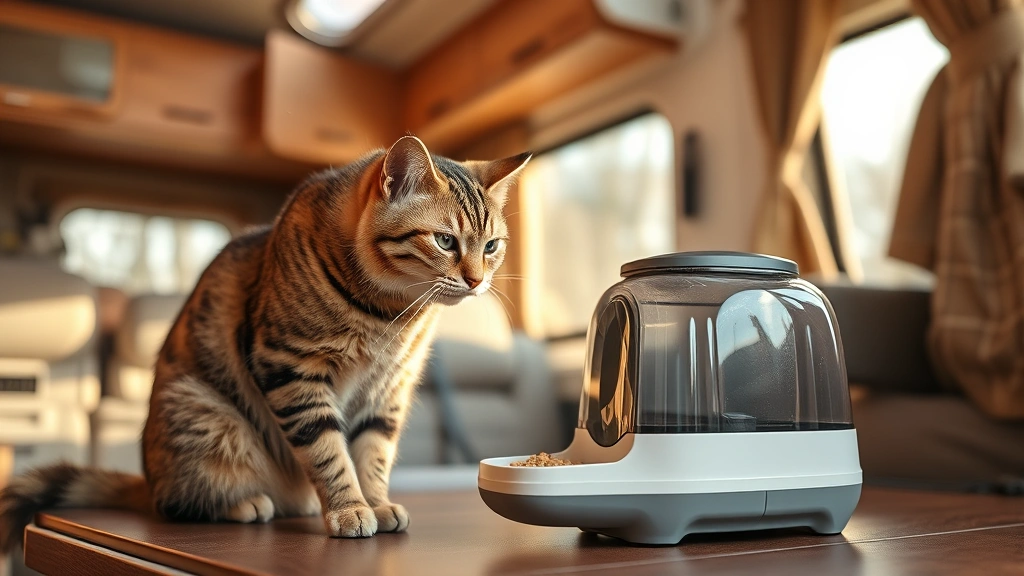
Battery-operated or USB-powered automatic feeders are perfect for longer trips where you need consistent feeding schedules. These devices dispense set portions at programmed times, maintaining your pet’s routine even when your schedule is chaos. Some models connect to your phone, letting you monitor feeding remotely—because paranoia about whether Fluffy ate is totally valid. They’re particularly useful for cats, who are basically tiny tyrants about meal timing.
Travel Feeding Tips and Best Practices
Before you hit the road, stick with familiar foods—this isn’t the time to introduce new brands or flavors unless you enjoy cleaning up digestive surprises. Pack extra food in case your trip extends unexpectedly. Keep feeding bowls separate from water bowls to prevent cross-contamination. Store food in cool, dry places away from direct sunlight. And for the love of all that’s holy, don’t feed your pet right before car rides—motion sickness in a confined space is nobody’s idea of a good time.
According to the Association of American Feed Control Officials (AAFCO), proper nutrition during travel should maintain your pet’s normal diet standards. The PetMD travel guide emphasizes maintaining feeding schedules to reduce travel-related stress. Additionally, Cornell University’s College of Veterinary Medicine recommends consulting with your vet before significant dietary changes during travel.
When to Call the Vet During Travel
If your pet refuses food, shows signs of digestive upset, or displays unusual behavior related to eating, don’t wait—contact a vet. Many areas have emergency veterinary clinics, and remote vet consultation options are increasingly available. Your pet’s health is worth a quick call or video chat, even if you’re in the middle of nowhere.
Frequently Asked Questions
How do I prevent my pet from getting upset stomach while traveling?
Stick with their regular food, maintain consistent feeding schedules, ensure adequate hydration, and consider calming supplements if your pet gets anxious. Gradual introduction to travel environments also helps—take short trips before your big adventure.
Can I change my pet’s food while traveling?
It’s best to avoid switching foods during travel since dietary changes combined with stress can cause digestive issues. If you must switch, do it gradually over 7-10 days before your trip.
What’s the best food for long car trips?
Dry kibble in airtight containers or freeze-dried raw food work best for car travel. Avoid wet food unless you have reliable cooler space. Feed your pet at least 2-3 hours before travel to reduce motion sickness risk.
How often should I feed my pet while traveling?
Maintain their normal feeding schedule as much as possible. If your pet is anxious, smaller, more frequent meals might help. Always provide fresh water regularly.
Are portable feeders worth the investment?
Absolutely. Automatic feeders maintain routine, collapsible bowls save space, and proper containers keep food fresh. They’re small investments that prevent big headaches.
Should I bring supplements for my pet while traveling?
Check with your vet about pet supplement storage requirements and whether supplements are needed during your trip. Some pets benefit from calming aids, probiotics, or joint support, especially during stressful travel.
Final Thoughts: Happy Pet, Happy Travel
Travel feeding solutions for pets don’t have to be complicated. Whether you’re a minimalist packer or someone who brings enough supplies for a small expedition, there’s an option for every travel style and pet personality. The key is planning ahead, sticking with familiar foods, and prioritizing hydration. Your pet depends on you to keep them comfortable and well-fed, and honestly, a happy pet makes for a much better travel companion than a cranky, hungry one. So pack those collapsible bowls, grab some freeze-dried meals, and hit the road knowing you’ve got this. Your adventure awaits—and so does your pet’s next meal.





