

If your furry friend has been acting like they just watched a sad dog food commercial on repeat, tryptophan supplements for dogs might be the mood-boosting solution you’ve been searching for. This amino acid is basically nature’s chill pill for anxious pups, and honestly, it’s pretty fascinating how it works.
What Is Tryptophan and Why Does Your Dog Need It?
Tryptophan is an essential amino acid that your dog’s body can’t produce on its own—they need to get it from food or supplements. Think of it as the building block for serotonin, that magical neurotransmitter responsible for happiness and relaxation. When your pup is deficient in tryptophan, they might exhibit anxiety, aggression, or that general “I’m not having it” attitude that makes training feel impossible.
The cool part? Unlike prescription anxiety medications, tryptophan works naturally with your dog’s body chemistry. It’s like giving your dog permission to chill out without the side effects of pharmaceuticals.
How L-Tryptophan Affects Canine Behavior and Anxiety
Here’s the science-y stuff made simple: when tryptophan reaches your dog’s brain, it converts to 5-HTP, which then becomes serotonin. More serotonin equals a happier, less anxious dog. Studies have shown that dogs receiving L-tryptophan supplementation show measurable reductions in stress-related behaviors like excessive barking, destructive chewing, and that lovely habit of eating their own poop (yes, that’s anxiety-related too).
Dogs with separation anxiety, noise phobias, or general nervousness often see significant improvements within 2-4 weeks of consistent supplementation. It’s not a miracle cure, but it’s pretty darn close.
The Connection Between Tryptophan and Serotonin Production
Your dog’s gut is basically a serotonin factory, and tryptophan is the raw material. About 90% of your dog’s serotonin is actually produced in their digestive system, which is why multi-strain probiotics for pets work so well alongside tryptophan supplements. A healthy gut microbiome means better tryptophan conversion and absorption.
When you combine quality probiotics with tryptophan supplementation, you’re essentially optimizing your dog’s entire mood-regulation system. It’s like upgrading from a basic stereo to a surround-sound system.
Best Tryptophan Supplement Forms for Dogs
Not all tryptophan supplements for dogs are created equal. You’ve got options:
Powder Supplements: Easy to mix into food, though some dogs can taste the difference. These work great for dogs with sensitive stomachs since you control the dosage precisely.
Capsules: Perfect for pill-friendly pups. Just hide it in a treat and you’re golden.
Liquid Formulations: Similar to liquid probiotics for pets, these absorb quickly and are ideal for dogs with swallowing difficulties. The liquid format means faster bioavailability.
Chewable Tablets: Most dogs think these are treats. They’re convenient and taste-tested by actual canines.
Combination Formulas: Many products combine tryptophan with other calming ingredients like L-theanine, chamomile, or valerian root for enhanced effects.
Dosing Guidelines: Getting the Amount Right
The typical dosage for tryptophan supplements ranges from 5-10 mg per pound of body weight, given once or twice daily. A 50-pound Golden Retriever might need 250-500 mg daily, while a 10-pound Chihuahua would need 50-100 mg.
Here’s the thing: start low and go slow. Begin with the lower end of the dosage range and gradually increase over a week. You’re looking for that sweet spot where your dog is relaxed but not sedated. If your pup starts acting like they’ve had one too many margaritas, dial it back.
Always consult your veterinarian before starting any supplement regimen. Some dogs on certain medications shouldn’t use tryptophan, and your vet can give you personalized guidance based on your dog’s health history.
Combining Tryptophan with Other Calming Strategies
Supplements are awesome, but they work best as part of a comprehensive approach. Here’s what actually works:
Behavioral Training: Tryptophan gives your dog the mental clarity to learn. Use this window to work on desensitization and counterconditioning for anxiety triggers.
Exercise: A tired dog is a happy dog. Combine supplementation with daily walks, playtime, and mental stimulation.
Environmental Modifications: Use white noise for noise-sensitive dogs, create safe spaces, and maintain consistent routines.
Dietary Support: Ensure your dog’s regular food includes adequate tryptophan sources like chicken, turkey, and fish. Consider adding sensitive stomach supplements if digestive issues are interfering with nutrient absorption.
Real Results: What to Expect Timeline-Wise
Patience is key here. Tryptophan isn’t like a tranquilizer that works in 30 minutes. Here’s the realistic timeline:
Week 1-2: You might notice subtle changes—maybe slightly less reactivity or better sleep.
Week 2-4: Most noticeable improvements appear here. Reduced anxiety behaviors become obvious, and your dog seems more “present” and less stressed.
Week 4+: Full benefits typically manifest. Your dog’s baseline anxiety drops significantly, and they respond better to training and environmental changes.
Some dogs show dramatic improvements; others show modest changes. Genetics, severity of anxiety, and overall health all play roles. Don’t expect a complete personality overhaul, but expect meaningful improvement.
Safety Considerations and Potential Side Effects
Tryptophan is generally very safe for dogs, but let’s be real about potential issues:
Serotonin Syndrome: This rare condition occurs when serotonin levels get too high. Signs include restlessness, rapid heart rate, muscle rigidity, and dilated pupils. This usually only happens if you’re combining tryptophan with SSRIs (like fluoxetine) without veterinary supervision.
Mild Digestive Upset: Some dogs experience loose stools or mild nausea initially. This usually resolves within a few days.
Drowsiness: If your dog becomes overly sedated, you’ve probably exceeded the optimal dosage.
Drug Interactions: Tryptophan can interact with certain medications, particularly antidepressants and pain relievers. Always disclose supplement use to your veterinarian.
Dogs with liver or kidney disease, pregnant dogs, or those with a history of bloat should avoid tryptophan without explicit veterinary approval.
Choosing Quality Tryptophan Supplements for Your Dog
Not all supplements are created equal, and the pet supplement industry is unfortunately less regulated than pharmaceuticals. Here’s how to spot quality products:
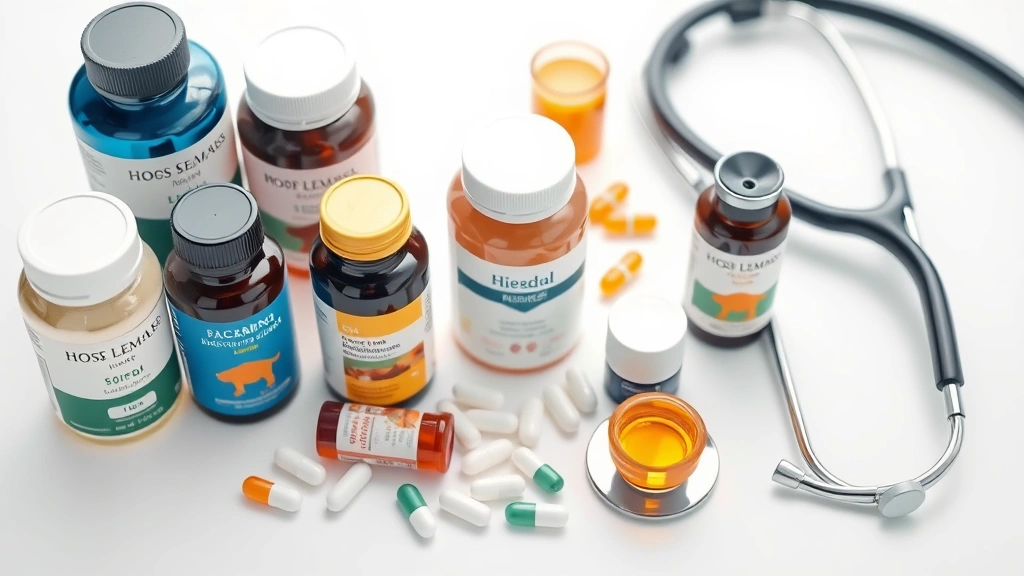
Look for Third-Party Testing: Reputable brands have their products tested by independent labs. Check for certifications from organizations like NSF or USP.
Check the Label: The ingredient list should clearly state L-tryptophan or L-tryptophan HCl. Avoid products with excessive fillers or artificial ingredients.
Read Reviews from Actual Pet Parents: Real customer experiences matter. Look for consistent feedback about effectiveness and any reported side effects.
Verify Manufacturing Standards: Products made in FDA-registered facilities with GMP (Good Manufacturing Practices) certification are safer bets.
Price Reality Check: Quality supplements cost money. If it’s suspiciously cheap, it probably is.
When to Call Your Vet: Red Flags to Watch
While tryptophan is safe, certain situations warrant immediate veterinary attention:
If your dog shows signs of serotonin syndrome, experiences severe vomiting or diarrhea, develops tremors or seizures, shows signs of liver or kidney problems, or their anxiety worsens instead of improves, contact your vet immediately.
Also, if your dog is on any medications, especially antidepressants, anxiety medications, or pain relievers, get veterinary clearance before starting tryptophan. Your vet might need to adjust dosages or monitor your pup more closely.
The Bottom Line: Is Tryptophan Right for Your Dog?
Tryptophan supplements for dogs are a legitimate, science-backed option for managing anxiety and improving mood. They’re not a magic solution, but they’re a solid tool in your anxiety-management toolkit. Combined with proper training, exercise, environmental management, and veterinary oversight, they can genuinely improve your dog’s quality of life.
The best part? They work with your dog’s natural biology instead of against it. Your anxious pup deserves to feel calm and confident, and tryptophan might be exactly what helps them get there.
Frequently Asked Questions
How long does it take for tryptophan supplements to work in dogs?
Most dogs show noticeable improvements within 2-4 weeks of consistent supplementation, though some may show subtle changes within the first week. Full benefits typically manifest after 4+ weeks of daily use.
Can I give my dog tryptophan if they’re already on anxiety medication?
Not without veterinary approval. Combining tryptophan with SSRIs or other serotonin-affecting medications can increase the risk of serotonin syndrome. Your vet might allow it with dosage adjustments and monitoring, but never combine without professional guidance.
Are there natural food sources of tryptophan for dogs?
Absolutely! Chicken, turkey, fish, eggs, and cheese all contain tryptophan. However, the amounts in regular food are often insufficient for therapeutic anxiety management, which is why supplements are helpful.
What’s the difference between L-tryptophan and 5-HTP supplements?
L-tryptophan is the amino acid your dog’s body converts to 5-HTP, which then becomes serotonin. 5-HTP is further along the conversion chain. Both work, but L-tryptophan is generally considered safer and more natural for dogs.
Will my dog become dependent on tryptophan supplements?
No, tryptophan doesn’t create physical dependence like some medications. However, if your dog’s anxiety is significantly reduced through supplementation, you might notice increased anxiety if you suddenly stop. Gradual tapering is recommended.
Can puppies take tryptophan supplements?
Generally, puppies don’t need tryptophan supplementation unless they have specific anxiety issues diagnosed by a vet. Their developing brains and bodies might respond differently, so always get veterinary approval before supplementing puppies.





