
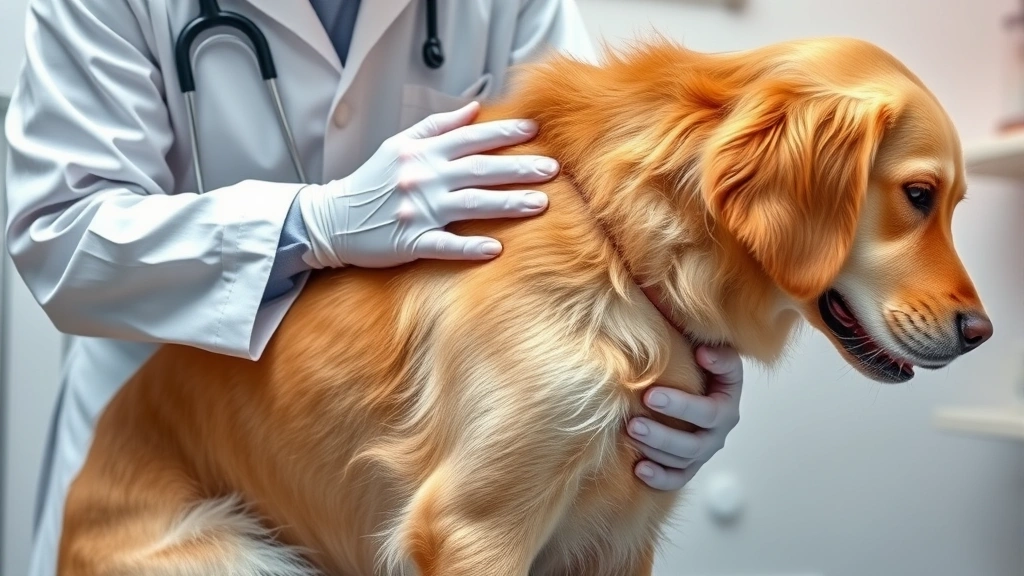
If you’re wondering whether your furry best friend might be dealing with tumor signs in dogs, you’re not alone—and honestly, it’s smart that you’re paying attention. Cancer in dogs is unfortunately common, affecting roughly one in three dogs over their lifetime. But here’s the good news: catching tumors early can make a massive difference in treatment outcomes and your pup’s quality of life. Let’s talk about what you actually need to watch for, because not every lump is a death sentence, and not every weird behavior means your dog’s got cancer.
Table of Contents
- Understanding Canine Tumors: The Basics First
- Lumps and Bumps: The Most Obvious Red Flag
- Weight Loss Without the Diet: A Sneaky Symptom
- Lethargy and Loss of Interest: When Your Energizer Bunny Stops
- Persistent Cough or Respiratory Issues: Listen Up
- Appetite Changes and Digestive Drama
- Difficulty Moving or Limping: Orthopedic Tumors
- Bleeding or Discharge: When Something’s Obviously Wrong
- Swelling or Facial Deformities: Visible Changes
- Behavioral Changes and Pain Signals
- Neurological Symptoms: Brain and Nervous System Tumors
- Abdominal Swelling or Distension: Internal Tumors
- Frequently Asked Questions
- Summary: What You Actually Need to Do
Understanding Canine Tumors: The Basics First
Before we dive into specific symptoms, let’s get real about what we’re dealing with. Tumors in dogs come in two flavors: benign (not cancer) and malignant (cancer). A lipoma is a perfect example of a benign tumor—basically a fatty lump that’s annoying but usually harmless. Malignant tumors, on the other hand, can spread and cause serious problems. The tricky part? You can’t tell the difference just by looking at a bump. That’s why your vet exists, folks.
The most common canine cancers include lymphoma, hemangiosarcoma, mast cell tumors, and osteosarcoma. Each behaves differently, affects different body systems, and requires different approaches. That’s why recognizing tumor signs in dogs early matters so much.
Lumps and Bumps: The Most Obvious Red Flag
This one’s pretty straightforward—if you’re petting your dog and suddenly feel a weird lump, that’s worth investigating. Not all lumps are tumors, and not all tumors are cancer, but any new growth should get a vet check-up. Run your hands over your dog regularly (it’s basically a free massage for them anyway). Pay special attention to the legs, chest, abdomen, and head.
The concerning characteristics include lumps that are growing quickly, feel hard or irregular, seem attached to deeper tissues, or are accompanied by skin changes like ulceration or hair loss. According to the American Kennel Club, any persistent lump lasting more than a few weeks warrants professional evaluation.
Weight Loss Without the Diet: A Sneaky Symptom
One of the most common tumor signs in dogs is unexplained weight loss. Your pup’s eating normally, maybe even seems hungry, but they’re dropping pounds like it’s their job. This happens because cancer is basically a parasite that steals nutrients and energy from your dog’s body. Tumors also produce substances that suppress appetite or increase metabolism.
If your senior dog suddenly loses 10% or more of their body weight over a few weeks, that’s a conversation starter with your vet. This is especially important if you haven’t changed their diet or exercise routine. Some dogs get pickier eaters as they age, sure, but unexplained weight loss is different from “my dog’s being a picky jerk.”
Lethargy and Loss of Interest: When Your Energizer Bunny Stops
Does your normally playful pup seem exhausted all the time? Like they’d rather nap than go for their beloved walks? Fatigue is one of those vague symptoms that could mean a lot of things, but it’s definitely worth noting. Cancer drains energy faster than a toddler on a sugar high drains a juice box.
You might notice your dog sleeping more, being less interested in toys, declining invitations to play, or struggling to keep up on walks. They might seem depressed or withdrawn. While some of this could just be aging, especially in senior dogs, a sudden change in energy levels is worth discussing with your veterinarian.
Persistent Cough or Respiratory Issues: Listen Up
A cough that won’t go away, especially in older dogs, can indicate lung tumors or tumors that are affecting the chest cavity. We’re not talking about the occasional “hack” after drinking water—we mean a persistent, recurring cough that lasts weeks.
Other respiratory red flags include difficulty breathing, wheezing, or unusual breathing patterns. Some dogs with lung cancer develop a dry cough that sounds almost like they’re trying to clear their throat. If your dog sounds like they’re trying to hack up a hairball but can’t, get it checked out. Respiratory issues can also stem from other conditions, but they all deserve professional attention.
Appetite Changes and Digestive Drama
Cancer can mess with your dog’s digestive system in multiple ways. Some dogs lose interest in food entirely, while others experience diarrhea or vomiting. Gastrointestinal tumors can cause chronic digestive issues, and tumors elsewhere in the body can affect appetite through various mechanisms.
Watch for persistent vomiting, diarrhea that doesn’t resolve with diet changes, constipation, or a sudden refusal of foods they normally love. If your dog’s being picky about their meals or having consistent digestive issues for more than a few days, that’s worth a vet visit. Sometimes it’s just a stomach bug, but sometimes it’s something that needs attention.

Difficulty Moving or Limping: Orthopedic Tumors
Bone tumors, particularly osteosarcoma, typically show up as lameness or limping in a leg. Your dog might favor one limb, have difficulty standing up, or show signs of pain when moving. They might struggle with stairs, jumping, or running, even though they seemed fine yesterday.
Swelling in the affected limb is another clue. These tumors grow in the bones and can be incredibly painful. Unlike arthritis, which develops gradually, bone tumor lameness often appears relatively suddenly. This is where joint supplements won’t cut it—you need actual diagnostics.
Bleeding or Discharge: When Something’s Obviously Wrong
Any unexplained bleeding, discharge, or oozing is a red flag that demands immediate attention. This could be blood in urine or stool, nasal discharge, or bleeding from the mouth or rectum. Some tumors are ulcerated and bleed, while others affect blood vessels or organs that control bleeding.
This is one of those symptoms where you shouldn’t wait for a convenient appointment. If your dog’s bleeding or has unusual discharge, call your vet and describe what you’re seeing. They might want to see your pup urgently, and honestly, it’s better to be safe.
Swelling or Facial Deformities: Visible Changes
Tumors around the face, jaw, or neck can cause visible swelling or deformities. Your dog’s face might look asymmetrical, or you might notice swelling around the eyes, nose, or jaw. Some dogs develop difficulty eating or chewing because of oral tumors.
Facial swelling can also indicate other conditions like infections or dental disease, but any persistent facial changes warrant professional evaluation. Take a photo and show your vet—sometimes what seems dramatic to you might be subtle, and documentation helps.
Behavioral Changes and Pain Signals
Dogs can’t tell us “hey, I’ve got a tumor and it hurts,” so they show us through behavior changes. Your dog might become irritable, aggressive, or anxious. They might whimper, yelp, or seem uncomfortable without an obvious reason. Some dogs become clingy or withdrawn.
Pain is actually one of the most important tumor signs in dogs that people miss because they chalk it up to personality changes or aging. If your normally chill dog is suddenly snappy, or your social butterfly is hiding in corners, consider pain as a possibility. Medications like Meloxidyl for dogs can help manage pain while you’re getting diagnostics done.
Neurological Symptoms: Brain and Nervous System Tumors
Brain tumors and tumors affecting the nervous system can cause some seriously weird symptoms. We’re talking seizures, disorientation, circling, head tilting, balance problems, or changes in behavior that seem almost neurological. Your dog might bump into things, seem confused, or have difficulty with basic coordination.
These symptoms can also indicate other serious conditions like stroke or infection, which is why they absolutely need professional evaluation. If your dog has a seizure, gets disoriented, or shows sudden neurological changes, don’t wait—contact your vet immediately or head to an emergency clinic.
Abdominal Swelling or Distension: Internal Tumors
Tumors inside the abdomen can cause visible swelling or distension. Your dog’s belly might look bloated or enlarged, especially if there’s fluid accumulation. This is particularly common with hemangiosarcoma and other internal tumors. You might also notice your dog seems uncomfortable, has difficulty lying down, or shows signs of abdominal pain.
Abdominal distension can indicate several serious conditions beyond tumors, including organ disease or fluid accumulation. This is definitely a “call your vet” symptom, and if your dog seems to be in acute distress, consider emergency care.

Frequently Asked Questions
What’s the difference between a benign tumor and cancer in dogs?
Benign tumors don’t spread to other parts of the body and typically grow slowly. They might not cause problems at all—lipomas are a classic example. Malignant tumors (cancer) can spread to other organs and tissues, grow more rapidly, and are generally more dangerous. The only way to know for sure is through veterinary diagnostics like biopsies or imaging.
How do vets diagnose tumors in dogs?
Vets use several tools: physical exams, blood work, imaging (X-rays, ultrasound, CT scans), and biopsies. A biopsy is the gold standard—it’s the only way to definitively diagnose cancer. Your vet might start with basic imaging and bloodwork, then recommend a biopsy if they’re concerned.
Can you feel a tumor when petting your dog?
Sometimes, yes. Surface tumors and lumps can often be felt, which is why regular petting and feeling your dog over is actually good preventive care. Internal tumors might not be detectable until they’re larger or causing symptoms. This is why you can’t rely on touch alone—you need professional evaluation.
What’s the prognosis if my dog has cancer?
It depends entirely on the type of cancer, the stage, your dog’s age and health, and how quickly you catch it. Some cancers respond well to treatment and dogs live for years. Others are more aggressive. Early detection genuinely improves outcomes, which is why watching for tumor signs in dogs matters so much.
Are certain dog breeds more prone to cancer?
Yes, some breeds have higher cancer rates. Large breeds tend to have higher cancer incidence overall. Specific breeds are predisposed to certain cancers—for example, Golden Retrievers have higher rates of hemangiosarcoma and lymphoma. Talk to your vet about breed-specific risks for your dog.
Summary: What You Actually Need to Do
Recognizing tumor signs in dogs early can literally save your dog’s life. The key is knowing your dog’s normal baseline—how much they usually eat, their energy level, how they look and feel. Any significant change warrants a vet visit.
You don’t need to panic about every lump or every time your dog seems tired. But you do need to take unexplained, persistent symptoms seriously. Call your vet, describe what you’re seeing, and let them determine if it’s urgent. They’d rather hear from you about nothing than miss something important.
Keep up with regular vet checkups, especially as your dog ages. Do regular physical exams at home—run your hands over your dog’s body, check their mouth, look at their eyes. Build a relationship with your vet so you’re comfortable calling with concerns.
Most importantly, remember that a cancer diagnosis isn’t automatically a death sentence. Modern veterinary oncology has made incredible advances. Treatment options exist, quality of life can be maintained, and many dogs live well after diagnosis. But it all starts with catching those early warning signs.
Your dog depends on you to be their advocate. You know them better than anyone. Trust your instincts, and don’t hesitate to get professional opinions. That’s what we’re here for.





