
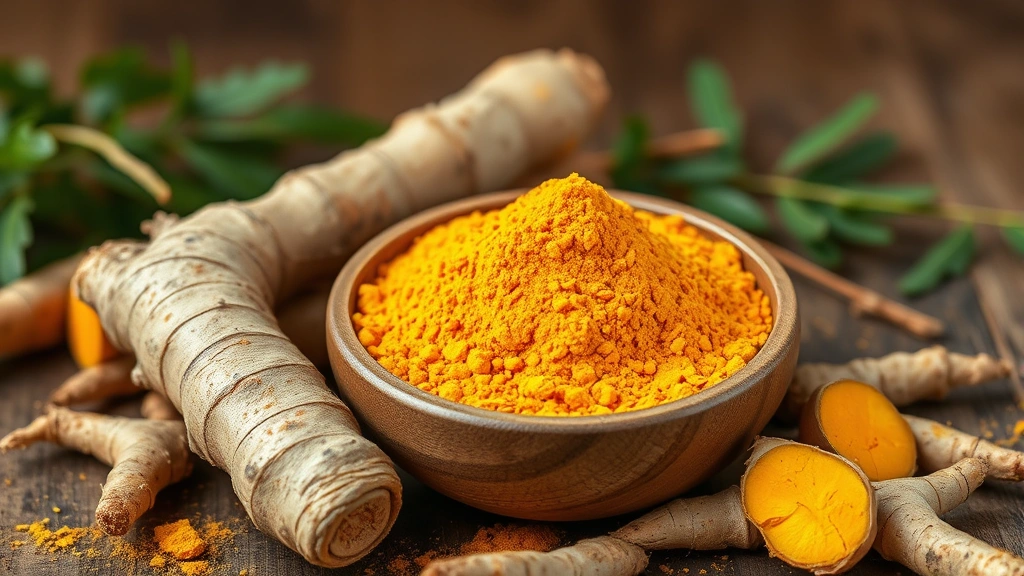
If you’re looking to give your furry friend a health upgrade without breaking the bank or resorting to questionable internet remedies, turmeric supplements for pets might just be your golden ticket—literally, since turmeric is, well, golden. This ancient spice has been used in human medicine for thousands of years, and pet parents are catching on to its impressive benefits. But before you start sprinkling turmeric on your dog’s kibble like it’s a trendy seasoning, let’s dive into what actually makes these supplements worth considering and how to use them safely.
What Exactly Is Turmeric and Why Should Your Pet Care?
Turmeric is a bright yellow-orange spice derived from the Curcuma longa plant, primarily grown in Southeast Asia. The magic ingredient here is curcumin, a compound with serious anti-inflammatory and antioxidant properties. Think of it as nature’s tiny superhero, fighting free radicals and inflammation in your pet’s body. Unlike some trendy supplements that make wild claims, turmeric for pets has actual scientific backing—though it’s not a miracle cure, it’s more like a really good supporting actor in your pet’s health story.
The reason vets and pet nutritionists are talking about turmeric is because chronic inflammation is basically the root of a ton of pet health issues. Arthritis, digestive problems, skin conditions—they all have inflammation playing a starring role. That’s where curcumin steps in to potentially help reduce that inflammatory response.
Benefit #1: Joint Support and Arthritis Relief
Let’s be honest—watching your senior dog struggle to climb the stairs is heartbreaking. This is where turmeric supplements for pets shine, especially for aging pups dealing with arthritis. Studies have shown that curcumin can help reduce joint inflammation and improve mobility in dogs with osteoarthritis. Your older companion might not suddenly start acting like a puppy again, but they could experience noticeably less stiffness and more comfortable movement.
The anti-inflammatory properties work by inhibiting inflammatory molecules in the body, essentially telling inflammation to take a chill pill. Combined with other joint-support strategies like appropriate exercise and weight management, turmeric can be a game-changer. Many pet owners report their dogs being more willing to play fetch or take walks after consistent turmeric supplementation.
Benefit #2: Digestive Health and Gut Support
Your pet’s gut is like the command center of their immune system, and keeping it healthy is no joke. Turmeric can help support digestive function by promoting healthy inflammation levels in the gastrointestinal tract. This is particularly helpful for pets with sensitive stomachs or mild digestive upset. If your cat or dog deals with occasional digestive issues, combining sensitive stomach supplements with turmeric might provide better overall support.
The spice also encourages bile production, which helps with fat digestion and nutrient absorption. Better digestion means your pet gets more nutritional value from their food, which is basically like getting a raise at work—everyone wins. For pets with compromised gut health, pairing turmeric with multi-strain probiotics for pets can create a synergistic effect that really supports digestive wellness.
Benefit #3: Skin and Coat Quality
Nobody wants a pet with dull, flaky, or irritated skin. Turmeric’s antioxidant and anti-inflammatory properties can help improve skin health from the inside out. If your pet struggles with occasional itching or skin irritation, turmeric might help reduce the underlying inflammation causing the problem. The improved blood circulation and reduced inflammatory response can lead to a shinier, healthier coat that actually looks like your pet’s been getting professional grooming (they haven’t, but hey, let them have this).
The antioxidants in turmeric also protect skin cells from oxidative damage, which is like applying sunscreen to your pet’s skin at the cellular level. Over time, consistent supplementation may result in noticeably improved coat quality and less scratching.
Benefit #4: Immune System Support and Overall Wellness
A strong immune system is your pet’s best defense against illness and disease. Curcumin supports immune function by enhancing the activity of immune cells and reducing excessive inflammatory responses. This balanced approach helps your pet’s body fight off potential threats without overreacting. It’s like having a well-trained security team instead of a paranoid guard who freaks out at everything.
When you combine turmeric supplementation with liquid probiotics for pets, you’re creating a comprehensive wellness strategy that supports both immune function and gut health, which are deeply interconnected.

How to Choose Quality Turmeric Supplements for Pets
Not all turmeric supplements are created equal, and this is where you need to channel your inner detective. Look for supplements that contain standardized curcumin extract, ideally with a bioavailability enhancer like black pepper (piperine), which significantly increases curcumin absorption. Your pet’s body can only use what it can actually absorb, so this matters.
Check for third-party testing certifications from organizations like the AAFCO or NSF. These certifications mean someone independent actually verified that the supplement contains what it claims and doesn’t have nasty contaminants. Read the ingredient list carefully—you want turmeric extract or curcumin, not just turmeric powder, which has much lower bioavailability.
Dosage matters too. Most veterinary recommendations range from 100-200mg per day for small dogs, 250-500mg for medium dogs, and up to 1000mg for large dogs, but always check with your vet first. They know your pet’s specific health situation and can recommend the appropriate dose.
Potential Side Effects and Safety Considerations
Here’s the real talk: turmeric is generally safe for pets, but it’s not completely without considerations. Some pets might experience mild digestive upset if you introduce it too quickly or give too high a dose. Always start low and go slow, gradually increasing the dose over a week or two.
Turmeric can have mild blood-thinning properties, so if your pet is on anticoagulant medications, you’ll definitely want to chat with your vet first. Pregnant or nursing pets should also get veterinary approval before starting turmeric supplementation. And if your pet has gallstones or bile duct issues, turmeric might not be the best choice since it stimulates bile production.
The bottom line: turmeric is pretty safe for most pets, but “safe for humans” doesn’t automatically mean “safe for your specific pet in their specific situation.” Your vet is your friend here.
The Best Forms of Turmeric for Different Pets
Turmeric supplements come in various forms, and what works best depends on your pet’s preferences and your lifestyle. Capsules are convenient and easy to dose, making them perfect for pets who’ll swallow pills without drama. Powders offer flexibility in dosing and can be mixed into food, though they taste pretty earthy—some pets are cool with it, others will judge you silently.
Liquid supplements are excellent for pets who struggle with pills, and they’re often formulated with enhanced absorption. Powder probiotics for cats can be combined with turmeric powder if you’re going the powder route. Some premium supplements combine turmeric with other beneficial ingredients like ginger, boswellia, or joint-supporting compounds for a more comprehensive approach.
Real Results: What Pet Owners Are Experiencing
Anecdotal evidence from pet owners is pretty compelling. Many report their senior dogs showing improved mobility within 2-4 weeks of consistent turmeric supplementation. Cat owners notice less stiffness and more playfulness in their aging felines. Pet parents dealing with digestive issues report fewer upset stomachs and more consistent digestion.
Of course, individual results vary—some pets respond better than others, and results aren’t always dramatic. But when combined with other healthy lifestyle choices like appropriate exercise, good nutrition, and weight management, many pet owners see meaningful improvements in their pet’s quality of life.

Combining Turmeric with Other Supplements for Maximum Benefits
Turmeric plays well with others. Pairing it with omega-3 fatty acids enhances anti-inflammatory effects. Adding glucosamine and chondroitin for joint support creates a comprehensive approach to arthritis management. Probiotics complement turmeric’s digestive benefits beautifully, creating a gut-health powerhouse.
The key is not to go crazy and supplement everything under the sun. Start with turmeric and maybe one complementary supplement, see how your pet responds over 4-6 weeks, then adjust as needed. Your vet can help you create a supplement strategy that makes sense for your specific pet.
Frequently Asked Questions
Is turmeric safe for cats?
Yes, turmeric is generally safe for cats in appropriate doses. Cats are more sensitive to certain compounds than dogs, so always use cat-specific formulations and start with lower doses. Most vets recommend 50-100mg per day for cats, but get your vet’s approval first since cats have unique liver metabolism.
How long does it take to see results from turmeric supplements?
Most pet owners notice improvements within 2-4 weeks of consistent daily supplementation, though some pets take longer. Joint support typically shows results faster than skin or digestive benefits. Consistency is key—sporadic use won’t cut it.
Can I give my pet turmeric powder from my kitchen?
While culinary turmeric is safe in small amounts, it’s not ideal for therapeutic purposes. Kitchen turmeric has low bioavailability and inconsistent curcumin content. Pet-specific supplements are formulated for absorption and proper dosing, making them a much better choice.
Are there any drug interactions with turmeric?
Turmeric can interact with blood thinners, diabetes medications, and certain other drugs. Always inform your vet about any supplements your pet is taking, especially if they’re on prescription medications.
Can puppies take turmeric supplements?
Generally, healthy puppies don’t need turmeric supplementation. It’s most beneficial for aging pets or those with specific health concerns. If your puppy has joint issues or other health problems, ask your vet about age-appropriate supplementation.
The Bottom Line on Turmeric Supplements for Pets
Turmeric supplements for pets aren’t a magic bullet, but they’re a legitimate, science-backed option for supporting joint health, digestive function, skin quality, and immune system function. For aging pets dealing with arthritis or chronic inflammation, they can make a real difference in quality of life. The key is choosing quality supplements, starting with appropriate doses, and being patient—good things take time.
Work with your veterinarian to determine if turmeric is right for your specific pet, what dose makes sense, and how it fits into their overall health strategy. When used properly as part of a comprehensive wellness approach, turmeric can be a valuable tool in keeping your furry friend healthy, comfortable, and happy for years to come. Your pet deserves the best, and sometimes the best comes from ancient wisdom combined with modern science.





