
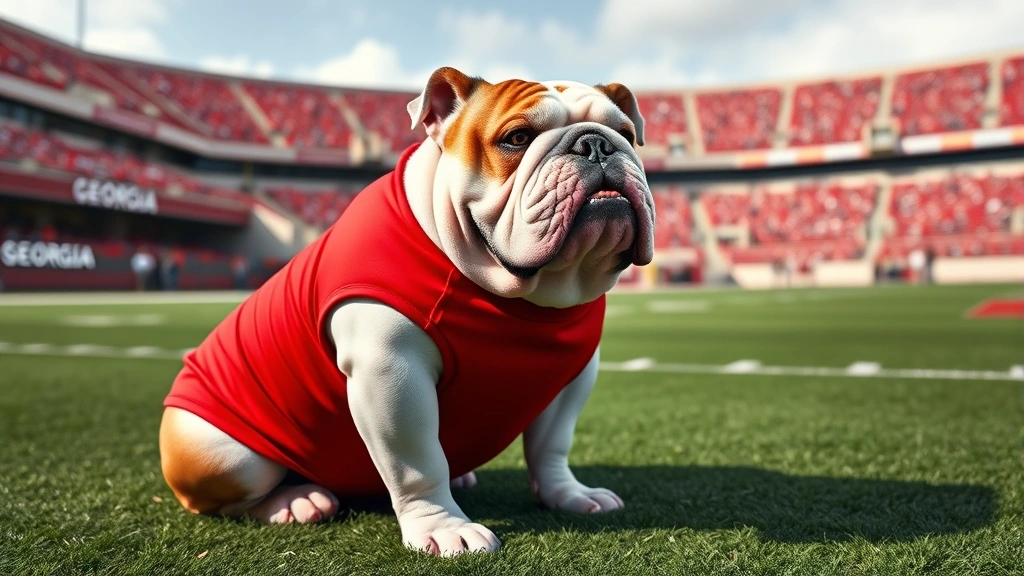
The UGA dog is far more than just a mascot—it’s a living legend that has barked its way into the hearts of Georgia Bulldogs fans for over seven decades. If you’ve ever wondered about the four-legged icon that struts down the sidelines of Sanford Stadium, you’re in for a treat. Let’s dig into everything you need to know about this iconic canine.
Table of Contents
- What Exactly Is a UGA Dog? The Basics
- The History of UGA: From First Bark to Present Day
- Meet the Current UGA: Uga X and Beyond
- English Bulldog Characteristics: Why This Breed Rules
- The Training and Care Behind the Scenes
- Game Day Traditions: UGA’s Role in Georgia Football
- UGA vs. Other College Mascots: What Sets Them Apart
- Health Considerations for English Bulldogs Like UGA
- The Fan Connection: Why Georgia Loves UGA
- Frequently Asked Questions
- The Legacy and Future of UGA
What Exactly Is a UGA Dog? The Basics
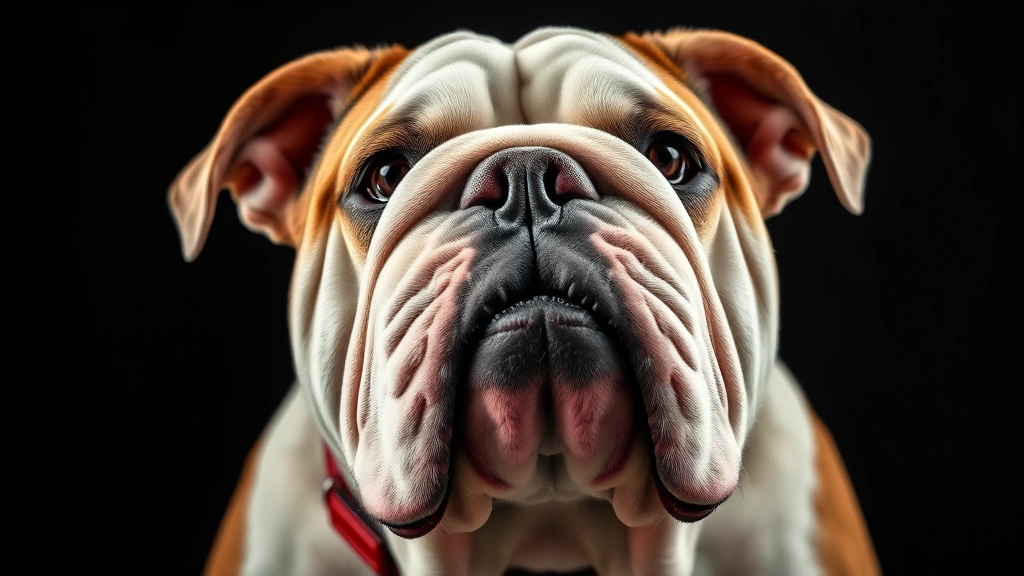
The UGA dog refers to the official mascot of the University of Georgia athletics program, specifically an English Bulldog that represents the school’s athletic teams. The current UGA is actually the 11th in a lineage of beloved bulldogs dating back to 1956. These aren’t your average pets—they’re carefully selected, professionally trained, and treated like royalty on campus. The breed itself is perfect for the role, with that distinctive wrinkled face and stocky build that screams toughness and determination.
English Bulldogs, like those serving as UGA, are known for their loyalty and bold personalities. They embody the fighting spirit of Georgia athletics, which is exactly why the university chose this breed decades ago.
The History of UGA: From First Bark to Present Day
The story of the UGA dog began in 1956 when a student named Sonny Seiler brought his English Bulldog to a Georgia football game. The crowd went wild, and thus, a tradition was born. That original pup, also named Uga, became the blueprint for what would become one of college sports’ most recognizable mascots. According to the American Kennel Club, English Bulldogs have been beloved companions for centuries, making them perfect ambassadors for the university.
Since that fateful day, there have been 11 UGAs total, each bringing their own personality to the role. The lineage is meticulously documented, and fans can trace the history of each bulldog’s tenure. Some served for just a few years, while others became legendary figures in their own right. The current UGA, Uga X, continues this proud tradition with enthusiasm and charm.
Meet the Current UGA: Uga X and Beyond
The current UGA dog, known as Uga X, took over the mascot duties and has been stealing hearts ever since. Like all UGAs, this bulldog is treated like a VIP on campus. They attend games, participate in public appearances, and have their own social media following. The commitment to the role is serious—the current handler ensures that Uga X is comfortable, well-fed, and properly cared for during all public appearances.
What makes the current UGA special is the same thing that made all the previous ones special: genuine love for the university and its fans. These aren’t dogs forced into uncomfortable situations. They’re beloved members of the Georgia family, and it shows in every appearance.
English Bulldog Characteristics: Why This Breed Rules
English Bulldogs, the breed chosen for UGA, possess specific traits that make them ideal mascots. They’re muscular, compact, and have that unmistakable determined expression. Unlike some lazy dog breeds that might struggle with public appearances, bulldogs are sturdy and adaptable. They’re also incredibly intelligent and respond well to training, which is essential for a mascot role.
These dogs are known for their loyalty and affection toward their handlers and families. They form strong bonds and are protective without being aggressive. Their calm demeanor makes them excellent for crowded stadium environments, though they do require proper conditioning and care in warm weather due to their brachycephalic (flat-faced) structure.
The Training and Care Behind the Scenes
People often wonder: how does a bulldog handle the chaos of a college football game? The answer is rigorous training and exceptional care. The UGA dog undergoes professional training to ensure they’re comfortable with crowds, noise, and the general excitement of game day. The handler—typically Sonny Seiler’s family member—has decades of experience managing these situations.
Care is paramount. The UGA dog has access to climate-controlled spaces, regular veterinary check-ups, and a diet fit for a champion. During games, handlers monitor the dog’s temperature, hydration, and stress levels. If conditions aren’t ideal, the UGA dog sits out—no exceptions. According to PetMD, bulldogs require special attention to health concerns, and Georgia takes this responsibility seriously.
Game Day Traditions: UGA’s Role in Georgia Football
Game day at Sanford Stadium isn’t complete without the UGA dog. The mascot typically appears before kickoff, often riding in a special golf cart or walking alongside the cheerleaders. The crowd erupts when they see their beloved bulldog, and it’s become one of the most anticipated moments of the pre-game festivities.
The UGA dog doesn’t just show up for the big games either. They make appearances at various university events, charity functions, and community gatherings throughout the year. This accessibility has helped build a deep connection between the mascot and the fan base. Kids grow up watching UGA, and it becomes a cherished part of their Georgia experience.
UGA vs. Other College Mascots: What Sets Them Apart
While many universities have mascots, the UGA dog stands out for several reasons. First, it’s a real, living animal with personality and history—not a person in a costume. Second, the lineage is unbroken and well-documented, creating a sense of continuity and tradition. Third, the care and respect given to the mascot is unparalleled. UGA isn’t treated as a prop; they’re treated as a valued member of the university community.
Compared to other live animal mascots, the UGA dog has the advantage of being a breed that naturally aligns with the university’s athletic identity. The bulldog’s toughness and determination mirror the values Georgia athletics represents.
Health Considerations for English Bulldogs Like UGA
English Bulldogs, while incredible companions and mascots, do have specific health needs that handlers must understand. Their flat faces make them prone to breathing difficulties, especially in heat. They can also suffer from joint issues and skin problems. Joint supplements for dogs are sometimes recommended for older bulldogs to maintain mobility and comfort.
The Georgia athletic department works closely with veterinarians to ensure the UGA dog receives preventative care. Regular check-ups, appropriate exercise, and climate control are all part of the protocol. This commitment to health ensures that the mascot can perform their duties comfortably and safely.
The Fan Connection: Why Georgia Loves UGA
There’s something magical about the relationship between Georgia fans and the UGA dog. Unlike mascots that appear only at games, UGA is woven into the fabric of the university’s identity. Generations of fans have grown up with these bulldogs, creating an emotional connection that transcends typical mascot fandom.
Social media has amplified this connection. Current and past UGAs have substantial followings, with fans eagerly awaiting photos and videos of their favorite mascot. The UGA dog has become a symbol of school pride and tradition, representing not just athletics but the entire Georgia community.
Frequently Asked Questions
How long does a UGA dog typically serve as mascot?
There’s no set term limit for the UGA dog. Some have served for several years, while others have had shorter tenures. The duration depends on the individual dog’s health, comfort level, and ability to perform the role. Once a UGA retires, they’re cared for by the handler and live out their days in comfort.
Can I meet the UGA dog in person?
Yes! The UGA dog makes regular public appearances at university events, charity functions, and sometimes at local businesses. Check the University of Georgia athletics website for scheduled appearances. However, remember that UGA is a working mascot and should be treated with respect during these encounters.
What happens to a UGA dog after retirement?
Retired UGA dogs are cared for by their handlers, typically living out their remaining years in comfort and relative privacy. They’ve earned their rest after years of service to the university. Some make occasional appearances, but their primary focus shifts to enjoying their golden years.
Is the UGA dog breed-specific?
Yes, the mascot must be an English Bulldog. This breed was chosen to represent Georgia athletics and has remained consistent throughout the mascot’s history. The breed’s characteristics—toughness, loyalty, and distinctive appearance—make it the perfect fit for the role.
How is the next UGA dog selected?
Selection is a careful process involving the handler and university officials. They look for puppies that show the right temperament, health profile, and potential to handle the demands of being a mascot. Not every English Bulldog has what it takes to be UGA.
The Legacy and Future of UGA
The UGA dog represents more than just a mascot—it’s a living link to Georgia’s athletic history. Each bulldog that has worn the title has added their own chapter to an incredible story spanning nearly seven decades. From the original Uga in 1956 to the current Uga X, these dogs have been ambassadors for the university and beloved figures in the lives of countless fans.
Looking forward, the tradition of the UGA dog will undoubtedly continue. The university is committed to maintaining the highest standards of care and respect for their mascot. As long as there’s Georgia football, there will be a bulldog on the sidelines, representing the pride, tradition, and spirit that defines the Bulldog nation.
Whether you’re a lifelong Georgia fan or just curious about college sports traditions, the UGA dog is worth celebrating. This remarkable mascot has earned their place in sports history through years of service, loyalty, and the simple act of being an incredible dog.





