

Let’s face it: urgent care telehealth for pets is basically the superhero cape your wallet and schedule desperately needed. Gone are the days of wrestling your anxious cat into a carrier at 2 AM or sitting in a vet’s waiting room for three hours because Fluffy ate something suspicious. With virtual pet emergency services, you can get professional veterinary advice from your couch in your pajamas—and honestly, that’s a game-changer for pet parents everywhere.
What Exactly Is Urgent Care Telehealth for Pets?
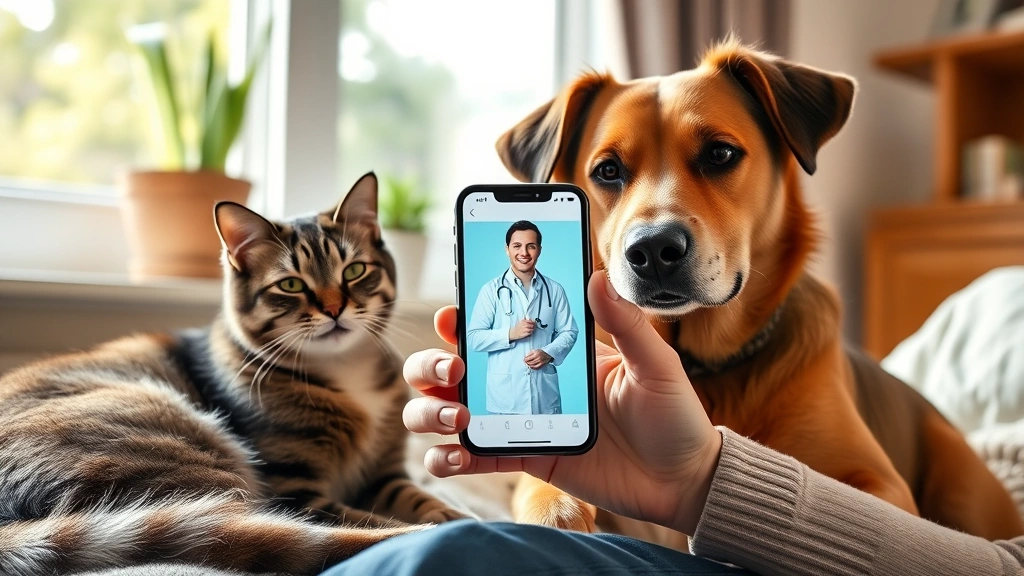
Think of it as FaceTime with a veterinarian, except way more useful and significantly less awkward. Urgent care telehealth for pets connects you with licensed veterinarians through video, phone, or chat consultations to address non-emergency health concerns. It’s the middle ground between a routine checkup and a full emergency room visit. Your dog has a weird rash? Your cat’s acting lethargic? Your rabbit’s nose is running? A telehealth vet can assess the situation, provide guidance, and determine whether your furry friend actually needs an in-person examination or if you can handle it at home.
Six Essential Ways Virtual Pet Emergency Services Save Your Time
1. No More Waiting Room Marathons
Remember the last time you scheduled a vet appointment and got told to arrive 15 minutes early? Then you sat there for 45 minutes because someone’s parrot decided to have a behavioral meltdown? With remote veterinary consultations, you book a time slot and connect instantly from home. No traffic. No parking lot stress. No overhearing someone’s detailed account of their dog’s digestive issues. Just you, your pet, and a veterinarian ready to help.
2. Immediate Access to Professional Advice
It’s 11 PM on a Sunday, and your kitten has started limping. The emergency clinic charges a $500 consultation fee just to walk through the door. But with urgent care telehealth for pets, you can connect with a vet within minutes—sometimes even the same day—without the astronomical emergency room markup. Many platforms offer 24/7 availability because pets don’t schedule their health crises around business hours. You’ll get professional assessment quickly, which either gives you peace of mind or directs you to emergency care if needed.
3. Saves Money on Unnecessary Visits
Not every concern requires an in-person appointment, and your vet knows it. Maybe your dog’s ear looks slightly pink, but you’re not sure if it’s an infection or just dirt. A quick telehealth consultation might reveal it’s nothing serious, saving you a $150-$300 office visit. For pet owners managing chronic conditions, multi-strain probiotics for pets and other supplementary treatments can be discussed via video, reducing unnecessary physical visits while keeping your pet’s health optimized.
4. Perfect for Anxious Pets (and Anxious Owners)
Some pets absolutely lose their minds at the vet’s office. The car ride triggers anxiety, the waiting room stresses them out, and by the time the vet examines them, they’re a shaking, panting mess. Virtual pet emergency services eliminate this stress entirely. Your anxious pup stays in their safe space, which often means the vet gets a more accurate picture of their baseline behavior and health. Plus, if you’re an anxious pet parent, you’re not dealing with the added stress of managing a freaked-out animal in public.
5. Streamlines Follow-Up Care and Medication Management
After an initial telehealth consultation, you don’t need to schedule another office visit for a simple medication refill or to discuss how your pet’s responding to treatment. Many platforms allow you to upload photos or videos showing your pet’s progress, and the vet can adjust care plans accordingly. If your cat has a sensitive stomach, discussing sensitive stomach supplements and dietary adjustments is streamlined through video calls, making ongoing management efficient and convenient.
6. Reduces Exposure to Contagious Diseases
Waiting rooms are basically petri dishes for contagious diseases. Your unvaccinated puppy sits three feet away from a dog with kennel cough. Your senior cat is exposed to feline panleukopenia. Telehealth eliminates this risk entirely. For pet owners with immunocompromised animals or those in high-risk situations, this benefit alone is worth its weight in gold. You get professional care without the disease exposure risk.
When Should You Actually Use Urgent Care Telehealth for Pets?
Telehealth works great for: minor injuries, behavioral questions, dietary concerns, medication side effects, skin issues that aren’t severe, eye discharge, limping without obvious trauma, vomiting once or twice, diarrhea without blood, ear infections, and general health questions. It’s also perfect for getting a second opinion or clarification about something your regular vet mentioned.

However, telehealth isn’t appropriate for: severe trauma, difficulty breathing, uncontrollable bleeding, suspected poisoning, inability to urinate or defecate, extreme lethargy or unconsciousness, or any situation where your gut tells you something is seriously wrong. In those cases, you need an emergency clinic immediately.
How to Get Started with Remote Veterinary Consultations
Most telehealth platforms work similarly. You download an app or visit a website, create an account, and upload your pet’s medical history. When you book a consultation, you’ll describe the issue, and the platform matches you with an available veterinarian. Some platforms specialize in specific concerns, while others offer general consultations. Popular options include Vetster, Chewy Health, PetDirect, and many local clinics now offer their own telehealth services. Costs typically range from $30-$75 for a consultation, which is significantly less than an in-office visit.
The Limitations You Should Know About
Let’s be real: telehealth can’t replace physical examinations entirely. A vet can’t palpate your dog’s abdomen through a screen or listen to heart murmurs through video. They can’t collect blood samples or perform ultrasounds remotely. Some conditions absolutely require hands-on assessment. Additionally, many telehealth vets cannot prescribe controlled substances in all states, and some insurance plans don’t cover virtual consultations. Always check your specific situation before assuming coverage.
Combining Telehealth with Preventative Care
The smartest pet owners use telehealth as part of a comprehensive care strategy. Regular in-person checkups catch problems early, while telehealth handles the in-between concerns. For pets with chronic digestive issues, discussing liquid probiotics for pets during a telehealth consultation gives you professional guidance without unnecessary office visits. For cats with recurring issues, your vet might recommend powder probiotics for cats as a management strategy, easily discussed and monitored through virtual consultations.
Why Veterinarians Love Telehealth Too
It’s not just pet owners benefiting from urgent care telehealth for pets. Veterinarians appreciate the efficiency too. They can see more patients, reduce overhead costs, and focus on cases that genuinely need their hands-on expertise. It’s a win-win situation that’s revolutionizing how we think about pet healthcare delivery.
The Future of Pet Healthcare Is Here
Telehealth isn’t replacing traditional veterinary medicine—it’s complementing it. As technology improves and more vets embrace virtual consultations, pet owners have unprecedented flexibility in how they access care. Your pets still need annual physicals and hands-on examinations, but for the 3 AM panic attacks, the weird symptoms you’re unsure about, and the follow-up questions, telehealth is transforming pet healthcare into something more accessible, affordable, and convenient.
Frequently Asked Questions
Can a telehealth vet prescribe medication for my pet?
Yes, most licensed veterinarians offering telehealth services can prescribe medication, though some restrictions apply depending on your state’s regulations. Controlled substances may have limitations, and the vet typically needs to establish a veterinary-client-patient relationship (VCPR) before prescribing. Always confirm with your chosen platform.
Is urgent care telehealth for pets covered by pet insurance?
Some pet insurance plans cover telehealth consultations, while others don’t. Check your specific policy before assuming coverage. Many plans are beginning to include telehealth as standard coverage because it reduces overall claim costs.
What do I need to have ready for a telehealth consultation?
Have your pet’s medical history available, any recent test results, a list of current medications or supplements, and good lighting for the video call. It helps to have your pet visible and calm, though the vet understands if your pet is being difficult.
Can telehealth vets diagnose serious conditions?
Telehealth vets can make preliminary assessments and recommendations, but definitive diagnosis of serious conditions typically requires in-person examination, bloodwork, imaging, or other diagnostic tools. They’re excellent at determining whether your pet needs emergency care or can be managed at home.
How quickly can I get a telehealth appointment?
Many platforms offer same-day or next-day appointments, with some providing 24/7 availability. Response times vary by platform and demand, but most connect you within hours rather than days.
Will my regular vet be upset if I use telehealth?
Most veterinarians support telehealth as a complement to their services. Some clinics even offer their own telehealth options. If you’re concerned, simply mention it to your vet—they’ll likely appreciate that you’re being proactive about your pet’s health.
Summary: Urgent care telehealth for pets represents a significant shift in how we access veterinary care. By eliminating waiting rooms, reducing costs, and providing immediate access to professional advice, remote veterinary consultations have become an essential tool for modern pet owners. Whether you’re dealing with a minor concern at 2 AM or need quick guidance about your pet’s health, telehealth offers convenience and peace of mind. While it can’t replace hands-on examinations entirely, when used strategically alongside traditional veterinary care, it creates a more efficient, accessible, and less stressful healthcare experience for both pets and their owners.
For more information about pet health and wellness, visit our blog for additional resources and expert insights.





