
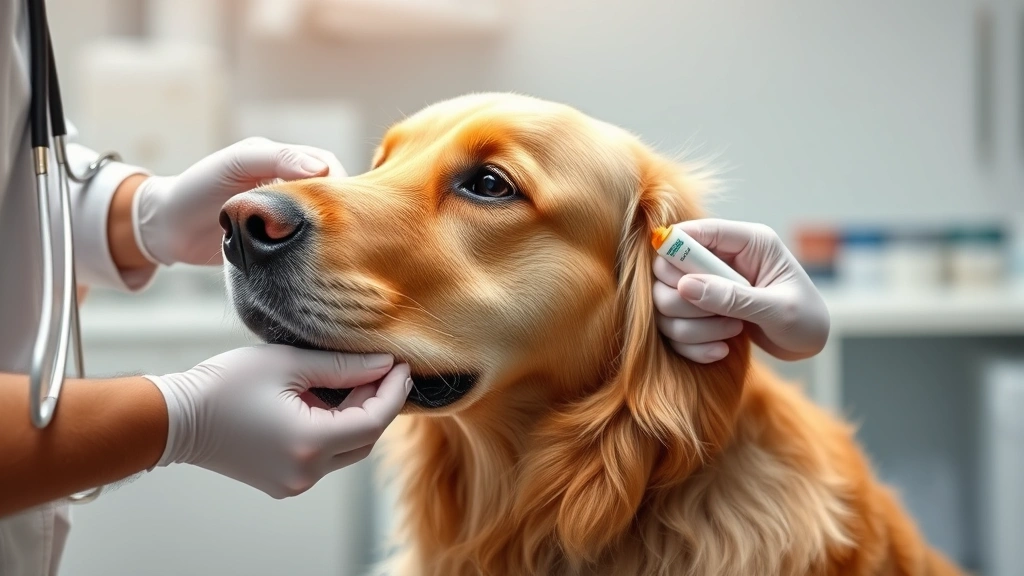
If your furry friend has been diagnosed with liver issues, your vet might mention ursodiol for dogs as a treatment option. This bile acid medication has become increasingly popular in veterinary medicine for managing various hepatic conditions, and honestly, it’s one of those medications that can genuinely make a difference in your pup’s quality of life. Let’s dive deep into what this medication does, how it works, and everything you need to know to keep your dog’s liver happy and healthy.
Table of Contents
- What Exactly Is Ursodiol?
- Why Vets Prescribe Ursodiol for Canine Liver Disease
- How Ursodiol Works in Your Dog’s Body
- Dosage and Administration Guidelines
- Potential Side Effects and What to Watch For
- Complementary Treatments and Diet Modifications
- Monitoring Your Dog’s Progress
- Drug Interactions and Contraindications
- Cost Considerations and Availability
- Long-term Prognosis and Expectations
- Frequently Asked Questions
- Final Thoughts on Ursodiol for Your Pup
What Exactly Is Ursodiol?
Ursodiol is a naturally occurring bile acid that helps dissolve cholesterol-based gallstones and improves liver function. In dogs, it’s prescribed to address a variety of liver conditions, from gallstone formation to chronic hepatitis. Think of it as your dog’s liver’s best friend—it works behind the scenes to keep bile flowing properly and reduce inflammation in the liver tissue.
The medication comes in capsule or tablet form, and while it might seem like just another pill to give your pup, it’s actually a pretty sophisticated treatment that’s been used in human medicine for decades before making its way into veterinary practice.
Why Vets Prescribe Ursodiol for Canine Liver Disease
Dogs can develop liver problems for all sorts of reasons—breed predisposition, age, infections, or just bad luck. When your vet recommends ursodiol therapy, they’re typically addressing one of several conditions. It’s particularly useful for dogs with cholestasis (when bile flow gets stuck), primary biliary cirrhosis, or cholangiohepatitis. The medication helps restore normal bile acid metabolism and reduces the toxic effects of bile acids that accumulate when the liver isn’t functioning optimally.
According to PetMD, ursodiol is often used as part of a comprehensive liver support protocol. Your vet might combine it with other supplements like milk thistle for dogs to maximize liver protection and recovery.

How Ursodiol Works in Your Dog’s Body
Here’s the science bit made simple: ursodiol is a hydrophilic bile acid, which means it loves water. When your dog takes this medication, it gets absorbed in the small intestine and enters the bile acid pool. From there, it works its magic by:
- Reducing the cholesterol content of bile
- Stimulating bile flow and secretion
- Protecting liver cells from toxic bile acid damage
- Decreasing inflammation in hepatic tissue
- Improving overall liver function markers
Basically, it’s like giving your dog’s liver a gentle tune-up, helping everything flow more smoothly and reducing the backup that causes problems.
Dosage and Administration Guidelines
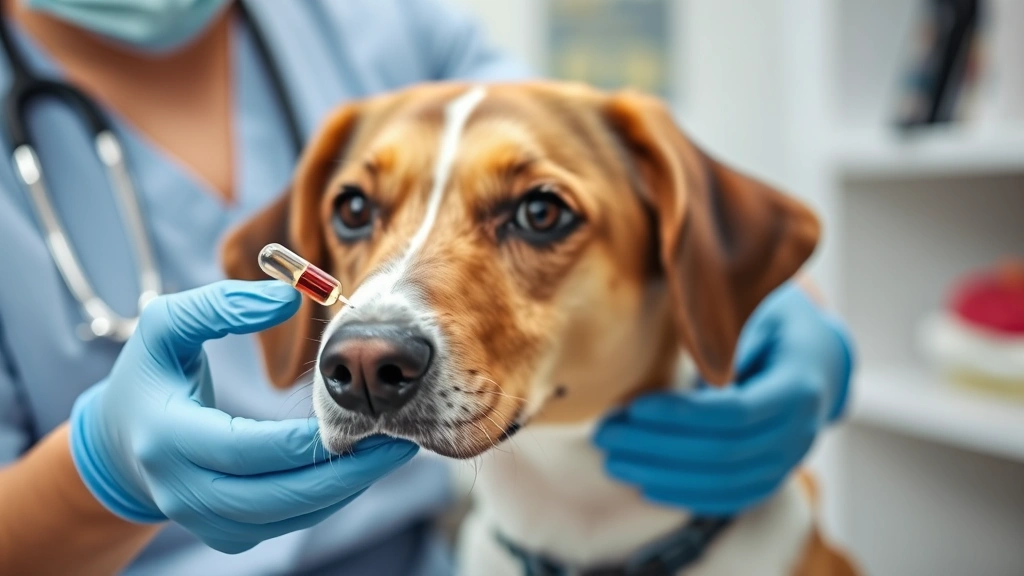
The typical dosage of ursodiol for canine patients ranges from 10-15 mg per kilogram of body weight, given once or twice daily. However, your veterinarian will determine the exact dose based on your dog’s specific condition, weight, and overall health status. Never adjust the dosage without consulting your vet—liver medication requires precision.
Most dogs tolerate ursodiol well when given with food, which can help reduce any potential gastrointestinal upset. You’ll typically need to give it for several weeks to months, and your vet will monitor your dog’s progress through blood work and clinical signs.
Potential Side Effects and What to Watch For
While ursodiol is generally considered safe, some dogs may experience mild side effects. The most common include diarrhea, which is somewhat ironic given that the medication affects bile flow. Other potential side effects might include:
- Mild gastrointestinal upset
- Increased appetite or thirst
- Occasional vomiting
- Lethargy in rare cases
If your dog experiences severe diarrhea or vomiting, contact your vet immediately. These could indicate that the dosage needs adjustment or that your pup needs additional supportive care. It’s also worth noting that dogs with certain conditions, like those requiring Imodium, may need special consideration when starting ursodiol.
Complementary Treatments and Diet Modifications
Ursodiol works best as part of a comprehensive liver support strategy. Your vet might recommend dietary changes, particularly a low-fat diet since fat can stress the liver and gallbladder. Additionally, other hepatoprotective supplements often work alongside ursodiol:
Milk thistle, SAMe, and vitamin E are common companions to ursodiol therapy. Some vets also recommend omega-3 fatty acids for their anti-inflammatory properties. The combination of medication, diet, and supplements creates a multi-pronged approach to liver healing that tends to be more effective than any single intervention alone.
Your vet might also suggest specific dietary additions to support overall wellness during treatment.
Monitoring Your Dog’s Progress
When your dog starts ursodiol treatment, regular veterinary check-ups become essential. Your vet will likely recommend blood work every 4-8 weeks initially to monitor liver enzyme levels and overall hepatic function. These tests help determine if the medication is working effectively or if adjustments are needed.
You should also keep track of your dog’s symptoms at home. Improvement in energy levels, appetite, and reduced jaundicing (yellowing of the gums and eyes) are all positive signs that the medication is helping. Keep a simple log of any changes you notice—your vet will appreciate the detailed observations.
Drug Interactions and Contraindications
Before starting ursodiol, make sure your vet knows about all other medications and supplements your dog is taking. Certain medications can interfere with ursodiol absorption or effectiveness. Additionally, dogs with active bile duct obstruction or those allergic to ursodiol shouldn’t receive this medication.

If your dog is on other medications like those discussed in our methocarbamol for dogs guide or alternatives to Apoquel, mention this to your vet so they can ensure there are no problematic interactions.
Cost Considerations and Availability
Ursodiol is generally affordable compared to other specialty veterinary medications, though prices vary by location and pharmacy. Many veterinary clinics can compound it into flavored capsules or liquids if your dog is a pill-refusing rebel. Your vet might also direct you to online pharmacies that offer competitive pricing, but always verify prescriptions through legitimate channels.
Some pet insurance plans cover ursodiol, especially if it’s prescribed for a diagnosed condition. It’s worth checking your policy or asking your vet about cost-saving options if budget is a concern.
Long-term Prognosis and Expectations
The long-term outlook for dogs on ursodiol therapy depends heavily on the underlying liver condition. Some dogs with reversible conditions may eventually discontinue the medication after their liver recovers, while others with chronic liver disease may need to stay on it indefinitely. Your vet will help you understand what to expect based on your individual dog’s diagnosis.

Many owners report significant improvements in their dogs’ quality of life once ursodiol therapy takes effect. Energy returns, appetite improves, and those scary liver values on blood work start trending in the right direction. It’s genuinely one of those medications where you can see real results.
Frequently Asked Questions
How long does it take for ursodiol to work in dogs?
Most dogs begin showing improvement within 2-4 weeks of starting ursodiol, though some may take up to 8 weeks. Blood work improvements typically appear before noticeable clinical signs improve. Your vet will monitor progress and adjust treatment as needed.
Can ursodiol cure liver disease in dogs?
Ursodiol can help manage liver disease and improve function, but it’s not a cure for most chronic liver conditions. It’s a management tool that helps slow progression and improve quality of life. Some acute conditions may resolve completely with treatment, but chronic liver disease typically requires long-term management.
Is ursodiol safe for senior dogs?
Yes, ursodiol is generally safe for senior dogs and is actually frequently prescribed to older dogs with age-related liver issues. However, senior dogs may require more frequent monitoring and dose adjustments based on their overall health status and kidney function.

Can I give my dog ursodiol without food?
While ursodiol can be given with or without food, administering it with meals may help reduce gastrointestinal upset. Ask your vet for their specific recommendation, as some formulations work better on an empty stomach while others are better absorbed with food.
What should I do if my dog misses a dose?
If you miss a dose, give it as soon as you remember unless it’s almost time for the next dose. Never double up on doses. If you frequently miss doses, talk to your vet about alternative administration methods or schedules that might work better for your routine.
Are there natural alternatives to ursodiol?
While supplements like milk thistle, SAMe, and vitamin E support liver health, they’re not direct replacements for ursodiol. These work best alongside prescription ursodiol rather than as standalone alternatives. Always consult your vet before substituting medications with supplements.
Final Thoughts on Ursodiol for Your Pup
Discovering that your dog has liver problems is never fun, but finding an effective treatment option like ursodiol can be genuinely reassuring. This medication represents a real opportunity to improve your dog’s health and extend their quality years with you. The key to success is following your vet’s recommendations closely, maintaining regular check-ups, and being observant about how your dog responds to treatment.
Your veterinarian is your best resource for questions about whether ursodiol is right for your specific dog and how to integrate it into a comprehensive liver health plan. With proper management and the right medication protocol, many dogs with liver issues go on to live comfortable, happy lives. That’s worth celebrating.





