
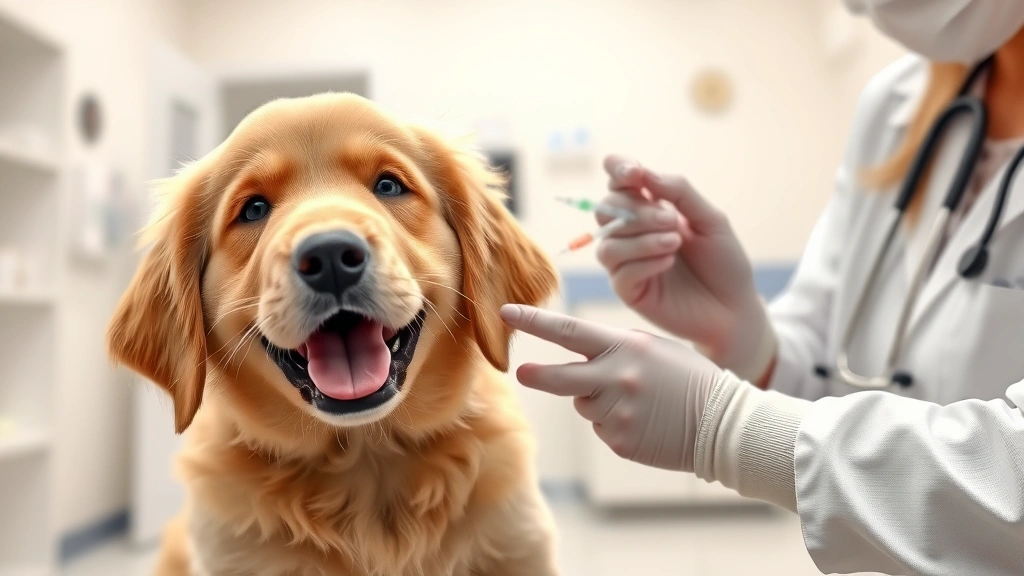
Look, vaccines for dogs aren’t exactly the most thrilling topic to chat about over coffee, but they’re absolutely crucial for keeping your furry best friend healthy and happy. Think of them as your dog’s personal bodyguard against some seriously nasty diseases. Whether you’ve got a puppy bouncing off the walls or a senior pup enjoying their golden years, understanding what shots your dog needs—and when they need them—is one of the smartest moves you can make as a pet parent.
Table of Contents
- Why Vaccines for Dogs Matter More Than You Think
- Core Vaccines Every Dog Absolutely Needs
- Non-Core Vaccines: The Lifestyle-Dependent Shots
- The Puppy Vaccination Schedule: Getting It Right From Day One
- Adult Dog Vaccination: Keeping the Shield Strong
- Senior Dogs and Vaccination: Special Considerations
- Potential Side Effects: What to Watch For
- Vaccine Titers: Testing Instead of Vaccinating
- Vaccine Records: Keep Them Safe and Accessible
- Frequently Asked Questions
- The Bottom Line on Vaccines for Dogs
Why Vaccines for Dogs Matter More Than You Think
Your dog’s immune system is incredible, but it’s not omniscient. When your pup encounters a disease they’ve never met before, their body doesn’t know how to fight back. That’s where vaccines for dogs come in like a superhero with a training manual. These vaccines teach your dog’s immune system to recognize and crush dangerous pathogens before they can cause serious harm. It’s preventative medicine at its finest, and honestly, it’s way cheaper and less stressful than treating a sick dog later.
The beauty of vaccination is that it protects not just your dog, but also the broader dog community. When enough dogs are vaccinated, diseases can’t spread easily from one pup to another. This herd immunity thing isn’t just for humans—it works for our canine companions too.
Core Vaccines Every Dog Absolutely Needs
Core vaccines for dogs are the non-negotiable ones. These are the vaccines that every single dog should receive, regardless of where they live or their lifestyle. We’re talking about the heavy hitters here:
Rabies Vaccine: This is the big one. Rabies is fatal once symptoms appear, and it can jump to humans. Most states legally require this vaccine, and honestly, that’s a good law. Your dog needs the rabies shot, period.
DHPP Vaccine: This is actually a combo vaccine protecting against four diseases: Distemper, Hepatitis, Parvovirus, and Parainfluenza. Parvovirus alone can destroy a dog’s intestines and kill puppies quickly. Distemper is equally nasty. This vaccine is your dog’s first line of defense.
These core vaccines typically start when your puppy is 6-8 weeks old, with boosters every 3-4 weeks until they’re 16 weeks old. Then they get annual or tri-annual boosters depending on your vet’s recommendation.
Non-Core Vaccines: The Lifestyle-Dependent Shots
Non-core vaccines for dogs depend on your individual dog’s risk factors. Does your dog spend time at dog parks? Boarding facilities? Do you live near wildlife? These factors determine which additional vaccines make sense.
Bordetella (Kennel Cough): If your dog socializes with other dogs regularly or stays in boarding facilities, this vaccine is smart. Kennel cough spreads faster than gossip at a dog park, and while it’s usually not life-threatening, it’s miserable.
Leptospirosis Vaccine: This one’s important if your dog spends time outdoors where wildlife urinates (basically everywhere). Leptospirosis is serious business and can affect kidneys and liver. If you’re concerned about contagious diseases in dogs, this vaccine deserves consideration.
Lyme Disease Vaccine: Live in a tick-heavy area? This might be worth discussing with your vet. Lyme disease can cause joint pain and kidney problems.
Canine Influenza Vaccine: Dog flu is real, spreads quickly, and can be severe. If your pup frequents dog parks or boarding facilities, ask your vet about this one.
The Puppy Vaccination Schedule: Getting It Right From Day One
Puppies are like tiny sponges—they absorb everything, including diseases. That’s why the puppy vaccination schedule is so important. Your vet will typically recommend:
- 6-8 weeks: First DHPP and Rabies vaccines
- 10-12 weeks: Second DHPP and Rabies boosters
- 14-16 weeks: Third DHPP booster and final Rabies vaccine
- 12-16 weeks: Additional non-core vaccines based on lifestyle
This schedule gives your puppy’s immune system multiple opportunities to learn how to fight these diseases. It’s like attending training sessions—repetition builds strength.
Adult Dog Vaccination: Keeping the Shield Strong
Once your dog reaches adulthood (usually after that first year), vaccines for dogs shift to maintenance mode. Most vets recommend annual or tri-annual boosters depending on the vaccine and your dog’s individual health status. Some vaccines last longer than others, so your vet might recommend different schedules for different shots.
The key is staying consistent. Mark those vet appointments on your calendar and don’t skip them. Your dog’s immune memory needs refreshing to stay sharp.
Senior Dogs and Vaccination: Special Considerations
Senior dogs (typically 7+ years) need a slightly different approach to vaccines for dogs. Their immune systems aren’t as robust as younger pups, but they still need protection. Your vet might recommend more frequent boosters or different vaccine combinations for older dogs. Never skip vaccines for your senior pup—they actually need them more because their bodies are more vulnerable to serious illness.
Before vaccinating a senior dog, your vet will likely run bloodwork to ensure they’re healthy enough for vaccination. It’s all about tailoring the approach to your individual dog’s needs.
Potential Side Effects: What to Watch For
Most dogs handle vaccines for dogs like champs, but side effects can happen. Common mild reactions include soreness at the injection site, slight fever, or lethargy for a day or two. These are normal and typically resolve quickly.
More serious reactions are rare but possible. Watch for excessive swelling at the injection site, difficulty breathing, collapse, or severe vomiting within hours of vaccination. If you see these signs, contact your vet immediately. This is why it’s smart to schedule vaccinations when your vet is available for follow-up if needed.
Discuss any concerns about your dog’s health status with your vet before vaccination. If your dog has had previous reactions, your vet might recommend pre-medication or spacing out vaccines differently.
Vaccine Titers: Testing Instead of Vaccinating
Some owners ask about vaccine titers—blood tests that measure whether your dog’s immune system still remembers how to fight certain diseases. These tests can show if your dog still has immunity from previous vaccines. Some vets use titers to determine if a booster is actually necessary, potentially reducing the number of vaccines your dog receives.
However, titers aren’t perfect. They don’t test for all vaccine-preventable diseases, and they cost more than vaccines. Most vets still recommend following the standard vaccination schedule, but titers are an option worth discussing if you have concerns about over-vaccination.
Vaccine Records: Keep Them Safe and Accessible
Your dog’s vaccine records are important documents. Boarding facilities, dog parks, groomers, and new vets will all ask for proof of vaccination. Keep physical copies in a safe place and consider taking photos or storing digital copies on your phone. Some vets use online portals where you can access records anytime.
If you’re traveling with your dog across state lines or internationally, vaccine records become even more critical. Some areas have specific requirements, so check ahead of time.

Frequently Asked Questions
When should I start vaccinating my puppy?
Start vaccines for dogs at 6-8 weeks of age. Your vet will create a vaccination schedule with boosters every 3-4 weeks until your puppy is 16 weeks old. This early protection is crucial because puppies are most vulnerable to serious diseases.
Can vaccines give my dog the disease they’re protecting against?
No. Modern vaccines for dogs use inactivated (dead) viruses or non-infectious components. They can’t cause the actual disease. Your dog’s immune system learns to recognize the disease without actually getting sick.
How often does my adult dog need vaccine boosters?
Most vaccines for dogs require annual or tri-annual boosters. Rabies vaccines often last 1-3 years depending on the vaccine formulation and your state’s requirements. Your vet will recommend the best schedule for your individual dog.
Is there any risk of over-vaccination?
While serious vaccine complications are rare, some owners worry about over-vaccination. This is why many vets now recommend tailoring vaccination schedules to individual dogs based on lifestyle and risk factors rather than vaccinating every dog the same way. Discuss your dog’s specific needs with your vet.
What’s the connection between vaccines and diseases like heartworm?
Vaccines and heartworm prevention are separate but equally important. While vaccines for dogs protect against infectious diseases, heartworm prevention protects against parasitic infection. Your dog needs both types of protection for comprehensive health care.
Can unvaccinated dogs get other dogs sick?
Absolutely. Unvaccinated dogs are walking disease vectors. They can contract and spread serious illnesses to vaccinated dogs (though vaccinated dogs are protected) and especially to puppies, senior dogs, and immunocompromised dogs. This is why vaccination matters for the whole community.
Are there any conditions that prevent vaccination?
Some dogs with severe immune system disorders, active infections, or certain health conditions shouldn’t be vaccinated without special consideration. Always discuss your dog’s complete health history with your vet before vaccination. If your dog has concerns like eye infections or other active conditions, mention them before your appointment.
What about dogs with allergies or sensitivities?
Dogs with known vaccine allergies need special handling. Your vet might recommend pre-medication, spacing vaccines further apart, or using different vaccine formulations. Never skip necessary vaccines without discussing alternatives with your vet.
The Bottom Line on Vaccines for Dogs
Here’s the truth: vaccines for dogs are one of the best investments you can make in your dog’s health. They’re affordable, effective, and backed by decades of veterinary science. Yes, there are rare side effects, but the risk of serious disease without vaccination is exponentially higher.
Work with your vet to create a vaccination plan tailored to your dog’s age, lifestyle, and health status. Don’t skip appointments, keep records organized, and don’t hesitate to ask questions about any vaccine. Your vet wants your dog healthy just as much as you do.
Whether you’re bringing home a bouncy new puppy or managing healthcare for your beloved senior companion, vaccination is a cornerstone of responsible dog ownership. Your pup depends on you to make informed decisions about their health. By understanding vaccines for dogs and staying current with their shots, you’re giving your furry friend the best chance at a long, healthy, happy life together. And really, isn’t that what it’s all about?
If you’re concerned about your dog’s overall wellness, remember that vaccinations work best alongside other preventive care. Keep an eye on your dog’s behavior and mood—if you’re wondering whether your dog is happy and healthy, regular vet check-ups combined with proper vaccination will help ensure they are.





