
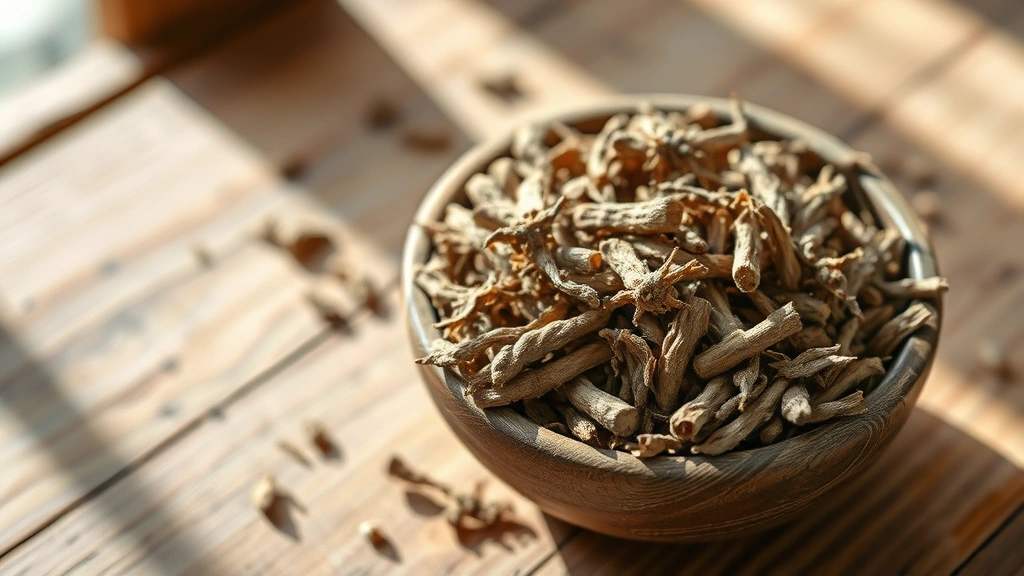
If your dog turns into a nervous wreck during thunderstorms or your cat becomes a furry escape artist when the vet appointment rolls around, valerian root for pet anxiety might be the natural solution you’ve been desperately searching for. This ancient herbal remedy has been used for centuries to calm human nerves, and it turns out our four-legged friends can benefit from it too. But before you start sprinkling mysterious plant matter into your pet’s food bowl, let’s talk about what valerian root actually does, how it works, and whether it’s the right choice for your anxious companion.
What Exactly Is Valerian Root and Why Do Pets Need It?
Valerian root comes from the Valeriana officinalis plant, a flowering herb that looks like something out of a fairy tale garden. The root itself—which is what we use medicinally—contains compounds called valepotriates and volatile oils that have a calming effect on the nervous system. Think of it as nature’s chill pill. When your pet is stressed, their nervous system goes into overdrive, causing all sorts of unwanted behaviors and physical symptoms. Valerian root helps dial down that stress response, making your anxious buddy feel more relaxed and zen-like.
Pet anxiety is more common than you might think. According to the American Kennel Club, separation anxiety affects millions of dogs, and cats aren’t immune to stress either. The problem is that chronic anxiety can lead to destructive behavior, excessive barking or meowing, house soiling, and even health issues.
How Valerian Root Works Its Magic on Anxious Pets
The science behind valerian root’s calming effects is actually pretty fascinating. The active compounds in valerian root interact with GABA receptors in the brain—the same receptors that prescription anti-anxiety medications target. GABA is a neurotransmitter that basically tells your pet’s brain to chill out. By boosting GABA activity, valerian root naturally reduces anxiety without the side effects of pharmaceutical drugs.
What makes valerian root particularly appealing for pet owners is that it’s gentler than synthetic medications while still being effective. Your pet won’t become a zombie-like couch potato; they’ll just feel noticeably less stressed about things that normally trigger their anxiety.
Eight Proven Ways Valerian Root Eases Pet Anxiety
1. Reduces Separation Anxiety Symptoms
Separation anxiety is the ultimate nightmare for pet parents. Your dog or cat panics when you leave, leading to destructive behavior, excessive vocalization, and sometimes even self-injury. Studies have shown that valerian root can significantly reduce the intensity of separation anxiety symptoms. When given 30-60 minutes before you leave the house, it helps your pet stay calm while you’re away. This is especially helpful when combined with other behavioral strategies and training techniques.
2. Calms Thunder and Fireworks Phobias
Does your pet lose their mind during thunderstorms or fireworks? You’re not alone. Many pets have genuine phobias of loud noises, and it’s heartbreaking to watch them shake and hide. Valerian root can help take the edge off that panic response. By reducing the hyperarousal that comes with noise sensitivity, your pet can actually relax instead of spending the entire storm in a state of terror. Some pet owners report that their dogs will actually nap during storms after starting valerian root supplementation.
3. Eases Travel and Car Anxiety
If your cat or dog turns into a stressed-out mess during car rides or travel, valerian root can help. Travel anxiety manifests as panting, drooling, excessive meowing, or aggressive behavior. By calming the nervous system before the trip, valerian root makes the journey more pleasant for everyone involved. You can give it to your pet about 30-45 minutes before hitting the road.
4. Supports Vet Visit Composure
Vet visits are stressful for most pets, and a stressed pet makes it harder for your veterinarian to do their job effectively. Valerian root can help your pet approach the vet’s office with a more relaxed demeanor, making examinations easier and less traumatic. This is particularly valuable for pets with a history of negative vet experiences.
5. Promotes Better Sleep Quality
Anxious pets often struggle with sleep, which perpetuates the anxiety cycle. Valerian root doesn’t just reduce anxiety—it also promotes deeper, more restful sleep. This is especially helpful for older pets or those dealing with chronic stress. Better sleep means better overall health and a more balanced mood.
6. Helps During Behavioral Training
If you’re working with a trainer to address anxiety-related behaviors, valerian root can be a helpful supplement to your training efforts. By taking the edge off anxiety, your pet is in a better mental state to learn new coping mechanisms and respond to training. It’s not a replacement for proper training, but it definitely makes the process smoother. You might also consider complementary powder probiotics for cats or other supplements that support overall wellness during this transition.
7. Reduces Destructive Behaviors
Anxiety-driven destructive behavior—like chewing, scratching, or excessive digging—is often your pet’s way of self-soothing. When you reduce the underlying anxiety with valerian root, these behaviors naturally decrease. Your furniture (and your sanity) will thank you.
8. Supports Multi-Pet Household Harmony
In homes with multiple pets, anxiety in one animal can create tension for everyone. An anxious dog might trigger anxiety in your other pets, creating a cascade of stress. By calming the anxious pet with valerian root, you’re helping restore peace to the entire household.

Choosing the Right Valerian Root Product for Your Pet
Not all valerian root supplements are created equal. You’ll find it in various forms: dried root, tinctures, capsules, and specially formulated pet supplements. For pets, products specifically designed for animal use are your best bet because they’re dosed appropriately and formulated to be palatable. Look for products from reputable manufacturers that have third-party testing to ensure purity and potency.
Many pet anxiety supplements combine valerian root with other calming herbs like chamomile, passionflower, or L-theanine for enhanced effects. These combination products often work better than valerian root alone. Always check the ingredient list to make sure there are no harmful additives or artificial ingredients.
Proper Dosing: Getting the Amount Right
Dosing valerian root for pets depends on their size and the specific product you’re using. Generally, smaller pets (cats and small dogs under 20 pounds) need less than larger dogs. Most commercial pet supplements provide clear dosing guidelines based on weight, and you should always follow those instructions. A typical dose for a medium-sized dog might be 150-300mg of dried valerian root, but this varies significantly by product.
Never guess on dosing—always read the label carefully or consult your veterinarian. Giving too much won’t make it work faster; it might just cause unnecessary side effects. Starting with the lowest recommended dose and gradually increasing if needed is the safest approach.
Potential Side Effects and Safety Considerations
Valerian root is generally very safe for pets, which is one of its biggest advantages over prescription medications. However, some pets might experience mild side effects like drowsiness, headache-like symptoms (hard to detect in pets), or digestive upset. These effects are usually temporary and diminish as your pet’s body adjusts to the supplement.
Certain pets should avoid valerian root or use it only under veterinary supervision. This includes pets with liver or kidney disease, pregnant or nursing animals, and pets taking other sedatives or anxiety medications. Always inform your veterinarian about any supplements you’re giving your pet, especially if they’re also on prescription medications.
If your pet has a history of seizures, check with your vet before using valerian root, as there’s some evidence it might lower the seizure threshold in susceptible individuals.
Combining Valerian Root With Other Anxiety Management Strategies
While valerian root is effective, it works best as part of a comprehensive anxiety management plan. Think of it as one tool in your toolbox, not the entire solution. Pair it with:
- Behavioral training: Work with a certified animal behaviorist to address anxiety triggers and teach coping skills
- Environmental modifications: Create safe spaces, use calming music, and minimize exposure to triggers when possible
- Exercise and enrichment: A tired pet is a calmer pet. Regular exercise and mental stimulation help burn off anxious energy
- Other supplements: Consider liquid probiotics for pets as gut health is linked to anxiety levels, or explore multi-strain probiotics for pets for comprehensive digestive support
- Pheromone products: Diffusers and sprays that mimic natural calming pheromones can enhance the effects of valerian root
Real Pet Parent Success Stories With Valerian Root
Countless pet owners have reported amazing results with valerian root. One dog owner shared that their rescue dog, who would panic for hours during thunderstorms, now actually sleeps through them after starting valerian root supplementation. A cat parent reported that their anxious rescue cat became noticeably more social and playful within two weeks of starting the supplement.
These aren’t miracle cures—they’re the result of a calmer nervous system allowing pets to be their true selves. When anxiety isn’t constantly hijacking their behavior, pets can actually relax and enjoy life.
When to See Your Vet Instead of (or In Addition To) Using Valerian Root
While valerian root is excellent for mild to moderate anxiety, severe anxiety might require veterinary intervention. If your pet is harming themselves, showing signs of extreme panic, or if their anxiety is severely impacting their quality of life, talk to your vet about prescription options. Sometimes a combination of medication and valerian root works best.
Also, if your pet’s anxiety is a new development or has suddenly worsened, see your vet to rule out underlying medical issues. Pain, thyroid problems, and other health conditions can masquerade as anxiety.
Frequently Asked Questions
Can I give my cat valerian root?
Yes, valerian root is safe for cats and can be very effective for feline anxiety. However, cats have a reputation for being pickier about supplements than dogs. Look for products specifically formulated for cats or use liquid supplements that can be mixed into their food. Some cats find the taste unpleasant, so you might need to experiment with different products or delivery methods.
How long does it take for valerian root to work?
Some pets show improvement within 30 minutes to an hour of taking valerian root, especially for acute anxiety situations like vet visits. For chronic anxiety, you might need to give it consistently for 2-4 weeks before seeing the full benefits. Patience is key—your pet’s nervous system needs time to recalibrate.
Is valerian root safe to use long-term?
Yes, valerian root is safe for long-term use in pets. Unlike some prescription medications, it doesn’t typically cause dependency or tolerance buildup. Many pet owners use it continuously with excellent results and no adverse effects.
Can I use human valerian root supplements for my pet?
It’s better to use products specifically formulated for pets. Human supplements might contain additives that aren’t safe for animals, or the dosing might be inappropriate. Pet-specific products are formulated with your animal’s needs in mind and are worth the investment.
What’s the difference between valerian root and other herbal anxiety supplements?
Valerian root is just one herbal option. Other popular anxiety herbs for pets include chamomile, passionflower, and L-theanine. Each works slightly differently, and combination products often work better than single-herb supplements. If valerian root alone doesn’t give you the results you want, try a product that combines it with complementary herbs.
Will valerian root make my pet too drowsy?
Valerian root promotes relaxation and can cause drowsiness, but it shouldn’t turn your pet into a zombie. Most pets on appropriate doses remain alert and responsive—they’re just noticeably calmer. If your pet seems excessively drowsy, you might be using too high a dose.
The Bottom Line: Is Valerian Root Right for Your Pet?
Valerian root for pet anxiety is a safe, natural, and effective option that deserves serious consideration if your furry friend struggles with stress. It works by calming the nervous system without the harsh side effects of prescription medications. Whether your pet has separation anxiety, noise phobias, or general nervousness, valerian root can help them feel more relaxed and comfortable in their own skin.
Start with a quality pet-specific product, follow dosing guidelines carefully, and combine it with other anxiety management strategies for the best results. Give it time to work—your pet’s nervous system didn’t become anxious overnight, and it won’t calm down overnight either. But with consistent use and a comprehensive approach, you’ll likely see your pet transform from a nervous wreck into a calm, confident companion.
Remember to always consult with your veterinarian before starting any new supplement, especially if your pet is on other medications or has underlying health conditions. Your vet can help you determine if valerian root is appropriate for your specific pet and can monitor their progress over time.
Your pet deserves to live without constant anxiety, and valerian root might just be the key to helping them find their zen. Give it a try—your stressed-out furry friend will thank you.





