

So you’ve gone vegan, adopted a rescue pup, and now you’re wondering: can my furry friend join the plant-based party with some vegan hot dogs? It’s a question that’s popping up more often in households where ethical eating meets pet parenthood. The short answer? It’s complicated. But stick around because we’re diving deep into whether these meat-free sausages are safe, nutritious, or just a hard pass for your four-legged companion.
Table of Contents
- Understanding Vegan Hot Dogs and Their Ingredients
- Why Your Dog’s Digestive System Isn’t Built for Plant-Based Foods
- Sodium Content: The Silent Killer in Vegan Hot Dogs
- Common Ingredients That Are Actually Toxic to Dogs
- What About Homemade Vegan Hot Dogs for Dogs?
- Better Alternatives to Vegan Hot Dogs for Your Dog
- Plant-Based Dog Foods: Are They Actually Safe?
- What Veterinarians Say About Vegan Hot Dogs for Dogs
- Signs Your Dog Has Eaten a Vegan Hot Dog and Is Having a Reaction
- The Vegan Pet Dilemma: Ethics vs. Nutrition
- Frequently Asked Questions
Understanding Vegan Hot Dogs and Their Ingredients
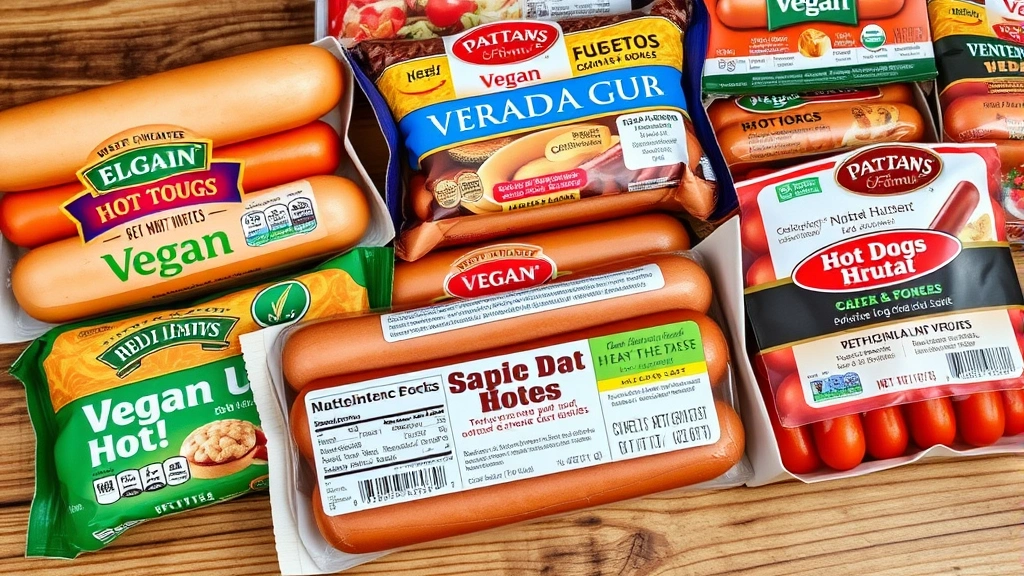
Before we talk about whether dogs can eat vegan hot dogs, let’s break down what these plant-based alternatives actually are. Most commercial vegan hot dogs are made from soy, wheat gluten (seitan), pea protein, or a blend of vegetables and legumes. Brands like Beyond Meat, Field Roast, and Lightlife have created surprisingly convincing meat substitutes that fool plenty of humans at backyard barbecues.
The problem? These products are formulated for human taste buds and digestive systems, not canine ones. They’re packed with seasonings, sodium, and binders that might make your eyes water with flavor but could seriously upset your dog’s stomach.
Why Your Dog’s Digestive System Isn’t Built for Plant-Based Foods
Dogs are facultative carnivores, meaning they can survive on plant-based diets but thrive on meat. Their digestive systems evolved over thousands of years to process animal proteins efficiently. When you introduce highly processed plant-based products like vegan hot dogs, you’re essentially asking their gut to do something it’s not optimized for.

The high fiber content in many vegan hot dogs can cause bloating, gas, and diarrhea in dogs. Some pups might experience vomiting or loss of appetite. And if your dog has a sensitive stomach? Forget about it—you’ll be making extra trips outside at 2 AM.
Sodium Content: The Silent Killer in Vegan Hot Dogs
Here’s where things get genuinely concerning: sodium levels. A single vegan hot dog can contain 300-500mg of sodium, which is absolutely excessive for dogs. The recommended daily sodium intake for a 50-pound dog is around 100-200mg. One vegan hot dog could exceed your dog’s entire daily requirement.
Excess sodium can lead to dehydration, increased thirst, and in severe cases, sodium ion poisoning. Symptoms include vomiting, diarrhea, tremors, and seizures. Not exactly the fun barbecue experience you were imagining, right?

Common Ingredients That Are Actually Toxic to Dogs
Let’s talk about specific ingredients lurking in vegan hot dogs that spell trouble for your pup:
Garlic and Onion Powder: Many vegan hot dogs contain these seasonings for flavor. Both are toxic to dogs and can damage their red blood cells, causing hemolytic anemia. Even small amounts can be problematic.
Spices and Seasonings: Cayenne pepper, paprika, and other hot spices can irritate your dog’s digestive tract and mouth. Some dogs might experience pancreatitis from the fatty content combined with spices.

Soy and Gluten: While not toxic per se, these ingredients can trigger allergies in sensitive dogs. If your pup has a history of food sensitivities, vegan hot dogs are a minefield.
Xylitol: Some brands use this artificial sweetener, which is extremely toxic to dogs and can cause liver failure and hypoglycemia. Always check the label, though most vegan hot dogs don’t contain it—it’s more common in sugar-free products.
What About Homemade Vegan Hot Dogs for Dogs?
Maybe you’re thinking, “I’ll just make my own!” That’s a thoughtful approach, but it still has limitations. Even homemade vegan hot dogs would lack the complete amino acid profile and bioavailable nutrients that dogs need. You’d essentially be creating an incomplete meal that might work as an occasional treat but shouldn’t become a dietary staple.
If you’re determined to create a plant-based treat for your dog, work with a veterinary nutritionist to ensure it meets AAFCO standards. Otherwise, you’re just making expensive dog treats that might cause digestive upset.
Better Alternatives to Vegan Hot Dogs for Your Dog
Want to give your dog something special without the vegan hot dog drama? Consider these options:
Regular Hot Dogs (in moderation): Traditional hot dogs aren’t ideal either due to sodium and fat content, but they’re at least species-appropriate. A small piece occasionally won’t hurt most dogs.

Check out our guide on Is Rotisserie Chicken Good for Dogs? for a genuinely healthy protein option that dogs absolutely love.
Lean Proteins: Plain cooked chicken, turkey, or beef are perfect treats. No seasoning, no fuss. Your dog gets quality protein their body actually uses.
Dog-Specific Treats: Brands like Ziwi Peak and Stella & Chewy’s make meat-based treats formulated for canine nutrition. They’re more expensive but actually beneficial.

If you’re exploring different protein sources, our article on Lamb Dog Food explains why some dogs thrive on alternative proteins—but these are whole foods, not processed plant-based imitations.
Plant-Based Dog Foods: Are They Actually Safe?
This is different from vegan hot dogs, but worth addressing. Some commercial plant-based dog foods exist, and they’re formulated by companies that actually consider canine nutrition. Brands like V-Dog and Benevo have veterinary backing and are designed to meet AAFCO standards.
However, most veterinarians still recommend meat-based diets for optimal health. Plant-based dog foods work for some dogs but require careful monitoring and regular blood work to ensure your pup isn’t developing nutritional deficiencies.

Want to know more about commercial options? Our review of Is Fresh Pet Good for Dogs? breaks down what to look for in quality commercial foods.
What Veterinarians Say About Vegan Hot Dogs for Dogs
According to the American Veterinary Medical Association (AAFCO), dogs require specific nutrients that are more readily available in animal proteins. While dogs can technically survive on plant-based diets, they’re not ideal.
Most veterinarians won’t recommend giving your dog vegan hot dogs as anything more than an extremely rare, tiny treat—if that. The sodium, spices, and processed nature of these products make them unsuitable for regular consumption.

For additional perspective on commercial dog food quality, check out Is Simply Nourish a Good Dog Food? to understand what nutritional standards your dog’s food should meet.
Signs Your Dog Has Eaten a Vegan Hot Dog and Is Having a Reaction
If your dog somehow got into your vegan hot dog stash, watch for these symptoms:
Immediate signs: Vomiting, diarrhea, excessive drooling, or refusal to eat indicate digestive distress. Most reactions appear within 2-4 hours.

Delayed signs: If the vegan hot dog contained garlic or onion powder, you might not see symptoms for 24-72 hours. Watch for lethargy, pale gums, or weakness.
Emergency signs: Seizures, severe tremors, or difficulty breathing require immediate veterinary attention. This could indicate sodium poisoning or a severe allergic reaction.
Call your vet if your dog consumes more than a tiny bite of vegan hot dog, especially if it’s a small breed or a dog with pre-existing health conditions.

The Vegan Pet Dilemma: Ethics vs. Nutrition
We get it. You’re vegan for ethical reasons, and you want your pet to align with your values. That’s genuinely admirable. But here’s the hard truth: your dog didn’t choose veganism. They’re dependent on you for their nutritional needs, and those needs are best met with animal proteins.
The most ethical choice for your dog is feeding them a high-quality meat-based diet that keeps them healthy and thriving. If you’re uncomfortable with conventional meat sources, explore ethically-sourced options like grass-fed beef or humanely-raised chicken. Some companies focus on sustainable, ethical meat sourcing that might align better with your values.
You can be vegan and have a thriving, healthy carnivorous pet. These aren’t mutually exclusive.
Frequently Asked Questions
Can dogs eat vegan hot dogs in small amounts?
Even small amounts are risky due to sodium content and potential toxic ingredients like garlic or onion powder. A tiny bite probably won’t cause serious harm, but it’s not recommended. If your dog accidentally eats a piece, monitor them for 24-48 hours for any signs of digestive upset or allergic reaction.
Are there vegan hot dogs specifically made for dogs?
Not really. While some companies market plant-based pet treats, true vegan hot dogs designed for canine nutrition are virtually non-existent. Any vegan hot dog you find in a grocery store is formulated for humans, not dogs. If you want a plant-based treat for your dog, work with a veterinary nutritionist to create something balanced.
What’s the safest way to share my food with my dog?
Stick to plain, cooked proteins without seasonings. Chicken breast, turkey, or beef are perfect. Avoid anything with garlic, onions, excessive salt, or spices. When in doubt, ask your vet. Most dogs are happiest with simple, whole foods rather than processed human foods anyway.
Is there a plant-based diet that’s actually safe for dogs?
Some plant-based commercial dog foods meet AAFCO standards, but they require careful selection and regular veterinary monitoring. They’re not ideal for most dogs, but some can do okay on them. Always consult your vet before switching to any plant-based diet, and expect to do blood work annually to check for nutritional deficiencies.
What should I do if my dog ate a vegan hot dog?
First, don’t panic. One vegan hot dog won’t typically cause serious harm unless your dog is very small or has health issues. Monitor them closely for 48 hours. Watch for vomiting, diarrhea, lethargy, or loss of appetite. If symptoms develop or your dog ate multiple hot dogs, contact your vet immediately. Have the package available so you can tell your vet the exact ingredients.





