
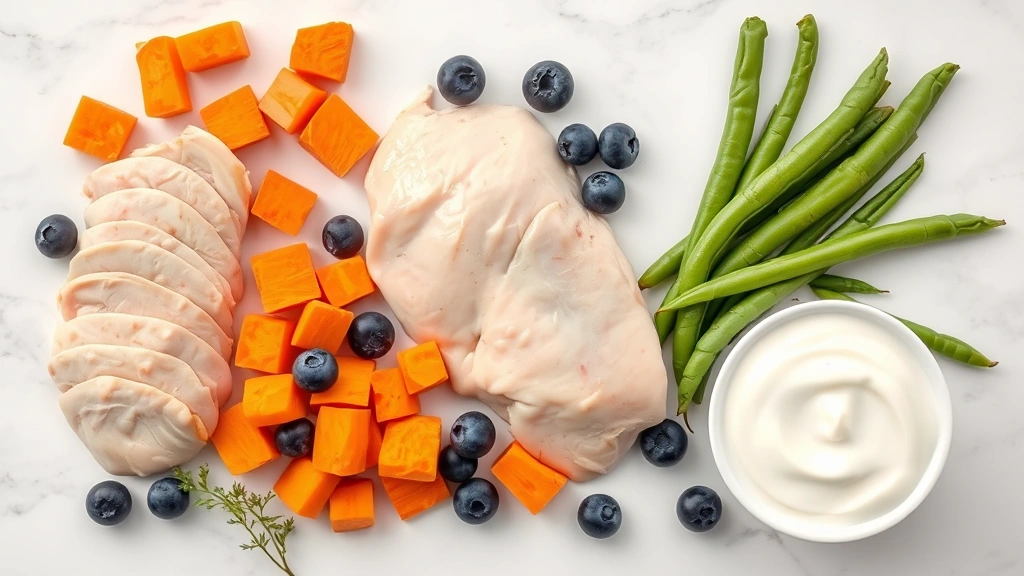
Look, I get it—your dog gives you those puppy eyes while you’re eating, and suddenly you’re wondering if sharing your lunch is actually a crime against pet nutrition. Here’s the good news: vet-approved human foods for pets aren’t just a myth. They’re real, they’re safe, and honestly, they can make your pet’s tail wag faster than a ceiling fan on high. But before you start tossing your entire dinner plate at Fido, let’s talk about which human foods are actually safe for your furry family members.
Table of Contents
- Why Vet-Approved Matters: Not All Human Food Is Pet Food
- 1. Pumpkin: The Orange Superfood Your Pet Needs
- 2. Carrots: Crunchy, Low-Calorie, Teeth-Cleaning Magic
- 3. Chicken: The Protein Powerhouse (Plain, Please)
- 4. Sweet Potatoes: Nutritional Density in a Tuber
- 5. Apples: Crunchy Treats with Natural Sweetness
- 6. Blueberries: Tiny Antioxidant Bombs
- 7. Eggs: Complete Protein with All the Amino Acids
- 8. Green Beans: Low-Calorie Veggie Goodness
- 9. Salmon: Omega-3 Fatty Acids for Skin and Brain Health
- 10. Peanut Butter: The Classic (But Check for Xylitol)
- 11. Watermelon: Hydrating Summer Treat
- 12. Plain Yogurt: Probiotics for Digestive Health
- How to Introduce Vet-Approved Foods Safely
- Foods to Absolutely Avoid: The Danger Zone
- The Bottom Line: Vet-Approved Doesn’t Mean Free-For-All
- Frequently Asked Questions
Why Vet-Approved Matters: Not All Human Food Is Pet Food
Your vet isn’t just being a party pooper when they say “no chocolate.” Some human foods are genuinely toxic to pets, while others are nutritional goldmines. The difference between a healthy treat and a trip to the emergency vet comes down to knowing what’s safe. When we talk about safe human foods for dogs and cats, we’re specifically referring to foods that veterinarians have vetted and approved. These aren’t just foods that won’t kill your pet—they’re foods that can actually contribute to their health.
According to the American Kennel Club, certain human foods can be excellent supplements to a balanced diet. The key is moderation and knowing exactly what you’re feeding.
1. Pumpkin: The Orange Superfood Your Pet Needs
Pumpkin is basically the superhero of pet nutrition. Whether your dog has diarrhea or constipation, pumpkin is like hitting the reset button on their digestive system. Plain, cooked pumpkin (not the pie filling with all that sugar) is packed with fiber and nutrients. A tablespoon or two mixed into their regular food can work wonders.
Cats can enjoy pumpkin too, though they’re usually less enthusiastic about it. The beauty of pumpkin is that it’s one of those rare foods that works for both dogs and cats, making it a true universal pet superfood.
2. Carrots: Crunchy, Low-Calorie, Teeth-Cleaning Magic
Raw carrots are like nature’s toothbrush. They’re low in calories, high in fiber, and they satisfy that chewing urge without destroying your furniture. Plus, they’re cheap. You can buy a whole bag for the price of fancy dental treats. Give your dog a raw carrot to munch on, and you’re basically giving them a spa day for their teeth.
Cooked carrots work too, but raw ones provide that satisfying crunch that dogs absolutely love. Just cut them into appropriate sizes so your pup doesn’t try to swallow a whole carrot like it’s a sword.
3. Chicken: The Protein Powerhouse (Plain, Please)
Boiled, skinless chicken is basically the vanilla ice cream of pet treats—simple, beloved, and impossible to mess up. It’s pure protein, and most pets will do backflips for it. The trick? Cook it plain. No seasoning, no skin, no bones. Just plain chicken breast or thigh meat.
This is where homemade diet supplements for pets really shine. You can shred some plain chicken and mix it into their regular kibble to make mealtime more exciting. It’s also excellent for dogs recovering from illness or surgery when they need extra protein but might be picky about eating.
4. Sweet Potatoes: Nutritional Density in a Tuber
Sweet potatoes are loaded with vitamins A, B6, and potassium. They’re also packed with fiber, making them excellent for digestive health. Bake or boil them plain, cut them into bite-sized pieces, and watch your pet go crazy. Some dogs will literally choose sweet potato over their regular food (which is adorable and slightly insulting to commercial pet food companies).
The best part? They’re filling, so a small amount goes a long way. This makes them perfect for mixed diet feeding approaches where you’re combining commercial food with whole foods.
5. Apples: Crunchy Treats with Natural Sweetness
Apples are like nature’s candy for dogs, minus the dental damage. They’re low in calories, high in fiber, and contain vitamin C. Just remove the seeds (they contain cyanide compounds, though you’d need to feed a massive amount for it to be harmful) and the core, then slice them up.
Your dog will think they won the lottery. Cats are usually less impressed with apples, but some will nibble on them. The crunch is what makes them appealing—it satisfies that natural desire to chew.
6. Blueberries: Tiny Antioxidant Bombs
Blueberries are basically nature’s multivitamin. They’re packed with antioxidants, vitamins, and fiber. They’re also small enough that you can toss them as treats without worrying about choking hazards. Dogs love them, and they’re so low-calorie that you can be generous without guilt.
Frozen blueberries are especially great during hot weather—they’re like little frozen treats that happen to be incredibly healthy. It’s basically the pet equivalent of getting away with eating dessert while actually improving your health.

7. Eggs: Complete Protein with All the Amino Acids
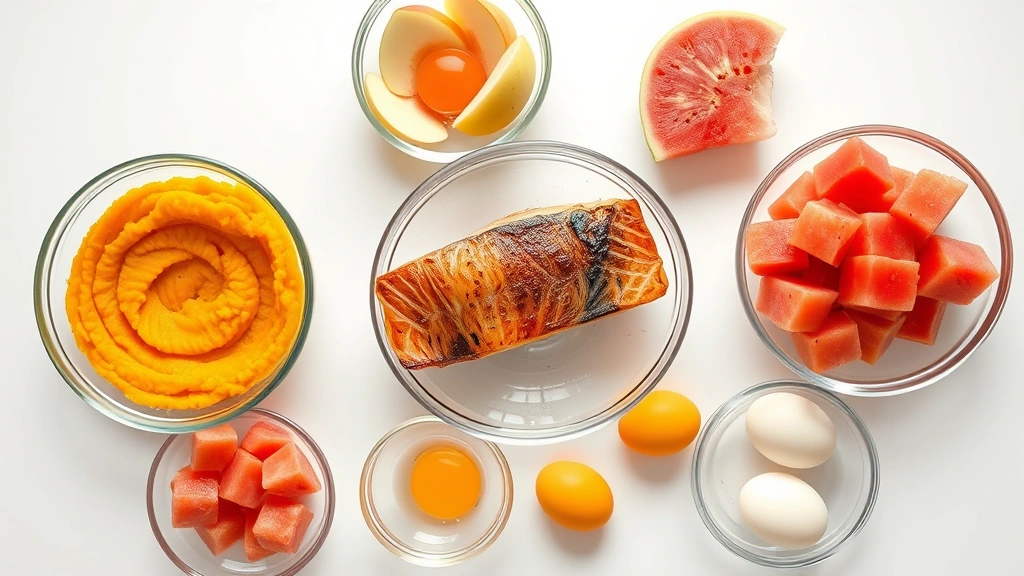
Cooked eggs (scrambled, boiled, or fried in a non-stick pan without oil or butter) are nutritional powerhouses. They contain all nine essential amino acids and are excellent for coat health feeding routines. A whole egg occasionally is perfectly fine for most dogs, and the yolk is especially beneficial for skin and coat health.
Cats are also egg enthusiasts, though they’re more carnivorous and less interested in the carbohydrate aspects. Either way, eggs are one of the few foods that are genuinely beneficial for both species.
8. Green Beans: Low-Calorie Veggie Goodness
Plain green beans (fresh, frozen, or canned without sodium) are basically guilt-free treats. They’re low in calories, high in fiber, and most dogs will eat them without complaint. They’re especially useful if you have a chubby pup who needs to feel like they’re eating a lot without consuming too many calories.
According to PetMD, green beans can be part of a healthy weight management plan for pets. They provide volume and nutrition without the caloric density of traditional treats.
9. Salmon: Omega-3 Fatty Acids for Skin and Brain Health
Cooked salmon (without bones and without seasoning) is like giving your pet a spa treatment from the inside out. The omega-3 fatty acids are excellent for skin, coat, and brain health. Just make sure it’s cooked and boneless, because raw salmon can contain parasites, and salmon bones are no joke.
A small amount of salmon once or twice a week can make a noticeable difference in your pet’s coat quality. Your dog will also think you’re the best pet parent in the world.
10. Peanut Butter: The Classic (But Check for Xylitol)
Natural peanut butter (the kind with just peanuts and maybe salt) is fine in moderation. However, many commercial peanut butters contain xylitol, a sweetener that’s toxic to dogs. Always check the label. If it’s just peanuts, you’re golden. If it contains xylitol, it’s a hard pass.
A lick or two of safe peanut butter is a beloved treat, and it’s excellent for hiding medications or filling puzzle toys. Just remember that peanut butter is calorie-dense, so a little goes a long way.
11. Watermelon: Hydrating Summer Treat
Seedless watermelon (remove all the seeds and the rind) is 92% water, making it perfect for hot days. It’s low in calories and most dogs find it refreshing. It’s also a great way to increase water intake during summer months when pets might be less interested in drinking water.
Frozen watermelon cubes are especially popular. They’re like little popsicles that happen to be healthy. Your dog will thank you.
12. Plain Yogurt: Probiotics for Digestive Health
Plain, unsweetened yogurt with live cultures is excellent for digestive health. The probiotics can help maintain a healthy gut microbiome. Just avoid any yogurt with added sugars, artificial sweeteners, or flavoring. Plain is best.
A small spoonful mixed into their food or as a standalone treat can be beneficial, especially for dogs with sensitive stomachs. Some pets will actually prefer it to regular treats.
How to Introduce Vet-Approved Foods Safely
Here’s where most people mess up: they go all-in immediately. If you’re adding human foods to your pet’s diet, start small. A tiny amount mixed into their regular food is the way to go. Watch for any digestive upset over the next few days. If everything looks good, you can gradually increase the amount.
The general rule is that treats (including human foods) should make up no more than 10% of your pet’s daily caloric intake. The other 90% should come from their regular, balanced diet. This ensures they’re getting all the nutrients they need while still enjoying the occasional human food treat.
Consider checking out homemade pet food schedule guidelines to understand proper portions and timing when incorporating multiple food types.
Foods to Absolutely Avoid: The Danger Zone
Before we wrap up, let’s be crystal clear about what NOT to feed your pets. Chocolate, grapes, raisins, onions, garlic, avocado, macadamia nuts, and anything with xylitol are toxic to dogs. Cats have their own list of no-nos, including onions, garlic, and anything with essential oils or certain medications.
When in doubt, ask your vet. It’s literally their job, and they won’t judge you for asking. Well, maybe they’ll judge you a little if you fed your dog an entire chocolate cake, but they’ll still help you.
The Bottom Line: Vet-Approved Doesn’t Mean Free-For-All
Vet-approved human foods for pets are amazing when used correctly. They can add variety, nutrition, and excitement to your pet’s diet. They can also help with training, bonding, and managing weight. But they’re supplements to a balanced diet, not replacements for it.
Your pet’s primary nutrition should come from a complete and balanced commercial diet or a veterinarian-approved homemade diet. The human foods we’ve discussed are the cherry on top, not the whole sundae.
If you’re interested in more comprehensive approaches to feeding, explore breed-specific feeding needs and pet supplement ingredient transparency to ensure you’re making informed decisions about your pet’s nutrition.
Frequently Asked Questions
Can cats eat the same human foods as dogs?
Not always. Cats are obligate carnivores and have different nutritional needs than dogs. While some foods like chicken, eggs, and pumpkin are safe for both, cats have a much shorter list of approved human foods. Always check with your vet before giving a cat any human food.
How much human food can I give my pet daily?
Treats, including human foods, should make up no more than 10% of your pet’s daily caloric intake. The remaining 90% should come from their regular, balanced diet. This ensures they’re getting complete nutrition.
Are there any human foods that are good for pet weight loss?
Yes! Green beans, carrots, and other low-calorie vegetables can help pets feel fuller while consuming fewer calories. They’re especially useful for overweight pets who need to lose weight. Always consult with your vet about appropriate weight loss strategies.
What should I do if my pet eats something toxic?
Contact your veterinarian or an animal poison control center immediately. Don’t wait to see if symptoms develop. Some toxic foods have delayed reactions, and quick action can be life-saving. Have the ASPCA Animal Poison Control Center number (888-426-4435) saved in your phone.
Can puppies and senior pets eat the same human foods as adult dogs?
Generally yes, but portions and preparation might differ. Puppies have different caloric needs, and senior pets might need softer foods. Always introduce new foods slowly and consult with your vet about age-appropriate portions.
Is it okay to feed my pet exclusively human food?
No. While vet-approved human foods are great supplements, they don’t contain all the nutrients your pet needs in the right proportions. Commercial pet foods are formulated to meet AAFCO standards for complete and balanced nutrition. Human foods should supplement, not replace, a proper diet.





