
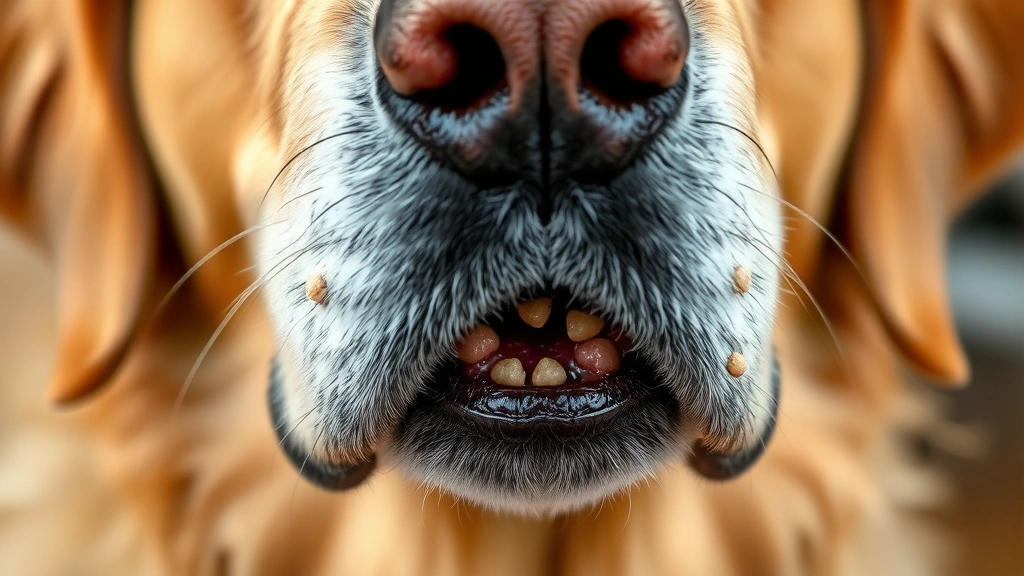
If you’ve noticed warts on dogs, you’re not alone—and the good news is that most of these bumpy little nuisances aren’t as scary as they look. Whether your furry friend has developed a single wart or a cluster of them, understanding what you’re dealing with is the first step toward getting rid of them. Let’s dive into everything you need to know about canine warts, from what causes them to the most effective removal methods available.
Table of Contents
- What Are Warts on Dogs, Really?
- Why Do Dogs Get Warts? Understanding the Root Causes
- Method 1: The Immune Boost Approach
- Method 2: Topical Treatments and Home Remedies
- Method 3: Surgical Removal by Your Veterinarian
- Method 4: Immunotherapy and Viral Treatments
- Method 5: Preventative Care and Lifestyle Management
- When Should You Be Concerned About Warts on Dogs?
- Managing Discomfort While Warts Heal
- The Timeline: How Long Do Warts Take to Go Away?
- Preventing Recurrence: Long-Term Strategies
- Frequently Asked Questions
- Conclusion: Taking Action on Warts on Dogs
What Are Warts on Dogs, Really?
Warts on dogs are benign skin growths caused by the canine papillomavirus (CPV). Unlike the warts you might get on your hands, dog warts are species-specific, meaning your pup can’t catch them from you, and you can’t catch them from your dog. These growths typically appear as small, rough, cauliflower-like bumps on the skin, most commonly around the mouth, face, and paws.
Most warts on dogs are harmless and won’t cause your pet any pain or discomfort. However, they can become irritated if your dog constantly licks or chews at them, which is why removal might be necessary. The good news? Many warts actually disappear on their own as your dog’s immune system kicks into gear.
Why Do Dogs Get Warts? Understanding the Root Causes
The primary cause of warts on dogs is exposure to the canine papillomavirus. This virus spreads through direct contact with infected dogs or contaminated surfaces. Young dogs and senior dogs tend to be more susceptible because their immune systems aren’t as robust. Dogs with weakened immune systems due to illness or stress are also at higher risk.
Environmental factors play a role too. Dogs that spend time in wet environments or have frequent skin-to-skin contact with other dogs are more likely to develop these growths. If you’ve noticed warts appearing, it doesn’t mean you’re a bad pet owner—it’s just one of those things that happens.
Method 1: The Immune Boost Approach
Here’s something that might surprise you: many warts on dogs disappear without any intervention at all. Your dog’s immune system is incredibly powerful, and given enough time, it often eliminates the papillomavirus on its own. This can take anywhere from a few weeks to several months, but it happens more often than you’d think.
To support your dog’s immune system, focus on providing high-quality nutrition, regular exercise, and stress reduction. Adding immune-boosting supplements like vitamin E, vitamin C, and omega-3 fatty acids can help. Some vets recommend probiotics as well. Keep your dog healthy, and you might find those warts vanishing without lifting a finger.
Method 2: Topical Treatments and Home Remedies
If you want to speed up the process, several topical treatments can help. Apple cider vinegar is a popular home remedy that some dog owners swear by. Apply it directly to the wart with a cotton ball a few times daily. The acidity can help break down the wart tissue over time.
Another option is using Neosporin or other antibiotic ointments to prevent secondary infections if your dog is licking the wart. Tea tree oil (diluted) and thuja oil are also mentioned in some holistic pet care circles, though you should always consult your vet before applying anything new to your dog’s skin.
For dogs with sensitive skin or those prone to conditions like mange on dogs, be extra cautious with topical treatments. What works for one dog might irritate another’s skin.
Method 3: Surgical Removal by Your Veterinarian
When warts on dogs become problematic—whether they’re bleeding, infected, or causing your pup discomfort—surgical removal is the most direct solution. Your vet can remove them through several techniques including cryotherapy (freezing), laser removal, or traditional surgical excision.
Cryotherapy is particularly popular because it’s quick, relatively painless, and leaves minimal scarring. The vet applies liquid nitrogen to freeze the wart, which causes it to fall off within a week or two. Laser removal is another effective option that works well for multiple warts. Traditional surgery is reserved for larger growths or cases where other methods haven’t worked.
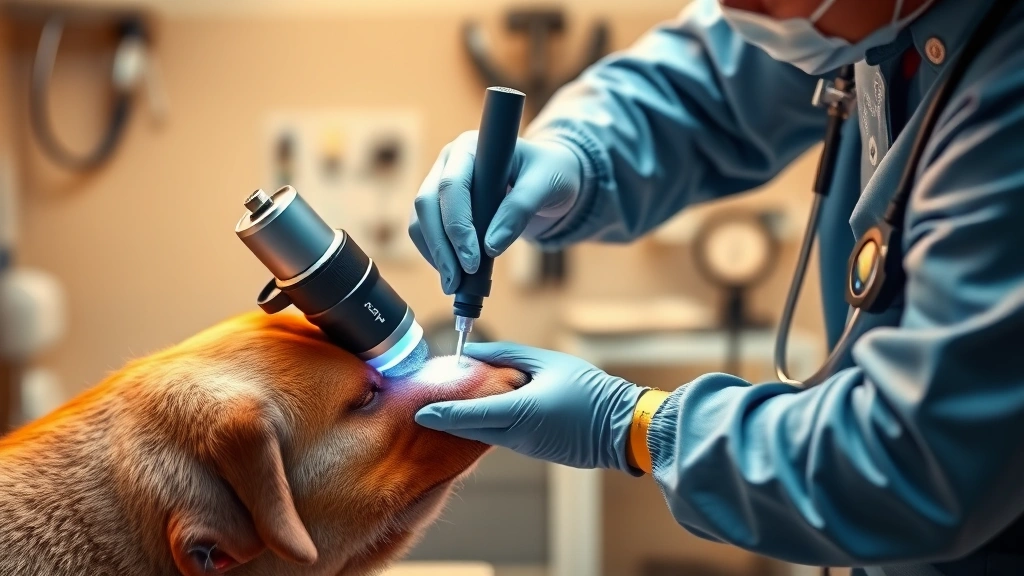
The cost varies depending on the method and number of warts, but most removal procedures are straightforward and have high success rates. Your vet will discuss the best option based on your dog’s specific situation.
Method 4: Immunotherapy and Viral Treatments
For dogs with extensive warts or those that keep recurring, immunotherapy might be the answer. Interferon therapy stimulates your dog’s immune system to fight the papillomavirus more effectively. This approach works best for younger dogs whose immune systems are still developing.
Your veterinarian can prescribe antiviral medications or recommend specific immunotherapy protocols. These treatments take longer than surgical removal but can be effective for preventing future outbreaks. According to the American Kennel Club, immunotherapy is particularly useful for dogs with recurrent wart problems.
Method 5: Preventative Care and Lifestyle Management
The best medicine is prevention. To reduce your dog’s risk of developing warts on dogs, minimize exposure to infected animals. Avoid dog parks or grooming facilities during outbreaks if possible. Keep your dog’s skin clean and dry, especially in areas prone to moisture.
Regular grooming helps you spot new growths early. A medicated dog shampoo can help maintain skin health and prevent secondary infections if your dog already has warts. Maintaining a healthy weight, providing regular exercise, and keeping stress levels low all contribute to a robust immune system that can fight off the papillomavirus.
When Should You Be Concerned About Warts on Dogs?
Most warts are harmless, but certain situations warrant veterinary attention. If a wart is bleeding, oozing, or shows signs of infection, see your vet immediately. If your dog is constantly licking or chewing at the wart, it could become infected or spread to other areas of the body. Warts that grow rapidly, change color, or appear in unusual locations should also be evaluated.
Additionally, if your dog is elderly or has a compromised immune system, warts might indicate a larger health issue. Older dogs sometimes develop warts as a sign of declining immune function, so it’s worth discussing with your vet. According to PetMD, warts in senior dogs should always be evaluated to rule out other skin conditions.
Managing Discomfort While Warts Heal
If your dog is bothered by warts on dogs, there are ways to manage their discomfort. Prevent licking and chewing by using an Elizabethan collar or dog cone if necessary. Apply soothing balms designed for dogs to reduce irritation. Keep the area clean to prevent bacterial infections.
Some dogs benefit from wearing a protective bandage over the wart, especially if it’s in an area they can easily reach with their mouth. If your dog seems to be in pain or the wart is interfering with eating, drinking, or movement, surgical removal becomes more of a priority.
The Timeline: How Long Do Warts Take to Go Away?
The timeline for wart removal varies significantly depending on the method you choose. If you’re relying on your dog’s immune system alone, expect anywhere from 4 to 12 weeks, though some cases take longer. Topical treatments might show results in 2-4 weeks with consistent application.
Surgical removal provides immediate results, with complete healing typically occurring within 1-2 weeks. Immunotherapy requires patience—you might not see significant improvement for 4-8 weeks. Your vet can give you a more accurate timeline based on your dog’s age, immune status, and the specific treatment method chosen.
Preventing Recurrence: Long-Term Strategies
Even after successful removal, warts can sometimes return. To minimize recurrence, maintain excellent overall health for your dog. Regular vet check-ups help catch any early signs of new growths. Keep your dog away from other infected dogs if possible, and maintain good hygiene practices.
If your dog has a history of warts on dogs or a compromised immune system, consider discussing preventative supplements with your vet. Some veterinarians recommend ongoing immune support for dogs prone to papillomavirus infections. Consistency with preventative care is key to keeping your pup wart-free long-term.
Frequently Asked Questions
Are warts on dogs contagious to humans?
No, canine warts are caused by a dog-specific virus and cannot be transmitted to humans. You’re completely safe to pet and play with your warty pup without worry.
Can I remove warts on my dog at home?
While some home remedies like apple cider vinegar may help, it’s best to have your vet evaluate the growths first to confirm they’re actually warts and not something more serious. Never attempt surgical removal at home.
How much does it cost to remove warts on dogs?
Costs vary widely depending on the method and number of warts, typically ranging from $200 to $1,000. Cryotherapy is usually less expensive than laser removal or traditional surgery. Contact your vet for a specific quote.
Do all warts on dogs need to be removed?
Not necessarily. If they’re not bothering your dog and aren’t infected, many vets recommend waiting to see if they disappear on their own. Removal becomes important if the wart is bleeding, infected, or causing your dog discomfort.
Can warts on dogs turn into cancer?
Benign papillomas (common warts) rarely turn cancerous. However, if a growth looks unusual, changes rapidly, or your vet is concerned, they may recommend a biopsy to rule out other conditions.
What’s the best prevention for warts on dogs?
Maintain your dog’s overall health with good nutrition and exercise, limit exposure to infected dogs, and keep their skin clean and dry. A strong immune system is your best defense against papillomavirus.
Conclusion: Taking Action on Warts on Dogs
Warts on dogs might look unsightly, but they’re usually nothing to panic about. Whether you choose to wait for your dog’s immune system to handle it, try topical treatments, or opt for professional removal, you have several effective options. The key is monitoring the warts and consulting with your veterinarian if they become problematic.
Remember that every dog is different. What works for your neighbor’s poodle might not be ideal for your golden retriever. Work closely with your vet to develop a treatment plan that suits your dog’s age, health status, and specific situation. In most cases, warts on dogs are a minor inconvenience that can be managed or eliminated with patience and proper care. Your pup will be back to their adorable, wart-free self in no time.
If your dog is dealing with other skin issues alongside warts, such as conditions requiring alternatives to Apoquel for dogs, discuss a comprehensive skin care plan with your veterinarian to address all concerns at once.





