
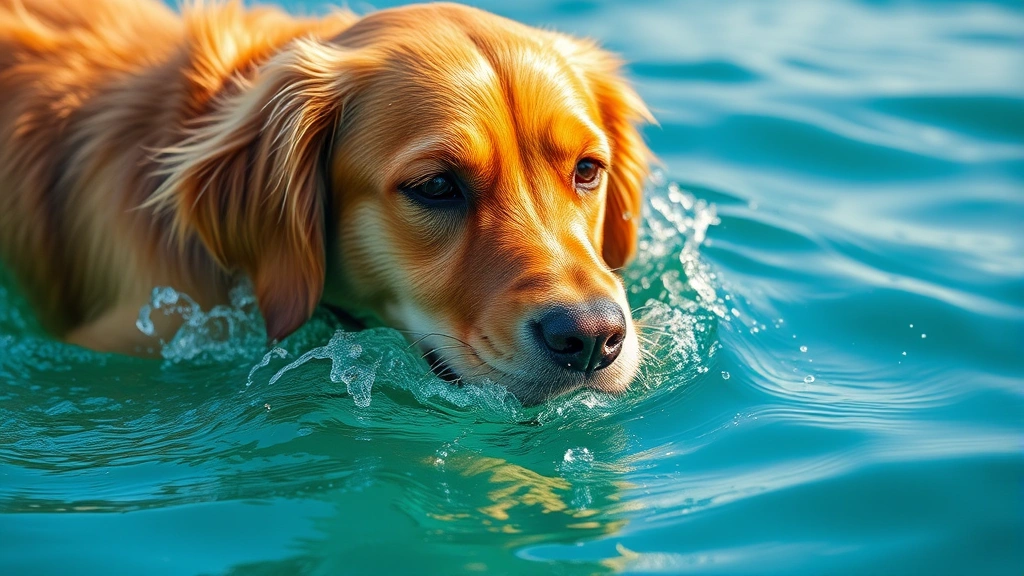
If you’re looking for a furry companion that won’t just tolerate your backyard pool but will actually drag you into it, water dogs are your answer. These aquatic enthusiasts come with webbed paws, water-resistant coats, and an inexplicable obsession with splashing that’ll make your family vacations infinitely more entertaining (and wet).
Table of Contents
- What Makes a Dog a Water Dog?
- Portuguese Water Dog: The Instagram Star of Swimming Pups
- Labrador Retriever: The Golden (Well, Black, Yellow, or Chocolate) Standard
- Golden Retriever: The Gentle Water Enthusiast
- Chesapeake Bay Retriever: The Tough Water Dog
- Spanish Water Dog: The Underrated Aquatic Gem
- Training Your Water Dog for Safety and Fun
- Health Considerations for Water Dogs
- Grooming and Coat Maintenance for Water Dogs
- Choosing the Right Water Dog for Your Family
- Water Dog Activities Beyond Swimming
- Frequently Asked Questions
- Conclusion: Making the Splash-Worthy Decision
What Makes a Dog a Water Dog?
Not all dogs are created equal when it comes to H2O. Water dogs are specifically bred with physical and behavioral traits that make them natural swimmers. We’re talking webbed feet, double-layered coats that repel water like a duck’s back, and a genuine love for aquatic adventures that goes beyond the occasional paddle. These breeds were originally developed for hunting waterfowl and retrieving game from lakes and rivers, which explains their obsessive need to jump into literally any body of water they encounter.
The term “water dog” encompasses several retriever breeds and spaniel varieties, each with their own unique charm and swimming ability. Whether you’re planning lakeside vacations or just want a dog that won’t panic during bath time, understanding what makes these breeds tick is essential.
Portuguese Water Dog: The Instagram Star of Swimming Pups
Portuguese Water Dogs are basically the celebrities of the water dog world. These medium-sized, curly-coated athletes were originally bred to help Portuguese fishermen herd fish into nets. Today, they’re known for their intelligence, athleticism, and that impossibly cute curly coat that makes them look perpetually ready for a shampoo commercial.
These dogs are bundles of energy that absolutely live for water activities. They’re excellent swimmers with a muscular build and surprising agility both in and out of the pool. If you own one, be prepared for a dog that will invent new ways to get wet if you don’t provide adequate swimming opportunities. They’re also highly trainable, making them perfect for families willing to invest time in obedience work and water sports.
One heads-up: their coat requires regular grooming to prevent matting. Think of it as the price of admission to the water dog club.
Labrador Retriever: The Golden (Well, Black, Yellow, or Chocolate) Standard
Labrador Retrievers are the reliable sedan of water dogs—they’re popular for a reason. Labs possess an almost supernatural love for water and an equally supernatural ability to shake water everywhere in your home simultaneously. Their short, dense double coat is naturally waterproof, and their otter-like tail acts as a rudder for precise underwater maneuvering.
Labs are patient, friendly, and incredibly food-motivated, which makes training a breeze. They’re also social butterflies, making them fantastic family pets that won’t mind sharing pool time with multiple kids. Their webbed paws and muscular build give them the strength to swim long distances without tiring quickly.
The downside? They shed. A lot. We’re talking tumbleweeds of fur rolling across your floor. But if you’re committed to your water dogs dream and don’t mind vacuuming frequently, Labs are hard to beat. For families interested in proper nutrition to support their active lifestyle, check out our guide on large breed dog food.
Golden Retriever: The Gentle Water Enthusiast
Golden Retrievers are basically the therapy dogs of the water dog category. These beautiful, long-haired swimmers are renowned for their gentle temperament and genuine love for their families. Originally bred to retrieve game birds from water, Goldens have maintained their aquatic enthusiasm while adding a heaping dose of emotional intelligence.
Their feathered coat is water-resistant and absolutely gorgeous, though it requires consistent grooming to maintain that show-stopping shine. Goldens are patient with children, making them ideal for families with younger kids who want to learn water safety and swimming skills alongside a furry mentor.
What sets Goldens apart from their Labrador cousins is their slightly more laid-back approach to life. While they love water, they’re equally content lounging on the couch with the family. This makes them versatile water dogs that adapt to various living situations, whether you have a sprawling lakefront property or a modest suburban home.
Chesapeake Bay Retriever: The Tough Water Dog
If Labs and Goldens are the friendly neighbors, Chesapeake Bay Retrievers are the tough-as-nails athletes who laugh at cold water. These stocky, powerful retrievers were bred to work in the icy waters of Chesapeake Bay, retrieving hundreds of ducks per day in brutal conditions. Their coat is incredibly dense and oily, providing superior waterproofing that makes other water dogs jealous.
Chessies are independent thinkers with strong prey drives and a no-nonsense attitude. They’re excellent swimmers with surprising endurance and a work ethic that’s almost admirable. However, they require experienced owners who understand their need for consistent training and clear leadership. These aren’t dogs for first-time owners or families looking for a couch potato.
If you’re an active family that enjoys outdoor adventures and doesn’t mind a dog with a strong personality, a Chesapeake Bay Retriever could be your perfect water companion. Just be prepared for a dog that will challenge you intellectually and physically.
Spanish Water Dog: The Underrated Aquatic Gem
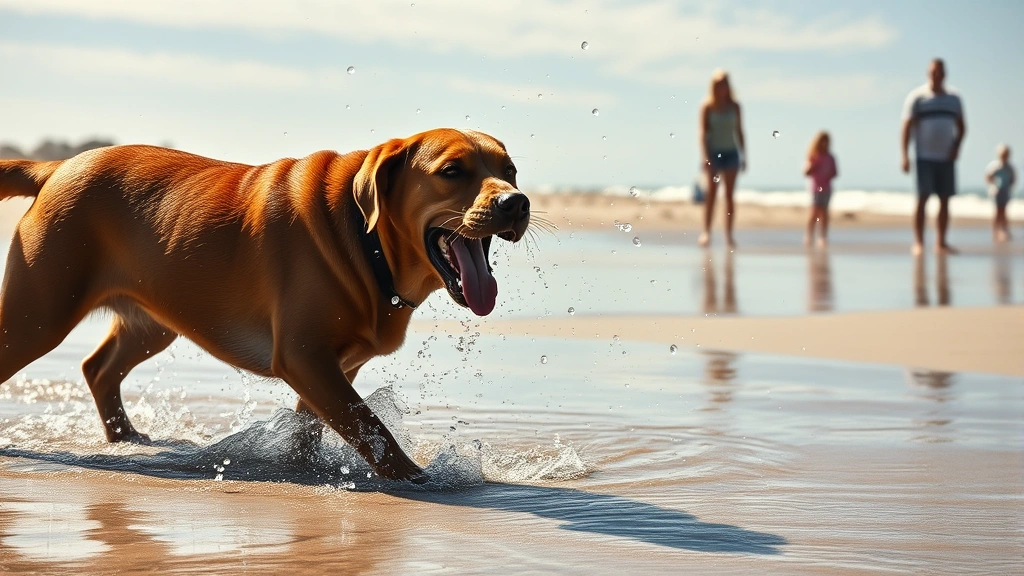
Spanish Water Dogs are the hidden treasure of the water dog world. These medium-sized, curly-coated athletes were originally used by Spanish fishermen for herding fish and retrieving nets. They’re incredibly intelligent, agile, and possess an almost obsessive love for water that rivals any Labrador.
What makes Spanish Water Dogs special is their versatility. They excel at swimming, but they’re also fantastic at obedience, agility, and even dock diving competitions. Their curly coat requires regular grooming but provides excellent water resistance. They’re also smaller than Labs and Goldens, making them suitable for families with limited space.
Spanish Water Dogs are less commonly seen than their retriever cousins, which means you’ll have a truly unique water dog that won’t match every other pup at the dog park. They’re loyal, energetic, and endlessly entertaining for families willing to provide adequate exercise and mental stimulation.
Training Your Water Dog for Safety and Fun
Owning a water dog means investing in proper training, especially regarding water safety. Even though these breeds are natural swimmers, they still need to learn basic water etiquette. Start with shallow water and let your dog build confidence gradually. Never force a water dog into water—yes, they love it, but respecting their pace prevents anxiety.
Teach a reliable recall command before allowing off-leash swimming. Invest in a quality large dog harness for water activities, especially if you plan on boating. Consider a dog life jacket, even for strong swimmers—it provides flotation and makes retrieval easier if needed.
Training sessions should be positive and reward-based. Use treats and praise to reinforce good water behavior. Practice retrieving in water to engage their natural instincts. Most water dogs will enthusiastically participate in water training because, let’s face it, they’re already obsessed with water.
Health Considerations for Water Dogs
Water dogs are generally robust breeds, but they have specific health concerns worth monitoring. Hip and elbow dysplasia is common in larger retrievers, so choose breeders who conduct proper health screening. Regular ear cleaning is crucial—their floppy ears and water exposure create an ideal environment for infections.
Watch for signs of ear infections after swimming: excessive head shaking, odor, or redness inside the ear. Dry their ears thoroughly after water activities. Some water dogs are prone to bloat, a serious condition that requires immediate veterinary attention. Feed them smaller meals and avoid vigorous exercise immediately after eating.
Regular veterinary check-ups become even more important with active water dogs. Their lifestyle puts additional stress on joints and muscles, so preventative care and monitoring for early signs of arthritis is essential as they age.
Grooming and Coat Maintenance for Water Dogs
Here’s the truth nobody tells you about water dogs: their coats are beautiful but require serious maintenance. Regular brushing prevents matting and reduces shedding (though Labs will still shed like they’re personally trying to knit you a second dog). Most water dogs need professional grooming every 6-8 weeks.
After swimming in chlorinated pools or saltwater, rinse your dog thoroughly to prevent skin irritation. Some owners use doggy shampoo after swimming, while others just use fresh water. Pay special attention to drying their ears and paws to prevent fungal infections.
The good news? Most water dogs actually enjoy grooming and bathing. They’re so accustomed to water that a bath is just another opportunity for aquatic fun. This makes maintenance easier than with breeds that panic during grooming sessions.
Choosing the Right Water Dog for Your Family
Selecting a water dog breed depends on your lifestyle, living situation, and experience level. Labrador Retrievers and Golden Retrievers are excellent choices for first-time dog owners because of their forgiving temperament and trainability. Portuguese Water Dogs suit active families with moderate living space. Chesapeake Bay Retrievers appeal to experienced owners seeking a challenge.
Consider the Louisiana Catahoula Leopard Dog if you want something different—while not a traditional water dog, they’re excellent swimmers with unique characteristics. Research breed-specific rescue organizations to find adult dogs that match your family’s energy level.
Visit breeders in person, ask about health testing, and meet the parents. Avoid puppy mills and backyard breeders. A quality water dog from a responsible breeder will provide decades of aquatic companionship and joy.
Water Dog Activities Beyond Swimming
While swimming is the obvious activity for water dogs, these breeds excel at numerous water-based sports. Dock diving competitions test their jumping ability and swimming distance. Retriever field trials replicate hunting scenarios with water retrieves. Agility courses often include water obstacles that water dogs navigate with surprising grace.
Kayaking with your water dog is increasingly popular. Many water dogs actually enjoy riding in kayaks and jumping in for swimming breaks. Introduce your dog gradually to prevent anxiety. Always use a dog life jacket for water sports—it’s not just for safety, it’s for peace of mind.
Even casual backyard activities like fetch in the pool or water play sessions provide mental stimulation and physical exercise. The key is understanding that water dogs need regular water access to thrive psychologically and physically.
Frequently Asked Questions
Are water dogs good for first-time dog owners?
Labrador Retrievers and Golden Retrievers are excellent choices for first-time owners due to their forgiving temperament and trainability. However, they require significant exercise and grooming commitment. Chesapeake Bay Retrievers and Spanish Water Dogs are better suited for experienced owners.
Do water dogs require a pool or lake access?
While water dogs thrive with regular water access, they can adapt to homes without pools. Regular trips to lakes, rivers, or dog parks with water features can satisfy their aquatic needs. However, denying them water entirely contradicts their breeding purpose and can lead to behavioral issues.
How often should water dogs be groomed?
Most water dogs need professional grooming every 6-8 weeks. Regular brushing at home (2-3 times weekly) helps maintain coat health and reduces shedding. After swimming, rinse thoroughly to prevent skin irritation and infections.
What’s the lifespan of water dog breeds?
Most water dog breeds live 10-12 years with proper care. Labrador Retrievers average 10-12 years, Golden Retrievers 10-11 years, and Portuguese Water Dogs 11-13 years. Lifespan depends on genetics, health screening, diet, and exercise.
Can water dogs live in apartments?
Smaller water dog breeds like Portuguese Water Dogs and Spanish Water Dogs can adapt to apartment living if provided adequate exercise. Larger breeds like Labs and Goldens need more space and regular outdoor access. All water dogs require consistent physical and mental stimulation regardless of living situation.
Are water dogs good with children?
Yes, most water dog breeds are excellent with children. Golden Retrievers and Labrador Retrievers are particularly patient and gentle. However, their size and energy require supervision with young children. Always teach children proper dog handling and respect for boundaries.
Conclusion: Making the Splash-Worthy Decision
Water dogs represent some of the most rewarding and entertaining companions available to families. Whether you choose a low energy dog breed alternative or commit to an energetic water enthusiast, understanding the specific needs of water dogs ensures a harmonious relationship. These breeds thrive when their aquatic instincts are respected and channeled appropriately.
Labrador Retrievers offer reliability and friendliness, Golden Retrievers provide gentle companionship, Portuguese Water Dogs deliver intelligence and athleticism, Chesapeake Bay Retrievers bring toughness and independence, and Spanish Water Dogs offer unique versatility. Each breed brings distinct qualities to family life.
Before bringing home a water dog, honestly assess your lifestyle, available time for grooming and exercise, and commitment to providing water access. Research reputable breeders, consider rescue organizations, and prepare your home for an enthusiastic, wet-loving companion. The reward? A loyal friend who’ll transform every pool party, lake trip, and summer vacation into an unforgettable aquatic adventure. Your family won’t just get a pet—you’ll get a water-loving sidekick that makes every splash count.





