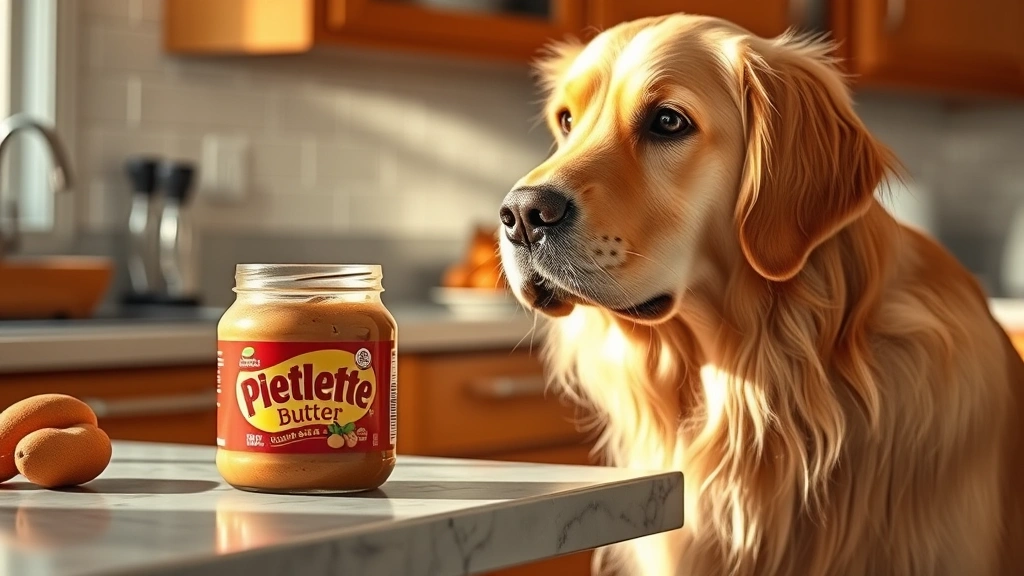
Your dog stares at their kibble bowl like you just served them cardboard. Sound familiar? Many dog owners struggle with picky eaters, digestive issues, or simply wanting to give their pups something that feels more like actual food. That’s where wet dog food comes in. It’s not just about making mealtime exciting—wet dog food offers real nutritional benefits, better hydration, and easier digestion for dogs of all ages and sizes.
If you’ve been wondering whether wet dog food is right for your dog, how to choose the best options, or how to transition your pup safely, you’re in the right place. I’ve worked with hundreds of dogs and their owners, and I can tell you: the right wet dog food can be a game-changer.
What Is Wet Dog Food & Why It Matters
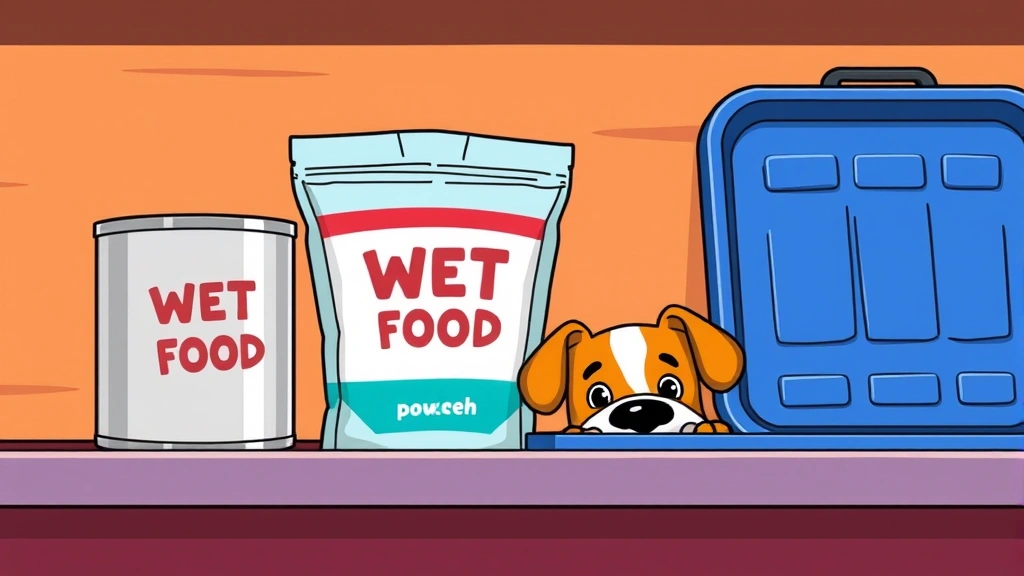
Wet dog food is exactly what it sounds like: food with high moisture content, typically 70-85% water. It comes in cans, pouches, or trays and usually contains meat, organs, vegetables, and grains or grain-free carbs suspended in gravy or jelly. Unlike dry kibble, which is shelf-stable and convenient, wet dog food mimics what dogs would naturally eat in the wild—prey with high water content.
The reason this matters is simple: dogs aren’t naturally dehydrated eaters. Their ancestors ate prey that was mostly water. Modern kibble, while practical for us, requires dogs to drink significantly more water to stay properly hydrated. Wet dog food bridges that gap.
According to the Association of American Feed Control Officials (AAFCO), wet dog food must meet specific nutritional standards just like dry food. But the delivery method—and what that means for your dog’s body—is fundamentally different.
Think of it this way: kibble is like eating beef jerky all day. You can survive on it, but adding some fresh meat and vegetables feels better. That’s the wet dog food difference.
Real Benefits of Wet Dog Food
Hydration & Kidney Health
This is the big one. Dogs on wet dog food diets consume significantly more water through their food. For senior dogs, dogs with kidney issues, or breeds prone to urinary problems, this can make a real difference. You’re not relying on your dog to remember to drink enough water—it’s built into every meal.
Better Digestion
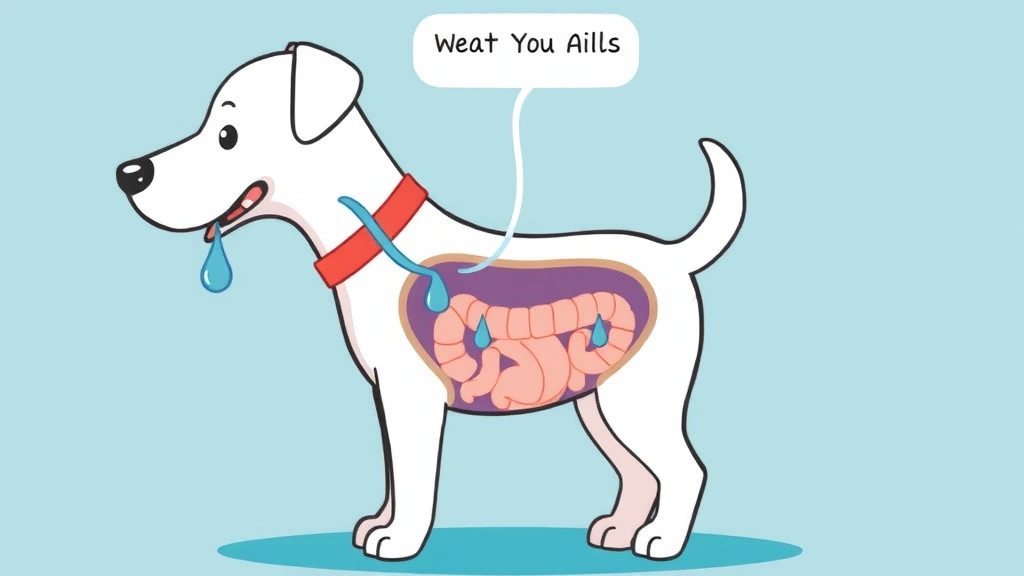
Wet dog food is easier to break down. The moisture content means less work for the digestive system. Dogs with sensitive stomachs, those prone to vomiting after meals, or older dogs with dental issues often do better on wet food. The texture is softer, requiring less chewing and stomach acid to process.
Palatability (Your Dog Actually Wants to Eat)
Let’s be real: most dogs find wet food more appealing. The aroma is stronger, the texture is interesting, and it tastes richer. If you have a picky eater, wet dog food is often the solution. I’ve seen dogs who refused kibble for weeks suddenly eat enthusiastically when switched to quality wet food.
Nutrient Density
Wet dog food often contains higher quality proteins and more recognizable ingredients. Because it’s not shelf-stable for years like kibble, manufacturers often use fresher ingredients. You’ll see “chicken” instead of “poultry meal,” which tells you exactly what your dog is eating.
Weight Management
Wet dog food is typically lower in calories per volume than kibble, but more filling. Dogs feel satisfied with smaller portions, which can help prevent obesity—a major health issue affecting over 50% of dogs in the U.S.
Types of Wet Dog Food Explained
Not all wet dog food is created equal. Here’s what you’ll encounter:
Canned Wet Dog Food
The classic option. Canned wet dog food is shelf-stable, affordable, and comes in hundreds of varieties. Quality ranges wildly—from premium brands using whole meats to budget options heavy on by-products. A good canned food should list a specific meat source (chicken, beef, fish) as the first ingredient.
Pouch or Tray Wet Dog Food
These are newer alternatives to cans. They’re lighter, easier to open, and often come in single-serving portions. They’re pricier per ounce but convenient if you have a small dog or want to minimize waste. Some brands offer them as toppers for kibble, which is a smart middle-ground approach.
Raw or Freeze-Dried Wet Food
This is the premium category. Raw diets are frozen and require thawing; freeze-dried versions are shelf-stable but rehydrated before feeding. These are nutrient-dense and minimize processing, but they’re expensive and require careful handling to prevent bacterial contamination. Not ideal for everyone, but some owners swear by them.
Prescription Wet Dog Food
Veterinarians often recommend prescription wet food for dogs with specific health conditions—kidney disease, digestive disorders, urinary issues, etc. These are formulated to support healing or manage symptoms. They’re expensive but often necessary for dogs with medical needs.
Homemade Wet Dog Food
Some owners cook for their dogs. This gives you complete control over ingredients but requires working with a veterinary nutritionist to ensure balanced nutrition. It’s time-intensive and can be pricey, but it’s an option if you’re committed.
How to Choose the Best Wet Dog Food
Read the Ingredient List (Really Read It)
The first five ingredients matter most. Look for specific meat sources: “chicken” or “beef,” not “poultry meal” or “meat by-products.” By-products aren’t necessarily bad (they’re used in human food too), but they’re less digestible and tell you less about quality.
Avoid foods with artificial colors, flavors, or preservatives. Natural preservatives like mixed tocopherols (vitamin E) are fine. BHA, BHT, and ethoxyquin are red flags.
Check the Guaranteed Analysis
This is the label that shows protein, fat, fiber, and ash percentages. For adult dogs, aim for at least 8% protein (on an as-fed basis). Senior or less active dogs can go lower; high-energy dogs might need higher. Fat should be 5% or more for most dogs.
Fiber should be moderate—too much can cause digestive upset. Ash (minerals) should be under 10%.
Consider Your Dog’s Life Stage
Puppies need different nutrition than adults. Senior dogs have different requirements than young adults. Some brands offer life-stage formulas; others offer one-size-fits-all. If your dog has specific needs, life-stage formulas are worth the extra cost.
Look for AAFCO Certification
The label should state the food is “complete and balanced” and meet AAFCO standards. This means it’s been tested or formulated to provide all necessary nutrients. It’s not a guarantee of quality, but it’s a baseline requirement.
Consider Your Dog’s Specific Needs
Does your dog have allergies? Some wet foods are limited-ingredient or novel-protein (like venison or duck). Does your dog have digestive issues? Look for easily digestible formulas. Is your dog overweight? Choose lower-calorie options or use wet food as a topper rather than a complete replacement.
If your dog has fish allergies or sensitivities, check labels carefully—even foods that aren’t fish-based sometimes contain fish oil. Conversely, if your dog benefits from omega-3s, fish-based wet dog food can be excellent.
Price vs. Quality
More expensive doesn’t always mean better, but extremely cheap wet dog food often uses lower-quality ingredients and more fillers. Budget $1-3 per can for decent quality; premium brands run $3-8+. It’s an investment in your dog’s health, but you don’t need to buy the most expensive option to get good nutrition.
Transitioning Your Dog to Wet Food
If your dog is used to kibble, don’t just switch cold turkey. Sudden dietary changes cause digestive upset—vomiting, diarrhea, and general misery. Here’s the right way:
- Days 1-2: Mix 25% wet food with 75% current food.
- Days 3-4: Mix 50% wet food with 50% current food.
- Days 5-6: Mix 75% wet food with 25% current food.
- Day 7+: Full transition to wet food (if that’s your goal).
If your dog shows any digestive upset during this process, slow down. Spend an extra few days at each stage. Some dogs need a slower transition than others—especially those with sensitive stomachs.
If you’re mixing wet and dry food long-term, that’s fine. Many owners do a combination: kibble for convenience and dental benefits, wet food for nutrition and hydration. There’s no rule saying it has to be one or the other.
Pro Tip: If your dog is prone to throwing up after eating, try feeding smaller portions more frequently, or add a bit of warm water to the wet food to make it even easier to digest. Some dogs also benefit from waiting 30 minutes after eating before vigorous activity.
Common Concerns About Wet Dog Food
“Won’t It Ruin My Dog’s Teeth?”
This is the biggest myth. Wet food doesn’t cause dental disease—sugar, plaque buildup, and genetics do. Some studies suggest kibble provides minor mechanical cleaning, but it’s not a substitute for actual dental care. If you’re concerned about teeth, brush them regularly or use dental chews. Don’t avoid wet food because of this myth.
“Isn’t It More Expensive?”
Per-serving cost is higher, yes. But wet food is more nutrient-dense and filling, so you feed less. Plus, if wet food prevents digestive issues, vet visits, or keeps your picky eater healthy, it pays for itself. Calculate the actual cost per day, not per can.
“Will My Dog Get Used to It and Refuse Kibble?”
Possibly. Dogs are creatures of habit, and wet food is objectively tastier. But this isn’t a medical problem—it’s a preference. If you want flexibility, rotate between wet and dry, or use wet as a topper. If your dog prefers wet food, that’s fine. Feed what keeps them healthy.
“Can I Feed Only Wet Food?”
Absolutely. Wet dog food can be a complete diet if it’s nutritionally balanced and you’re feeding appropriate portions. You don’t need kibble. Some dogs thrive entirely on wet food. Just ensure you’re feeding enough to meet caloric needs—wet food is less calorie-dense than kibble, so portions are larger.
“What About Contamination or Spoilage?”
Canned wet dog food is processed at high temperatures and sealed, making it very safe. Once opened, it lasts 3-4 days in the refrigerator. Pouches and raw foods have shorter shelf lives. Follow label instructions and use common sense—if it smells off, don’t feed it.
Storage & Feeding Tips
Proper Storage
- Unopened cans: Store in a cool, dry place. They last years.
- Opened cans: Cover with a plastic lid or transfer to an airtight container. Refrigerate immediately. Use within 3-4 days.
- Pouches: Reseal if possible, or transfer to containers. Same 3-4 day rule applies.
- Raw or freeze-dried: Follow specific brand instructions. Most require freezing.
Portion Control
Wet dog food is less calorie-dense than kibble. A dog eating only wet food might need 1.5-2x the volume of kibble to meet caloric needs. Check the feeding guide on the label and adjust based on your dog’s body condition. Your vet can help you dial in the right amount.
Temperature
Most dogs prefer wet food at room temperature or slightly warmed. Warming can enhance aroma and palatability, especially for senior dogs or picky eaters. Microwave briefly (not too hot), or add warm water. Never serve cold straight from the fridge if your dog is resistant.
Mixing with Kibble
If you’re combining wet and dry food, feed them together or separately—it doesn’t matter. Some owners mix them; others feed wet in the morning and kibble at night. Do what works for your schedule and your dog’s digestion.
Hydration Bonus
Even if you feed wet dog food, ensure fresh water is always available. Wet food increases water intake, but it doesn’t replace the need for drinking water. Some dogs still prefer to drink separately.
Frequently Asked Questions
Is wet dog food better than dry food?
– Not inherently “better,” but different. Wet dog food offers superior hydration, easier digestion, and higher palatability. Dry kibble is more convenient and cost-effective. The best food is the one that keeps your specific dog healthy, maintains a good weight, and they’ll actually eat. Many owners use both.
Can I feed my dog only wet food?
– Yes, absolutely. Wet dog food can be nutritionally complete if it meets AAFCO standards. You’ll feed larger portions since it’s less calorie-dense, but it’s a perfectly valid diet. Just ensure you’re feeding the right amount based on your dog’s age, size, and activity level.
How much wet dog food should I feed my dog?
– This depends on your dog’s weight, age, and the specific food’s calorie content. Most cans are 13-15 oz and contain roughly 350-500 calories. A 50-pound adult dog might need 1-1.5 cans daily, but check the label for feeding guidelines specific to your dog’s weight. Your vet can help you dial in the right amount.
Will wet dog food cause diarrhea?
– Not if you transition slowly. Sudden diet changes cause digestive upset. Follow a gradual transition over 7-10 days. If your dog continues to have diarrhea after a proper transition, the specific food might not agree with them, or there could be an underlying issue. Talk to your vet.
Is wet dog food more expensive than kibble?
– Per-can cost is higher, but per-serving and per-day cost is often comparable. Wet food is more nutrient-dense and filling, so you feed less. Plus, if it prevents health issues or vet visits, it’s actually cheaper long-term. Calculate your actual daily food cost to compare fairly.
Can I mix wet and dry dog food?
– Yes, mixing is fine and actually common. Many owners do a combination for convenience and nutrition balance. You can feed them together or separately. Just ensure total daily calories are appropriate for your dog’s needs.
How do I know if wet dog food is good quality?
– Check the ingredient list for specific meat sources (chicken, beef) as the first ingredient. Look for AAFCO certification. Avoid artificial colors and preservatives. Read reviews from other dog owners. Talk to your vet about specific brands. Quality wet dog food should list recognizable ingredients and come from reputable manufacturers.
What’s the difference between wet dog food and dog stew or gravy?
– Wet dog food is a complete, balanced diet meeting AAFCO standards. Toppers, stews, or gravies are supplements meant to enhance kibble, not replace it. Check the label—if it says “complete and balanced,” it’s a full diet. If it says “supplement” or “topper,” it’s meant to be mixed with other food.
Can puppies eat wet dog food?
– Yes, but choose puppy-formula wet food. Puppies have different nutritional needs than adults—higher protein and calories for growth. Feed according to the puppy formula’s guidelines, which are based on age and expected adult size. Transition to adult formula around 12 months (or 18-24 months for large breeds).
Is wet dog food safe for senior dogs?
– Absolutely, and often ideal for seniors. Wet food is easier to chew and digest, and the high moisture content supports kidney and urinary health. Senior dogs often have dental issues or reduced appetite—wet food addresses both. Some brands offer senior formulas with lower calories and joint-supporting nutrients.
Can I feed my dog wet food if they have allergies?
– Yes. Look for limited-ingredient or novel-protein wet foods that avoid the allergen. Fish-based formulas, beef-based, chicken-free options, and grain-free varieties all exist. If your dog has severe allergies, work with your vet to find a prescription or veterinary-recommended brand. Some dogs with sensitivities to common ingredients thrive on specialized wet foods.